 Français (France)
 English (UK)
 English (US)
 Deutsch (Deutschland)

Contents
Both countries start from the same rule: declare everything. U.S. Customs and Border Protection, the federal agency that inspects people, vehicles, and goods entering the United States. requires travelers to declare meats, fruits, vegetables, plants, animals, and animal products, including what’s carried in a vehicle [1]. Its Canadian counterpart, the Canada Border Services Agency, which clears travelers, vehicles, and goods entering Canada., asks for “a full and accurate declaration” of your purchases, food, plant and animal products, and any firearms or weapons [2]. A camper van makes that harder than a suitcase does: a fridge, a pantry, a dog bed, a propane locker, sometimes a bundle of firewood. Here’s what each side lets through, item by item and in both directions, as the agencies’ pages stood on November 16, 2026. For the rest of the trip, start with our guide to planning a camper van trip.
Declaring and inspection: what both sides can do
What the text says, on the US side, fits in one line: “All persons, baggage and merchandise arriving in the Customs territory of the United States from places outside thereof are liable to inspection by a CBP officer.” CBP quotes it from 19 C.F.R. 162.6, adds that U.S. citizens are no exception, and says a percentage of travelers is referred completely at random [3]. Canada says the same in plainer words: you can be sent to a secondary area for a detailed inspection of your vehicle, and the law requires you to answer truthfully, report your goods accurately, and show them if asked, which can mean unpacking and repacking the van [4].
What it means for you: an inspection isn’t an accusation, and declaring is what protects you. The Animal and Plant Health Inspection Service, the Department of Agriculture service that sets the rules for food, plants, and animals entering the United States. says that if you declare all your agricultural products, you won’t face penalties, even if the inspector decides some of them can’t come in. It also recommends keeping receipts and original packaging as proof of where your food came from [5]. In a van, that means keeping labels and grocery receipts until you’re across, and knowing what’s at the back of the cupboard.
Into Canada: the fridge, the firewood, and the bar
Canada sorts food by where you’re coming from, and coming from the US, the list is fairly generous. The rules are set by the Canadian Food Inspection Agency, which sets the rules for food, plants, and animals entering Canada., which sends you to its Automated Import Reference System, the CFIA’s online tool that lists the requirements for each product and origin. tool for anything its summary doesn’t cover. The table sums up what a van heading north can carry.
| Item | What gets through | What doesn’t | Source |
|---|---|---|---|
| Meat and poultry | Retail packaged or labeled, with proof of origin such as “Product of USA,” traveling with you; up to 20 kg (44 lb) | Meat from a farm or a backyard flock; restaurant leftovers and homemade food with poultry | CFIA [6, 7] |
| Eggs | Retail packaged and labeled “Product of the USA”; up to 5 dozen | Eggs from a farm or a backyard flock | CFIA [6] |
| Fresh fruits and vegetables | Up to 20 kg (44 lb) of each, after checking AIRS; potatoes commercially packaged and graded US No. 1 | Whatever AIRS refuses | CFIA [6] |
| Pet food | Cooked kibble or canned food, if the pet travels with you | Raw pet food, at any time | CFIA [7] |
| Firewood | Only with a permit | Firewood without a permit | CBSA, CFIA [8, 9] |
| Alcohol | One of: 1.5 L of wine, 1.14 L of spirits, or 8.5 L of beer; age 18 or 19, by province | Alcohol as a duty-free gift | CBSA [10] |
| Tobacco | 200 cigarettes, 50 cigars, 200 g of tobacco, and 200 tobacco sticks; age 18 | Tobacco as a duty-free gift | CBSA [10] |
| Cannabis, CBD included | Nothing | Any amount; medical cannabis only with a rare Health Canada exemption | CBSA [11] |
| Firearms | Declared, with a valid reason; form RCMP 5589 without a Canadian license | Prohibited firearms, devices, and weapons | CBSA [12] |
| Bear spray | Labeled for use against animals only, compliant with the Pest Control Products Act | Pepper spray designed for use against people | CBSA [2, 13] |
| Dogs and cats | A valid rabies vaccination certificate from 3 months old; proof of age below that | Without the certificate: vaccination at your expense within a set period | CFIA [14] |
Summary of the agencies’ pages for a traveler coming from the United States. AIRS: the CFIA’s online import tool. Declare every item, including those that get through.
Meat, poultry, and eggs must be retail packaged, labeled, and of US origin; a “Product of USA” label is the proof. Bird flu hasn’t closed that door: CFIA accepts retail-packaged poultry products labeled “Product of the USA” from any state, whether or not there’s an outbreak, raw table eggs and rotisserie chickens included, but not restaurant leftovers, homemade food, or anything from a roadside stand or a farm. The dog’s dinner has its own line: cooked kibble or canned food with poultry in it is fine if the pet travels with you, raw pet food never [6, 7].
Firewood is the simplest case: leave it at home. The CBSA says it can’t be imported into Canada without a permit [8]. CFIA adds that firewood that doesn’t meet the requirements is refused, sent back, or destroyed at the importer’s expense, that not declaring it can bring penalties or prosecution, and that you should buy wood cut less than 80 km (about 50 miles) from where it’s sold [9].
Alcohol and tobacco come with an age and a quantity: alcohol at 18 if you enter Canada in Alberta, Manitoba, or Quebec, at 19 anywhere else, and tobacco at 18 everywhere. Gifts worth under CAN$60 each come in free, but alcohol and tobacco don’t count as gifts [10]. The allowances in the chart below come in without assessment as long as they’re in your possession when you arrive, and they can be trimmed for a short visit. Above them, every province and territory except the Northwest Territories and Nunavut lets you bring more, usually up to 9.1 L of alcohol, against duty, taxes, and a provincial fee whose overall cost the CBSA calls generally high [15].
Cannabis, firearms, and bear spray
Cannabis is the trap for travelers from a state where it’s legal. It’s legal in Canada too, and it still can’t cross. The CBSA says it’s illegal to bring any amount of cannabis across the Canadian border, entering or leaving, even between two places where it’s legal, edibles, extracts, topicals, and CBD products included. Medical cannabis needs an exemption from Health Canada, issued only in rare and exceptional circumstances, such as palliative care [11]. Smuggling is punishable by up to 5 years in prison under the Customs Act and up to 14 years under the Cannabis Act [11]. On the way back, CBP says marijuana, medical or recreational, remains a controlled substance under US federal law, and that arriving at a port of entry with it may lead to seizure, fines, arrest, and consequences for admissibility [16].
Firearms are declared, always. A visitor must be 18 or older and have a valid reason; the CBSA’s examples include competitions, transit by the most direct route, and two reasons limited to non-restricted firearms: hunting in season and protection against wildlife in remote areas. Without a Canadian license, you fill out a Non-Resident Firearm Declaration, form RCMP 5589, and pay CAN$25; once an officer confirms it, it works as a temporary license for up to 60 days. Prohibited firearms, devices, and weapons can’t come in at all [12]. To bring the firearms home, register them on CBP Form 4457 and show them to a CBP officer before you leave the US [17].
Back into the US: the produce trap
Heading south, APHIS writes the food rules and CBP agriculture specialists apply them at the booth. The surprise is in the produce drawer.
| Item | What gets through | What doesn’t | Source |
|---|---|---|---|
| Fresh fruits and vegetables | Grown in Canada, with a receipt or a “Produce of Canada” label; field-grown, from May 1 to October 31 | Citrus, tomatoes, peppers, avocados, bananas, and the rest of APHIS’s list; homegrown produce | APHIS [5] |
| US produce taken into Canada | Whole, in its original packaging | Anything on the prohibited list, even if grown in the US | APHIS [5] |
| Meat | Beef, bison, veal, lamb, goat, and pork: fresh, frozen, cooked, cured, or dried; up to 50 lb (23 kg) per traveler | More than 50 lb, except hunted meat within the limits of the hunting license | APHIS [5] |
| Poultry and eggs | Under the alert of September 15, 2026: thoroughly cooked, shelf-stable after commercial processing, or with an APHIS permit | Unprocessed poultry and egg products | APHIS [18] |
| Dairy | With proof of Canadian origin | Products without that proof | APHIS [5] |
| Pet food | Unopened retail packages; raw or dried products labeled as made in Canada or the US; 50 lb (23 kg) per vehicle | Opened packages | APHIS [5] |
| Firewood | Heat treated, with a treatment certificate or a commercial treatment label | Untreated firewood | APHIS [19] |
| Alcohol (US residents) | 1 liter at 21 or older, within the $800 exemption, after 48 hours away | More, duty-free | CBP [20, 21] |
| Cannabis | Nothing | Any amount, medical marijuana included | CBP [16] |
| Dogs | CDC Dog Import Form receipt, microchip, at least 6 months old | Dogs under 6 months | CDC [22] |
| Cats | Cats that look healthy; the CDC requires no proof of rabies vaccination | A cat that looks ill may need a vet exam first, at your expense | CDC [23] |
Summary for a land crossing with personal-use quantities; CBP agriculture specialists have the final word at the port of entry. Declare every item.
Canadian-grown produce gets in if it’s free of soil, pests, and disease, isn’t on the prohibited list, and comes with proof it was grown in Canada, not just sold there. Field-grown produce is only accepted from May 1 to October 31, the Canadian growing season, while greenhouse cucumbers, eggplant, lettuce, squash, and strawberries labeled as grown in Canada pass year-round [5]. CBP repeats the headline: fresh tomatoes and bell peppers are prohibited from Canada [1].
Meat is easier: beef, bison, veal, lamb, goat, and pork can come back fresh, frozen, cooked, cured, or dried, up to 50 lb (23 kg) per traveler. Dairy needs proof of Canadian origin, and pet food must be in unopened retail packaging, with a limit of 50 lb (23 kg) per vehicle by land [5].
Firewood follows a federal order. Since May 22, 2011, APHIS has required all firewood imported from Canada to be heat treated: hardwood at 60 °C (140 °F) at the core for 60 minutes, softwood at 56 °C (133 °F) for 30 minutes. A noncommercial load needs a treatment certificate or a commercial treatment label [19]. APHIS federal orders stay in effect until another order or a published rule replaces them [24], and in October 2026 the agency repeated its advice: buy firewood where you burn it, or buy certified heat-treated wood with a state or federal mark on the package [25].
Alcohol and shopping are counted in hours. A US resident gets an $800 exemption, including 1 liter of alcohol at 21 and older, once in 30 days, and must declare everything acquired in Canada [20]. That takes at least 48 hours out of the country; under 48 hours, or on a second trip within 30 days, the exemption drops to $200, and going over it makes the whole amount dutiable [21]. Within the $800, tobacco tops out at 200 cigarettes and 100 cigars, and CBP enforces a stricter state alcohol limit where you arrive [26]. Its Ready Lanes page, for the faster lanes of land crossings, counts differently: 1 liter, or three beers, per traveler each month [27]. When pages differ, declare.
Dogs and cats: two sets of rules, two ages
Northbound, CFIA’s pet import tool asks for a valid rabies vaccination certificate for a dog 3 months or older traveling with its owner from the US, and proof of age from a vet for a younger one. For a cat, the tool asks for proof of age under 3 months and, from 3 months, a rabies vaccination certificate, or a veterinary certificate backed by official proof that the country has been free of rabies for 6 months. Its cat section spells out the certificate: in English or French, signed by a licensed vet, identifying the animal, with the vaccine’s trade name and serial number; without a stated duration of immunity, it counts as valid for 1 year [14].
Southbound, the CDC’s rules changed on August 1, 2024. For a dog that has only been in Canada or the US over the past 6 months, the one document is the CDC Dog Import Form, filled out online: free, one per dog, valid for 6 months of entries from Canada, and possible to complete on the day you travel. The dog must look healthy, be at least 6 months old, and carry a microchip that a universal scanner can read [22]. The rules apply to dogs coming home and to dogs only passing through by road [28]. So a puppy between 3 and 6 months old can enter Canada with its rabies certificate, but can’t come back until it turns 6 months. Cats are simpler: the CDC requires only that they look healthy, recommends a rabies vaccination without requiring proof, and notes that your destination may ask for more [23].
Propane: no border rule, but a Canadian road rule
None of the CBP and CBSA pages we read sets a rule for propane at the crossing itself. What changes is the rule on the road. Transport Canada points out that US hazardous materials rules apply only in commerce, while Canada’s dangerous goods rules apply to everyone, propane for personal use included [29]. Most travelers fall under one exemption: up to 150 kg (330 lb) of dangerous goods, cylinders included, with no cylinder larger than 46 L (about 12 gallons); a typical barbecue cylinder holds about 21 L and weighs about 18 kg (40 lb) when full [30].
In an RV, propane connected to the heating, ventilation, or refrigeration system doesn’t count toward those 150 kg; spare cylinders do, and they must be authorized for use in Canada [29]. Cylinders marked “DOT,” built to US rules, are on Transport Canada’s list of authorized specifications [31]. On the US side, the limits that bite are those of tunnels and bridges: our guide to propane in a camper van lists them.
Papers: passport, insurance, and the rental contract
Getting into Canada, a US citizen proves identity and citizenship: the CBSA recommends a valid passport at any age, though a birth certificate, a certificate of citizenship, or an enhanced driver’s license can also work, and a US permanent resident arriving by land shows the permanent resident card [32]. Coming back is stricter. By land, CBP accepts a US passport, a passport card, an enhanced driver’s license, or a trusted traveler card such as A trusted traveler program whose card is accepted at the US-Canada border by both agencies., and children under 16 need only proof of citizenship, such as a birth certificate [33]. If everyone 16 and older carries a card with a chip, such as a passport card, an enhanced license, or NEXUS, the van can use a Ready Lane; and medications, up to a 90-day supply, are declared in their original packaging with a prescription in the traveler’s name [27].
A rented van adds a third party. Transport Canada says visitors may enter Canada with US rental vehicles, and that leaving one at a Canadian location after a one-way trip takes the rental company’s consent [35]. The contract has the last word: Cruise America lets its US-registered RVs into Canada and back, but bans one-way rentals between the two countries and doesn’t let Canadian residents take a US-registered rental into Canada [36], while Canada’s CanaDream charges a fixed fee for US travel, unless it’s included in your reservation at no cost, and warns of no coverage there without prior authorization [37]. Our guide to renting a camper van reads other companies’ territory clauses.
What a missed declaration costs
Both agencies keep records. The CBSA says an infraction record can mean more detailed examinations on later trips, and can make you ineligible for NEXUS [38]. The amounts below are maximums or ranges from the agencies’ own pages; the actual penalty depends on the goods and the circumstances.
Before you leave: the check, item by item
- Fresh produce eaten or left behind before heading back to the US, citrus, tomatoes, and peppers first; receipts and labels kept for the rest.
- No firewood heading north; heading south, only heat-treated firewood with its certificate or label.
- For a dog: a rabies certificate for Canada; a CDC Dog Import Form receipt, a microchip, and an age of 6 months or more for the US.
- No cannabis or CBD products in the van, in either direction.
- Firearms declared, with form RCMP 5589 for Canada and CBP Form 4457 before you leave the US; bear spray labeled for animals only.
- Accepted travel documents for everyone, proof of insurance, the vehicle’s papers, and the rental company’s written authorization.
- Spare propane cylinders upright, secured, and within Canada’s 150 kg (330 lb) exemption.
Every rule here carries a date, and some move fast: the alert on Canadian eggs and poultry dates from September 15, 2026, and APHIS says it will be updated as new information comes in [18]. Check before you leave: CFIA’s AIRS tool and APHIS’s list of temporary restrictions the week of the trip, then the territory clause of your rental contract. At the booth, the rule is the one on the sign at Peace Arch: declare it all.
Gear related to this article
No affiliation: no commission, no sponsored products.
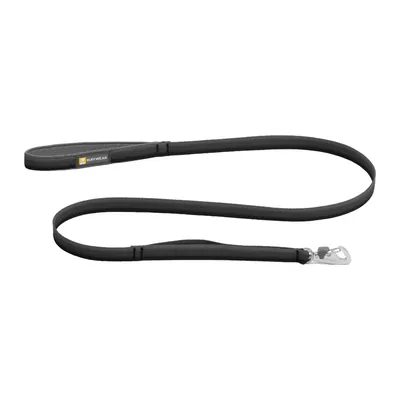
Ruffwear Front Range Leash
A fixed 5 ft leash with a padded handle and a locking clip: it keeps your dog close on trails where leashes are required and whenever you pass livestock.
View on Amazon (opens in a new tab)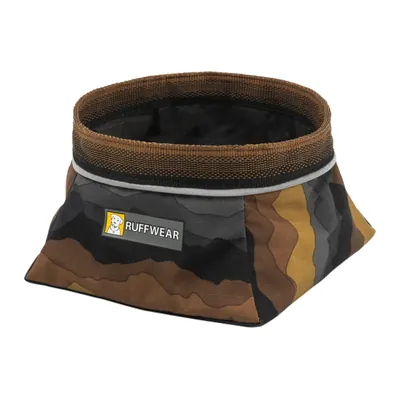
Ruffwear Quencher
A packable fabric bowl that holds 4.2 cups, with a waterproof lining: it folds into a pocket so your dog can drink a little every 15 to 20 minutes.
View on Amazon (opens in a new tab)
Worth watching
Four minutes with an RV couple and their dogs at a quiet North Dakota crossing: the questions the Canadian officer asked (produce, rabies certificates, weapons, cannabis, gifts), then the trip back into the US.

The video is hosted by YouTube (Google): nothing loads until you play it, and Google may then set cookies.
FAQ
Can I bring food from the US into Canada in a camper van?
Yes, within limits. Coming from the US, CFIA accepts retail-packaged meat and poultry with proof of origin such as a “Product of USA” label, up to 20 kg (44 lb), retail-packed eggs labeled “Product of the USA,” up to 5 dozen, and dairy and fresh produce up to 20 kg per category, with potatoes commercially packaged and graded US No. 1. Farm or backyard meat and eggs, homemade food, and raw pet food are refused. Declare everything.
Can I take firewood across the US-Canada border?
Not untreated wood. The CBSA says firewood can’t be imported into Canada without a permit. Heading south, an APHIS federal order in effect since May 22, 2011, requires firewood from Canada to be heat treated, with a treatment certificate or a commercial treatment label for a noncommercial load. Both countries’ agencies give the same advice: buy firewood near where you’ll burn it, and declare any you carry.
Can I take my dog to Canada and back?
Yes, with two sets of papers. CFIA asks for a valid rabies vaccination certificate for a dog 3 months or older coming from the US with its owner. To come back, the CDC requires a CDC Dog Import Form receipt, a microchip readable by a universal scanner, and an age of at least 6 months. A puppy between 3 and 6 months old can enter Canada but can’t return to the US until it turns 6 months.
Can I bring bear spray into Canada?
Yes, if it’s made for animals. The CBSA lists pepper spray among the weapons barred from Canada, but its weapons memorandum exempts dog or bear repellent when the label says specifically that it’s for use against animals only and the product meets the Pest Control Products Act. The maker’s label and specifications decide, whatever the size of the can. A spray sold for self-defense against people stays home.
Can I cross with cannabis if it’s legal on both sides?
No. The CBSA says it’s illegal to bring any amount of cannabis across the Canadian border, entering or leaving, CBD products included, and medical cannabis only with a Health Canada exemption granted in rare cases, with penalties of up to CAN$2,000 and criminal charges for smuggling. CBP says marijuana remains a controlled substance under US federal law, and that arriving at a port of entry with it may lead to seizure, fines, arrest, and consequences for admissibility.
Can I drive into Canada with propane cylinders?
Yes. The CBP and CBSA pages we read set no border rule for propane. On Canadian roads, Transport Canada’s dangerous goods rules apply to everyone, with an exemption for up to 150 kg (330 lb), cylinders included, each no larger than 46 L. Propane connected to an RV’s heating, ventilation, or refrigeration system doesn’t count, and spare cylinders must be authorized for use in Canada; DOT-marked cylinders are on its list.
Sources
- U.S. Customs and Border Protection (CBP), Bringing Agricultural Products Into the United States, last modified June 11, 2026, accessed November 16, 2026. cbp.gov https://www.cbp.gov/travel/clearing-cbp/bringing-agricultural-products-united-states ↩
- Canada Border Services Agency (CBSA), Border reminder checklist, modified March 11, 2026, accessed November 16, 2026. cbsa-asfc.gc.ca https://www.cbsa-asfc.gc.ca/travel-voyage/checklist-aidememoire-eng.html ↩
- CBP, CBP Search Authority (quoting 19 C.F.R. 162.6), last modified January 28, 2026, accessed November 16, 2026. cbp.gov https://www.cbp.gov/travel/cbp-search-authority ↩
- CBSA, Canadian customs: Secondary inspections, modified January 28, 2025, accessed November 16, 2026. cbsa-asfc.gc.ca https://www.cbsa-asfc.gc.ca/travel-voyage/inspections-eng.html ↩
- Animal and Plant Health Inspection Service (APHIS), U.S. Department of Agriculture, Traveling into the United States From Canada at Land Borders, last modified March 31, 2026, accessed November 16, 2026. aphis.usda.gov https://www.aphis.usda.gov/traveling-with-ag-products/traveling-united-states-canada-land-borders ↩
- Canadian Food Inspection Agency (CFIA), Bringing food into Canada for personal use (traveling from the United States), modified May 26, 2026, accessed November 16, 2026. inspection.canada.ca https://inspection.canada.ca/en/food-safety-consumers/bring-food-personal-use ↩
- CFIA, Information for travellers: Restrictions on poultry and birds from the United States, modified February 25, 2025, accessed November 16, 2026. inspection.canada.ca https://inspection.canada.ca/animal-health/terrestrial-animals/diseases/reportable/avian-influenza/information-for-travellers/eng/1659970020470/1659970021314 ↩
- CBSA, Protecting Canada from invasive species (firewood), modified October 13, 2021, accessed November 16, 2026. cbsa-asfc.gc.ca https://www.cbsa-asfc.gc.ca/services/fpa-apa/species-especes-eng.html ↩
- CFIA, Hazards of moving firewood, modified September 22, 2026, accessed November 16, 2026. inspection.canada.ca https://inspection.canada.ca/en/plant-health/forestry/hazards-moving-firewood ↩
- CBSA, What visitors can bring into Canada, modified April 2, 2025, accessed November 16, 2026. cbsa-asfc.gc.ca https://www.cbsa-asfc.gc.ca/travel-voyage/bring-apporter-eng.html ↩
- CBSA, Crossing the Canadian border with cannabis, modified November 12, 2026, accessed November 16, 2026. cbsa-asfc.gc.ca https://www.cbsa-asfc.gc.ca/travel-voyage/cannabis-eng.html ↩
- CBSA, Firearms and weapons: Canadian border requirements, modified July 24, 2025, accessed November 16, 2026. cbsa-asfc.gc.ca https://www.cbsa-asfc.gc.ca/import/iefw-iefa-eng.html ↩
- CBSA, Memorandum D19-13-2: Importing and exporting firearms, weapons and devices, Ottawa, June 25, 2026, accessed November 16, 2026. cbsa-asfc.gc.ca https://www.cbsa-asfc.gc.ca/publications/dm-md/d19/d19-13-2-eng.html ↩
- CFIA, Travelling with a pet (import requirements tool, answers for dogs and cats coming from the United States, modified July 2, 2026), accessed November 16, 2026. inspection.canada.ca https://inspection.canada.ca/en/importing-food-plants-animals/pets ↩
- CBSA, Memorandum D2-1-1: Temporary Importation of Baggage and Conveyances by Non-Residents, Ottawa, April 28, 2026, accessed November 16, 2026. cbsa-asfc.gc.ca https://www.cbsa-asfc.gc.ca/publications/dm-md/d2/d2-1-1-eng.html ↩
- CBP, CBP Reminds Travelers from Canada that Marijuana Remains Illegal in the United States, last modified August 23, 2023, accessed November 16, 2026. cbp.gov https://www.cbp.gov/travel/clearing-cbp/cbp-reminds-travelers-canada-marijuana-remains-illegal-united-states ↩
- CBP, Prohibited and Restricted Items (firearms, CBP Form 4457), last modified March 14, 2025, accessed November 16, 2026. cbp.gov https://www.cbp.gov/travel/us-citizens/know-before-you-go/prohibited-and-restricted-items ↩
- APHIS, Import Alert: Import Restrictions on Canada due to Highly Pathogenic Avian Influenza, issued September 15, 2026, listed under Temporary Restrictions on November 16, 2026, accessed November 16, 2026. aphis.usda.gov https://www.aphis.usda.gov/sites/default/files/import-alert-avian-canada.pdf ↩
- APHIS, Federal Order DA-2011-28, All Imported Firewood from Canada and Spruce Logs from Nova Scotia, Canada, May 19, 2011, effective May 22, 2011, accessed November 16, 2026. aphis.usda.gov https://www.aphis.usda.gov/media/document/5398/file ↩
- CBP, Canada and Mexico Travel, last modified January 26, 2026, accessed November 16, 2026. cbp.gov https://www.cbp.gov/travel/us-citizens/canada-mexico-travel ↩
- CBP, Types of Exemptions, last modified March 6, 2024, accessed November 16, 2026. cbp.gov https://www.cbp.gov/travel/international-visitors/kbyg/types-exemptions ↩
- Centers for Disease Control and Prevention (CDC), Entry Requirements for Dogs from Dog-Rabies Free or Low-Risk Countries, July 22, 2024, accessed November 16, 2026. cdc.gov https://www.cdc.gov/importation/dogs/rabies-free-low-risk-countries.html ↩
- CDC, Bringing an Animal into the U.S. (cats), August 22, 2025, accessed November 16, 2026. cdc.gov https://www.cdc.gov/importation/bringing-an-animal-into-the-us/index.html ↩
- APHIS, Import Federal Orders, accessed November 16, 2026. aphis.usda.gov https://www.aphis.usda.gov/plant-imports/how-to-import/import-federal-orders ↩
- APHIS, USDA Reminds the Public: Help Protect America’s Trees, Buy Firewood Where You Burn It, news release, October 1, 2026, accessed November 16, 2026. aphis.usda.gov https://www.aphis.usda.gov/news/agency-announcements/usda-reminds-public-help-protect-americas-trees-buy-firewood-where-you ↩
- CBP, Customs Duty Information (tobacco, alcoholic beverages), last modified December 30, 2025, accessed November 16, 2026. cbp.gov https://www.cbp.gov/travel/international-visitors/know-before-you-visit/customs-duty-information ↩
- CBP, Ready Lanes, last modified January 3, 2025, accessed November 16, 2026. cbp.gov https://www.cbp.gov/travel/clearing-customs/ready-lanes ↩
- CDC, Frequently Asked Questions on Dog Importations (Canada and Mexico), August 27, 2026, accessed November 16, 2026. cdc.gov https://www.cdc.gov/importation/dogs/faqs.html ↩
- Transport Canada, Safety awareness materials and FAQ (transportation of dangerous goods: exemptions, propane when camping), modified May 12, 2025, accessed November 16, 2026. tc.canada.ca https://tc.canada.ca/en/dangerous-goods/safety-awareness-materials-faq ↩
- Transport Canada, Summertime Safety: Camping and Travelling with BBQ Propane Tanks, modified July 16, 2025, accessed November 16, 2026. tc.canada.ca https://tc.canada.ca/en/tc-stories/summertime-safety-camping-travelling-bbq-propane-tanks ↩
- Transport Canada, Cylinders, spheres and tubes: requirements (specifications authorized for use in Canada), modified January 13, 2026, accessed November 16, 2026. tc.canada.ca https://tc.canada.ca/en/dangerous-goods/containers/cylinders-spheres-tubes/cylinders-spheres-tubes-requirements ↩
- CBSA, Travel and identification documents for entering Canada, modified June 5, 2026, accessed November 16, 2026. cbsa-asfc.gc.ca https://www.cbsa-asfc.gc.ca/travel-voyage/td-dv-eng.html ↩
- CBP, Western Hemisphere Travel Initiative (documents accepted at land and sea ports), last modified June 17, 2026, accessed November 16, 2026. cbp.gov https://www.cbp.gov/travel/us-citizens/western-hemisphere-travel-initiative ↩
- Government of Ontario, Drive in Ontario: visitors, updated May 14, 2021, accessed November 16, 2026. ontario.ca https://www.ontario.ca/page/drive-ontario-visitors ↩
- Transport Canada, Temporarily importing vehicles (rental vehicles from the U.S.), modified February 25, 2021, accessed November 16, 2026. tc.canada.ca https://tc.canada.ca/en/road-transportation/importing-vehicle/temporarily-importing-vehicles ↩
- Cruise America, RV Rental FAQs (travel into Canada), accessed November 17, 2026. cruiseamerica.com https://www.cruiseamerica.com/rv-rentals/renters-resources/rv-rental-faqs ↩
- CanaDream, General FAQs (travel into the USA), accessed November 17, 2026. canadream.com https://www.canadream.com/faqs/general-faqs/ ↩
- CBSA, I Declare: A guide for residents returning to Canada (false declarations and the seizure of goods), modified November 25, 2025, accessed November 16, 2026. cbsa-asfc.gc.ca https://www.cbsa-asfc.gc.ca/travel-voyage/declare-eng.html ↩
- CBSA, Penalties for cannabis-related offences, modified August 27, 2025, accessed November 16, 2026. cbsa-asfc.gc.ca https://www.cbsa-asfc.gc.ca/travel-voyage/penalties-sanctions-eng.html ↩

Fact-checking, regulations, and safety
Arnaud Couderc reviews our contributors’ articles and writes for Outfarer about regulations, safety, fishing, the ocean, and outdoor activities. He traces every rule back to its official text and every number to its source, so you head out with solid benchmarks.

 Julien de Jurquet

