 Français (France)
 English (UK)
 English (US)
 Deutsch (Deutschland)

Contents
Can you camp for free on public land in Canada, the way you would on BLM land back home? Often, yes, on what Canadians call Land vested in the government, in the words of British Columbia’s Crown land policy; Ontario’s pages also call it public land.. But there’s no national rule. Each province writes its own, and the stay limits run from 14 days to seven months; national and provincial parks follow rules of their own. We read the policies, regulations and official pages of British Columbia, Alberta, Ontario and Québec as they stood on November 16, 2026. For each province: what the text says, what it means for you, and how it differs from the next one over. If you know dispersed camping in the US, the idea will feel familiar; the paperwork won’t always.
The rules at a glance, province by province
| Province | Stay limit at one spot | Pass or permit | Price | Official map |
|---|---|---|---|---|
| British Columbia | 14 consecutive days; the count restarts after 72 hours away [1] | None on general Crown land; open to Canadians and non-Canadians | Free; fees at some recreation sites, cash only [2] | Integrated Land and Resource Registry for land status |
| Alberta | 14 days, then move at least 0.6 mi (1 km) for 72 hours [3] | Public Lands Camping Pass on the Eastern Slopes, ages 18 and up | CA$20 for three days or CA$30 a year, plus fees [4] | Alberta’s interactive recreation map |
| Ontario | 21 days per site per calendar year, then move at least 330 ft (100 m) [5] | Non-residents of Canada 18 and up, north of the French and Mattawa rivers | CA$10.57 per person per night, tax included | Crown Land Use Policy Atlas |
| Québec | Up to seven months in the same year [6] | None on open public land; ZECs and wildlife reserves charge their own fees | Free on open public land | Forêt ouverte interactive map |
Rules as read on November 16, 2026, in the texts cited. A posted sign, a local closure or a park boundary always comes first; parks are covered further down.
British Columbia: 14 days, then 72 hours away
What the text says: under B.C.’s Land Act, occupying or using Crown land “without lawful authority” is an offense, and the province’s Permission policy is what grants that authority. Its camping rule fits in one line: “Any person may camp on Crown land for up to 14 consecutive calendar days.” The days keep adding up unless you, your vehicle and your equipment leave the site for at least 72 consecutive hours. The policy adds that “Canadians and non-Canadians are eligible,” so a US license plate changes nothing. In force since May 16, 2014, and last amended on December 1, 2023, it calls this use of Crown land “a privilege which may be limited or rescinded” [1].
What it means for you: the permission stops at certain lines. It doesn’t apply in parks, ecological reserves and conservancies, in wildlife management areas, inside municipalities, on leased land, on land administered by the federal government, or in areas posted or closed to the activity. No permanent structures are allowed, and every bit of garbage leaves with you. To find out what kind of land you’re on, the policy points to the province’s Integrated Land and Resource Registry (ILRR), and to FrontCounter BC at 1-877-855-3222 [1].
Recreation sites: the same 14 days, sometimes a fee
B.C.’s recreation sites follow their own regulation, with the same arithmetic: no camping for more than 14 consecutive days without a recreation officer’s authorization, and the same 72-hour reset. The regulation’s definition of camping includes “parking a motor vehicle to remain overnight,” so a van at a site counts, and a vehicle with a holding tank must not empty it there [7]. Some sites charge a fee, collected by operators in cash only and varying with the services; most campsites are first-come, first-served, and an additional vehicle pays 50% of the daily camping fee [2]. Where a fee applies, it covers 24 hours from noon, and proof of payment goes in your windshield [7]. The posted rules add a quiet time from 11 p.m. to 7 a.m., a speed limit of 20 km/h (12 mph) on site, and unclaimed property removed after 24 hours [8].
Resource roads: radio-assisted, not radio-controlled
Forest service roads cross Crown land all over the province, and B.C. is blunt about them: resource roads “are not built or maintained to the same standards as public highways,” and most have rough, loose gravel and are narrow, “often one lane wide.” Among common hazards, the province lists large industrial vehicles, high traffic volumes, passing or being passed on narrow roads, dust, wildlife, and others failing to follow traffic control procedures. The speed restrictions and insurance requirements of the Forest Service Road Use Regulations are in effect and enforced, and a road can close for safety or environmental reasons [9].
Radios are the other surprise. Forest service roads with industrial activity, and many other resource roads, use standard call protocols, standard signs and a dedicated bank of radio channels. Most resource roads are “radio assist,” though, and using a mobile radio isn’t mandatory. Two catches: under Canada’s Radiocommunication Act, a mobile radio license is required to operate the commercial land-mobile radios used on these roads, and where channels and call protocols are posted, drivers using radios must follow them. Either way, the province asks you not to drive by the radio alone, since not everyone has one or uses it [10]. With or without a radio, drive for the road and the weather.
Alberta: a camping pass along the Rockies
Alberta adds a pass. Anyone 18 or older needs a Public Lands Camping Pass to Alberta’s term for camping with no or limited services outside established campgrounds, in the frontcountry or the backcountry. on public land along the Eastern Slopes of the Rocky Mountains, from Grande Prairie to Waterton Lakes National Park, year-round; a pass is also required in the Porcupine Hills Public Land Use Zone and Willmore Wilderness Park. It costs CA$20 per person for three days or CA$30 for a year, plus a CA$3.25 processing fee, plus GST, per transaction, and a one-time Wildlife Identification Number (WIN) at CA$8. It’s sold per person, not per vehicle, and “the same rate applies to residents and non-residents of Alberta.” You buy it online at AlbertaRELM, in its app, or where hunting and fishing licenses are sold; officers can ask to see it, and non-compliance may result in a fine [4].
The camping rules themselves sit on another page. Random camping is allowed unless signs, notices or department publications say otherwise, but not within 1 km (0.6 mi) of a Public Land Recreation Area, a provincial park or a provincial recreation area; in four Public Land Use Zones, Kananaskis among them, and wherever it’s posted in the others, not within 1 km of a road either. The stay limit is 14 days, after which you move your camping unit at least 1 km for 72 hours. Camp at least 30 m (100 feet) from lakes and streams and 100 m (330 feet) from oil and gas facilities, take garbage and waste home or to a dump station, and bring a portable toilet for longer or repeated needs [3].
Ontario: 21 days, and a permit for non-residents up north
Ontario gives you a week more than B.C. or Alberta, and adds a permit for visitors in its north. Camping is free on most of its Crown land for up to 21 days on any one site in a calendar year; after that, you move at least 100 m (330 ft). Tents, trailers, recreational vehicles and camper backs all count as camping units. You can’t camp on roads, trails, parking lots or boat launches, and the province’s Crown Land Use Policy Atlas shows where recreation is permitted [5].
What the text says, for visitors: Ontario Regulation 326/94 bars any non-resident 18 or older from camping on the Crown land it covers without a Crown land camping permit and its fee, unless they use a camping unit rented from a person who carries on business in Ontario, own property in Ontario, are camping for work in Canada, or belong to a charitable or non-profit group with the district manager’s permission. A resident is a Canadian citizen, or someone who has lived in Canada at least seven months of the past 12, so an American on a summer trip is a non-resident. The permit expires at noon on the day after the date shown on it, and an officer can ask to see the permit or the camping unit rental agreement [11].
What it means for you: the permit applies north of the French and Mattawa rivers and costs CA$10.57 per person per night, tax included. You buy it online through the Natural Resources Information Portal or at participating ServiceOntario locations and authorized license issuers, and show it, printed or digital, if an officer asks [5]. For two adults and seven nights, that’s CA$147.98 by our count.
Québec: up to seven months on open public land
Québec runs on a different clock. Public land covers 92% of the province, and its open territories are under the direct control of the government or a delegated regional county municipality (RCM). Rough camping is permitted in many areas of public land, as long as your stay is temporary and your equipment mobile, not permanently attached to the ground. You leave “after a stay that cannot exceed seven months in the same year,” taking down your gear, gathering up all the trash and returning the site to its original condition. Don’t set up camp or park on a road, a trail, or on or near a public access to a body of water. Some RCMs have camping regulations of their own, so ask the RCM; the interactive Forêt ouverte map shows land boundaries [6].
Driving to Alaska? The Alaska Highway leaves British Columbia for Yukon, a territory with its own rules for camping on public land: read them on yukon.ca before you stop, and check who owns or manages the ground under your wheels.
National and provincial parks: campgrounds and permits
Crown land rules stop at park boundaries. In Canada’s national parks, no one may camp on public land, or park a vehicle there for camping, without a valid camping permit, and a superintendent can run a reservation service for campsites in public campgrounds [13]. In B.C.’s provincial parks, you camp in the frontcountry only at a campsite, unless a park officer authorizes otherwise, and for no more than 14 days unless authorized or at a designated long-stay campsite [14]. In Alberta’s provincial parks and recreation areas, camping is only permitted in designated campgrounds or campsites [3], and Ontario’s Crown land rules exclude provincial parks and conservation reserves [5]. In a park, the van sleeps in a campground: check that park’s own campground and reservation rules before you count on a night.
Campfires: bans that change by the week
Fire rules move faster than stay limits, and each province posts them its own way. Here’s where to look, and what the texts we read say about penalties.
| Province | Where bans are posted | What the text says |
|---|---|---|
| British Columbia | BC Wildfire Service, by fire center; Category 1 covers campfires | A ticket of CA$1,150, or up to CA$100,000 and one year in jail if convicted; up to CA$1 million and three years if your fire causes a wildfire [15] |
| Alberta | Alberta’s fire bans site, linked from its public land pages | Campfires permitted in Public Land Use Zones, some only in designated camping areas [16] |
| Ontario | Restricted Fire Zones, inside the Ontario Fire Region; municipal bans on top | Up to CA$50,000 and one year in jail, plus firefighting costs [17] |
| Québec | SOPFEU’s fire danger index and restrictions | Bans and forest closures announced as conditions require [18] |
Penalties as stated on the pages cited; a court sets the actual penalty. Municipal and Indigenous governments can add their own rules.
In B.C., BC Wildfire Service bans usually apply to all areas outside municipalities, on public and private land, and inside municipalities they still cover provincial parks and recreation sites [15]. On a recreation site, keep a campfire to 0.5 by 0.5 m (20 by 20 in) in the ring provided, with 8 liters (2.1 gallons) of water and hand tools close by, and make sure the bed is cool to the touch before you leave; report a wildfire at *5555 on a cell phone [8]. During an Ontario Restricted Fire Zone, campfires are banned even in a fire pit; organized campgrounds and provincial parks may still allow them if strict conditions are met, while a portable gas or liquid-fuel stove with a shut-off valve stays allowed at least 1 m (3.3 ft) from natural flammable material [17]. Alberta permits campfires in its Public Land Use Zones under the Forest and Prairie Protection Act, at least 1 km from the boundary of a Public Land Recreation Area or provincial park, and asks you to burn downed, dead wood: cutting live vegetation takes a permit [16]. In Québec, SOPFEU, which handles forest fire prevention and suppression, publishes a daily fire danger index; on July 6, 2026, for instance, it announced a ban on entering the forest around two fires in the La Vérendrye area [18].
Bears, trash and holding tanks
Alberta’s rule for its public land makes a good habit anywhere: store all food, pet food and garbage in a bear-proof container, and the province counts a vehicle as one, along with a bear-proof locker or a bear hang [3]. In B.C., it’s against the law to feed dangerous wildlife, and the province’s bear page advises pepper spray, within 7 m (23 ft), if a bear gets too close; that page dates from 2019, and for camping it sends you to BC Parks and Parks Canada [20]. Bringing bear spray from the US? In its memorandum on importing weapons, Canada’s border agency says a dog or bear repellent isn’t a prohibited weapon if the label says it’s for use against animals only and the Pest Control Products Act is met [21]. Our guide to wildlife at camp covers food storage at night.
Trash goes home with you. B.C.’s recreation sites say “you pack it in, you pack it out,” and ask you not to empty a holding tank or dump garbage in toilets [8]. Alberta asks you to take garbage and waste home or to a dump station, and to bring a portable toilet for longer or repeated needs [3]; Québec asks you to carry out all your trash [6]. The B.C. page also recommends Leave No Trace Canada’s seven principles [8], the same ones behind our guide to Leave No Trace hiking. For where to empty gray and black tanks, see our guide to camper van water tanks.
Before you go: what to check
- Whose land you’re on: Crown land, a park, a ZEC or wildlife reserve, private land, or land managed by an Indigenous government.
- The stay limit and how the clock restarts: 14 days in B.C. and Alberta, 21 per site in Ontario, seven months a year in Québec.
- A pass or permit: Alberta’s Public Lands Camping Pass on the Eastern Slopes, Ontario’s non-resident permit north of the French and Mattawa rivers.
- The official map: the ILRR in B.C., Alberta’s recreation map, Ontario’s Crown Land Use Policy Atlas, Forêt ouverte in Québec.
- Today’s fire bans: BC Wildfire Service, Alberta’s fire bans site, Ontario’s Restricted Fire Zones, SOPFEU.
- Firewood bought near camp, a bear-proof place for food, and a plan for trash and tanks.
A stay limit is easy to read and easy to overrun by a day: count from your first night, and note the date of every page you rely on, this one included. A fire ban posted in July can be lifted by September, and the next one can come within a week. To fit all this into the rest of your trip, our camper van trip planner takes it step by step, and where to sleep in a van in the US covers the nights on your way north. The check before you go fits in four words: province, land, clock, fire.
Gear related to this article
No affiliation: no commission, no sponsored products.
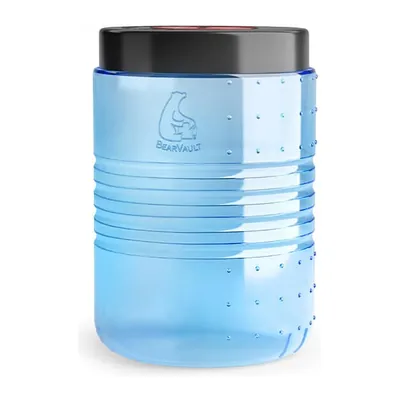
BearVault BV500 Journey Bear Canister
Hard-sided lockable canister of 700 cubic inches, sized for a week of food according to the maker, on the IGBC list of certified products. 2 lb 9 oz.
View on Amazon (opens in a new tab)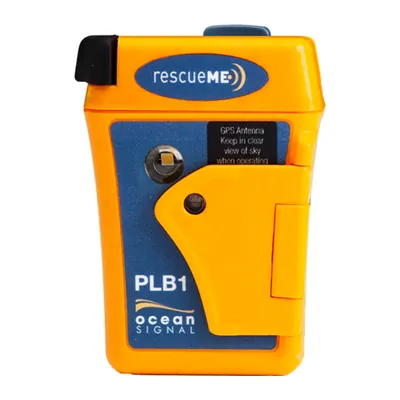
Ocean Signal rescueME PLB1
A 406 MHz personal locator beacon: the alert and GPS position go out through the Cospas-Sarsat system, with no cell service or subscription needed. In the US, it must be registered with NOAA.
View on Amazon (opens in a new tab)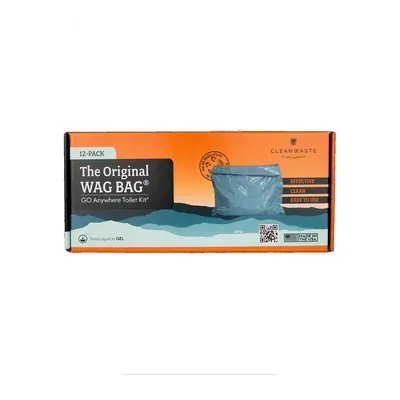
Cleanwaste The Original WAG BAG (12 ct)
Pack of 12 portable toilet kits: waste bag preloaded with gelling and deodorizing powder, zip-close disposal bag, toilet paper and a hand wipe; gels up to 32 oz. Check local disposal rules.
View on Amazon (opens in a new tab)
Worth watching
Under four minutes on reading a Crown Land Use Policy Atlas report: camping falls under “General Recreation,” not “private recreational camps,” which means camps on leased land.
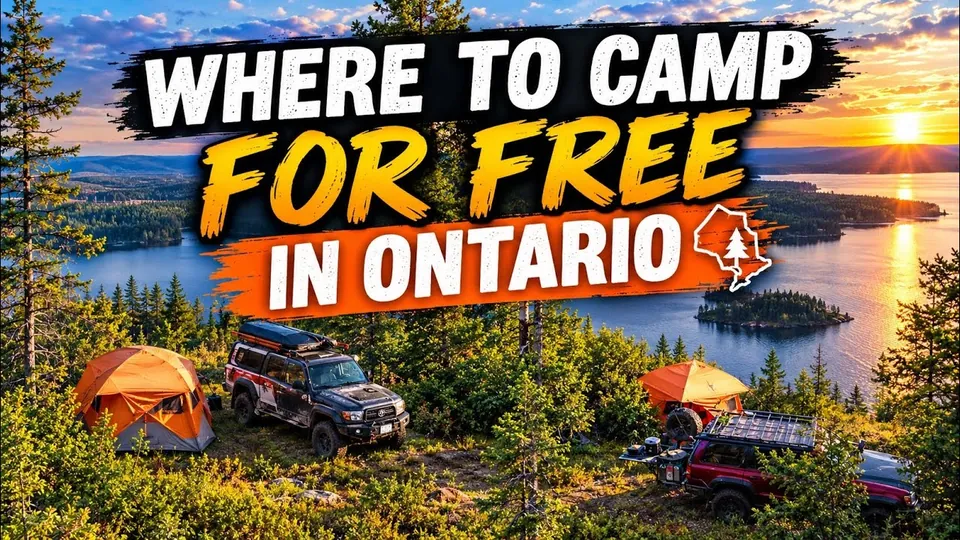
The video is hosted by YouTube (Google): nothing loads until you play it, and Google may then set cookies.
FAQ
Can Americans camp on Crown land in Canada?
Yes, in most places, with a few conditions. British Columbia’s policy says Canadians and non-Canadians are eligible to camp on Crown land, for up to 14 consecutive days. Alberta charges residents and non-residents the same rate for its camping pass on the Eastern Slopes. Ontario is the exception: north of the French and Mattawa rivers, most non-residents of Canada 18 and older need a permit, CA$10.57 per person per night.
How long can I stay in one spot on Crown land?
It depends on the province. British Columbia allows 14 consecutive days, and the count only restarts after you, your vehicle and your gear leave for 72 hours. Alberta allows 14 days, then you move at least 1 km (0.6 mi) for 72 hours. Ontario allows 21 days per site per calendar year, then 100 m (330 ft). Québec allows up to seven months in the same year.
Can I sleep in my van or RV on Crown land?
Yes, where camping is allowed. B.C.’s Forest Recreation Regulation defines camping as setting up a tent or parking a motor vehicle to remain overnight, and Ontario counts trailers and recreational vehicles as camping units. The usual limits still apply, and so do the places where you can’t camp: Ontario rules out roads, trails, parking lots and boat launches, and Québec asks you not to park on a road or a trail.
Can I have a campfire on Crown land?
Often, unless a ban is in force. In B.C., check the BC Wildfire Service orders: a ticket for breaking a ban is CA$1,150. Ontario’s Restricted Fire Zones ban campfires even in fire pits; only organized campgrounds and provincial parks may allow them, under strict conditions. Alberta permits campfires in its Public Land Use Zones, some only in designated camping areas. In Québec, check SOPFEU. And don’t bring firewood across the border.
Do I need Alberta’s camping pass in a campground?
Not if the campground charges a nightly fee. Alberta requires the Public Lands Camping Pass for random camping on public land along the Eastern Slopes, for anyone 18 or older, but not in established campgrounds where camping fees are already charged. It also doesn’t apply in provincial parks and recreation areas, in the Kananaskis Conservation Pass area, or on private, municipal or federal land.
Sources
- Province of British Columbia, Land Use Policy: Permission (file 11000-00/PERM), effective May 16, 2014, amended December 1, 2023, accessed November 16, 2026. www2.gov.bc.ca https://www2.gov.bc.ca/assets/gov/farming-natural-resources-and-industry/natural-resource-use/land-water-use/crown-land/permissions.pdf ↩
- Province of British Columbia, Recreation Sites and Trails BC, Fees, discounts and reservations, updated February 3, 2026, accessed November 16, 2026. www2.gov.bc.ca https://www2.gov.bc.ca/gov/content/sports-culture/recreation/camping-hiking/sites-trails/planning/fees ↩
- Government of Alberta, Camping on public land, accessed November 16, 2026. alberta.ca https://www.alberta.ca/camping-on-public-land ↩
- Government of Alberta, Public Lands Camping Pass, accessed November 16, 2026. alberta.ca https://www.alberta.ca/public-lands-camping-pass ↩
- Government of Ontario, Recreational activities on Crown land, updated June 3, 2024, accessed November 16, 2026. ontario.ca https://www.ontario.ca/page/recreational-activities-on-crown-land ↩
- Gouvernement du Québec, Using public land legally, updated August 28, 2026, accessed November 16, 2026. quebec.ca https://www.quebec.ca/en/tourism-recreation-sport/sporting-and-outdoor-activities/activities-permitted-public-land ↩
- British Columbia, Forest Recreation Regulation, B.C. Reg. 16/2004 (sections 1, 8, 13, 14, 21 and 22), consolidation current to November 10, 2026, BC Laws, accessed November 16, 2026. bclaws.gov.bc.ca https://www.bclaws.gov.bc.ca/civix/document/id/complete/statreg/16_2004 ↩
- Province of British Columbia, Recreation Sites and Trails BC, Know the rules for recreation sites and trails, updated July 18, 2025, accessed November 16, 2026. www2.gov.bc.ca https://www2.gov.bc.ca/gov/content/sports-culture/recreation/camping-hiking/sites-trails/planning/rules ↩
- Province of British Columbia, Resource road safety information, updated August 11, 2026, accessed November 16, 2026. www2.gov.bc.ca https://www2.gov.bc.ca/gov/content/industry/natural-resource-use/resource-roads/local-road-safety-information ↩
- Province of British Columbia, Resource road radio communications, updated May 20, 2025, accessed November 16, 2026. www2.gov.bc.ca https://www2.gov.bc.ca/gov/content/industry/natural-resource-use/resource-roads/radio-communications ↩
- Ontario, Public Lands Act, Ontario Regulation 326/94, “Crown Land Camping Permit” (sections 1 to 4 and schedule), last amended by O. Reg. 132/23, e-Laws, accessed November 16, 2026. ontario.ca https://www.ontario.ca/laws/regulation/940326 ↩
- Gouvernement du Québec, Territoires fauniques (in French), updated July 14, 2026, accessed November 16, 2026. quebec.ca https://www.quebec.ca/agriculture-environnement-et-ressources-naturelles/faune/territoires-fauniques ↩
- Canada, National Parks of Canada Camping Regulations, SOR/80-127 (sections 3 and 9.1), current to October 29, 2026, Justice Laws Website, accessed November 16, 2026. laws-lois.justice.gc.ca https://laws-lois.justice.gc.ca/eng/regulations/SOR-80-127/FullText.html ↩
- British Columbia, Park, Conservancy and Recreation Area Regulation, B.C. Reg. 180/90 (sections 38 and 39), consolidation current to November 10, 2026, BC Laws, accessed November 16, 2026. bclaws.gov.bc.ca https://www.bclaws.gov.bc.ca/civix/document/id/complete/statreg/180_90_01 ↩
- BC Wildfire Service, Province of British Columbia, Fire bans and restrictions, updated October 8, 2026, accessed November 16, 2026. www2.gov.bc.ca https://www2.gov.bc.ca/gov/content/safety/wildfire-status/prevention/fire-bans-and-restrictions ↩
- Government of Alberta, Campfires on public land, accessed November 16, 2026. alberta.ca https://www.alberta.ca/campfires-on-public-land ↩
- Government of Ontario, Outdoor fire restrictions, updated April 1, 2026, accessed November 16, 2026. ontario.ca https://www.ontario.ca/page/outdoor-fire-restrictions ↩
- SOPFEU, État de la situation (fire situation updates, in French), update of July 6, 2026, accessed November 16, 2026. sopfeu.qc.ca https://www.sopfeu.qc.ca/etat-situation/ ↩
- Canadian Food Inspection Agency, Hazards of moving firewood, modified September 22, 2026, accessed November 16, 2026. inspection.canada.ca https://inspection.canada.ca/en/plant-health/forestry/hazards-moving-firewood ↩
- Province of British Columbia, Bears (staying safe around wildlife), updated October 17, 2019, accessed November 16, 2026. www2.gov.bc.ca https://www2.gov.bc.ca/gov/content/environment/plants-animals-ecosystems/wildlife/human-wildlife-conflict/staying-safe-around-wildlife/bears ↩
- Canada Border Services Agency, Memorandum D19-13-2, Importing and exporting firearms, weapons and devices, June 25, 2026, accessed November 16, 2026. cbsa-asfc.gc.ca https://www.cbsa-asfc.gc.ca/publications/dm-md/d19/d19-13-2-eng.html ↩

Fact-checking, regulations, and safety
Arnaud Couderc reviews our contributors’ articles and writes for Outfarer about regulations, safety, fishing, the ocean, and outdoor activities. He traces every rule back to its official text and every number to its source, so you head out with solid benchmarks.


 Julien de Jurquet

 Nolwenn Bastide