 Français (France)
 English (UK)
 English (US)
 Deutsch (Deutschland)

Contents
Can you wild camp in Canada? Often, yes, on what Canadians call Land vested in the government, in the words of British Columbia’s Crown land policy; Ontario’s pages also call it public land.. But there is no national rule. Each province writes its own, the stay limits run from 14 days to seven months, and national and provincial parks follow rules of their own. We read the policies, regulations and official pages of British Columbia, Alberta, Ontario and Québec as they stood on 16 November 2026. For each province: what the text says, what it means for you, and how it differs from the next one over, with an eye on what changes for a visitor in a hired campervan or motorhome. If your trip starts south of the border, our guide to wild camping in the USA covers the American side.
The rules at a glance, province by province
| Province | Stay limit at one spot | Pass or permit | Price | Official map |
|---|---|---|---|---|
| British Columbia | 14 consecutive days; the count restarts after 72 hours away [1] | None on general Crown land; open to Canadians and non-Canadians | Free; fees at some recreation sites, cash only [2] | Integrated Land and Resource Registry for land status |
| Alberta | 14 days, then move at least 1 km for 72 hours [3] | Public Lands Camping Pass on the Eastern Slopes, ages 18 and over | CA$20 for three days or CA$30 a year, plus fees [4] | Alberta’s interactive recreation map |
| Ontario | 21 days per site per calendar year, then move at least 100 m [5] | Non-residents of Canada aged 18 and over, north of the French and Mattawa rivers, unless exempt | CA$10.57 per person per night, tax included | Crown Land Use Policy Atlas |
| Québec | Up to seven months in the same year [6] | None on open public land; ZECs and wildlife reserves charge their own fees | Free on open public land | Forêt ouverte interactive map |
Rules as read on 16 November 2026, in the texts cited. A posted sign, a local closure or a park boundary always comes first; parks are covered further down.
British Columbia: 14 days, then 72 hours away
What the text says: under BC’s Land Act, occupying or using Crown land ‘without lawful authority’ is an offence, and the province’s Permission policy is what grants that authority. Its camping rule fits in one line: ‘Any person may camp on Crown land for up to 14 consecutive calendar days.’ The days keep adding up unless you, your vehicle and your equipment leave the site for at least 72 consecutive hours. The policy adds that ‘Canadians and non-Canadians are eligible’, so a foreign passport changes nothing. In force since 16 May 2014, and last amended on 1 December 2023, it calls this use of Crown land ‘a privilege which may be limited or rescinded’ [1].
What it means for you: the permission stops at certain lines. It doesn’t apply in parks, ecological reserves and conservancies, in wildlife management areas, inside municipalities, on leased land, on land administered by the federal government, or in areas posted or closed to the activity. No permanent structures are allowed, and every scrap of rubbish leaves with you. To find out what kind of land you’re on, the policy points to the province’s Integrated Land and Resource Registry (ILRR), and to FrontCounter BC on its toll-free number, 1-877-855-3222 [1].
Recreation sites: the same 14 days, sometimes a fee
BC’s recreation sites follow their own regulation, with the same arithmetic: no camping for more than 14 consecutive days without a recreation officer’s authorisation, and the same 72-hour reset. The regulation’s definition of camping includes ‘parking a motor vehicle to remain overnight’, so a campervan on a site counts, and a vehicle with a holding tank must not empty it there [7]. Some sites charge a fee, collected by operators in cash only and varying with the services; most campsites are first come, first served, and an additional vehicle pays 50% of the daily camping fee [2]. Where a fee applies, it covers 24 hours from noon, and proof of payment goes in your windscreen [7]. The posted rules add a quiet time from 11pm to 7am, a speed limit of 20 km/h on site, and unclaimed property removed after 24 hours [8].
Resource roads: radio-assisted, not radio-controlled
Forest service roads cross Crown land all over the province, and BC is blunt about them: resource roads ‘are not built or maintained to the same standards as public highways’, and most have rough, loose gravel and are narrow, ‘often one lane wide’. Among common hazards, the province lists large industrial vehicles, high traffic volumes, passing or being passed on narrow roads, dust, wildlife, and others failing to follow traffic control procedures. The speed restrictions and insurance requirements of the Forest Service Road Use Regulations are in effect and enforced, and a road can close for safety or environmental reasons [9]. In a hired motorhome, read the contract before the first gravel road. Cruise America, for one, prohibits ‘non-public roads, unpaved back roads, trails and the like’, which it says are commonly called logging roads, and a breach voids its damage waivers [10]; CanaDream leaves its customers fully responsible for damage to tyres and undercarriage [11]. Our guide to where a hire contract stops you covers the other firms.
Radios are the other surprise. Forest service roads with industrial activity, and many other resource roads, use standard call protocols, standard signs and a dedicated bank of radio channels. Most resource roads are ‘radio assist’, though, and using a mobile radio isn’t mandatory. Two catches: under federal law, a mobile radio licence is required to operate the commercial land-mobile radios used on these roads, and where channels and call protocols are posted, drivers using radios must follow them. Either way, the province asks you not to rely on the radio alone, since not everyone has one or uses it [12]. With or without a radio, drive for the road and the weather.
Alberta: a camping pass along the Rockies
Alberta adds a pass. Anyone aged 18 or over needs a Public Lands Camping Pass to Alberta’s term for camping with no or limited services outside established campgrounds, in the frontcountry or the backcountry. on public land along the Eastern Slopes of the Rocky Mountains, from Grande Prairie to Waterton Lakes National Park, all year round; a pass is also required in the Porcupine Hills Public Land Use Zone and Willmore Wilderness Park. It costs CA$20 per person for three days or CA$30 for a year, plus a CA$3.25 processing fee and GST per transaction, and a one-time Wildlife Identification Number (WIN) at CA$8. It’s sold per person, not per vehicle, and ‘the same rate applies to residents and non-residents of Alberta’. You buy it online at AlbertaRELM, in its app, or where hunting and fishing licences are sold; officers can ask to see it, and non-compliance may result in a fine [4].
The camping rules themselves sit on another page. Random camping is allowed unless signs, notices or department publications say otherwise, but not within 1 km of a Public Land Recreation Area, a provincial park or a provincial recreation area; in four Public Land Use Zones, Kananaskis among them, and wherever it’s posted in the others, not within 1 km of a road either. The stay limit is 14 days, after which you move your camping unit at least 1 km for 72 hours. Camp at least 30 m from lakes and streams and 100 m from oil and gas facilities, take rubbish and waste home or to a dump station, and bring a portable toilet for longer or repeated needs [3].
Ontario: 21 days, and a permit for non-residents up north
Ontario gives you a week more than BC or Alberta, and adds a permit for visitors in its north. Camping is free on most of its Crown land for up to 21 days on any one site in a calendar year; after that, you move at least 100 m. Tents, trailers, recreational vehicles and camper backs all count as camping units, so a campervan or motorhome qualifies. You can’t camp on roads, trails, car parks or boat launches, and the province’s Crown Land Use Policy Atlas shows where recreation is permitted [5].
What the text says, for visitors: Ontario Regulation 326/94 bars any non-resident aged 18 or over from camping on the Crown land it covers without a Crown land camping permit and its fee, unless they are using a camping unit rented from a person who carries on business in Ontario, own property in Ontario, are working in Canada, or belong to a charitable or non-profit group camping with the local district manager’s permission. A resident is a Canadian citizen, or someone who has actually lived in Canada for at least seven of the past 12 months, so a holidaymaker from the UK or Ireland is a non-resident. The permit expires at noon on the day after the date shown on it [13].
What it means for you: the permit applies north of the French and Mattawa rivers and costs CA$10.57 per person per night, tax included. You buy it online through the Natural Resources Information Portal or at participating ServiceOntario centres and authorised licence issuers, and show it, printed or digital, if an officer asks [5]. For two adults and seven nights, that’s CA$147.98 by our count.
Québec: up to seven months on open public land
Québec runs on a different clock. Public land covers 92% of the province, and its open territories are under the direct control of the government or a delegated regional county municipality (RCM). Rough camping is permitted in many areas of public land, as long as your stay is temporary and your equipment mobile, not permanently attached to the ground. You leave ‘after a stay that cannot exceed seven months in the same year’, taking down your gear, gathering up all the rubbish and returning the site to its original condition. Don’t set up camp or park on a road, a trail, or on or near a public access to a body of water. Some RCMs have camping regulations of their own, so ask the RCM; the interactive Forêt ouverte map shows land boundaries [6].
Heading north to Yukon or Alaska? The Alaska Highway leaves British Columbia for Yukon, a territory with its own rules for camping on public land: read them on yukon.ca before you stop, and check who owns or manages the ground under your wheels. In a hired motorhome, read the contract as well: CanaDream, for one, applies a northern surcharge, and its vehicles’ GPS tracking triggers alerts when one is driven into a surcharge, prohibited or restricted area [11].
National and provincial parks: campsites and permits
Crown land rules stop at park boundaries. In Canada’s national parks, no one may camp on public land, or park a vehicle there for camping, without a valid camping permit, and a superintendent can run a reservation service for pitches on public campsites [15]. In BC’s provincial parks, you camp in the In BC’s park regulation, the part of a park within 1 km either side of the centreline of a park road or a highway. only on a pitch, unless a park officer authorises otherwise, and for no more than 14 days unless authorised or on a designated long-stay pitch [16]. In Alberta’s provincial parks and recreation areas, camping is only permitted in designated campgrounds or campsites [3], and Ontario’s Crown land rules exclude provincial parks and conservation reserves [5]. In a park, the motorhome sleeps on a campsite: check that park’s own rules and booking system before you count on a night.
Campfires: bans that change by the week
Fire rules move faster than stay limits, and each province posts them its own way. Here is where to look, and what the texts we read say about penalties.
| Province | Where bans are posted | What the text says |
|---|---|---|
| British Columbia | BC Wildfire Service, by fire centre; Category 1 covers campfires | A ticket of CA$1,150, or up to CA$100,000 and one year in prison if convicted; up to CA$1 million and three years if your fire causes a wildfire [17] |
| Alberta | Alberta’s fire bans site, linked from its public land pages | Campfires permitted in Public Land Use Zones, some only in designated camping areas [18] |
| Ontario | Restricted Fire Zones, inside the Ontario Fire Region; municipal bans on top | Up to CA$50,000 and one year in prison, plus firefighting costs [19] |
| Québec | SOPFEU’s fire danger index and restrictions | Bans and forest closures announced as conditions require [20] |
Penalties as stated on the pages cited; a court sets the actual penalty. Municipal and Indigenous governments can add their own rules.
In BC, BC Wildfire Service bans usually apply to all areas outside municipalities, on public and private land, and inside municipalities they still cover provincial parks and recreation sites [17]. On a recreation site, keep a campfire to 0.5 by 0.5 m in the ring provided, with 8 litres of water and hand tools close by, and make sure the bed is cool to the touch before you leave; report a wildfire on *5555 from a mobile phone [8]. In an Ontario Restricted Fire Zone, campfires are banned even in a fire pit, except where an organised campground or a provincial park allows them under strict conditions, while a portable gas or liquid-fuel stove with a shut-off valve stays allowed at least 1 m from natural flammable material [19]. Alberta permits campfires in its Public Land Use Zones under the Forest and Prairie Protection Act, at least 1 km from the boundary of a Public Land Recreation Area or provincial park, and asks you to burn downed, dead wood: cutting live vegetation takes a permit [18]. In Québec, SOPFEU, which handles forest fire prevention and suppression, publishes a fire danger index it asks you to check daily; on 6 July 2026, for instance, it announced a ban on entering the forest around two fires in the La Vérendrye area [20].
Bears, rubbish and holding tanks
Alberta’s rule for its public land makes a good habit anywhere: store all food, pet food and rubbish in a bear-proof container, and the province counts a vehicle as one, along with a bear-proof locker or a bear hang [3]. In BC, it’s against the law to feed dangerous wildlife, and the province’s bear page advises pepper spray, within 7 m, if a bear gets too close; that page dates from 2019, and for camping it sends you to BC Parks and Parks Canada [22]. Driving up from the US with bear spray? In its memorandum on importing weapons, Canada’s border agency says a dog or bear repellent isn’t a prohibited weapon if the label says it’s for use against animals only and the Pest Control Products Act is met [23]. Our guide to crossing the US-Canada border in a campervan covers the other checks, and our guide to animals around a wild camp covers food storage at night.
Rubbish leaves with you. BC’s recreation sites say ‘you pack it in, you pack it out’, and ask you not to empty a holding tank or dump rubbish in toilets [8]. Alberta asks you to take rubbish and waste home or to a dump station (for most visitors, the dump station), and to bring a portable toilet for longer or repeated needs [3]; Québec asks you to carry out all your rubbish [6]. The BC page also recommends Leave No Trace Canada’s seven principles [8], the same ones behind our guide to leaving no trace on a walk. For where to empty grey water and a cassette toilet, see our guide to campervan water and waste.
Before you go: what to check
- Whose land you’re on: Crown land, a park, a ZEC or wildlife reserve, private land, or land managed by an Indigenous government.
- The stay limit and how the clock restarts: 14 days in BC and Alberta, 21 per site in Ontario, seven months a year in Québec.
- A pass or permit: Alberta’s Public Lands Camping Pass on the Eastern Slopes, Ontario’s non-resident permit north of the French and Mattawa rivers, unless your hire agreement exempts you.
- The official map: the ILRR in BC, Alberta’s recreation map, Ontario’s Crown Land Use Policy Atlas, Forêt ouverte in Québec.
- Today’s fire bans: BC Wildfire Service, Alberta’s fire bans site, Ontario’s Restricted Fire Zones, SOPFEU.
- Firewood bought near camp, a bear-proof place for food, and a plan for rubbish and tanks.
- If you fly in: visa-exempt travellers need an eTA, Canada’s electronic travel authorisation, at CA$7, to fly to Canada, but not to arrive by car [24].
A stay limit is easy to read and easy to overrun by a day: count from your first night, and note the date of every page you rely on, this one included. A fire ban posted in July can be lifted by September, and the next one can come within a week. To fit all this into the rest of your trip, our campervan trip planner takes it step by step, and where to sleep in a campervan in the USA covers the nights south of the border. The check before you go fits in four words: province, land, clock, fire.
Kit related to this article
No affiliation: no commission, no sponsored products.
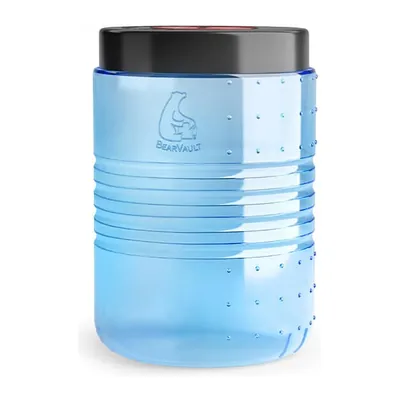
BearVault BV500 Journey bear canister
Hard-sided lockable canister of 11.5 L, sized for a week of food according to the maker, on the IGBC list of certified products. 1.16 kg.
View on Amazon (opens in a new tab)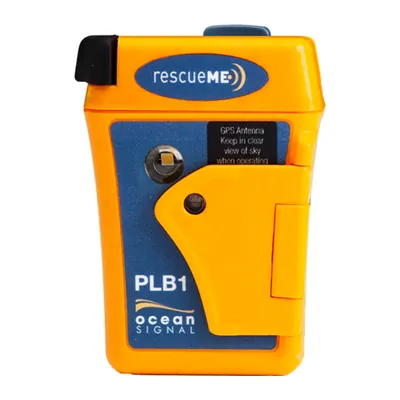
Ocean Signal rescueME PLB1
A 406 MHz personal locator beacon: the alert and GPS position go out through the Cospas-Sarsat system, with no signal or subscription needed. It must be coded and registered for your country.
View on Amazon (opens in a new tab)
Worth watching
Under four minutes on reading a Crown Land Use Policy Atlas report: camping comes under ‘General Recreation’, not ‘private recreational camps’, which means camps on leased land.
The video is hosted by YouTube (Google): nothing loads until you play it, and Google may then set cookies.
FAQs
Can foreign visitors camp on Crown land in Canada?
Yes, in most places, with a few conditions. British Columbia’s policy says Canadians and non-Canadians are eligible to camp on Crown land, for up to 14 consecutive days. Alberta charges residents and non-residents the same rate for its camping pass on the Eastern Slopes. Ontario is the exception: north of the French and Mattawa rivers, most non-residents of Canada aged 18 and over need a permit, CA$10.57 per person per night, and green zones are closed to them.
How long can I stay in one spot on Crown land?
It depends on the province. British Columbia allows 14 consecutive days, and the count only restarts after you, your vehicle and your gear leave for 72 hours. Alberta allows 14 days, then you move at least 1 km for 72 hours. Ontario allows 21 days per site per calendar year, then 100 m. Québec allows up to seven months in the same year.
Do I need Ontario’s permit in a hired motorhome?
Not if you hired it from a business in Ontario. Regulation 326/94 exempts non-residents using a camping unit rented from a person who carries on business in Ontario. Keep the rental agreement to hand: an officer can ask to see it, and you must leave Crown land when it expires. For a vehicle hired elsewhere, the text says nothing more, so ask the hire firm. Green zones stay closed to non-residents.
Can I sleep in a campervan or motorhome on Crown land?
Yes, where camping is allowed. BC’s Forest Recreation Regulation defines camping as setting up a tent or parking a motor vehicle to remain overnight, and Ontario counts trailers and recreational vehicles as camping units. The usual limits still apply, and so do the places where you can’t camp: Ontario rules out roads, trails, car parks and boat launches, and Québec asks you not to park on a road or a trail.
Can I have a campfire on Crown land?
Often, unless a ban is in force. In BC, check the BC Wildfire Service orders: a ticket for breaking a ban is CA$1,150. Ontario’s Restricted Fire Zones ban campfires even in fire pits, except where an organised campground or provincial park allows them under strict conditions. Alberta permits campfires in its Public Land Use Zones, some only in designated camping areas. In Québec, check SOPFEU. And don’t bring firewood across the border.
Do I need Alberta’s camping pass on a campsite?
Not if the campsite charges a nightly fee. Alberta requires the Public Lands Camping Pass for random camping on public land along the Eastern Slopes, for anyone aged 18 or over, but not in established campgrounds where camping fees are already charged. It also doesn’t apply in provincial parks and recreation areas, in the Kananaskis Conservation Pass area, or on private, municipal or federal land.
Sources
- Province of British Columbia, Land Use Policy: Permission (file 11000-00/PERM), effective 16 May 2014, amended 1 December 2023, accessed 16 November 2026. www2.gov.bc.ca https://www2.gov.bc.ca/assets/gov/farming-natural-resources-and-industry/natural-resource-use/land-water-use/crown-land/permissions.pdf ↩
- Province of British Columbia, Recreation Sites and Trails BC, Fees, discounts and reservations, updated 3 February 2026, accessed 16 November 2026. www2.gov.bc.ca https://www2.gov.bc.ca/gov/content/sports-culture/recreation/camping-hiking/sites-trails/planning/fees ↩
- Government of Alberta, Camping on public land, accessed 16 November 2026. alberta.ca https://www.alberta.ca/camping-on-public-land ↩
- Government of Alberta, Public Lands Camping Pass, accessed 16 November 2026. alberta.ca https://www.alberta.ca/public-lands-camping-pass ↩
- Government of Ontario, Recreational activities on Crown land, updated 3 June 2024, accessed 16 November 2026. ontario.ca https://www.ontario.ca/page/recreational-activities-on-crown-land ↩
- Gouvernement du Québec, Using public land legally, updated 28 August 2026, accessed 16 November 2026. quebec.ca https://www.quebec.ca/en/tourism-recreation-sport/sporting-and-outdoor-activities/activities-permitted-public-land ↩
- British Columbia, Forest Recreation Regulation, B.C. Reg. 16/2004 (sections 1, 8, 13, 14, 21 and 22), consolidation current to 10 November 2026, BC Laws, accessed 16 November 2026. bclaws.gov.bc.ca https://www.bclaws.gov.bc.ca/civix/document/id/complete/statreg/16_2004 ↩
- Province of British Columbia, Recreation Sites and Trails BC, Know the rules for recreation sites and trails, updated 18 July 2025, accessed 16 November 2026. www2.gov.bc.ca https://www2.gov.bc.ca/gov/content/sports-culture/recreation/camping-hiking/sites-trails/planning/rules ↩
- Province of British Columbia, Resource road safety information, updated 11 August 2026, accessed 16 November 2026. www2.gov.bc.ca https://www2.gov.bc.ca/gov/content/industry/natural-resource-use/resource-roads/local-road-safety-information ↩
- Cruise America, RV Rental FAQs (‘Are there any places we cannot take the motorhome?’), accessed 16 November 2026. cruiseamerica.com https://www.cruiseamerica.com/rv-rentals/renters-resources/rv-rental-faqs ↩
- CanaDream, General FAQs (repairs, Northern Surcharge areas), accessed 16 November 2026. canadream.com https://www.canadream.com/faqs/general-faqs/ ↩
- Province of British Columbia, Resource road radio communications, updated 20 May 2025, accessed 16 November 2026. www2.gov.bc.ca https://www2.gov.bc.ca/gov/content/industry/natural-resource-use/resource-roads/radio-communications ↩
- Ontario, Public Lands Act, Ontario Regulation 326/94, ‘Crown Land Camping Permit’ (sections 1 to 4 and schedule), last amended by O. Reg. 132/23, e-Laws, accessed 16 November 2026. ontario.ca https://www.ontario.ca/laws/regulation/940326 ↩
- Gouvernement du Québec, Territoires fauniques (in French), updated 14 July 2026, accessed 16 November 2026. quebec.ca https://www.quebec.ca/agriculture-environnement-et-ressources-naturelles/faune/territoires-fauniques ↩
- Canada, National Parks of Canada Camping Regulations, SOR/80-127 (sections 3 and 9.1), current to 29 October 2026, Justice Laws Website, accessed 16 November 2026. laws-lois.justice.gc.ca https://laws-lois.justice.gc.ca/eng/regulations/SOR-80-127/FullText.html ↩
- British Columbia, Park, Conservancy and Recreation Area Regulation, B.C. Reg. 180/90 (sections 1, 38 and 39), consolidation current to 10 November 2026, BC Laws, accessed 16 November 2026. bclaws.gov.bc.ca https://www.bclaws.gov.bc.ca/civix/document/id/complete/statreg/180_90_01 ↩
- BC Wildfire Service, Province of British Columbia, Fire bans and restrictions, updated 8 October 2026, accessed 16 November 2026. www2.gov.bc.ca https://www2.gov.bc.ca/gov/content/safety/wildfire-status/prevention/fire-bans-and-restrictions ↩
- Government of Alberta, Campfires on public land, accessed 16 November 2026. alberta.ca https://www.alberta.ca/campfires-on-public-land ↩
- Government of Ontario, Outdoor fire restrictions, updated 1 April 2026, accessed 16 November 2026. ontario.ca https://www.ontario.ca/page/outdoor-fire-restrictions ↩
- SOPFEU, État de la situation (fire situation updates, in French), update of 6 July 2026, accessed 16 November 2026. sopfeu.qc.ca https://www.sopfeu.qc.ca/etat-situation/ ↩
- Canadian Food Inspection Agency, Hazards of moving firewood, modified 22 September 2026, accessed 16 November 2026. inspection.canada.ca https://inspection.canada.ca/en/plant-health/forestry/hazards-moving-firewood ↩
- Province of British Columbia, Bears (staying safe around wildlife), updated 17 October 2019, accessed 16 November 2026. www2.gov.bc.ca https://www2.gov.bc.ca/gov/content/environment/plants-animals-ecosystems/wildlife/human-wildlife-conflict/staying-safe-around-wildlife/bears ↩
- Canada Border Services Agency, Memorandum D19-13-2, Importing and exporting firearms, weapons and devices, 25 June 2026, accessed 16 November 2026. cbsa-asfc.gc.ca https://www.cbsa-asfc.gc.ca/publications/dm-md/d19/d19-13-2-eng.html ↩
- Immigration, Refugees and Citizenship Canada, Find out about electronic travel authorization (eTA), modified 23 April 2024, accessed 16 November 2026. canada.ca https://www.canada.ca/en/immigration-refugees-citizenship/services/visit-canada/eta/facts.html ↩

Fact-checking, regulations and safety
Arnaud Couderc reviews our contributors’ articles and writes for Outfarer about regulations, safety, fishing, the sea and outdoor pursuits. He traces every rule back to its official text and every figure to its source, so that you set off with sound benchmarks.


 Julien de Jurquet

 Nolwenn Bastide