 Français (France)
 English (UK)
 English (US)
 Deutsch (Deutschland)

Contents
Does every park want a permit, and how do you get one?
In Yosemite, a wilderness permit is required year-round for backpacking, overnight climbing or any other overnight stay in the wilderness, and each trailhead has a daily quota. Reservations are required from late April through October: 60 percent of each quota is released by lottery 24 weeks ahead, the other 40 percent seven days ahead [1]. The reservation fee is $10 per application, plus $5 per person if you receive a permit; both are nonrefundable [2]. The park publishes the application window for each start date [3]. From late October to mid-April, permits are issued in person the day before or the day you start [1].
Grand Canyon asks for a backcountry permit for any camping outside the developed campgrounds on the rims. It costs $10 per permit or lottery application, plus $15 per person per night below the rim and $4 above it; the park entrance fee is separate. Reservations start with an early-access lottery on Recreation.gov: you apply during a two-week window that ends on the 1st of the month, four months before your start month (January 1 for a May start). Up to 750 applicants win a slot to book first; on the 1st of the following month everyone can reserve what is left, and cancellations can be booked up to five days ahead [4].
Rocky Mountain issues a printed paper permit and a vehicle dashtag, both picked up in person at a Wilderness Office open 7 a.m. to 3:30 p.m. daily; camping is only at designated sites, with no dispersed camping [5]. Summer reservations (May 1 to October 31) opened online at Recreation.gov on March 1, 2026, at 8 a.m. mountain time, for a $36 nonrefundable administrative fee per reservation, with no phone, mail or in-person bookings [6]. In winter the fee is $10 per permit, permits are first come, first served in person, and advance reservations are not accepted [5]. The pages we read do not give the 2027 opening date.
Glacier requires a wilderness use permit for all overnight camping, either reserved online or picked up first come, first served at a backcountry ranger station [7]. About 70 percent of campsites can be reserved ahead, within a limit of 16 miles of hiking per day; about 30 percent of the sites in each campground are held for walk-up permits issued the day before or the day of the start [8]. Early-access lotteries open the reservations: for groups of 9 to 12, the 2026 lottery ran on March 1 with a $10 nonrefundable application fee, and only five large-group reservations are issued per year [7]. From May 1 to October 31, the cost is a $10 permit fee plus $7 per person per night [8].
At Mount Rainier, a permit is required year-round for every overnight stay in the backcountry. Peak-season (June through September) advance reservations are optional and go through Recreation.gov, and permits must be obtained in person at a wilderness information center or visitor center [9]. In 2026 the fee is $12 per person per night, free for anyone 15 or younger, plus a $6 Recreation.gov application fee per trip. The first chance to apply is an early-access lottery in February, with reservations opening in March and April [10].
In Great Smoky Mountains, all new backcountry permits have been issued through Recreation.gov since April 30. The fee is $8 per person per night plus a $6 nonrefundable fee per permit, and the old $40 cap on the total permit cost is gone [11].
| Park | Permit | How to reserve | Fees |
|---|---|---|---|
| Yosemite | Year-round, trailhead quota | Lottery 24 weeks ahead, rest 7 days ahead (late April to October) | $10 application, $5 per person |
| Grand Canyon | Outside the rim campgrounds | Early-access lottery, then open booking 3 months ahead | $10 permit, $15 or $4 per person per night |
| Rocky Mountain | Printed permit, picked up in person | Recreation.gov, opened March 1, 2026 for May to October | $36 per reservation in summer, $10 in winter |
| Glacier | All overnight camping | About 70% of sites online, about 30% walk-up | $10 permit, $7 per person per night |
| Mount Rainier | Year-round, in person | Recreation.gov, optional June to September | $12 per person per night, plus $6 per trip |
| Great Smoky Mountains | Backcountry camping | Recreation.gov since April 30 | $8 per person per night, plus $6 per permit |
Sources: the park pages cited above, dated in the source list. Park entrance fees come on top of every fee shown. Rules and prices change by season: reopen the page before you book.
Food storage: a canister here, a cable there
In Yosemite, all food, drinks, trash, toiletries and other scented items must be in an allowed bear-resistant container or a food locker, and hanging food is illegal. Keep the container closed and locked, on the ground 25 to 50 feet (8 to 15 m) from your campsite, away from cliffs and water. Food lockers exist only at designated sites in Little Yosemite Valley and next to the High Sierra Camps, and they may be full [12]. The park rents one model, the Garcia Backpackers’ Cache 812, at the Valley Welcome Center [1]. The bear page was last updated in 2018: check the list of allowed containers before you buy.
Grand Canyon is a different problem: rock squirrels, deer mice and ravens. The park asks for an animal-proof container, and advises against hanging food, which ringtails, mice and ravens can still reach and which can damage trees [13]. At Mount Rainier, trailside camps have food storage poles for hanging food and garbage, and the park says a bear-proof canister is highly recommended in some sub-alpine areas without tall trees [14]. In the Smokies, all odorous items, lip balm and toothpaste included, must be hung on the bear cable system at each campsite or shelter [11].
Rocky Mountain and Glacier are the strictest. Rocky Mountain requires a self-provided, hard-sided, lockable, commercially made bear-resistant canister for every wilderness overnight; you must bring it to the Wilderness Office to get your permit, and keep it 200 feet (60 m) from your campsite when you are not using it [5]. Glacier requires food, cookware and garbage to be in an Interagency Grizzly Bear Committee (IGBC) approved bear-resistant container, secured at least 100 feet (30 m) from camp at all times except when eating, and rangers ask to see the device before issuing certain permits [8]. The committee’s list covers nearly 500 products from more than 100 manufacturers [15].
What to verify before you book
Open the wilderness page of the park you picked, read its last-updated date, and check three things: the reservation window for your start date, the exact fee, and the food storage rule. Then book on Recreation.gov, and carry the permit the way the park asks: Rocky Mountain requires the printed copy [5], Grand Canyon requires the printed permit on you and attached to your pack or tent once camp is set [4].
Gear related to this article
No affiliation: no commission, no sponsored products.
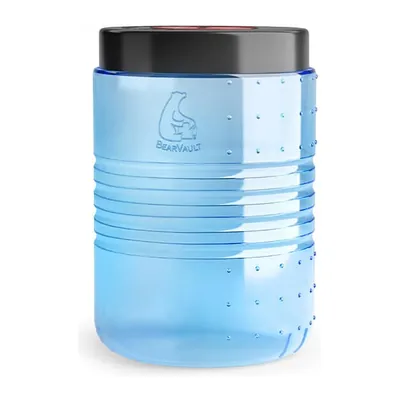
BearVault BV500 Journey Bear Canister
Hard-sided lockable canister of 700 cubic inches, sized for a week of food according to the maker, on the IGBC list of certified products. 2 lb 9 oz.
View on Amazon (opens in a new tab)
Worth watching
In about a minute, Leave No Trace explains what a bear canister keeps out of reach, food, trash and anything with a smell, and why that limits food conditioning of wildlife.
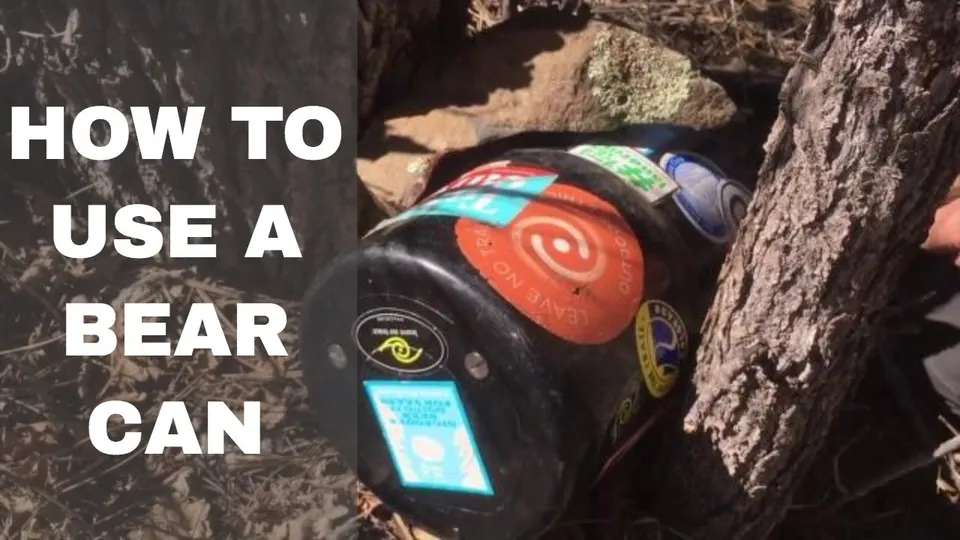
The video is hosted by YouTube (Google): nothing loads until you play it, and Google may then set cookies.
FAQ
Do I need a permit for backcountry camping in every national park?
In the six parks covered here, yes: Yosemite, Grand Canyon, Rocky Mountain, Glacier, Mount Rainier and Great Smoky Mountains each require a permit for overnight stays outside developed campgrounds. Quotas, fees and booking windows differ, so read the page of the park you plan to visit.
Can I reserve every permit on Recreation.gov?
Mostly, with a different mix at each park. Yosemite, Grand Canyon, Rocky Mountain and the Smokies use Recreation.gov; Glacier reserves about 70 percent of sites there; Mount Rainier offers optional peak-season bookings. Walk-up permits, in person, cover the rest, and winter permits at Rocky Mountain are in person only.
Is a bear canister required in every park?
No. Rocky Mountain requires a hard-sided canister and Glacier an IGBC-approved container. Yosemite requires a container or locker and bans hanging food. Mount Rainier and the Smokies provide poles or cables at camps, and Grand Canyon asks for an animal-proof container because of squirrels, mice and ravens.
Can I rent a bear canister in the parks?
Yosemite rents one model, the Garcia Backpackers’ Cache 812, at the Valley Welcome Center. Rocky Mountain requires you to bring your own canister, since the park does not supply them. For the other parks, the pages we read do not say, so ask the park before you travel.
Do I still pay the park entrance fee with a backcountry permit?
Yes. Rocky Mountain, Mount Rainier and Grand Canyon state that the park entrance fee is charged in addition to the permit. Visitors from abroad should also check what the nonresident fee adds at the gate, covered in our guide to national park fees.
Sources
- Yosemite National Park, Wilderness Permits, National Park Service, updated December 31, 2025, accessed October 31, 2026. nps.gov https://www.nps.gov/yose/planyourvisit/wildpermits.htm ↩
- Yosemite National Park, Wilderness Permits Frequently Asked Questions, updated August 12, 2025, accessed October 31, 2026. nps.gov https://www.nps.gov/yose/planyourvisit/wildfaq.htm ↩
- Yosemite National Park, Wilderness Permits Reservation Window, updated October 23, 2026, accessed October 31, 2026. nps.gov https://www.nps.gov/yose/planyourvisit/wildpermitdates.htm ↩
- Grand Canyon National Park, Backcountry Permit, updated September 8, 2026, accessed October 31, 2026. nps.gov https://www.nps.gov/grca/planyourvisit/backcountry-permit.htm ↩
- Rocky Mountain National Park, Wilderness Overnight Backpacking, updated August 28, 2026, accessed October 31, 2026. nps.gov https://www.nps.gov/romo/planyourvisit/wilderness-overnight-backpacking.htm ↩
- Rocky Mountain National Park, Frequently Asked Questions for Wilderness Camping, updated June 27, 2026, accessed October 31, 2026. nps.gov https://www.nps.gov/romo/planyourvisit/frequently-asked-questions-for-wilderness-camping.htm ↩
- Glacier National Park, Wilderness Camping Advance Reservations, updated February 23, 2026, accessed October 31, 2026. nps.gov https://www.nps.gov/glac/planyourvisit/backcountry-reservations.htm ↩
- Glacier National Park, How Do I Get a Wilderness Permit?, updated June 4, 2026, accessed October 31, 2026. nps.gov https://www.nps.gov/glac/planyourvisit/how-to-wilderness-permit.htm ↩
- Mount Rainier National Park, Wilderness Permits, updated October 23, 2026, accessed October 31, 2026. nps.gov https://www.nps.gov/mora/planyourvisit/wilderness-permit.htm ↩
- Mount Rainier National Park, Wilderness Permit Frequently Asked Questions, updated December 31, 2025, accessed October 31, 2026. nps.gov https://www.nps.gov/mora/planyourvisit/wilderness-permit-faqs.htm ↩
- Great Smoky Mountains National Park, Backcountry Camping - Backpacking, updated April 30, 2026, accessed October 31, 2026. nps.gov https://www.nps.gov/grsm/planyourvisit/backcountry-camping.htm ↩
- Yosemite National Park, Bears & Food Storage While Backpacking, updated May 15, 2018, accessed October 31, 2026. nps.gov https://www.nps.gov/yose/planyourvisit/bearcanisters.htm ↩
- Grand Canyon National Park, Backcountry Food Storage, updated June 25, 2026, accessed October 31, 2026. nps.gov https://www.nps.gov/grca/planyourvisit/bc-food-storage.htm ↩
- Mount Rainier National Park, Wilderness Guidelines and Regulations, updated December 13, 2024, accessed October 31, 2026. nps.gov https://www.nps.gov/mora/planyourvisit/wilderness-guidelines-and-regulations.htm ↩
- Interagency Grizzly Bear Committee, Bear Resistant Products, accessed October 31, 2026. igbconline.org https://igbconline.org/bear-resistant-products/ ↩

Fact-checking, regulations, and safety
Arnaud Couderc reviews our contributors’ articles and writes for Outfarer about regulations, safety, fishing, the ocean, and outdoor activities. He traces every rule back to its official text and every number to its source, so you head out with solid benchmarks.

 Nolwenn Bastide

 Julien de Jurquet

 Guillaume Hoarau