 Français (France)
 English (UK)
 English (US)
 Deutsch (Deutschland)

Contents
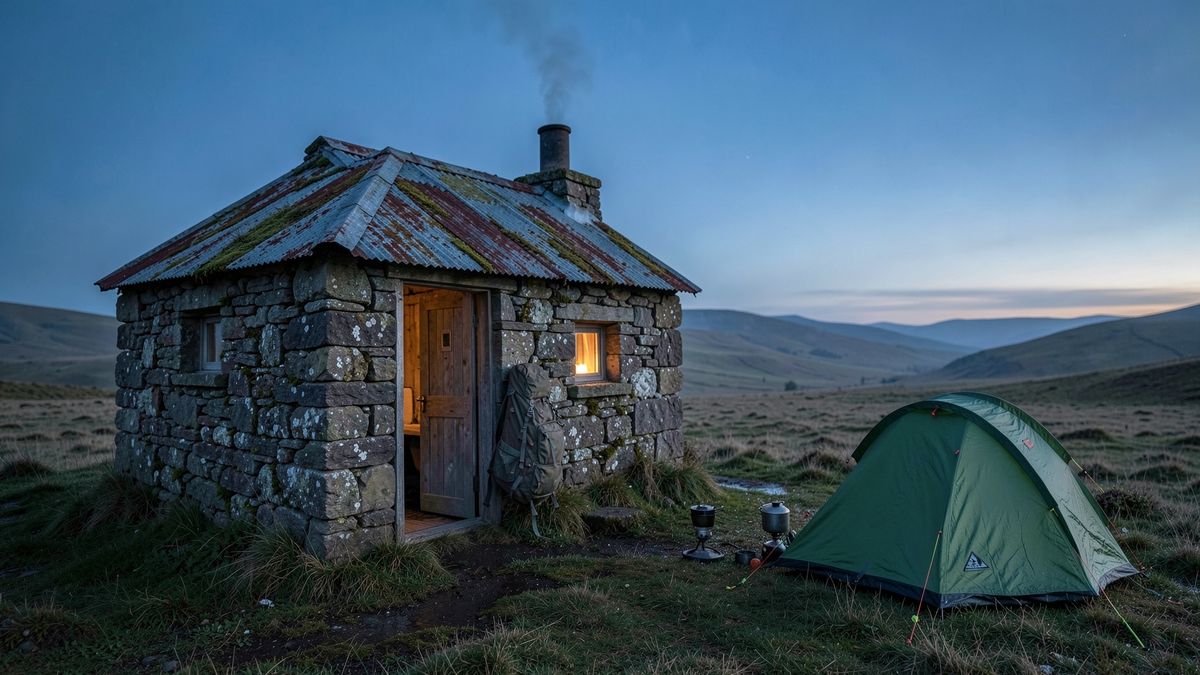
The sun slips behind the ridge, water starts to simmer on the stove, and somewhere at the bottom of your pack a headlamp is waiting for its moment: a first night in the backcountry is mostly won before you leave home. None of it is complicated. You just need to answer a few questions in the right order, without skipping any: am I allowed to camp here, how do I stay dry and warm, what do I drink and eat, what do I do with my food, where do I pitch the tent, and how do I leave no trace? This guide takes them one at a time, from picking a spot to the morning you hike out, and each step points to our detailed guides.
Its advice comes from official recommendations, mainly the National Park Service’s [1], the parks’ own rules, and Leave No Trace, and from our own guides, each with its own sources. It covers a night in a tent or under a tarp, on a backpacking trip. And you won’t be the only beginner out there: in a survey of 319 people camping in France’s Écrins National Park in summer 2025, one in four was on their very first bivouac [2].
| When | What to do |
|---|---|
| Weeks or months ahead | Pick the park or area, check the rules, reserve a backcountry permit if one is required, set up the tent and test the pad at home |
| A few days out | Follow the forecast, plan your meals, find water sources on the map, get a bear canister if the park requires one |
| The night before | Check the forecast, pack using the checklist, leave a trip plan with someone you trust |
| At camp, before dark | Arrive with time to spare, choose your site, set up camp, cook and store food away from the tent |
| In the morning | Pack up early, leave nothing behind, check over your site |
| Back home | Let your contact know you’re back, check for ticks, dry out the tent |
Based on the National Park Service’s recommendations and on our guides. [1, 3]
1Know the rules where you camp
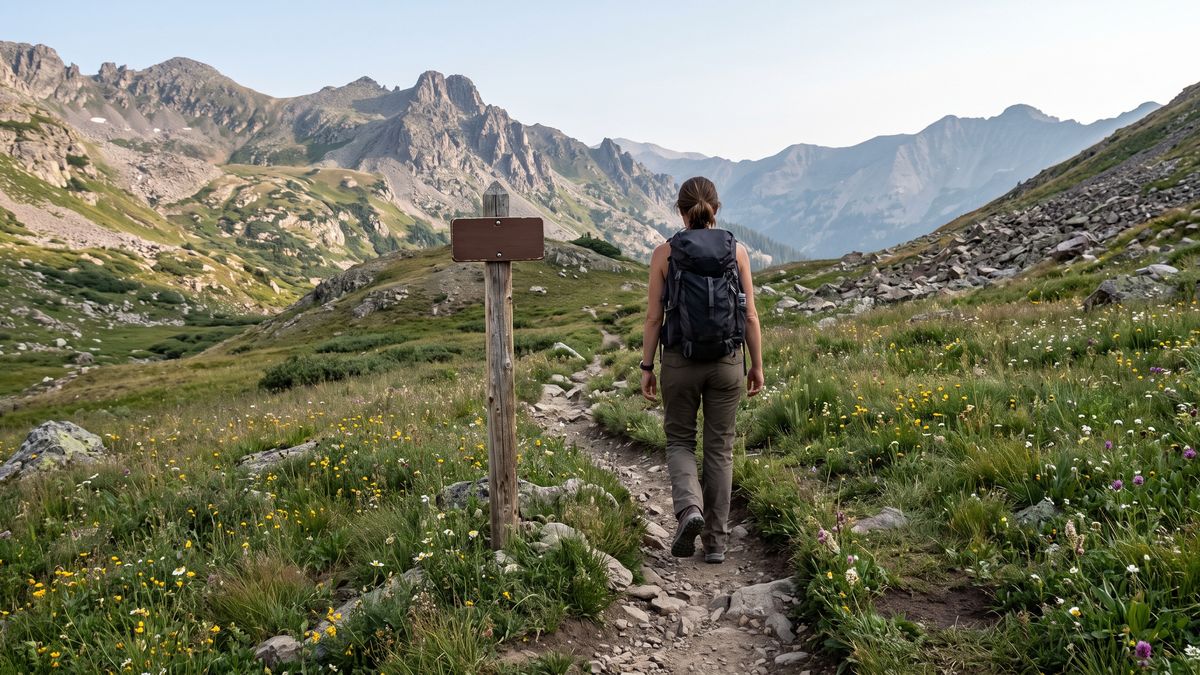
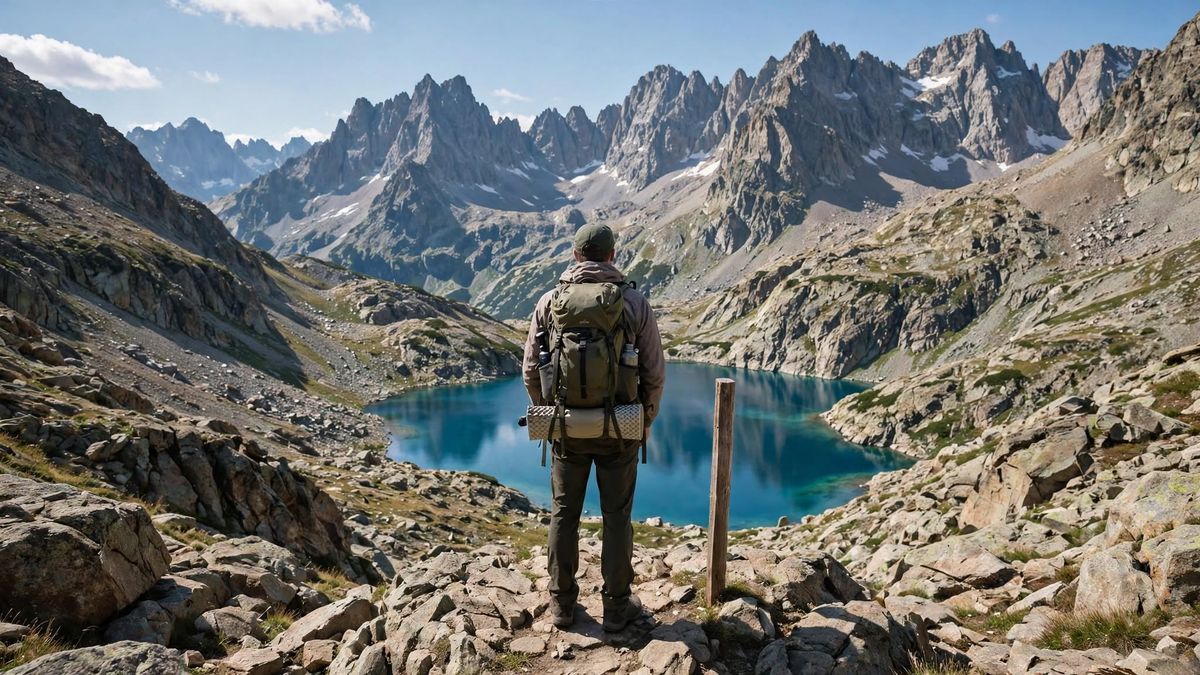
For a first night, keep it simple: a short hike in, an area you already know by day, a summer night with a calm forecast, and a bail-out option nearby, like your car or a developed campground, if things go sideways. A night at a campground makes a fine dress rehearsal, too: better to meet your tent’s instructions at a picnic table than by headlamp. And bring company if you can: accidents happen even to experienced backcountry travelers, so the Park Service’s best practice is to travel with others [1].
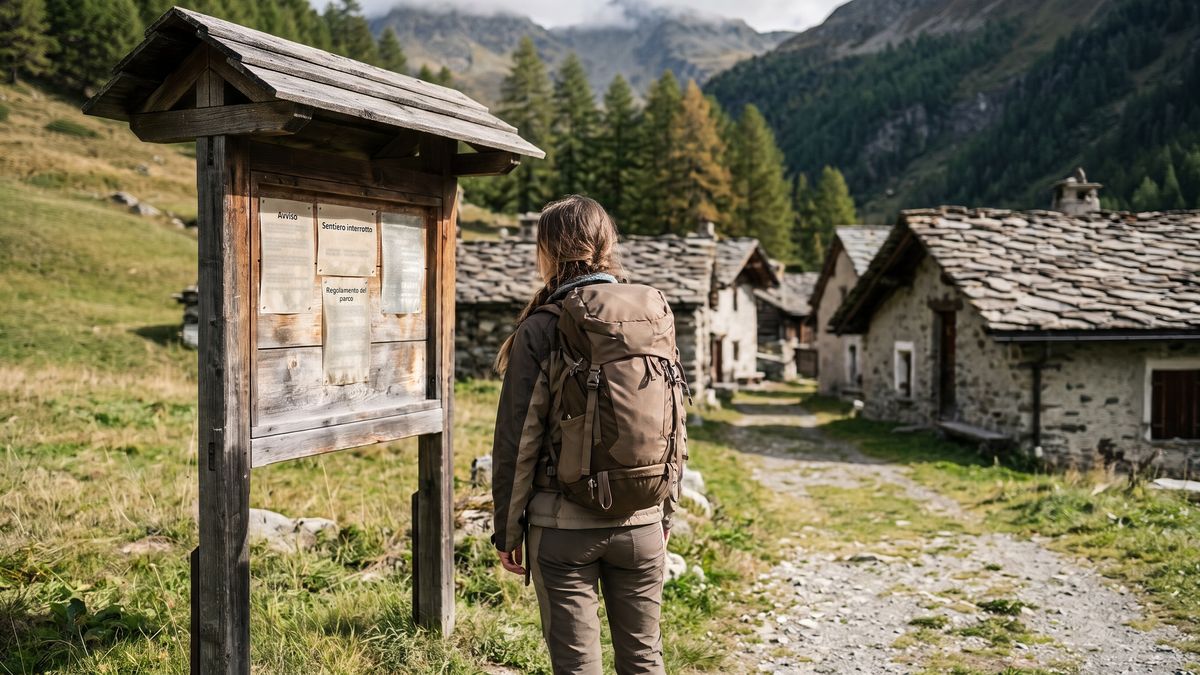
Then the big question: are you allowed to camp there, and do you need a permit? The Park Service asks you to check ahead of time about any permits and park regulations [1]. Many parks require a backcountry permit, often reserved through Recreation.gov, the federal reservation site, and it’s usually a tag you display on your pack while hiking and on your tent at camp [3]. Three examples, as of October 2026. At Shenandoah, in Virginia, a permit costs $9 per person plus a $6 reservation fee, or $24 for two, booked up to 90 days ahead or on the day itself [4]. At Yosemite, wilderness permits are required all year, and reservations open by lottery 24 weeks ahead, for a $10 application fee plus $5 per person [5]. At Rocky Mountain, the fee is $36 per trip from May 1 through October 31, reserved online through Recreation.gov [6]. Entrance fees come on top: our guide to national park reservations and fees has the details.
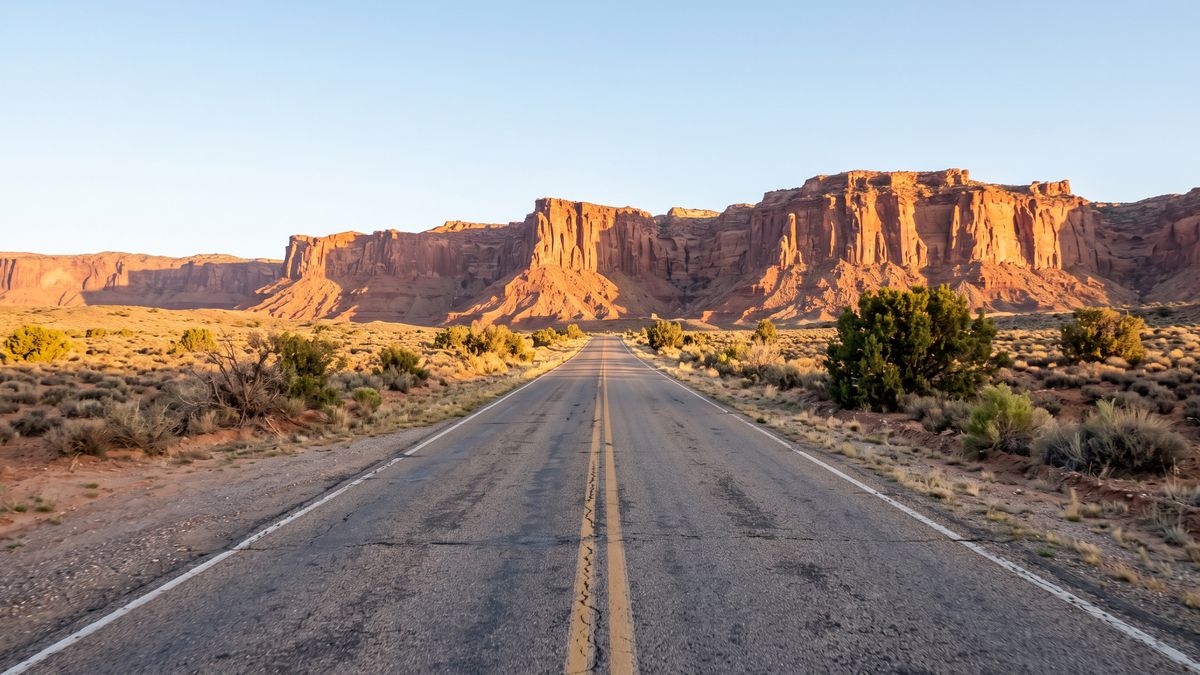
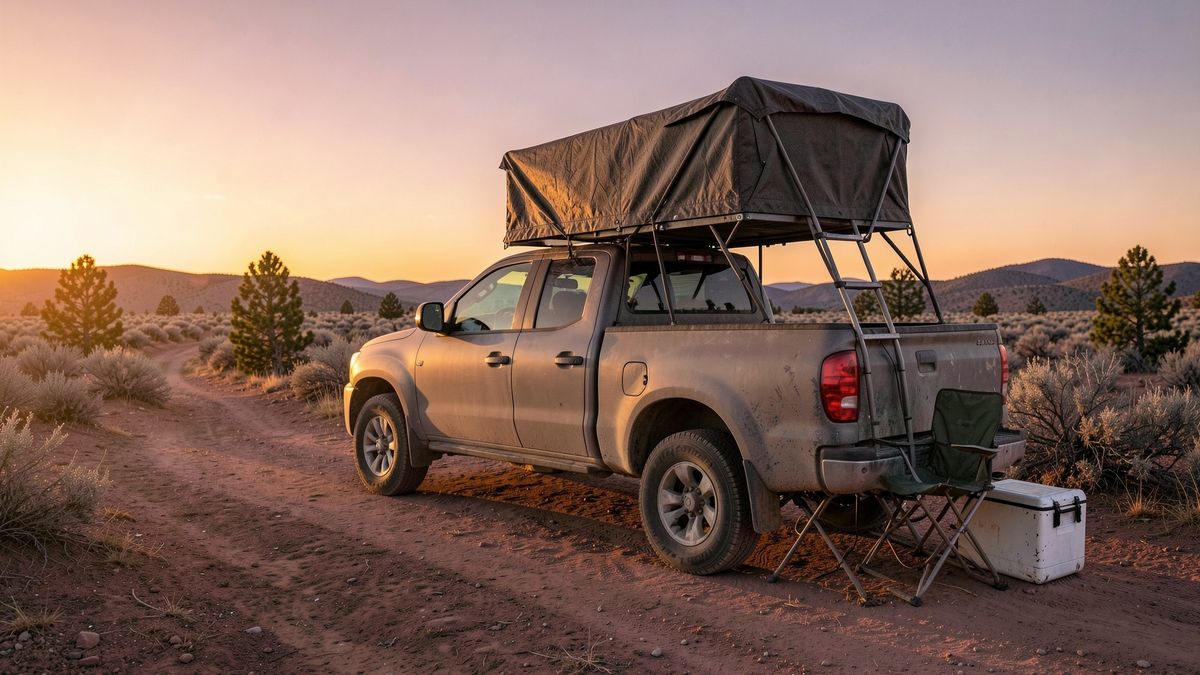
Camping in Europe? The rules change at every border, sometimes within a country. In France, it depends on the landowner, the town, and protected areas, as our guide to backcountry camping in France explains, and each of France’s national parks sets its own hours. Scotland’s access rights include lightweight camping, while England and Wales require the landowner’s permission; Germany and Switzerland leave it to each state or canton. Our country guides below cover each case.
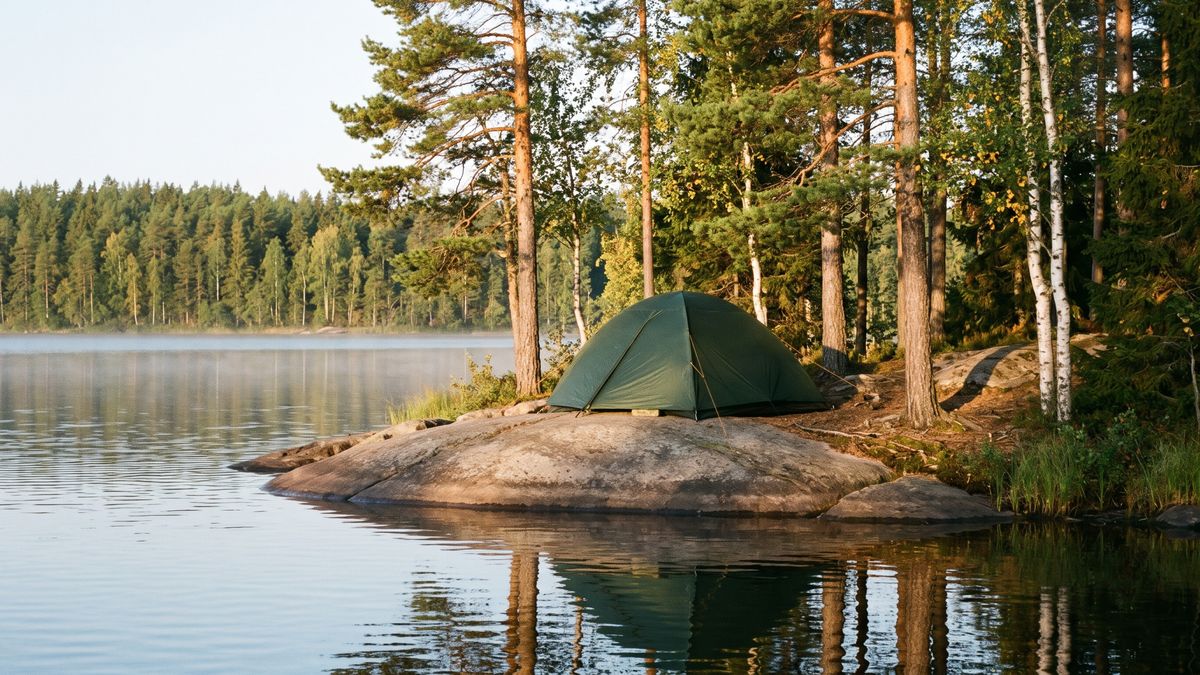
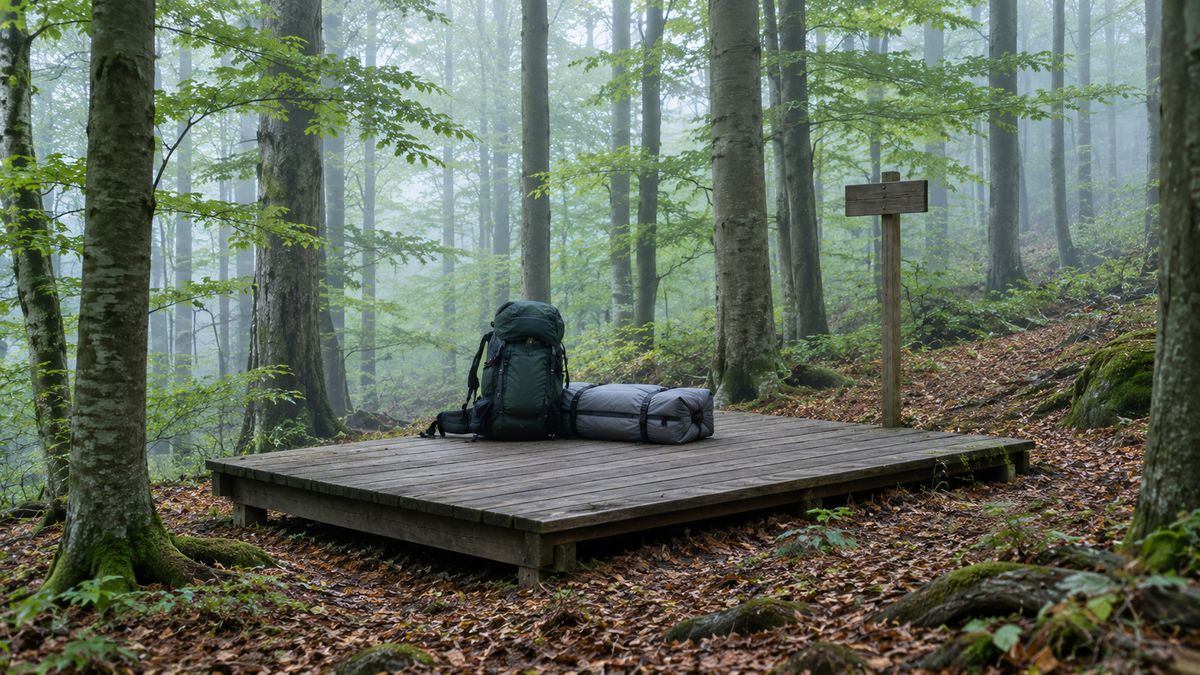
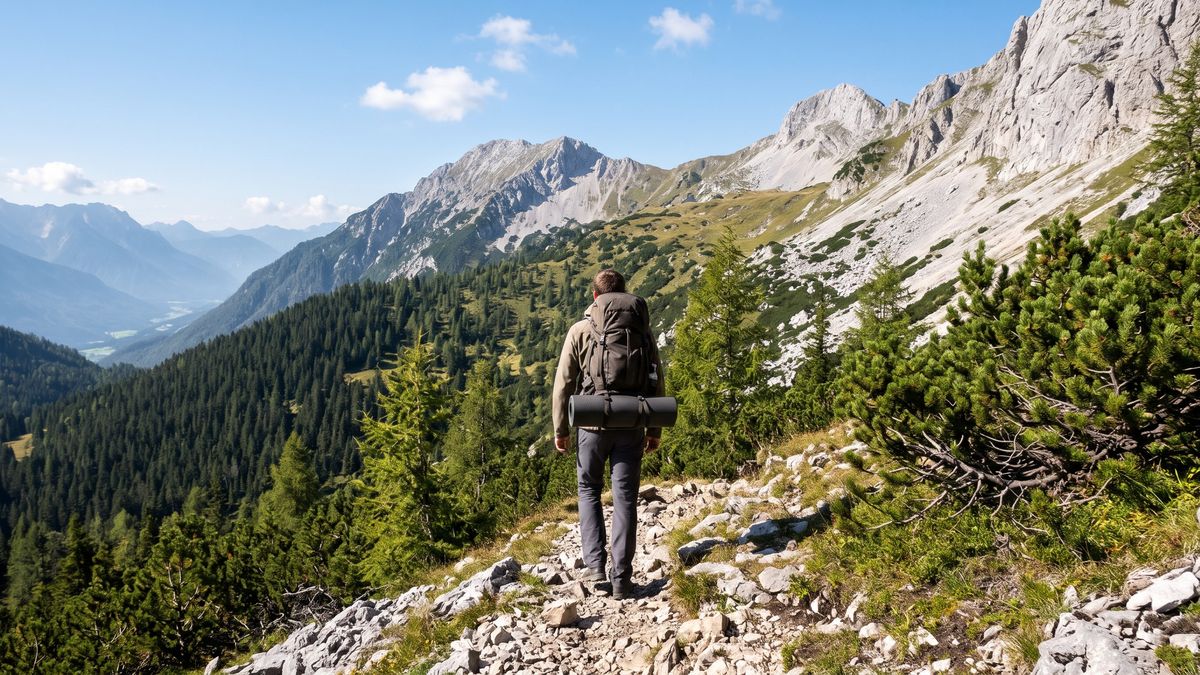
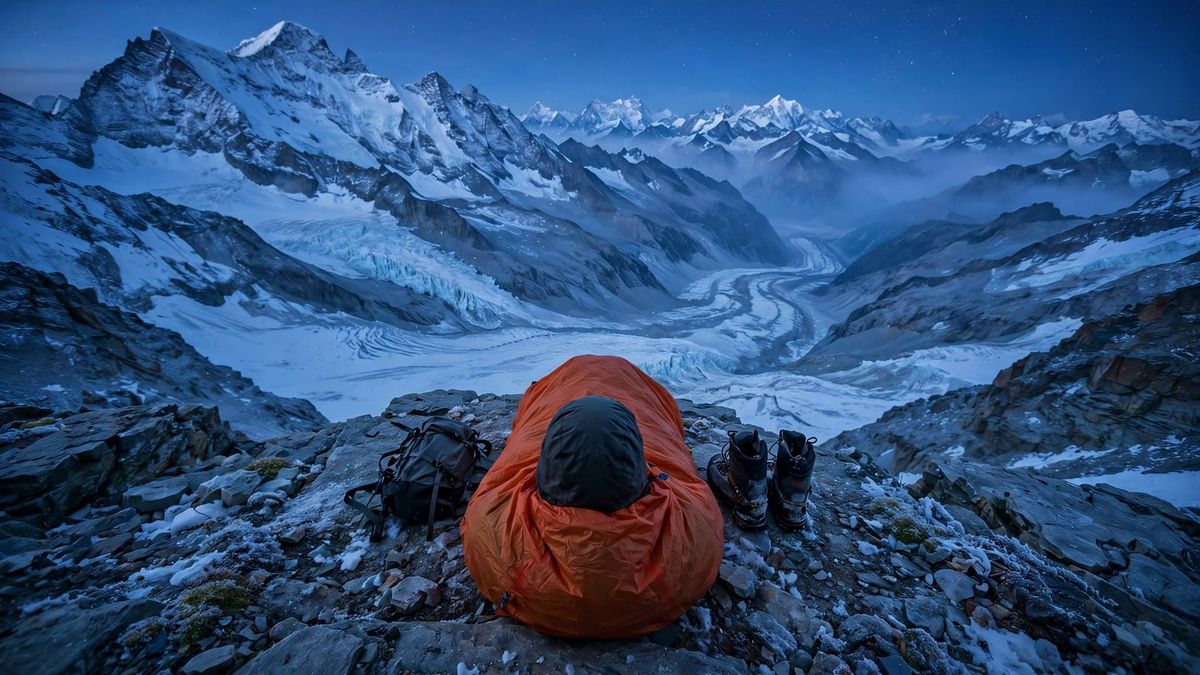


2Shelter: tent or tarp
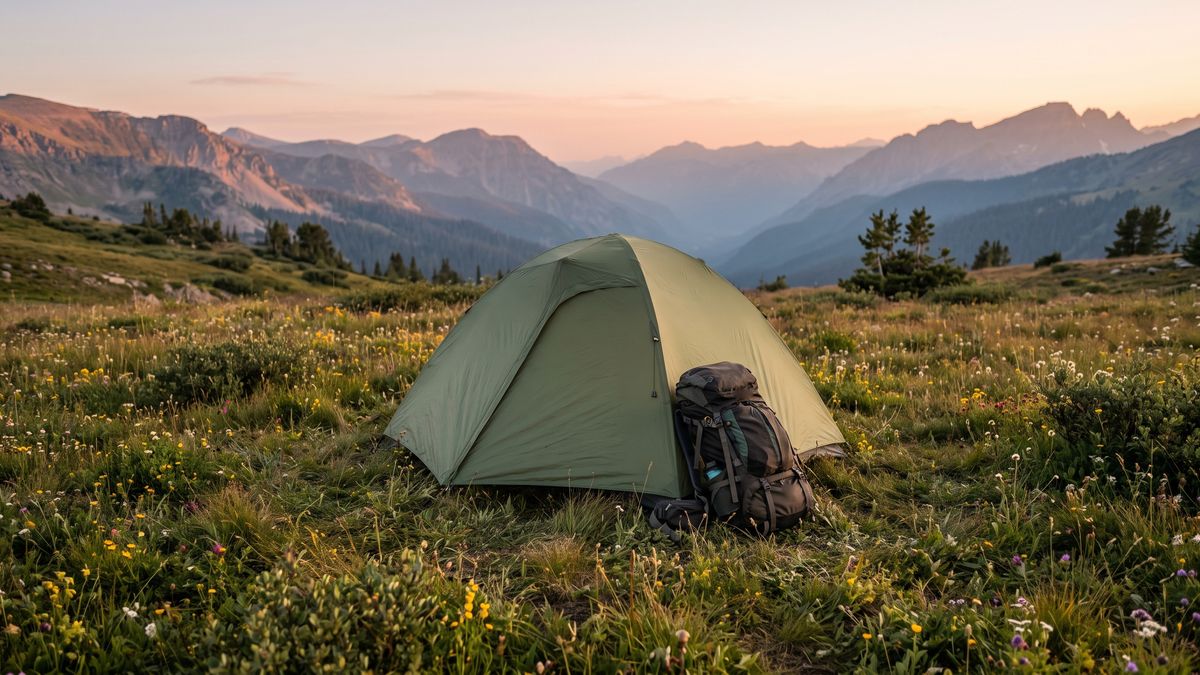
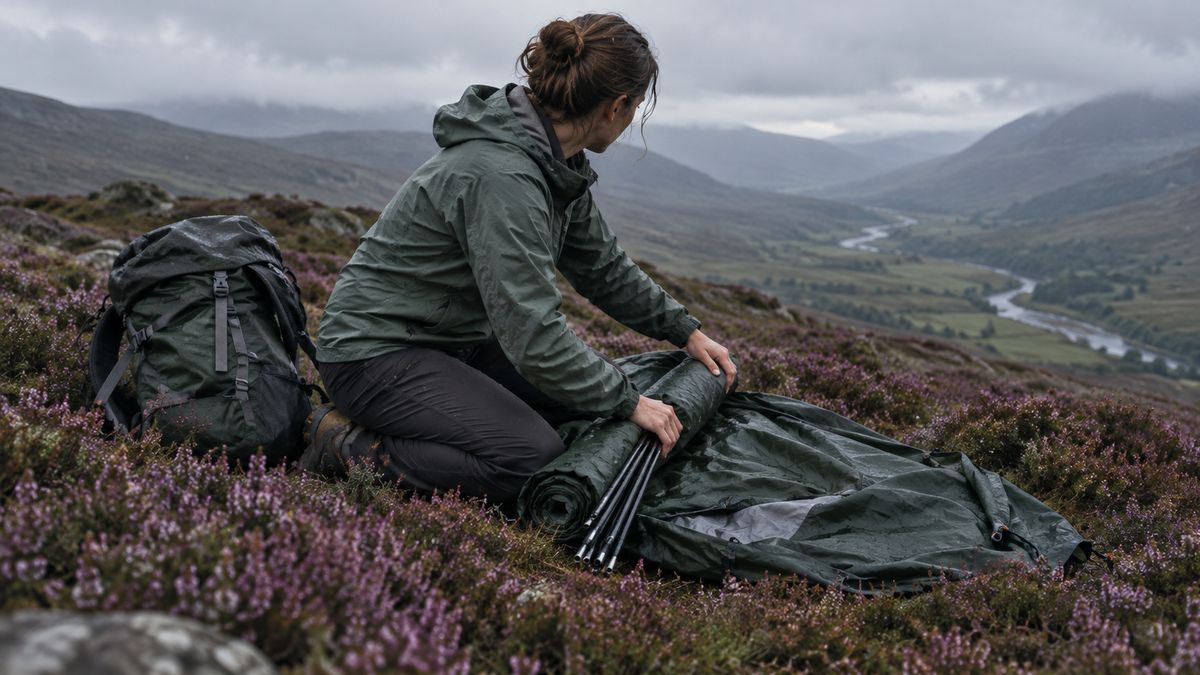
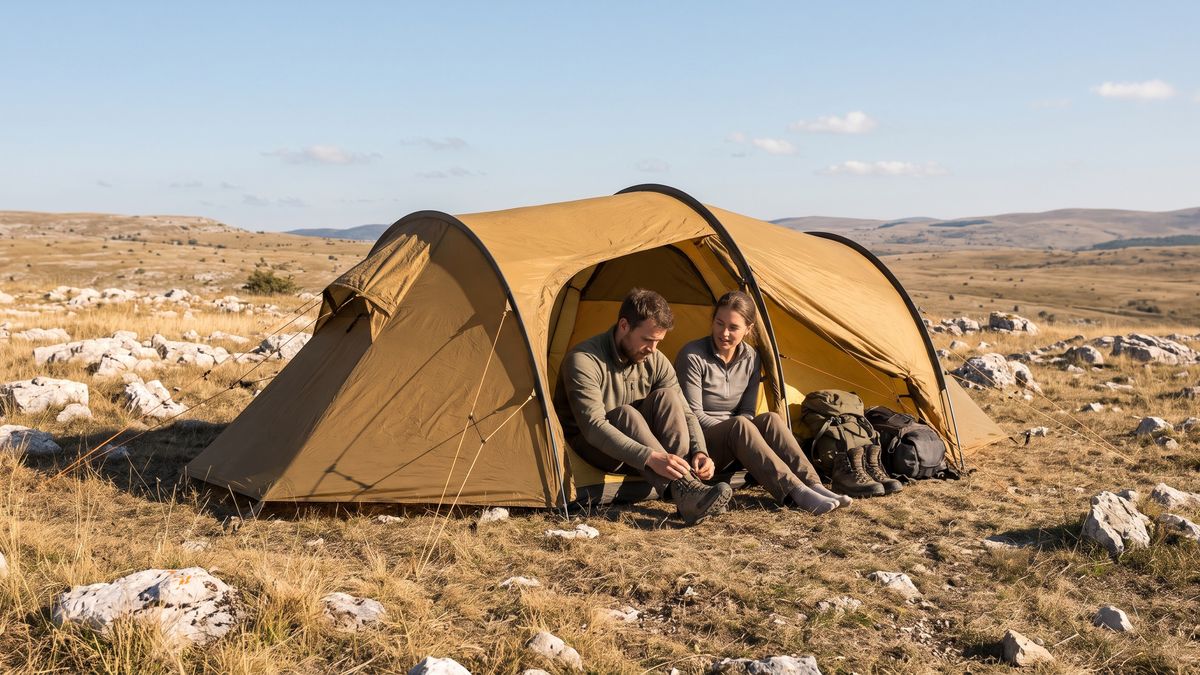
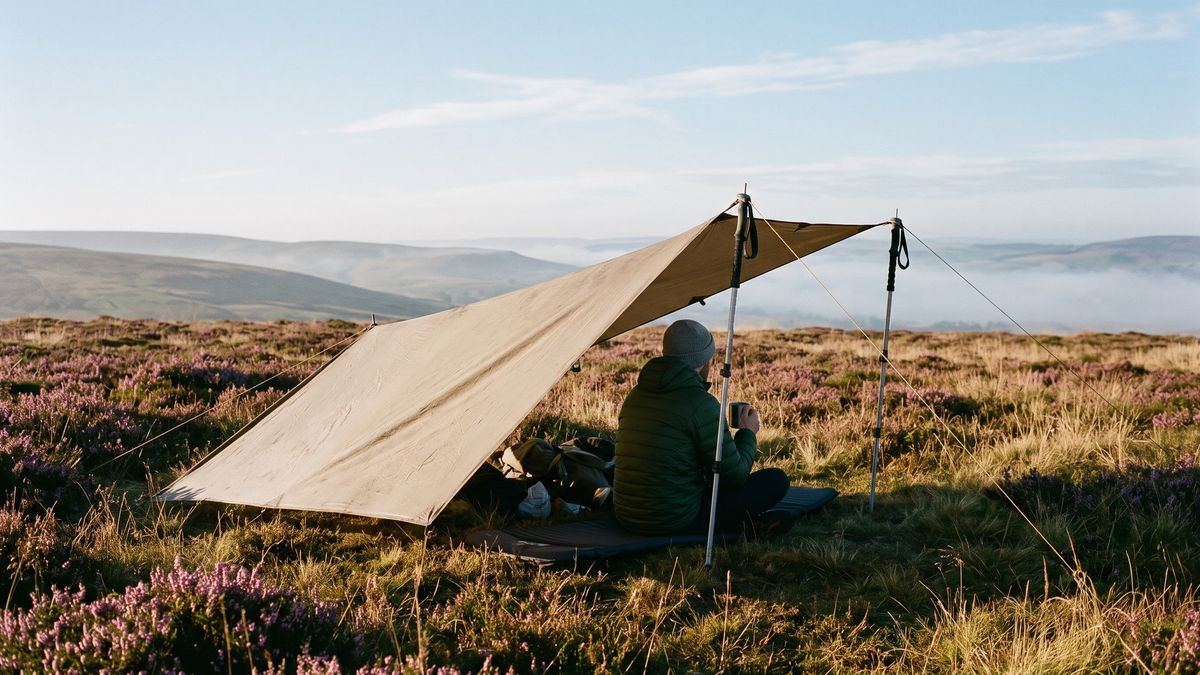
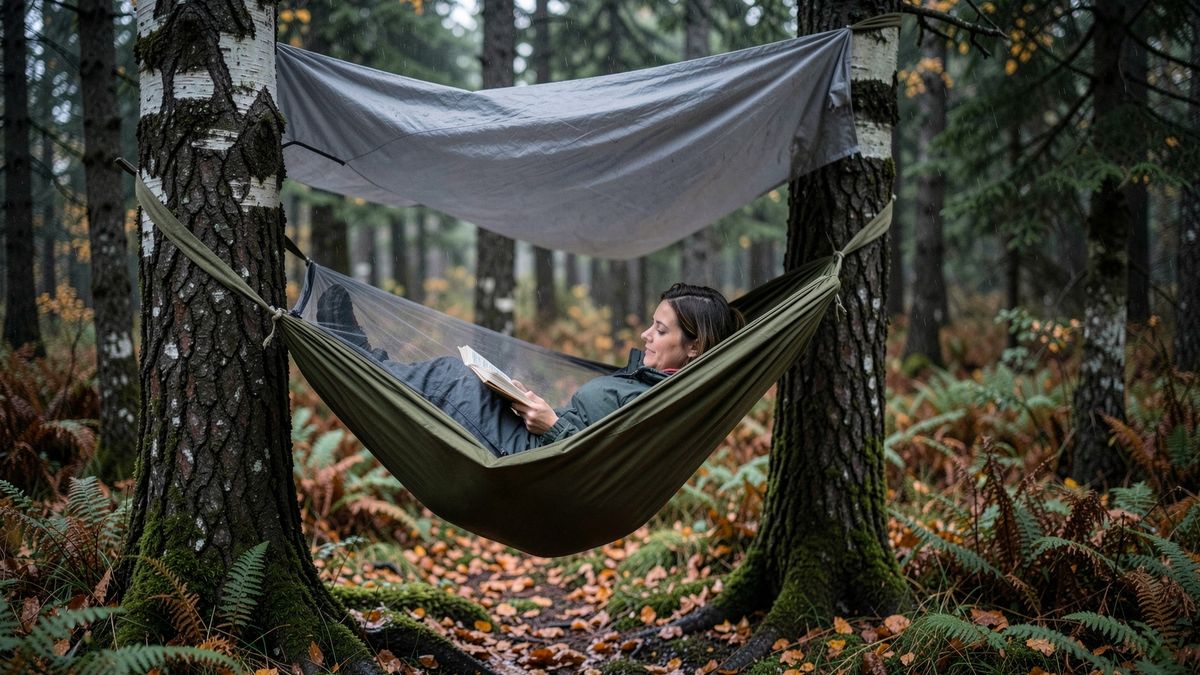
For a first night, a tent is the simplest choice: it keeps off rain, wind, and bugs, and sets up the same way anywhere. A tarp, a simple sheet of fabric, weighs less and is often enough on a summer night, as long as you know how to rig it: anchor the side facing the wind close to the ground, and the stormier the weather, the flatter the tarp should be, as Tatonka explains [9]. Our guide to tarp setups covers the four that handle almost any situation.
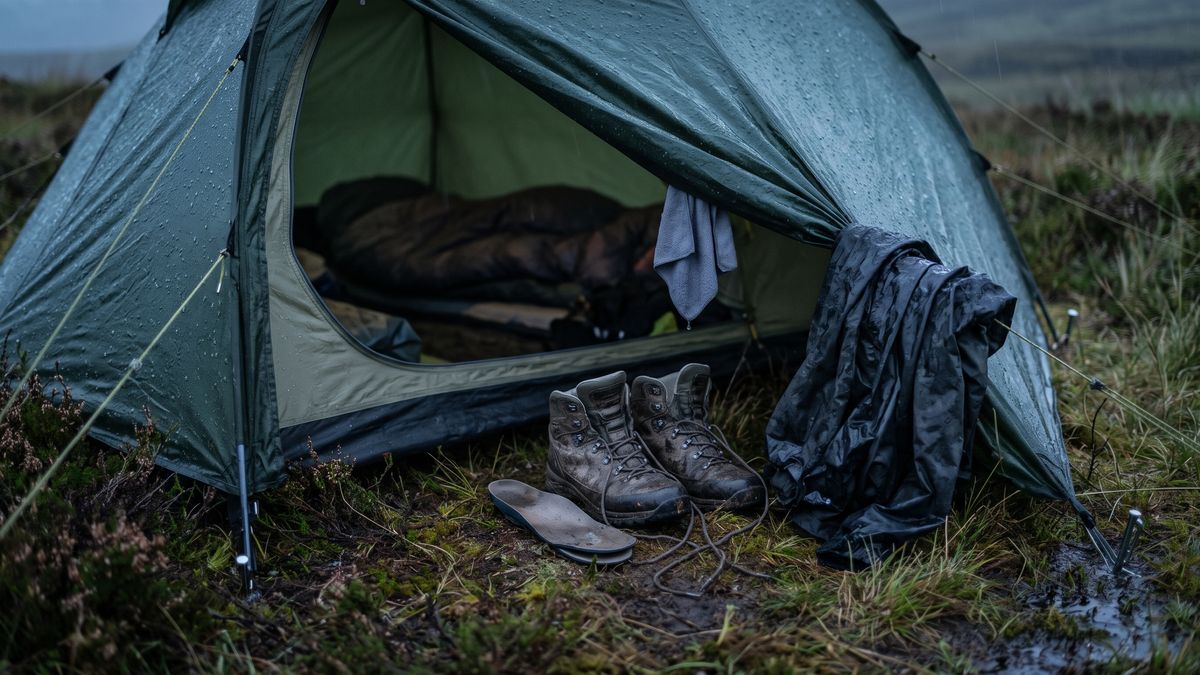
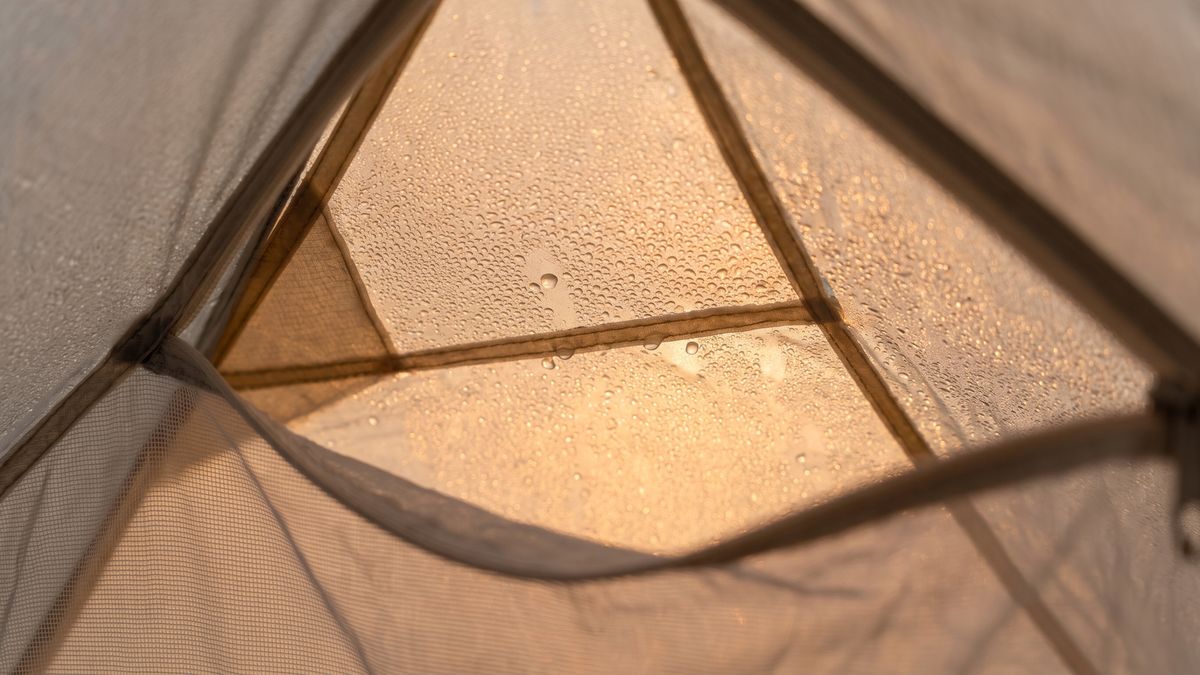
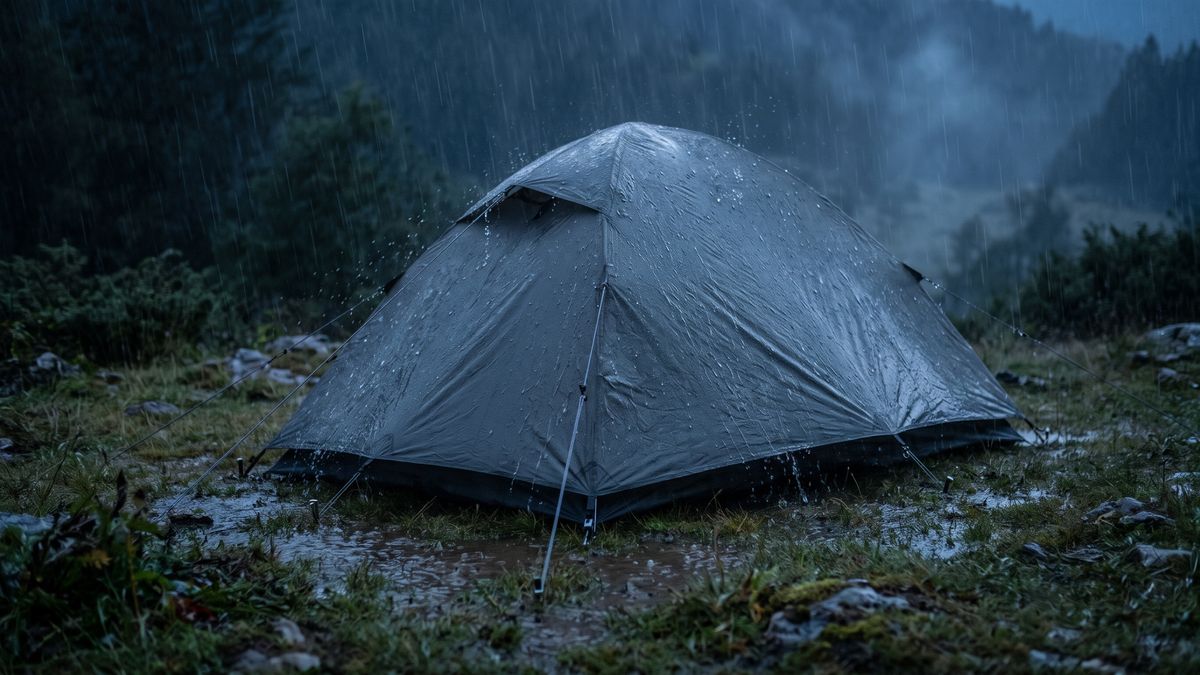
Whatever your shelter, set it up at least once before you go, in daylight, and count the stakes. The Park Service also asks you to make sure all your gear works and that you have the right parts, like the right fuel for your stove or batteries for your headlamp [1]. In the store, look at the packed weight: that’s what you’ll carry, not the minimum weight on the spec sheet. And don’t panic if the inside of the rainfly is dripping when you wake up: it’s usually condensation, the night’s water vapor settling on cold fabric, not a leak. Keep the vents open, even when it’s chilly. And keep wet gear in the vestibule, dry gear in the inner tent: it’s one of the lessons Erik Gauden took from three days of rain in the Monts d’Arrée, in Brittany.


3Sleeping warm: your pad matters as much as your bag
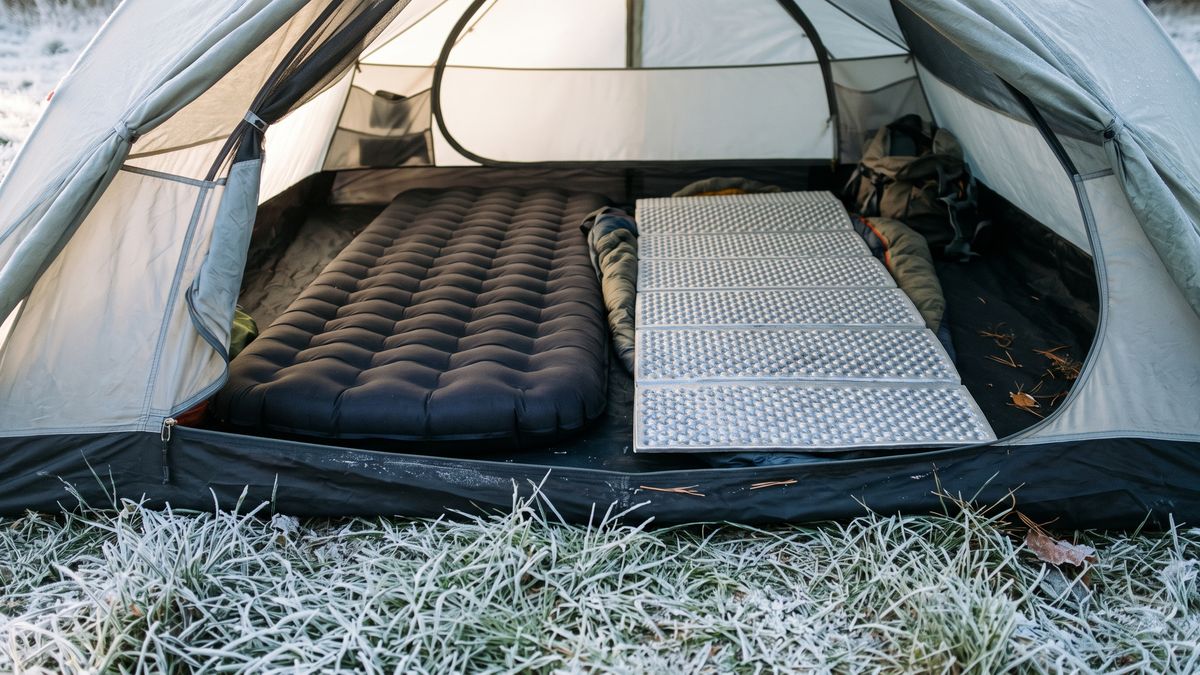
The cold comes from below: lying down, your body loses heat to the ground, and the sleeping bag crushed under your weight barely insulates. Hence the sleeping pad, whose R-value measures its thermal resistance: the higher the number, the slower heat passes through it [10]. Stack two pads and their R-values add up, which makes foam under an air pad the classic combo for cold nights. Our guide to R-values explains how to read the number and compare brands.
For the sleeping bag, the EN ISO 23537 standard produces a series of temperature ratings, comfort, limit, and extreme, as Rab explains [11]. Choose by the comfort rating, especially if you sleep cold, and treat the limit as a floor: Rab, for one, uses the limit rating in the names of its bags [11], so the number on the label isn’t always the one to go by. Check the forecast low where you’ll sleep, too, not in town: according to MeteoSwiss, the air cools by an average of 0.65 °C per 100 m of elevation [12], or about 3.6 °F per 1,000 feet. And hypothermia isn’t just a winter thing: Rocky Mountain National Park warns that it can happen year-round, even on nice sunny days, and advises avoiding clothes that soak up and hold water, like cotton and jeans [13].
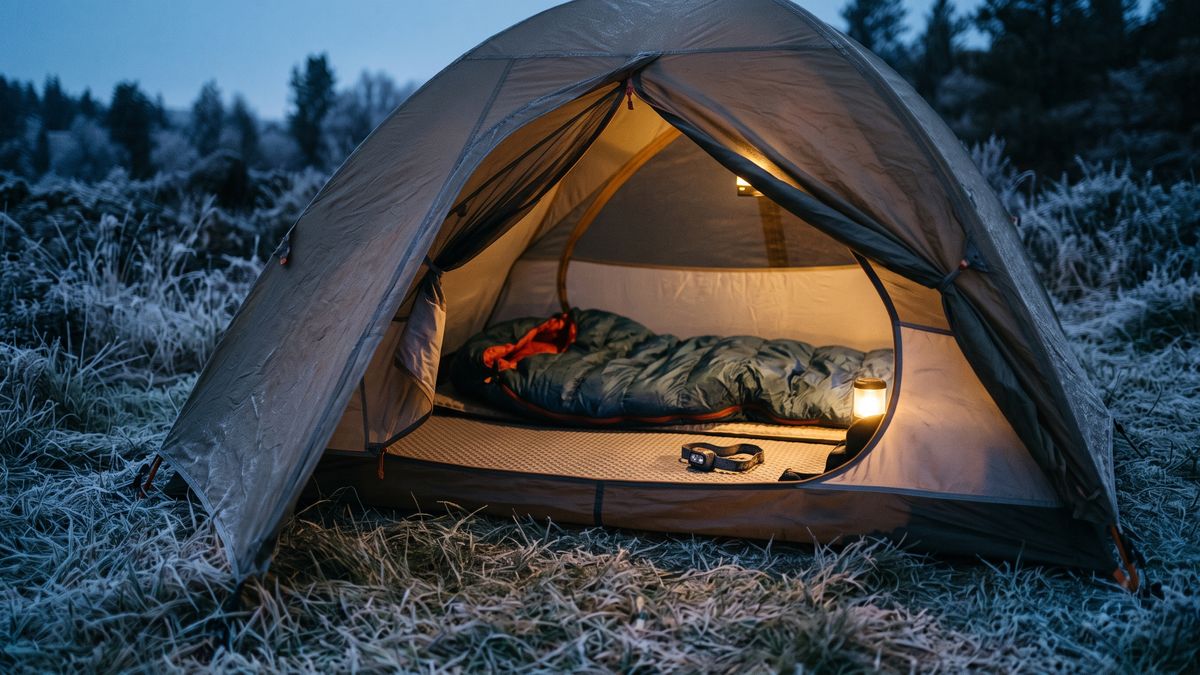
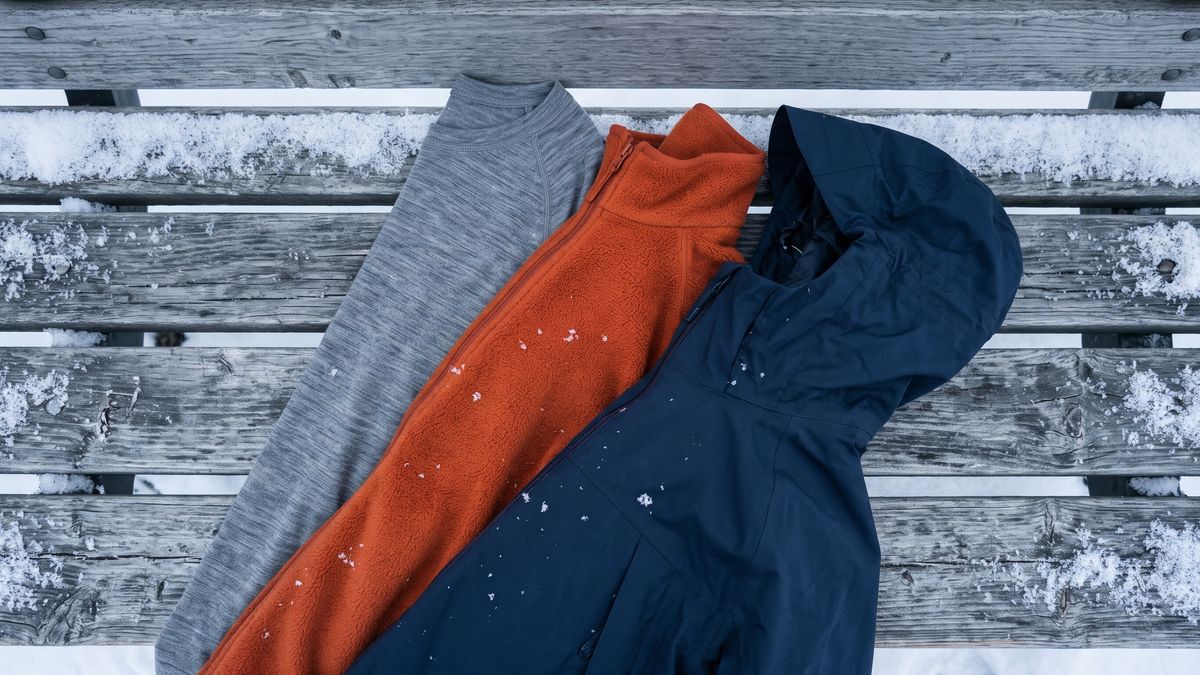
In the evening, change into dry clothes: the French Hiking Federation advises against sleeping in the clothes you hiked in, which are always a little damp, and suggests taking your sleeping bag out of its stuff sack well before bed so it has time to loft [14]. A dry warm layer, a beanie, and a pair of socks saved for nighttime do the rest: the three layers work in the tent, too.


4Drink, eat, and cook without a campfire
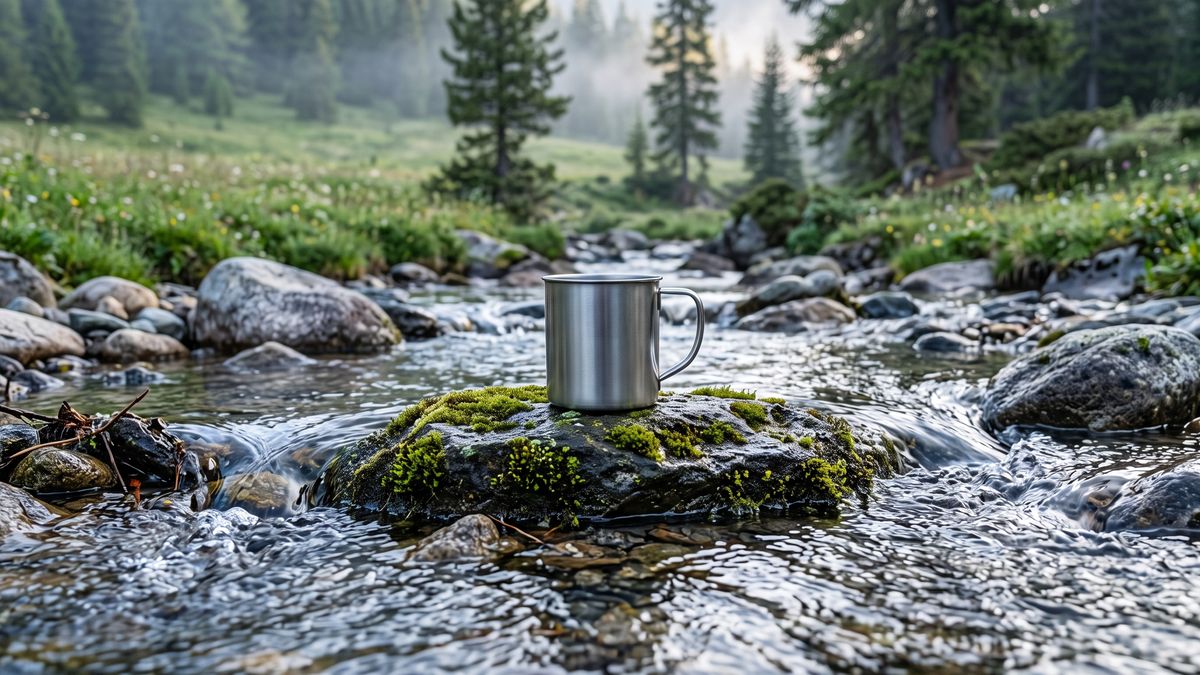
Water from lakes, streams, and rivers may look clear and still carry viruses, parasites, and bacteria, the Minnesota Department of Health warns: boiling is the most effective treatment, filtration followed by disinfection is also very effective, and you should always bring a backup method in case one fails [15]. Our guide to backcountry water compares the options. Find water sources on your map, but don’t bet everything on the last one before camp: a creek that runs in June can be dry by August. Count water for dinner and breakfast, for drinking and cooking, on top of what you need on the trail.
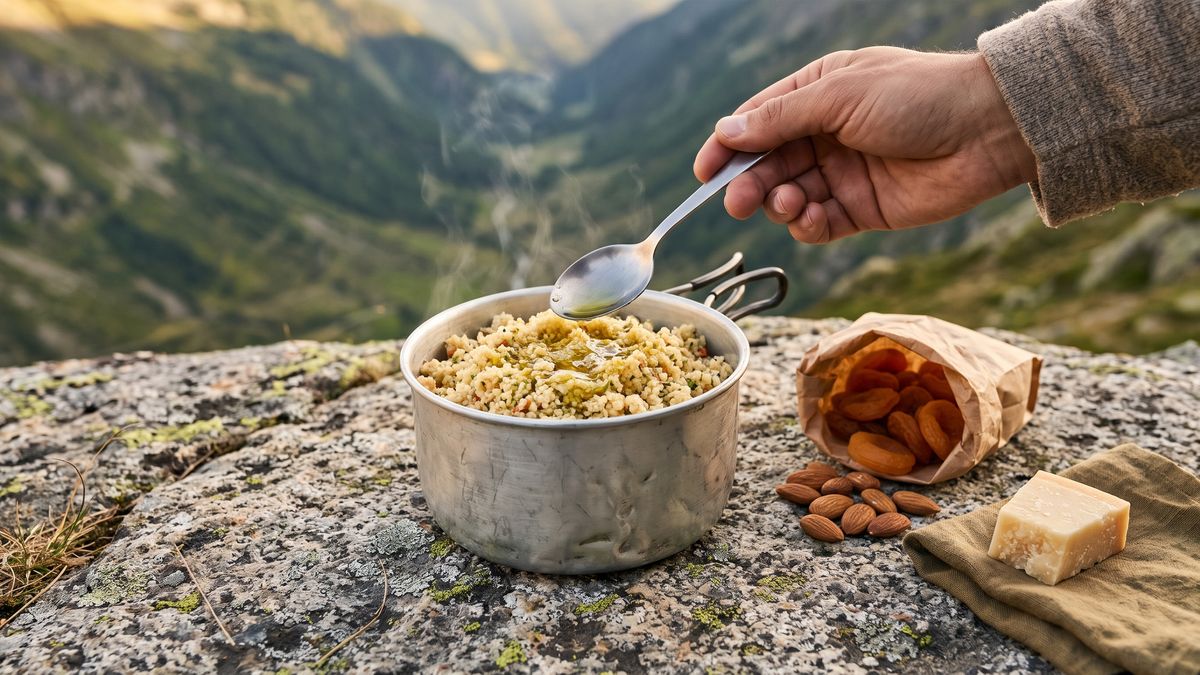
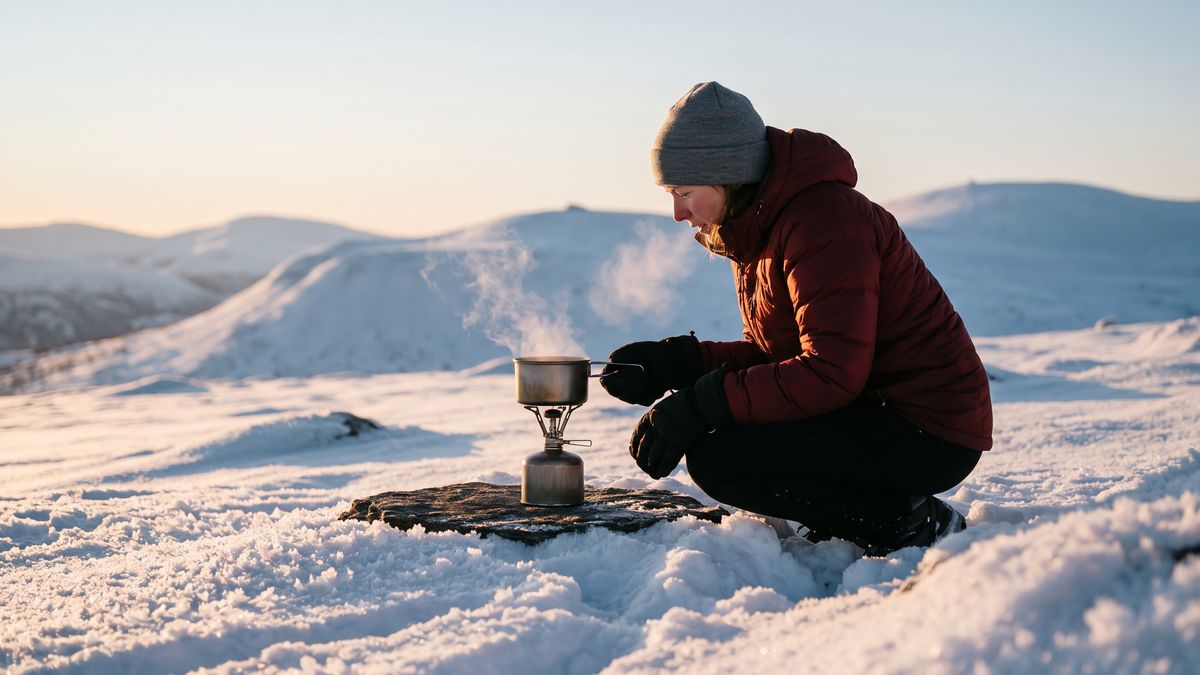
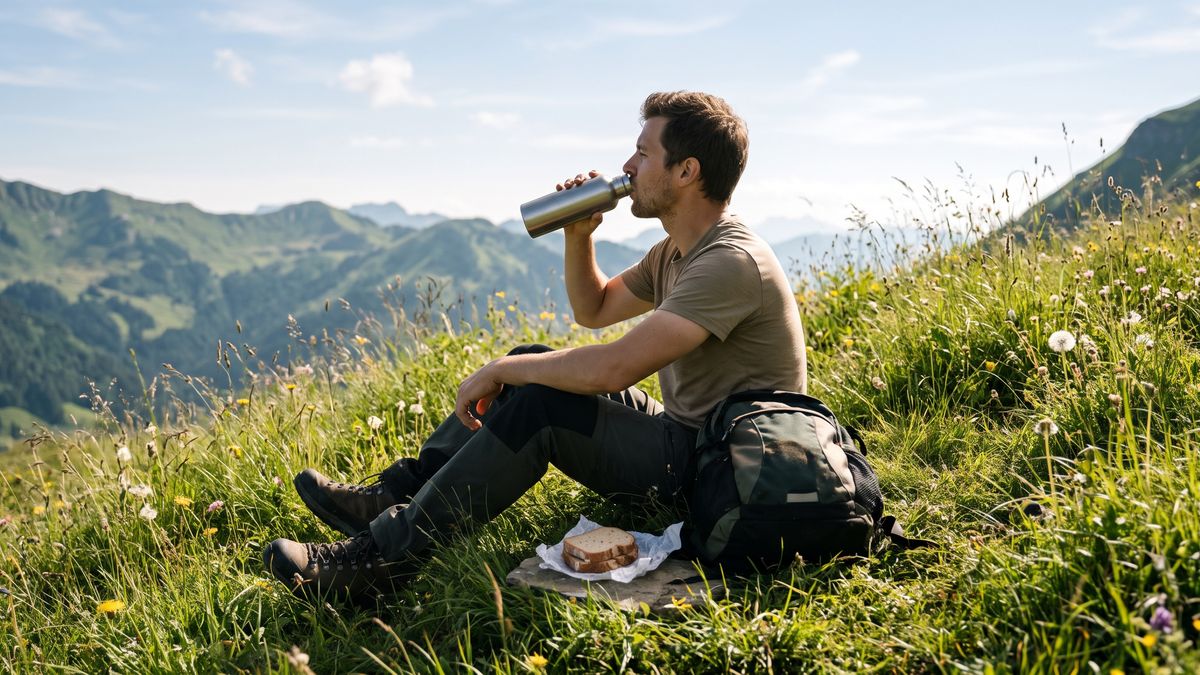
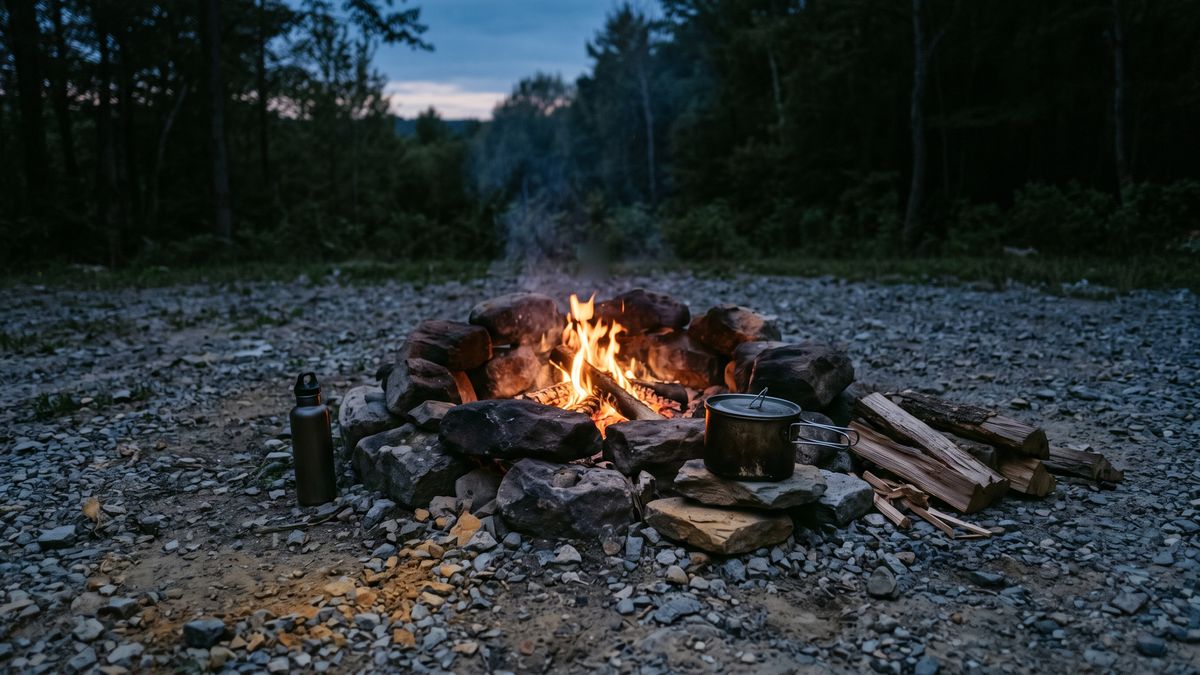
For dinner, keep it simple and hot: a freeze-dried meal, couscous or quick-cooking pasta, something to snack on when you arrive, and a breakfast that’s ready in five minutes. A stove replaces the campfire: Leave No Trace recommends a lightweight stove for cooking [16], and fire rules vary from place to place. In the Yosemite Wilderness, for example, campfires are allowed only in existing fire rings below 9,600 feet [17], and on BLM land, some regions require a permit for campfires [7]. Heading to France? Our guide to campfire rules in France explains where a small fire is still allowed.


5The night before: forecast, pack, and trip plan
The night before, then again the morning you head out, check the National Weather Service forecast for the spot where you’ll camp. Read past the percentages: a 30% chance of rain means a 30% chance that at least 0.01 inch falls at that point over the period, often 12 hours, which says nothing about how long or how hard it will rain [20]. For a backcountry night, focus on three things: the wind, thunderstorms, and the low where you’ll sleep. In summer, thunderstorms usually build in the early afternoon, so the Park Service suggests heading out early in the morning [21], and if conditions have changed, it suggests heading back and trying again another time [1]. Our guide to mountain forecasts explains how to read them.
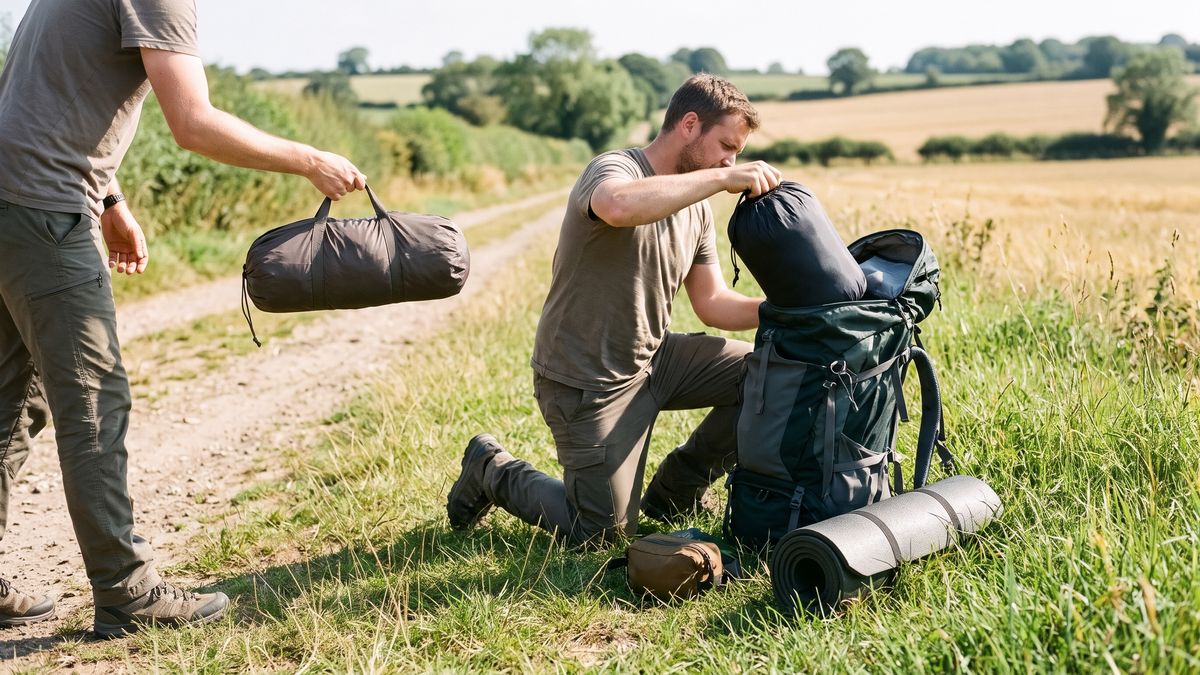
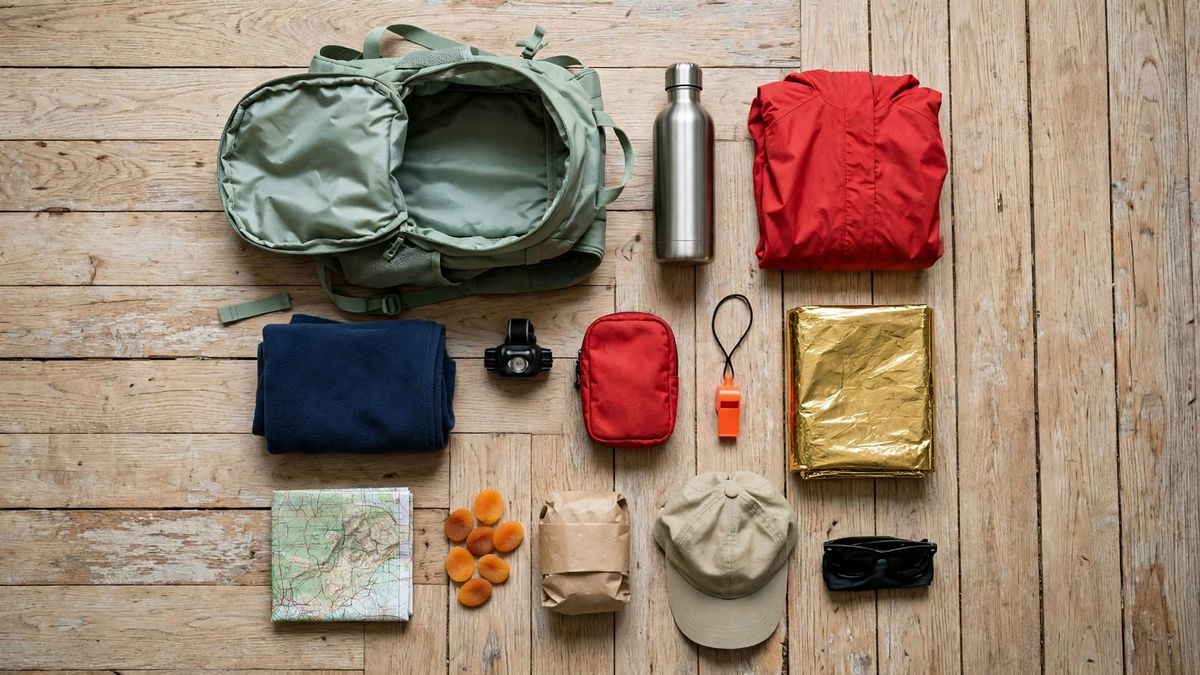
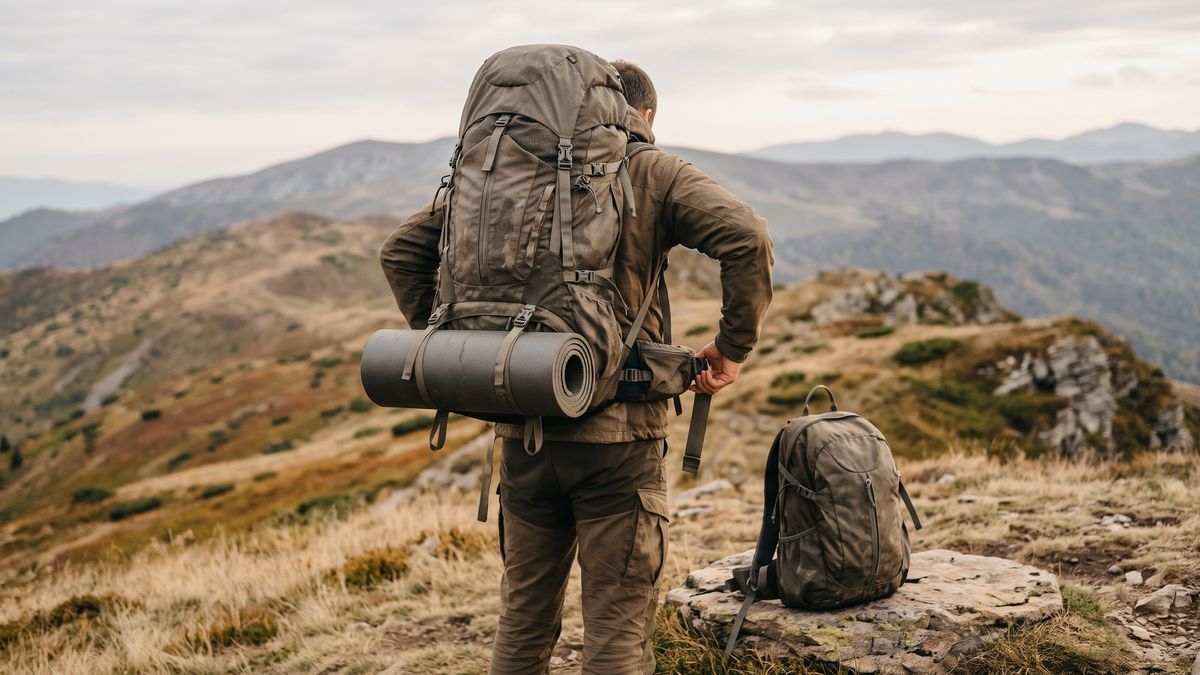
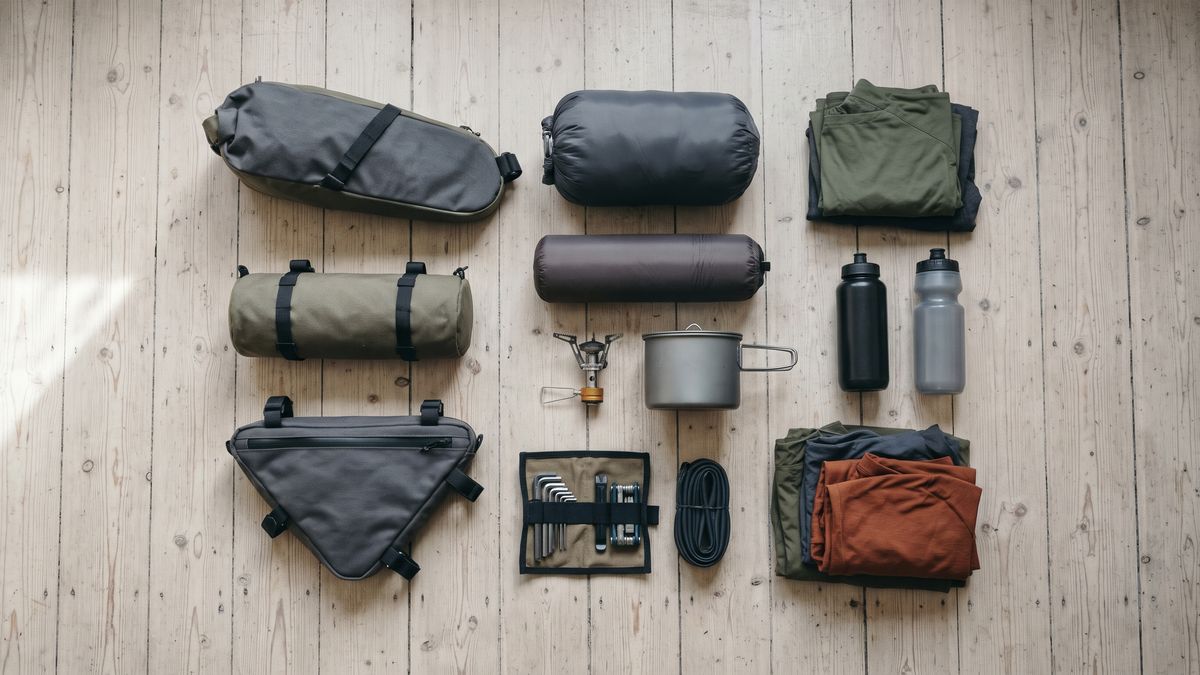
Then pack using the checklist at the bottom of this page, laying everything out on the floor first: it’s the best way to spot what’s missing, and what weighs too much. For an overnight trip, the Park Service’s list adds a backpack with good support, a tent, a sleeping bag and pad, a stove and fuel, extra food with a safe storage container, and a repair kit [22]. Stash your charged headlamp, or spare batteries, where you can find it by feel.
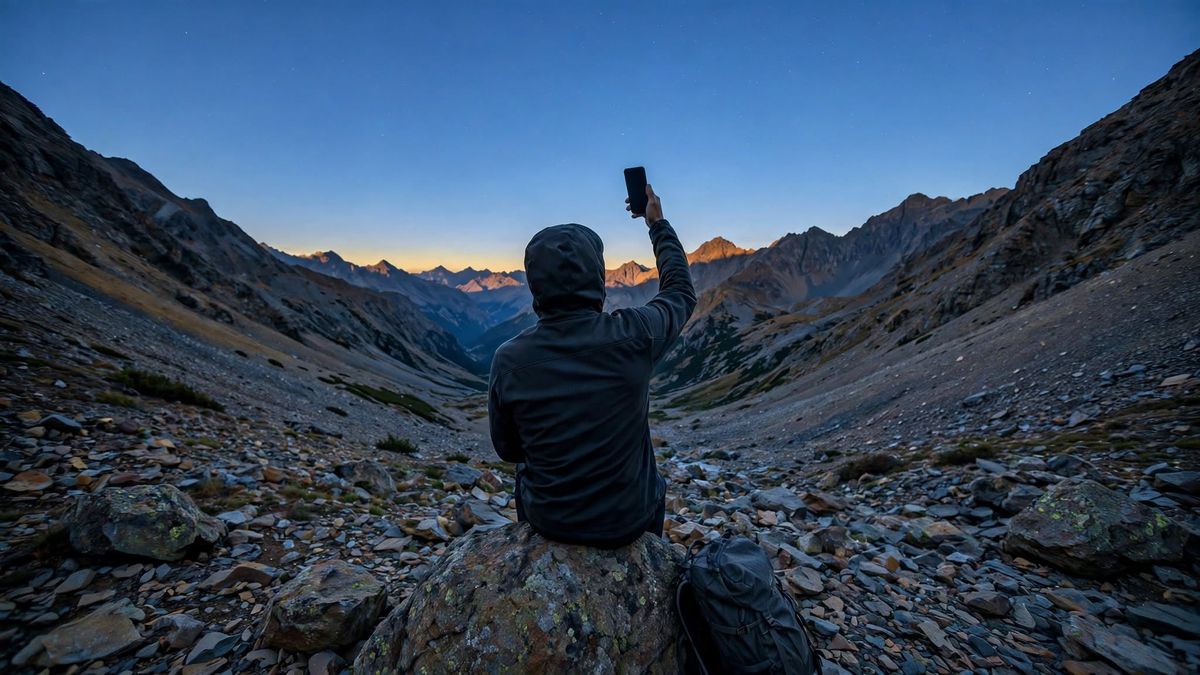
Finally, leave a trip plan: where you’ll camp, which route, and when you’ll be back. The Park Service says to share a detailed itinerary with someone at home, and to leave a copy in your car for rangers [1]. Your trusted contact is someone who isn’t on the trip; don’t leave the plan with the park, which won’t accept it, and remember that it doesn’t replace any required permit [23]. In an emergency, call 911 [24]; in Europe, dial 112, free of charge everywhere in the EU [25]. Cell service often drops out right where you camp, though: with no reception, the Park Service’s advice is to blow your whistle often, which saves the energy you’d spend yelling [24], and calling for help without cell service takes planning, too.


6At camp: choose your site and set up
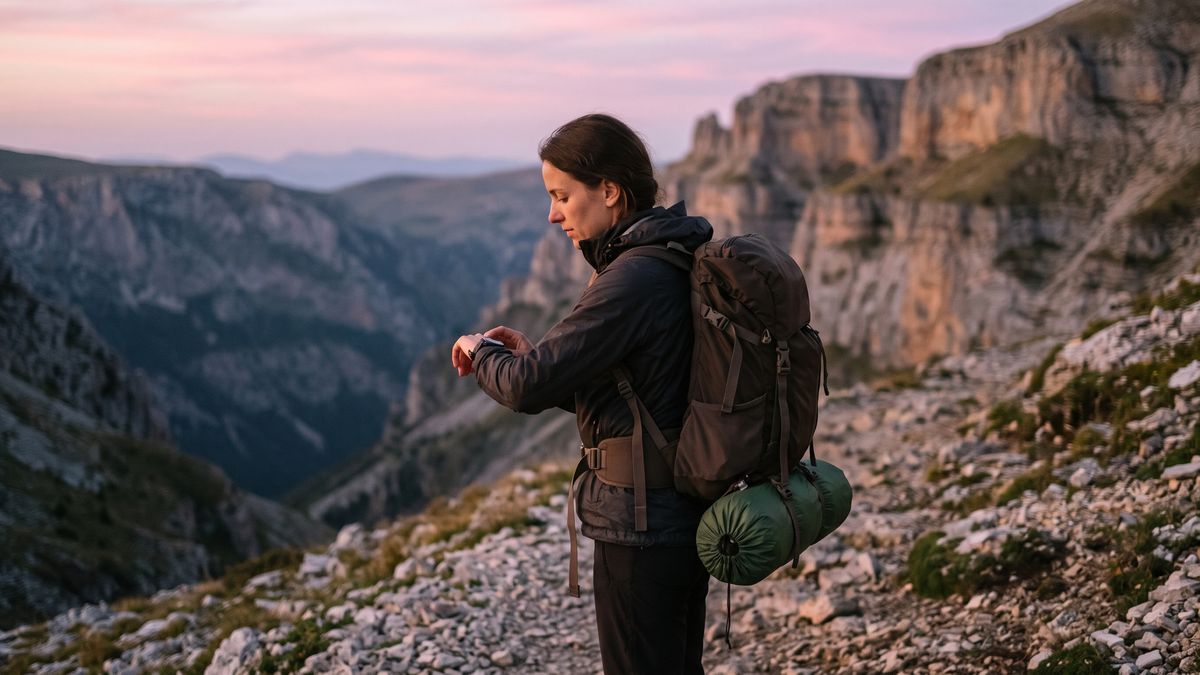
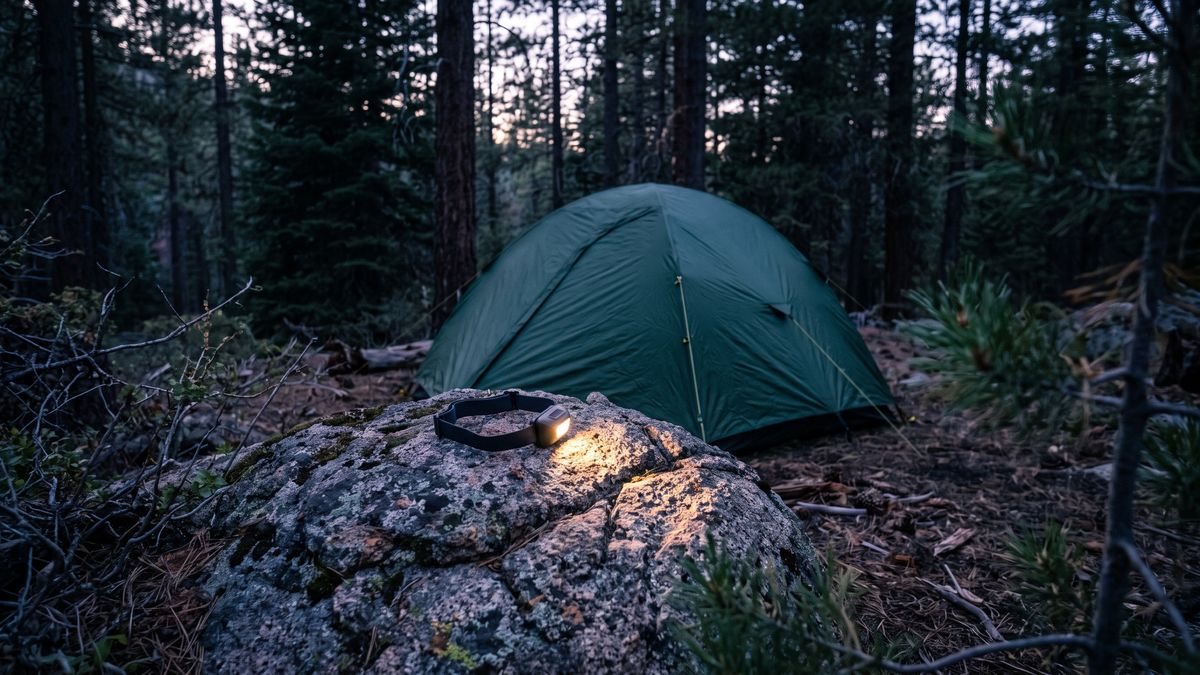
Make camp before dark, the Park Service says, and learn the terrain in daylight; if you have to leave camp after dark, stay in areas you’ve seen by day, go with a companion, and use a headlamp [3]. Shenandoah puts it the same way: allow time to find a legal, comfortable, and safe place to camp before dark [4]. The ideal spot for your tent is level ground, but not a low spot [3].
Then look around you, and look up: if you see dead branches overhead, don’t camp under them [3]. Sequoia and Kings Canyon adds that branches and trees can fall whether or not they’re dead, and when there’s no wind [26]. Stay away from the edge of cliffs and from ravines that might flood, and, in the backcountry, off ledges or high peaks where wind and lightning could become a hazard [3]; the Park Service also suggests checking ahead for rockfall and flash flood potential [1]. In canyon country, never camp in a dry wash: at Grand Canyon, hikers have been killed in flash floods generated by thunderstorms as far as 25 miles (40 km) away [27]. Heading to Switzerland? The Swiss Alpine Club warns that a river can also rise suddenly because of a hydroelectric plant upstream [28].
How far from water? Leave No Trace asks you to protect riparian areas by camping at least 200 feet (about 60 m) from lakes and streams, and reminds you that good campsites are found, not made [16]. Parks set their own distances, so check the local rules: Rocky Mountain requires 70 adult steps, or 200 feet, from water [6], and Yosemite at least 100 feet from any water source and trail [17]. Pick a durable surface, such as a designated site, rock, gravel, or dry grass [16], and in bear country, keep 200 feet between your kitchen and your tent [3]. Then clear away stones and sticks before you pitch the tent.


7The night: food, bears, noises, and storms
At night, your food is the main concern. In bear country, the Park Service says to store food at least 200 feet from where you sleep, not to sleep in clothes you cooked in, and to check each park’s food storage rules [3]. They can be strict. At Yosemite, bear canisters are required for overnight hikers throughout the wilderness, hanging food is no longer legal, and improper storage can bring a fine of up to $5,000 [29]; anything you put in your mouth or on your skin, sunscreen and lip balm included, should probably go in the canister [30]. At Rocky Mountain, a hard-sided bear canister is required below tree line from April 1 to October 31 [6]. Shenandoah prefers a canister too; if you have no other way to store your food there, a bear bag must hang at least 12 feet off the ground and 6 feet from the trunk and branches, a job to do as soon as you reach camp, before sunset [31]. Wherever you are, never bring food, toiletries, or cooking gear into the tent [31].
Noises mostly spook you the first time: a stick snapping, an owl, a deer moving through the brush. Nothing unusual. Keep your headlamp and water within reach, and scout out in daylight the spot you’ll use in the middle of the night, away from camp and from water.

8The morning: leave no trace
Before you shoulder your pack, walk over your site: nothing left behind, scraps and bits of paper included, and the ground as you found it. For bathroom breaks, use a toilet when there is one; otherwise, Leave No Trace calls for a cathole 6 to 8 inches (15 to 20 cm) deep, at least 200 feet from water, camp, and trails, covered and disguised when you’re done, and asks you to carry water 200 feet away from streams or lakes to wash yourself or your dishes [16]. Some parks set their own rules, like Yosemite’s 4 to 6 inches deep and 100 feet away [17]. Our guide to Leave No Trace hiking covers all seven principles.
Once you’re out, let your emergency contacts know you’ve finished and that you’re safe, and if the park has a check-out policy, let the rangers know your trip is over [1]. Then check for ticks: the Park Service recommends bathing within two hours and using a mirror for a full-body check; ticks tend to turn up in hard-to-see spots like the scalp, the groin, and under the arms [34]. Finally, unpack the tent and let it dry before you store it: rolled up damp in the back of a closet, it gets moldy and starts to smell. Jot down what you missed, and what you carried for nothing: it’s the best list for next time.
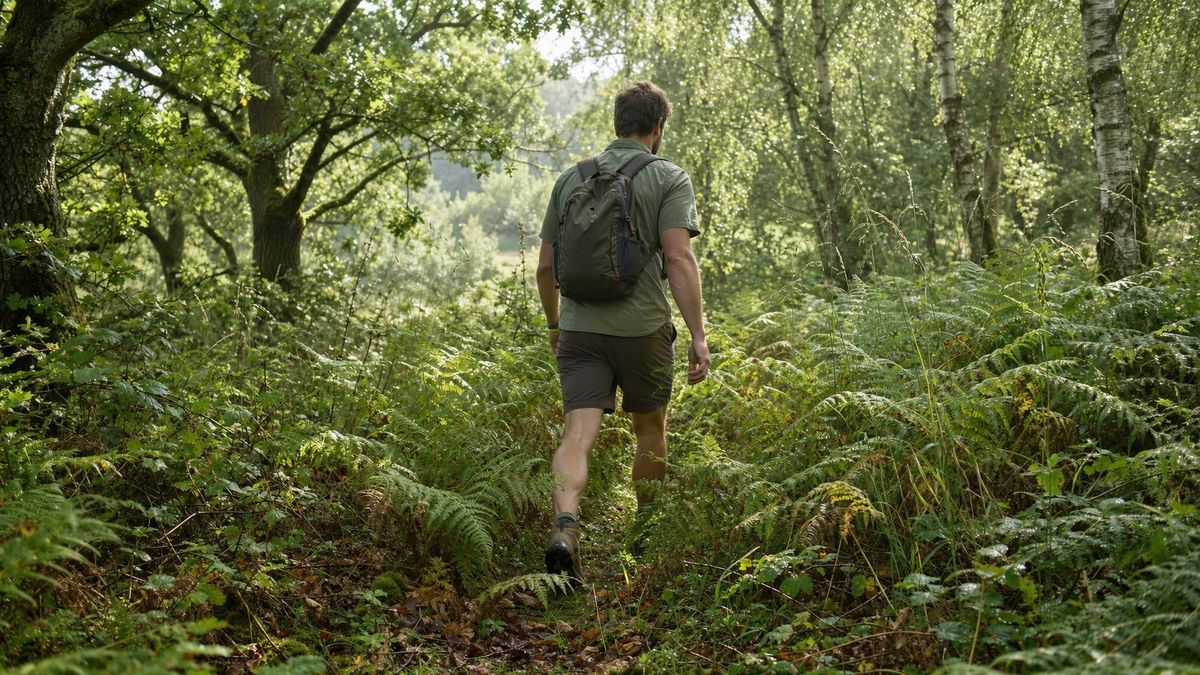

9Going further: multiday trips, canoes, bikes, and kids
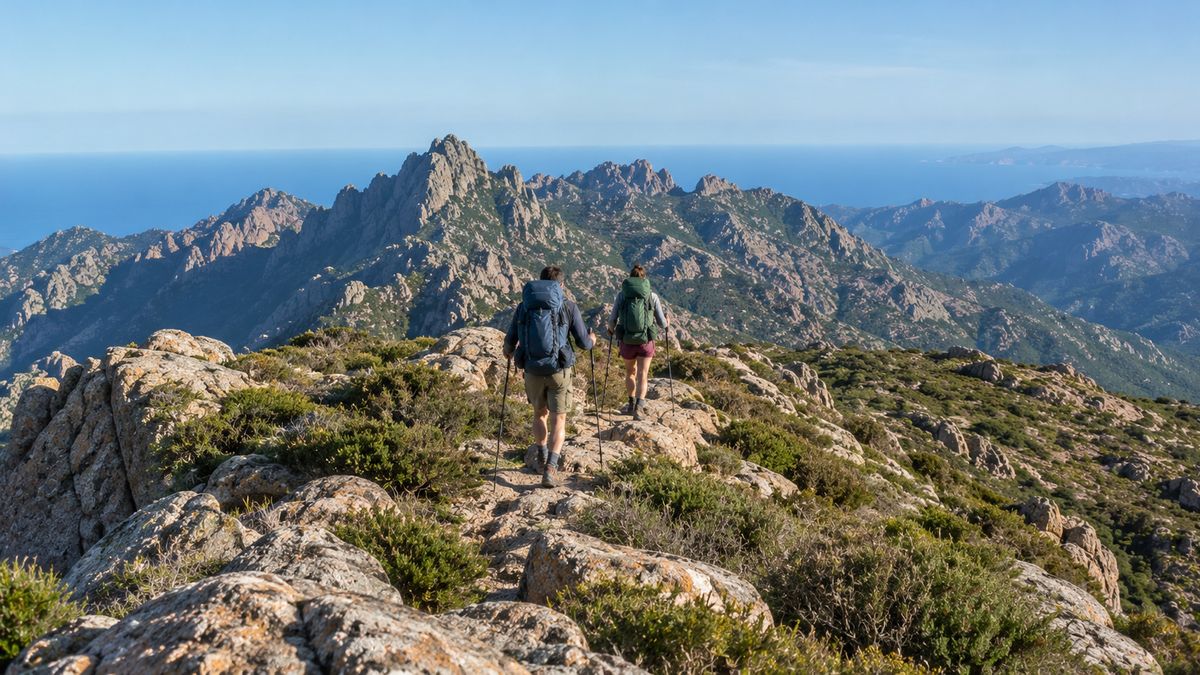
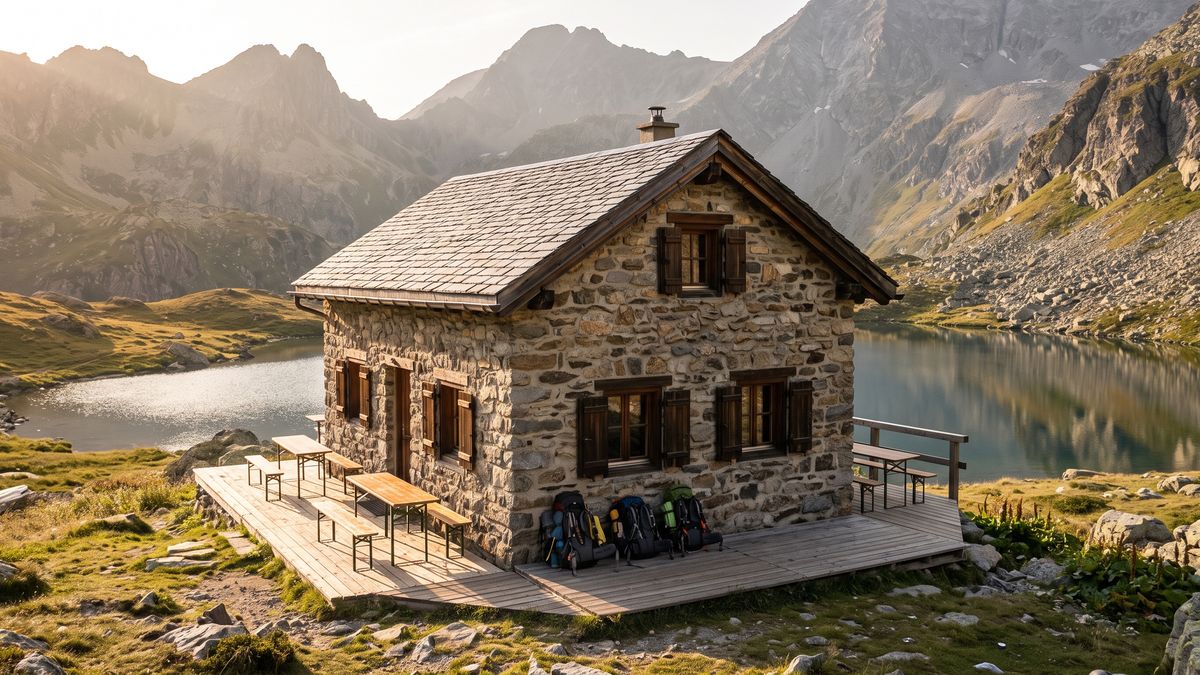
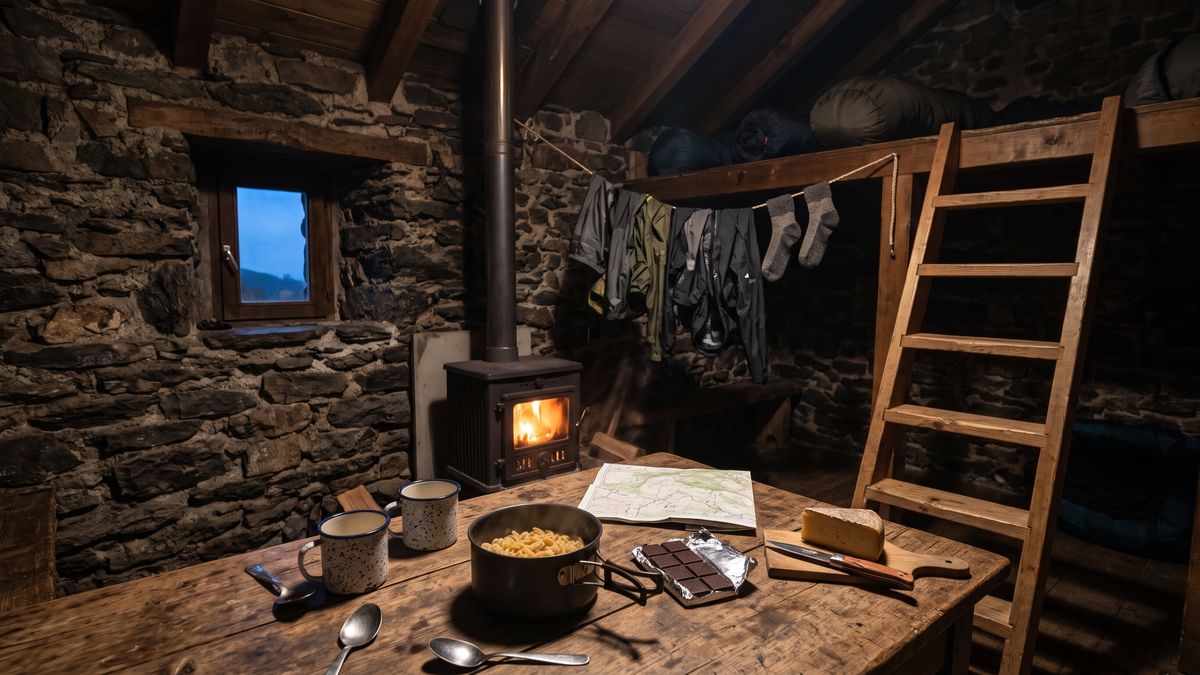
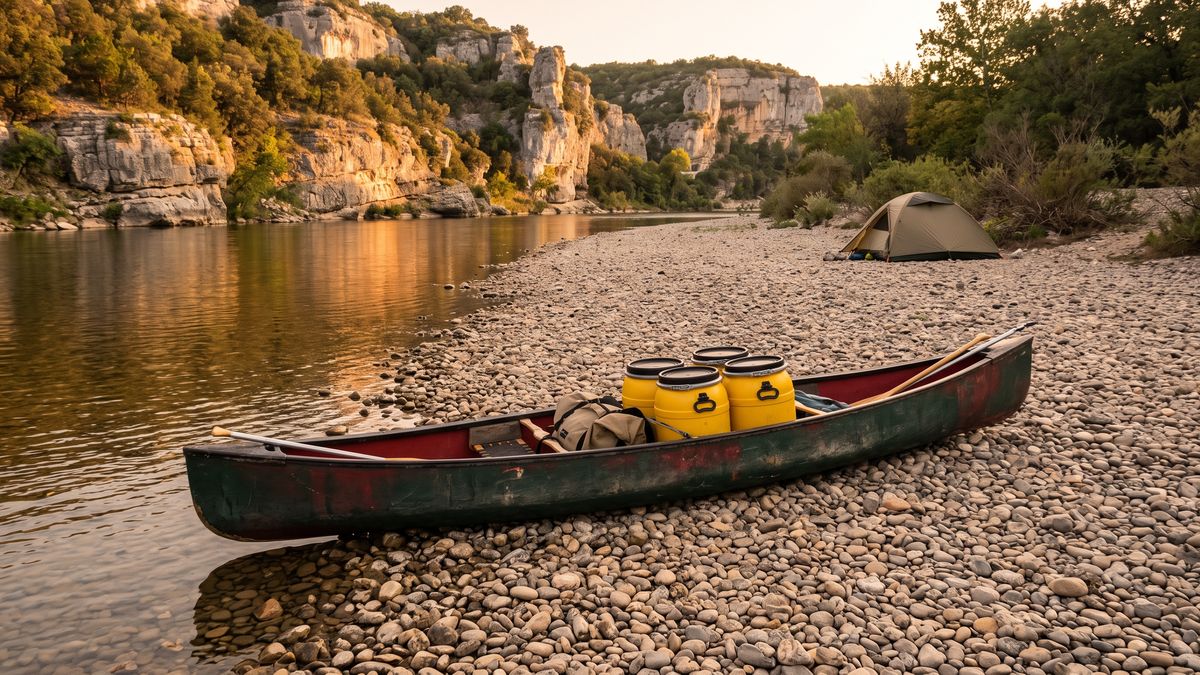
After a good first night, the next ones come fast. On a multiday trip, camping often has its own rules: at Shenandoah, you can’t stay at the same campsite more than two nights in a row, and groups can’t exceed ten people [4]. In Europe, on Corsica’s GR20, camping is only allowed near the refuges or in designated areas, and every night must be reserved, even with your own tent. Off-season, France’s unstaffed mountain huts call for a real sleeping bag and full self-sufficiency. On the water, canoe camping adds a night on the riverbank; on two wheels, bikepacking fits the whole camp into three bags.
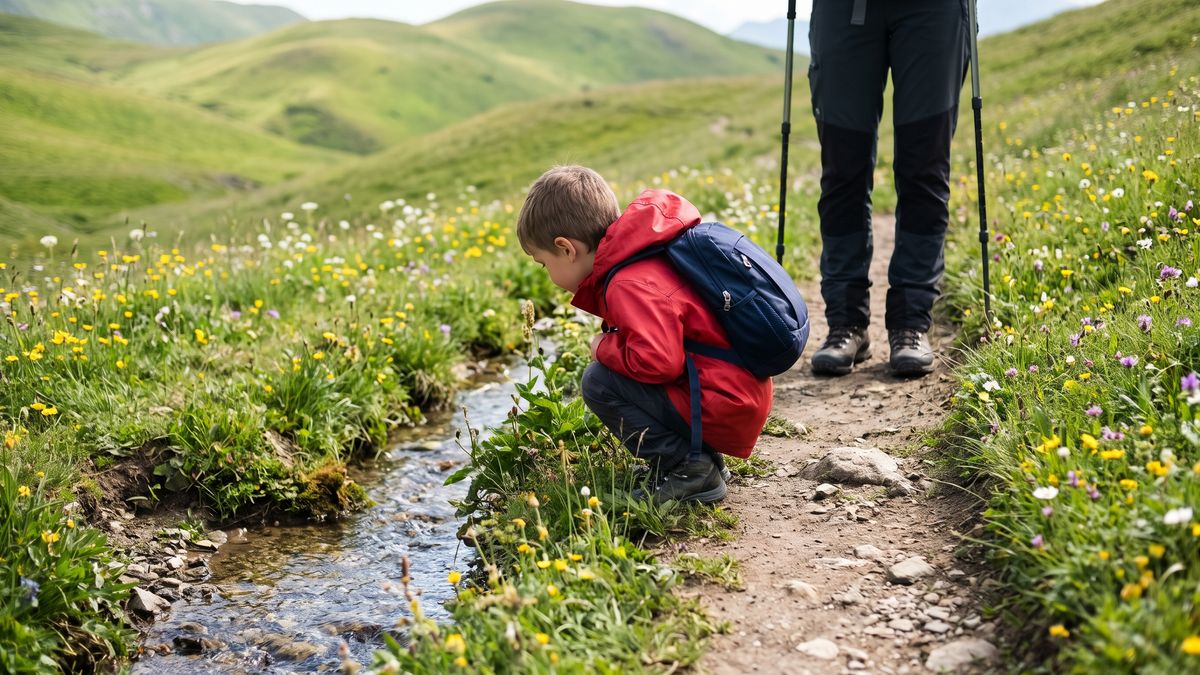
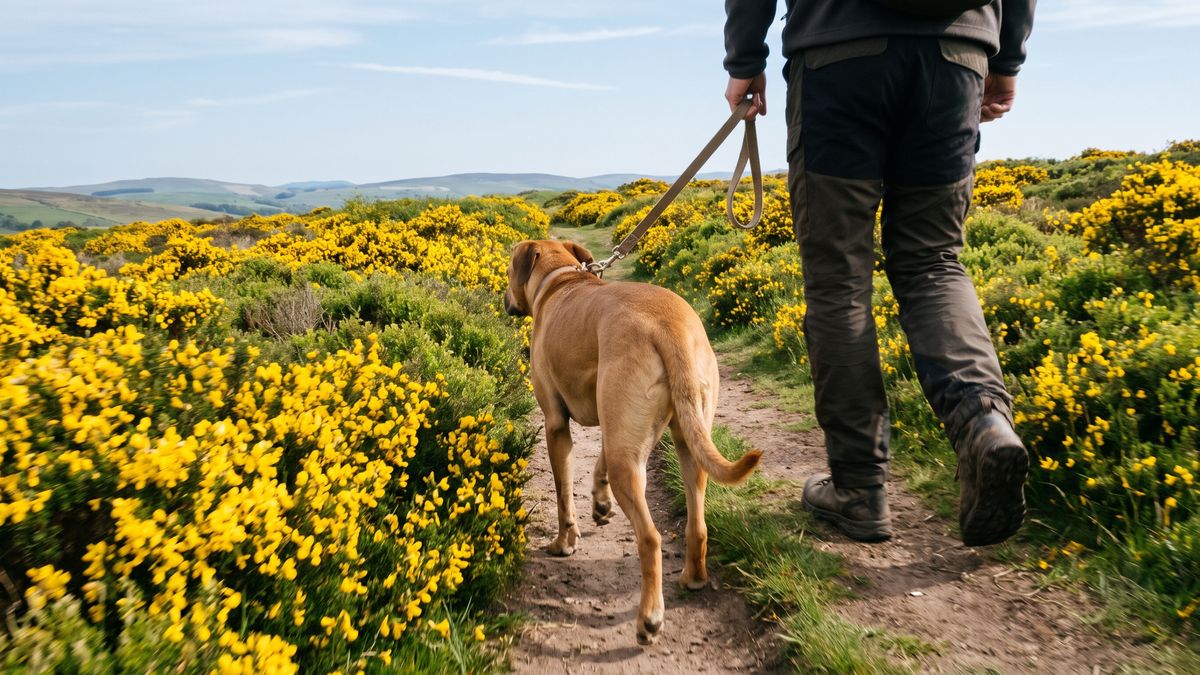
With kids, the rules of hiking with kids apply at night too: start short, and keep a cushion. Our guide to hiking with kids gives benchmarks by age, and the one on hiking with your dog explains where dogs can’t go. Headed for Scandinavia? The right of public access opens Sweden, Norway, and Finland to camping, within its own limits. And for every night after this one, the smart move stays the same: the checklist below, read through the night before, and a trip plan with someone who knows where you’re sleeping.


The checklist before you head out
Check it off the night before, then run through it again as you close up your pack. It follows the steps of this guide and the Park Service’s list for overnight trips [22]; adjust it to the season, the elevation, and the length of your trip.
- Site picked, rules checked, backcountry permit reserved if required
- Short hike in, and a bail-out option nearby
- Forecast checked the night before and that morning, no thunderstorms forecast
- Trip plan left with a trusted contact, and a copy in the car
- Tent or tarp set up once already, stakes and guylines counted
- Insulated sleeping pad, and a sleeping bag picked by its comfort rating
- Warm layer, beanie, and dry socks saved for the night
- Stove, fuel, lighter, pot, and dinner and breakfast
- Bear canister or whatever food storage the park requires
- Water for the evening and morning, and a way to treat creek water
- Charged headlamp, charged phone, and backup battery; 911 in mind (112 in Europe)
- First aid kit, space blanket, whistle, and fine-tipped tweezers
- Trash bag, toilet paper, zip-top bags, and a trowel
Gear related to this article
No affiliation: no commission, no sponsored products.
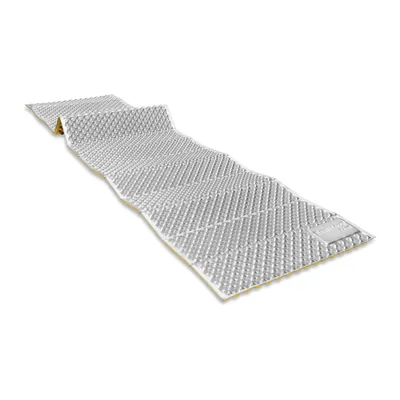
Therm-a-Rest Z Lite Sol
An accordion-fold foam pad rated R 2.0, 14 oz in Regular: the bottom layer of the winter combo, which also protects an air pad from rocks.
View on Amazon (opens in a new tab)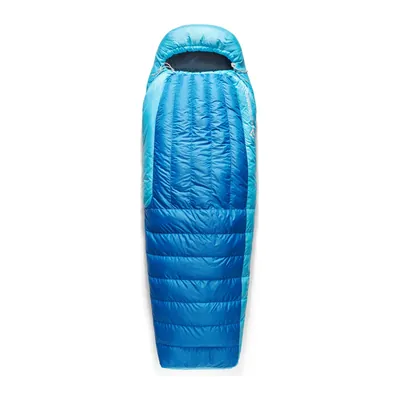
Sea to Summit Trek 30°F
A down bag named after its limit temperature, 30 °F; its comfort temperature, the one to shop by, is 37 °F under ISO 23537. 2.47 lb in Regular.
View on Amazon (opens in a new tab)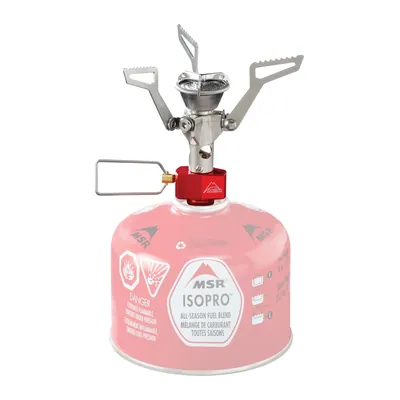
MSR PocketRocket 2
A 2.6 oz canister stove that boils a liter of water in 3.5 minutes: where stoves are allowed, it saves building a fire, which is often banned.
View on Amazon (opens in a new tab)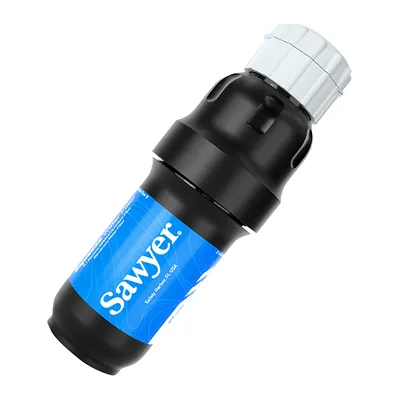
Sawyer Squeeze
A hollow-fiber filter rated at 0.1 micron absolute that removes bacteria and protozoa, but not viruses: follow up with a disinfectant, as the CDC advises. Keep it from freezing.
View on Amazon (opens in a new tab)
Worth watching
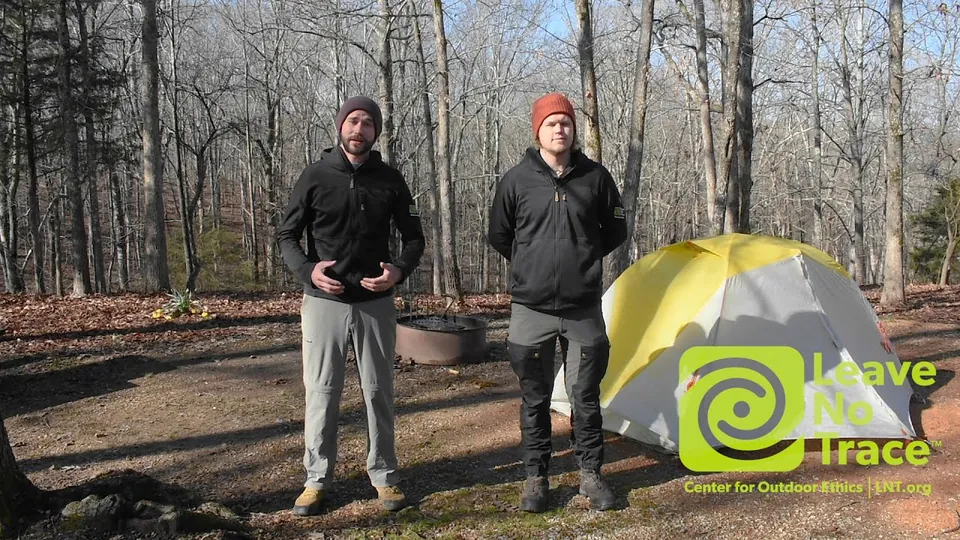
Leave No Trace shows what to look for in a campsite that helps you sleep well and be ready for the next day, while keeping its principles in mind.
The video is hosted by YouTube (Google): nothing loads until you play it, and Google may then set cookies.
FAQ
How do I plan my first backcountry camping trip?
Pick a summer night with a calm forecast, a short hike in, and a site where camping is allowed, with a permit if the park requires one and a bail-out option nearby. Set up your tent once before you go, and bring an insulated pad, a sleeping bag picked by its comfort rating, water and a way to treat it, a stove, and a headlamp. Then leave a trip plan with someone you trust.
Do I need a permit to camp in the backcountry?
In many national parks, yes. Yosemite, Rocky Mountain, and Shenandoah all require one to camp overnight in their backcountry, often reserved through Recreation.gov; as of October 2026, Shenandoah charges $9 per person plus a $6 reservation fee. On Bureau of Land Management land, by contrast, most areas don’t require a permit or reservation. Either way, check the rules of the park or forest where you’ll camp before you go.
What is dispersed camping?
It’s camping on public lands away from developed recreation facilities, as the Bureau of Land Management defines it. On BLM land, stays are generally limited to 14 days within any 28-day period, and you’re asked to stay at least 200 feet from lakes, rivers, and streams, to camp within 150 feet of designated routes, and not within 1 mile of campgrounds, trailheads, or picnic areas. National forests set their own stay limits.
How do I store food in bear country?
Follow the park’s rules, which can be strict. Yosemite requires bear canisters for overnight hikers throughout its wilderness, no longer allows hanging food, and can fine you up to $5,000; Rocky Mountain requires a canister below tree line from April 1 to October 31. Everywhere in bear country, the National Park Service says to store food at least 200 feet from where you sleep, and never to keep food in your tent.
Can I cook inside my tent?
No. MSR’s stove instructions say never to use it in an enclosed space such as a tent or vestibule, because it can produce odorless carbon monoxide that can kill you, and the Consumer Product Safety Commission warns against using heaters or lanterns while sleeping in a tent. Cook outside, sheltered from the wind, shut the stove off before bed, and count on your pad, your bag, and a dry layer to stay warm, never on a flame.
Is it safe to go backcountry camping alone?
It can be, with precautions. Accidents happen even to experienced backcountry travelers, so the National Park Service’s best practice is to travel with others. For a first night, go with a friend, on terrain you know. Alone or not, leave a trip plan with a trusted contact who isn’t on the trip, with your route and return time: if they don’t hear from you, they contact the authorities.
Sources
- National Park Service, “Wilderness & Backcountry Camping,” updated July 2, 2024, accessed October 29, 2026. nps.gov https://www.nps.gov/subjects/camping/backcountry-camping.htm ↩
- Écrins National Park and the Refuges Sentinelles network, “Connaître pour mieux gérer le bivouac dans le parc national des Écrins” (in French), study report, summer 2025, accessed October 29, 2026. ecrins-parcnational.fr https://www.ecrins-parcnational.fr/sites/ecrins-parcnational.com/files/article/27592/bivouacrapportrefugesentinellepnecompressed.pdf ↩
- National Park Service, “Finding and Setting Up a Campsite,” updated December 2, 2020, accessed October 29, 2026. nps.gov https://www.nps.gov/subjects/camping/finding-and-setting-up-a-campsite.htm ↩
- Shenandoah National Park, “Backcountry Permit & Regulations,” National Park Service, updated July 29, 2025, accessed October 29, 2026. nps.gov https://www.nps.gov/shen/planyourvisit/backcountry-regulations.htm ↩
- Yosemite National Park, “Wilderness Permit Reservations,” National Park Service, updated June 22, 2026, accessed October 29, 2026. nps.gov https://www.nps.gov/yose/planyourvisit/wpres.htm ↩
- Rocky Mountain National Park, “Wilderness Camping Guide,” National Park Service, updated July 21, 2026, accessed October 29, 2026. nps.gov https://www.nps.gov/romo/planyourvisit/wild_guide.htm ↩
- Bureau of Land Management, “Camping on Public Lands,” accessed October 29, 2026. blm.gov https://www.blm.gov/programs/recreation/camping ↩
- Code of Federal Regulations, 36 CFR 261.58, “Occupancy and use” (Forest Service prohibitions in areas designated by order), 2025 edition, govinfo.gov, accessed October 29, 2026. govinfo.gov https://www.govinfo.gov/content/pkg/CFR-2025-title36-vol2/xml/CFR-2025-title36-vol2-sec261-58.xml ↩
- Tatonka, “Basic Knowledge: Erecting a Tarp and Different Ways,” blog, updated May 15, 2023, accessed October 29, 2026. blog.tatonka.com https://blog.tatonka.com/en/basic-knowledge-erecting-a-tarp/ ↩
- Exped, “FAQs,” answer to “What is R-Value,” accessed October 29, 2026. exped.com https://www.exped.com/en/faqs ↩
- Rab, “Sleeping Bag Temperature Ratings Explained,” Rab Lab, accessed October 29, 2026. rab.equipment https://rab.equipment/us/rab-lab/sleeping-bag-temperature-ratings-explained ↩
- MeteoSwiss, “Diminution de la température avec l’altitude” (in French), accessed October 29, 2026. meteosuisse.admin.ch https://www.meteosuisse.admin.ch/meteo/meteo-et-climat-de-a-a-z/temperatures/diminution-de-la-temperature-avec-laltitude.html ↩
- Rocky Mountain National Park, “Hypothermia,” National Park Service, updated March 6, 2026, accessed October 29, 2026. nps.gov https://www.nps.gov/romo/planyourvisit/hypothermia.htm ↩
- French Hiking Federation (FFRandonnée), “Passer une nuit en pleine nature” (in French), hikers’ charter, July 9, 2025, accessed October 29, 2026. ffrandonnee.fr https://www.ffrandonnee.fr/randonner/la-charte-du-randonneur/passer-une-nuit-en-pleine-nature ↩
- Minnesota Department of Health, “Preventing Illness while Camping, Hiking, and Traveling,” updated December 24, 2025, accessed October 29, 2026. health.mn.gov https://www.health.mn.gov/diseases/waterborne/prevention/backcountry.html ↩
- National Park Service, “Leave No Trace Seven Principles,” updated June 16, 2022 (principles © 1999 Leave No Trace Center for Outdoor Ethics), accessed October 29, 2026. nps.gov https://www.nps.gov/articles/leave-no-trace-seven-principles.htm ↩
- Yosemite National Park, “Wilderness Regulations,” National Park Service, updated June 16, 2026, accessed October 29, 2026. nps.gov https://www.nps.gov/yose/planyourvisit/wildregs.htm ↩
- MSR (Cascade Designs), DragonFly stove instruction manual, manufacturer’s leaflet, accessed October 29, 2026. cascadedesigns.com https://cascadedesigns.com/cdn/shop/files/11774Dragonfly_Instructions_33-950_ENG.pdf ↩
- U.S. Consumer Product Safety Commission, “CPSC Warns of Carbon Monoxide Poisoning Hazard with Camping Equipment,” Publication 5008, March 2014, accessed October 29, 2026. cpsc.gov https://www.cpsc.gov/s3fs-public/CampingEquipmentPortableHeaterSafetyAlert.pdf ↩
- National Weather Service, Louisville office, “What Does Probability of Precipitation Mean?” accessed October 29, 2026. weather.gov https://www.weather.gov/lmk/pops ↩
- National Park Service, “When Thunder Roars, Go Indoors,” lightning safety, updated June 25, 2018, accessed October 29, 2026. nps.gov https://www.nps.gov/articles/lightning-safety.htm ↩
- National Park Service, “Hike Smart,” updated June 13, 2024, accessed October 29, 2026. nps.gov https://www.nps.gov/articles/hiking-safety.htm ↩
- National Park Service, “Trip Plan,” updated July 10, 2023, accessed October 29, 2026. nps.gov https://www.nps.gov/articles/gtgtripplan.htm ↩
- National Park Service, “Outdoor Emergency Plan,” updated June 21, 2023, accessed October 29, 2026. nps.gov https://www.nps.gov/articles/gtgemergencyplan.htm ↩
- European Commission, “112 - the EU’s emergency phone number,” accessed October 29, 2026. digital-strategy.ec.europa.eu https://digital-strategy.ec.europa.eu/en/policies/112 ↩
- Sequoia & Kings Canyon National Parks, “Camping Safety,” National Park Service, updated May 31, 2024, accessed October 29, 2026. nps.gov https://www.nps.gov/seki/planyourvisit/camping-safety.htm ↩
- Grand Canyon National Park, “Weather Dangers,” National Park Service, updated March 12, 2025, accessed October 29, 2026. nps.gov https://www.nps.gov/grca/planyourvisit/weather-dangers.htm ↩
- Swiss Alpine Club (SAC), “Camper et bivouaquer” (in French), accessed October 29, 2026. sac-cas.ch https://www.sac-cas.ch/fr/environnement/sports-de-montagne-et-environnement/camper-et-bivouaquer/ ↩
- Yosemite National Park, “Bears and Food Storage,” National Park Service, updated March 14, 2024, accessed October 29, 2026. nps.gov https://www.nps.gov/yose/planyourvisit/bears.htm ↩
- Yosemite National Park, “Food Storage While Backpacking,” National Park Service, updated December 4, 2023, accessed October 29, 2026. nps.gov https://www.nps.gov/yose/planyourvisit/bearcans.htm ↩
- Shenandoah National Park, “Food Storage,” National Park Service, updated October 25, 2023, accessed October 29, 2026. nps.gov https://www.nps.gov/shen/planyourvisit/food-storage.htm ↩
- National Weather Service, “When a Safe Building or Vehicle is Nearby,” lightning safety, accessed October 29, 2026. weather.gov https://www.weather.gov/safety/lightning-outdoors ↩
- John S. Jensenius Jr., National Lightning Safety Council, “A Detailed Analysis of Lightning Deaths in the United States from 2006 through 2019,” February 2020, published by the National Weather Service, accessed October 29, 2026. weather.gov https://www.weather.gov/media/safety/Analysis06-19.pdf ↩
- National Park Service, “One Health and Disease: Tick-Borne Disease,” updated February 7, 2025, accessed October 29, 2026. nps.gov https://www.nps.gov/articles/one-health-disease-ticks-borne.htm ↩

Camping, backpacking, bushcraft and hiking
Guillaume Hoarau writes for Outfarer about camping, backpacking, bushcraft, and hiking. A survival-skills buff and a collector of vintage field manuals, he loves clear explanations, lists that actually help and other people’s stories, which he tells well.