 Français (France)
 English (UK)
 English (US)
 Deutsch (Deutschland)

Contents
Saturday night, the trail map spread across the kitchen table, somewhere between the bread for tomorrow’s sandwiches and the grocery list: that’s often where a good hike is won. You don’t need an expedition to get ready for a day on the trail. What matters is doing things in the right order, without skipping any. This guide follows that order, from picking a trail to getting back home, and each step points to our detailed guides.
Its advice comes from official recommendations, mainly the National Park Service’s [1], and from our own guides, each with its own sources. It applies to a day hike on a marked trail, from rolling hills to the mountains. Not sure a trail is within your reach? The Park Service suggests checking the park’s website or asking a ranger, who can also recommend trails [1].
| When | What to do |
|---|---|
| A few days out | Pick the hike, estimate how long it takes, check the rules and how you’ll get there, reserve a hut or a permit if needed |
| The night before | Check the forecast, map your route, pack your backpack, leave a trip plan with someone |
| That morning | Check the forecast again, fill your water bottles, grab your charged phone |
| On the trail | Keep an eye on the time and on how everyone’s doing, drink and snack regularly, know when to turn back |
| Back home | Let your contact know you’re back, check for ticks, note your hiking time, report any problem |
Based on the National Park Service’s recommendations and on our guides. [1]
1Pick a hike that fits you
It all starts with a simple question: is this hike right for you, and for everyone coming along? The Park Service asks you not to overestimate your abilities, and to pick a trail that everyone in your group can complete and enjoy safely [1]. Three numbers answer most of the question: the distance, the elevation gain, and how rough the terrain is, which the trail’s difficulty rating sums up.
Then estimate how long it will take. The French Hiking Federation bases its times on a hiker who’s “neither a beginner nor a speedster”: about 2.5 mph (4 km/h) on the flat and, in the mountains, 1,000 to 1,150 feet (300 to 350 m) of climbing per hour, breaks not included [2]. The simplest method adds the two together: a 7.5-mile (12 km) loop with 2,000 feet (600 m) of elevation gain takes about 3 hours for the distance and 2 hours for the climb, or 5 hours of hiking, plus breaks. Our hiking time calculator does the math for you.
The high point of the hike matters too: it tells you what the terrain will be like and whether you might hit snow [2]. Check the rules where you’re headed as well: each park sets its own, from wildlife viewing distances to food storage, and you’ll find them on the park’s website or by asking a ranger [3]. The same goes for France’s national parks, especially on dogs and camping. And plan how you’ll get to the trailhead and back: if you’re counting on a shuttle, note when the last one leaves.


2Map your route, on paper and on your phone
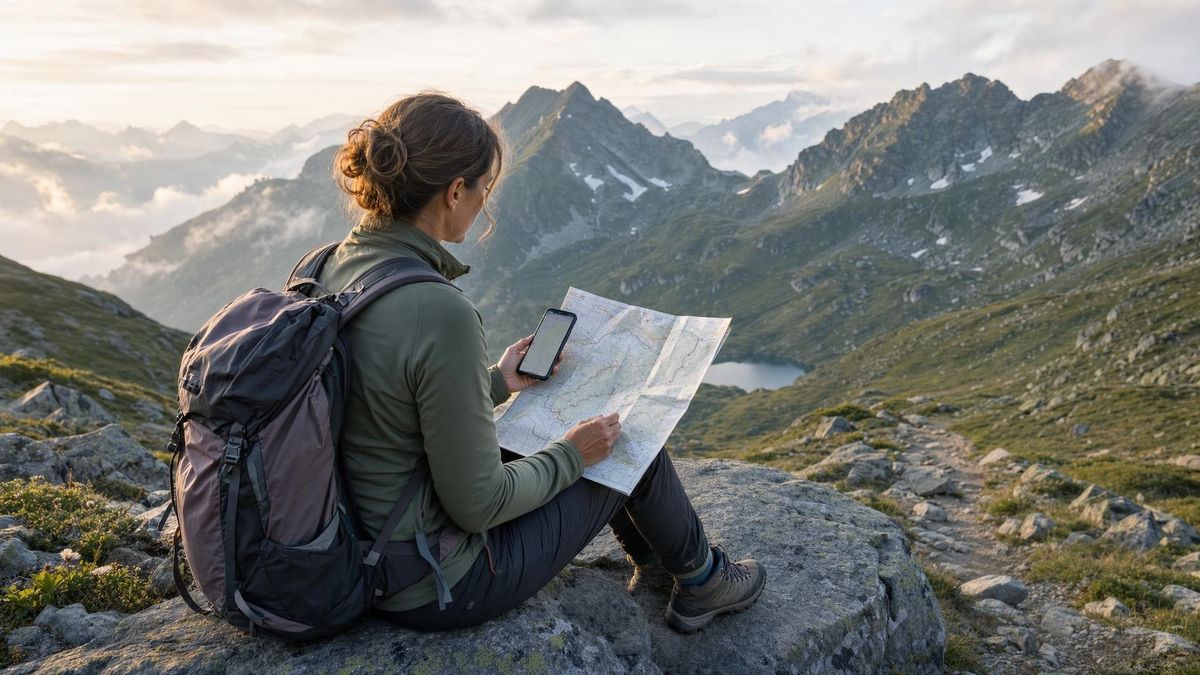
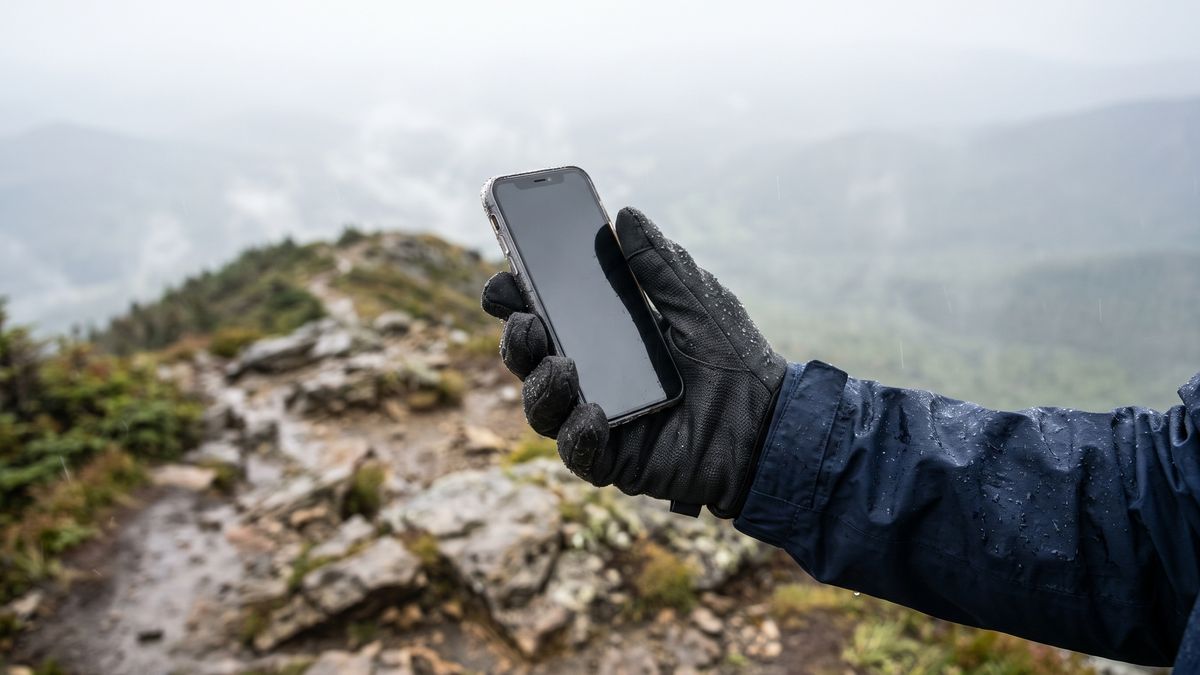
Once you’ve picked your hike, trace it with your finger on the map. The Park Service asks you to know how to use a topographic map, compass, or GPS before you go, to carry a physical map as a backup, and to pack an extra battery for your phone [4]. Don’t count on the phone alone: there may be no cell coverage in the park [1]. The best of both worlds: the paper map in your pack, and the route saved offline on a charged phone.
While you’re at it, note what the map shows and the sign at the trailhead won’t: water sources, shelters, road crossings, bail-out trails. The Swiss Council for Accident Prevention (BFU) recommends knowing from the start where you can turn back or skip a tricky stretch [5]. I’d add a turnaround time: once it passes, you head back, even if the summit looks close enough to touch.
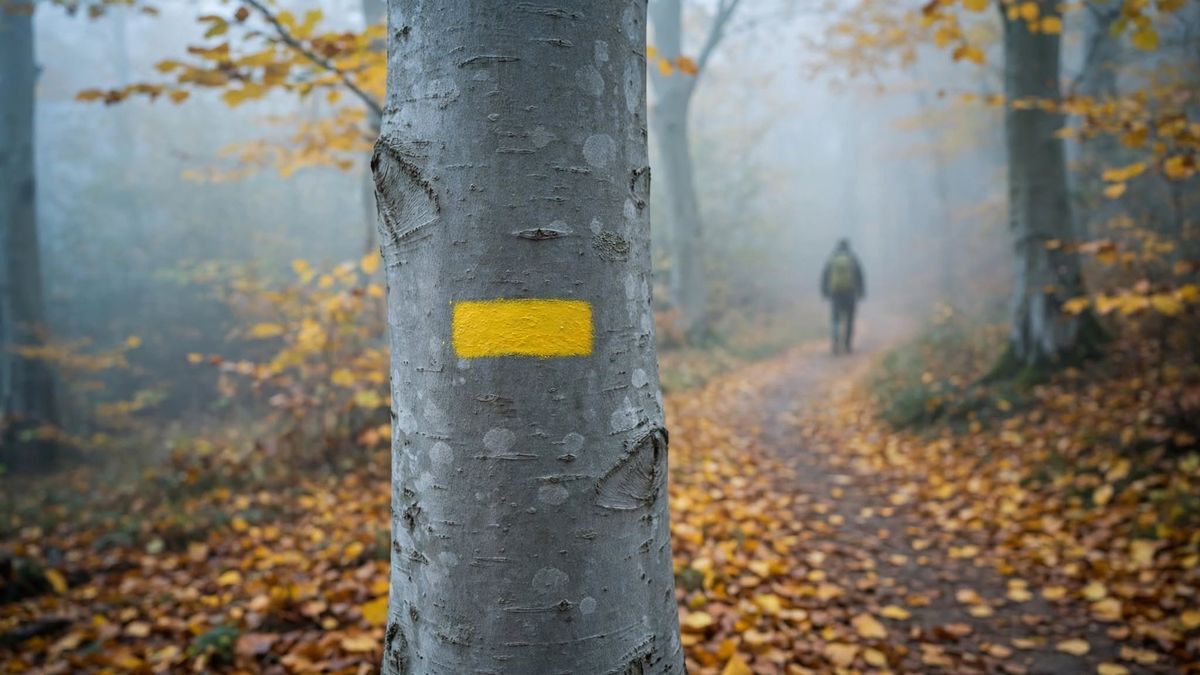
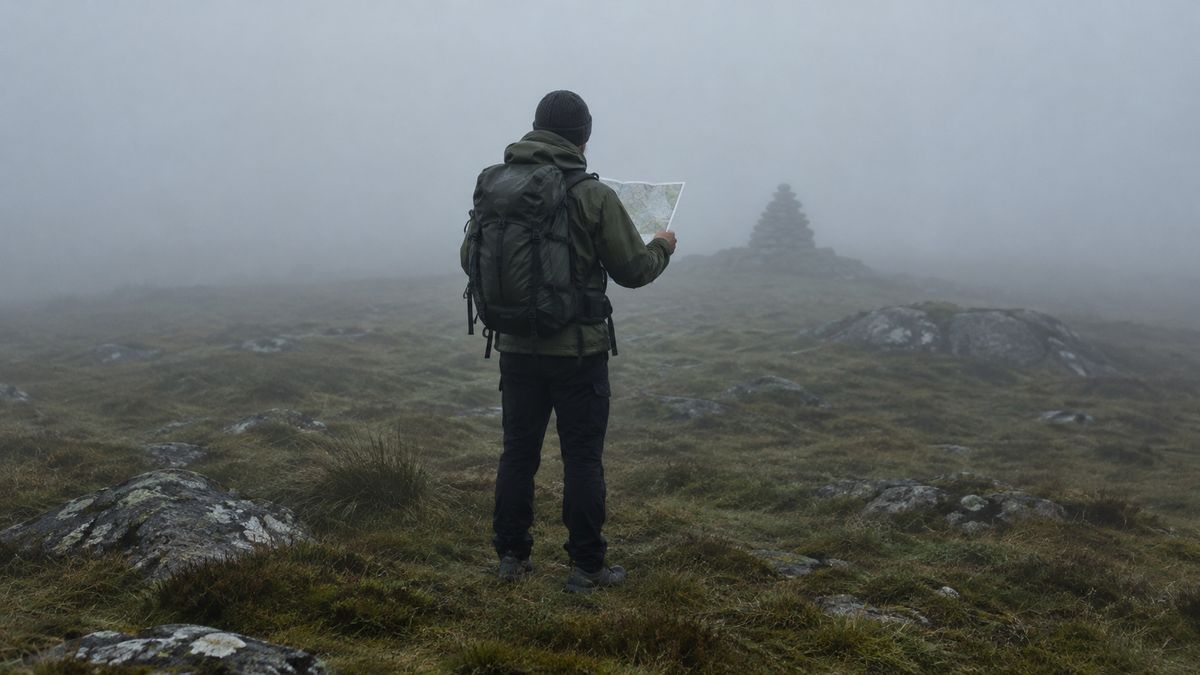
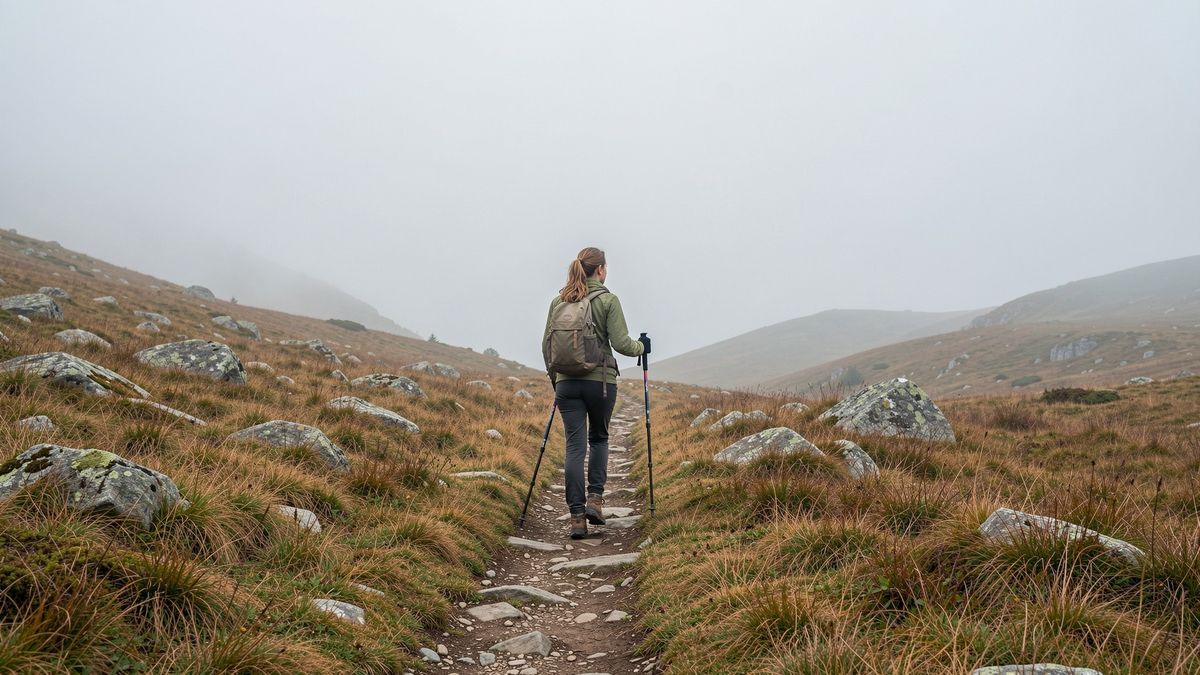
Along the way, trail markers and blazes guide you, though their colors change from one trail system to the next. They back up the map without replacing it: the day fog rolls in, knowing how to take a bearing becomes invaluable.


3Check the weather and trail conditions, the night before and that morning
The night before, then again the morning you head out, check the National Weather Service forecast on weather.gov: click the map on the spot you’re heading for, and the forecast covers a square of about 3 miles (5 km) around it, rather than the nearest town [6]. A 30% chance of rain is the chance that at least 0.01 inch falls at that spot over the period, often 12 hours: it says nothing about how long or how hard it will rain [6]. Read the details, then decide. Thunderstorms are the classic summer trap: they usually build in the early afternoon, so the Park Service suggests heading out early, with a Plan B ready if storms are forecast [7].
If the forecast looks bad, switch to your Plan B or stay home: when conditions aren’t ideal, the Park Service tells you not to take the chance [1]. Make sure the trail itself is open, too: a washout, a bridge out, or a closure may be waiting at the trailhead. Park alerts list trail closures, wildfire risks, and other hazards, and rangers at the visitor center can fill you in on conditions [1].
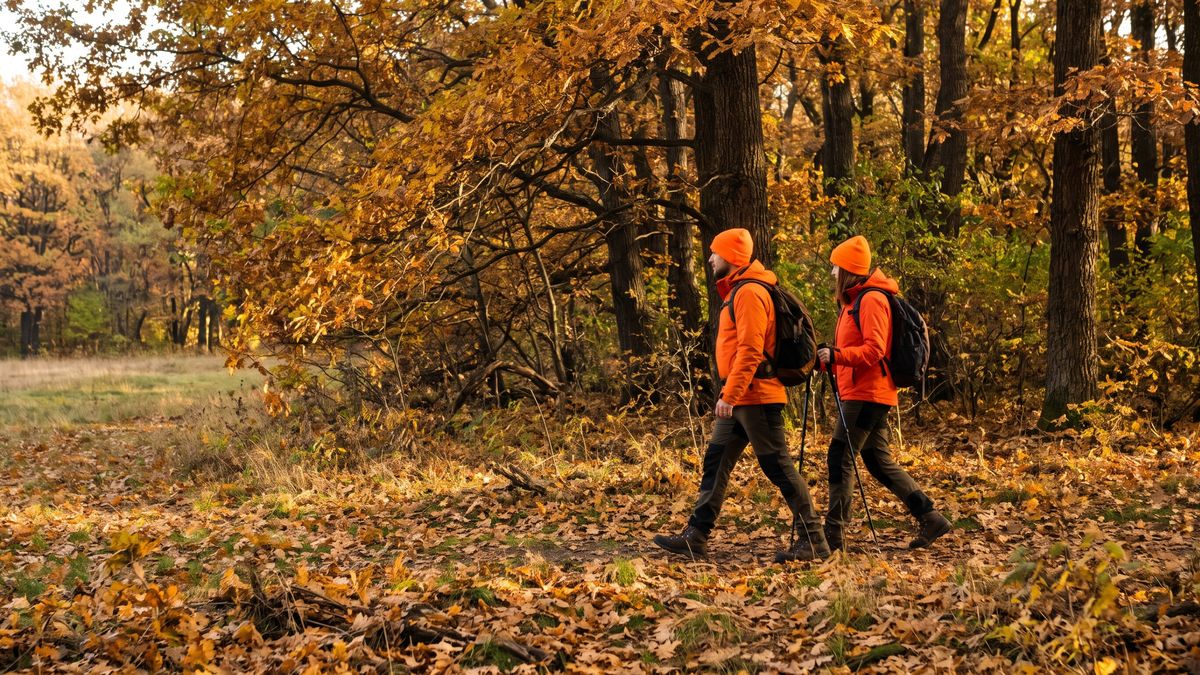
Keep hunting season in mind, too: hunting is allowed on some public lands, including a few national park units. At Sleeping Bear Dunes National Lakeshore, in Michigan, the state’s hunting seasons often overlap with busy visitor periods, and the park notes that many visitors don’t realize hunting may be going on. Its advice holds wherever hunters may be out: wear blaze orange or other bright colors, and stick to marked trails [8].


4Gear up and pack your backpack
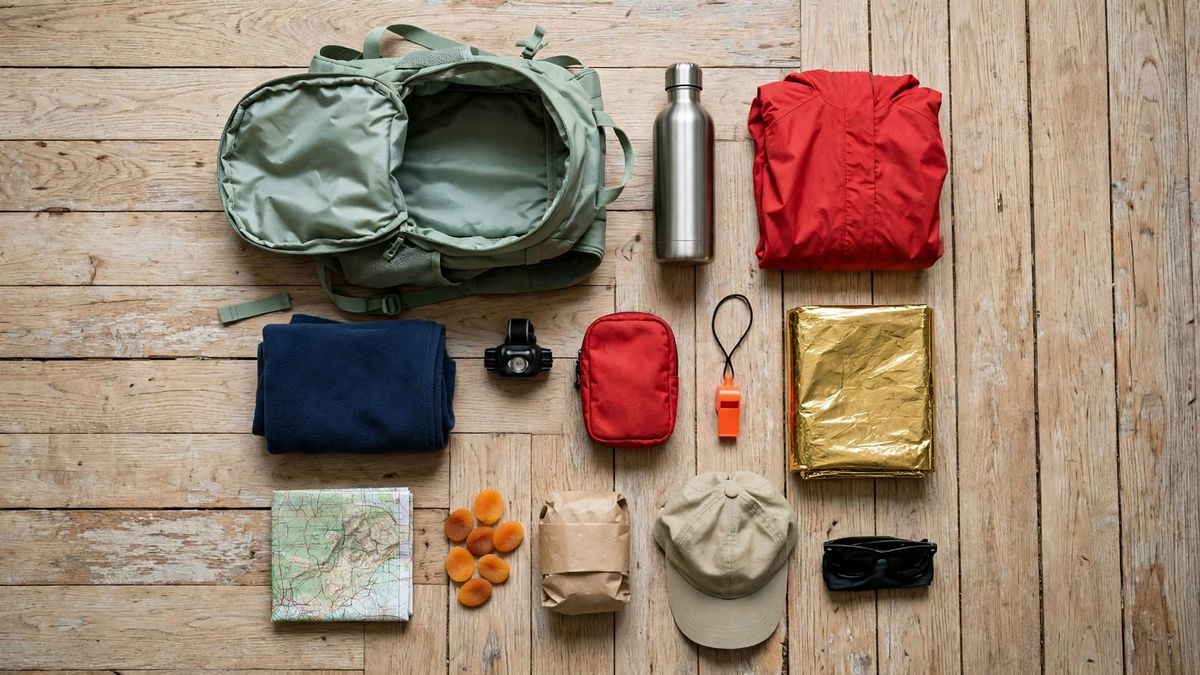
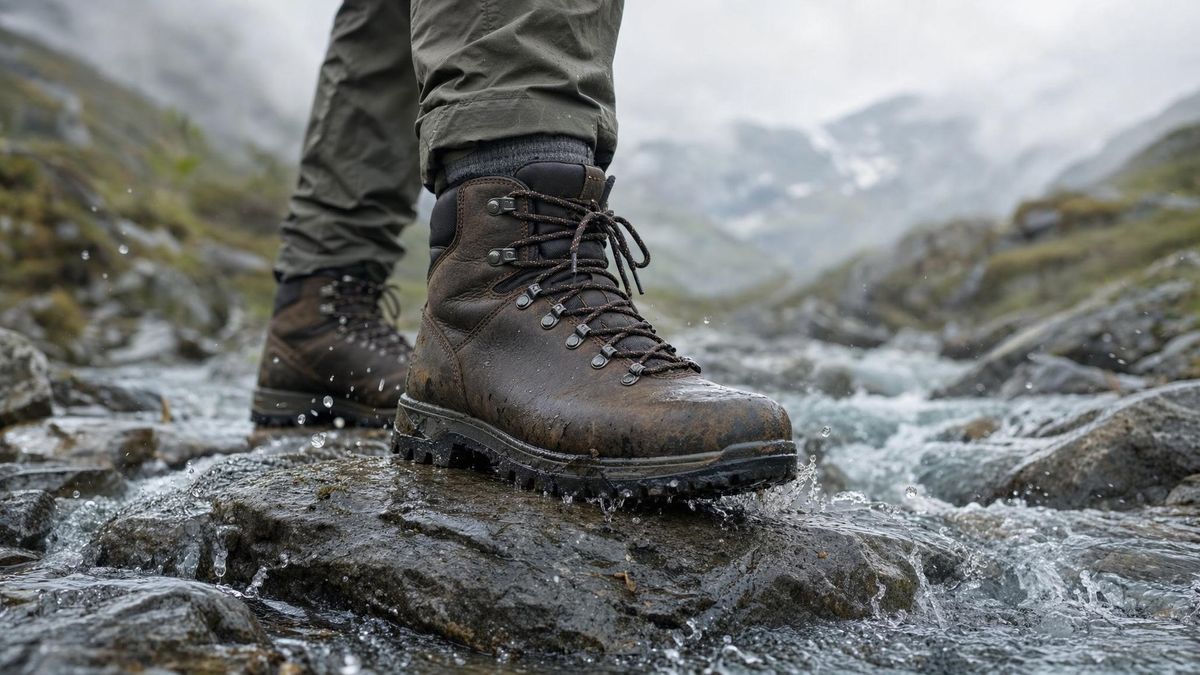
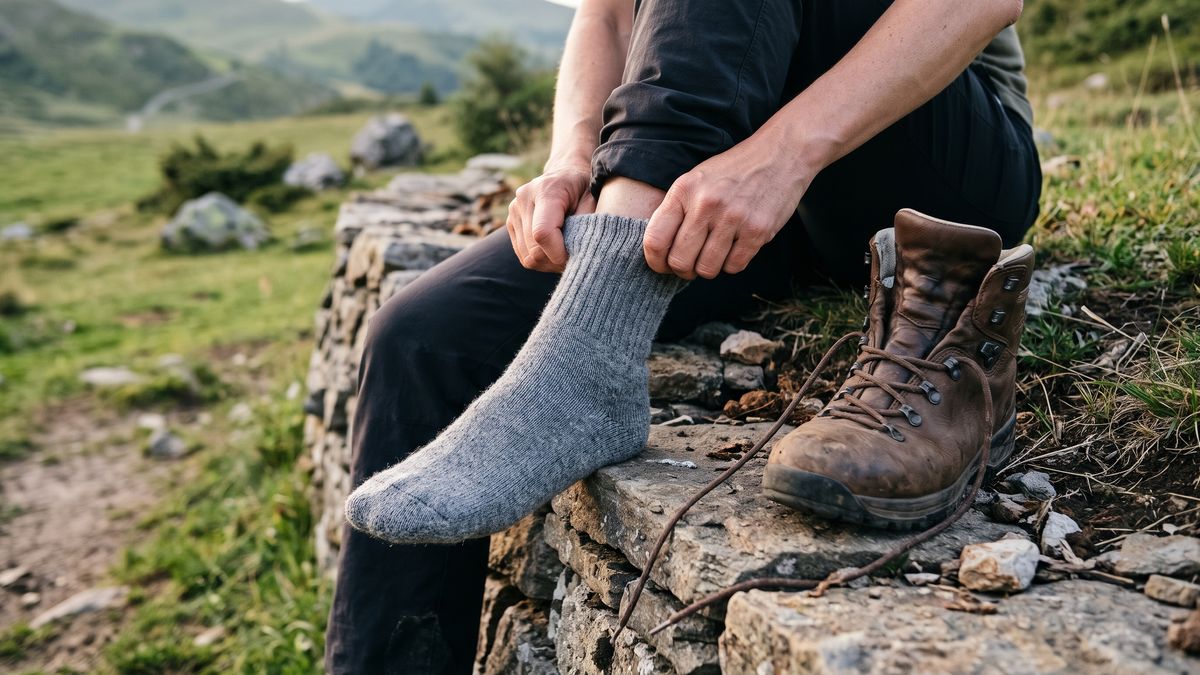
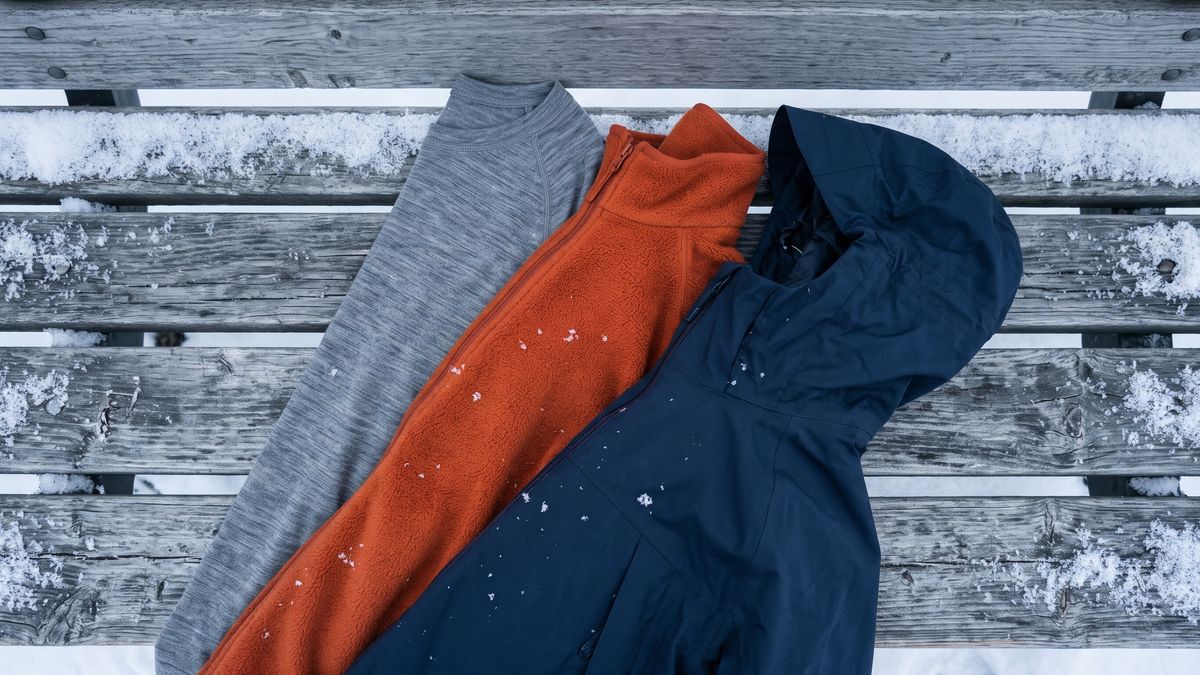
Start with your feet: hiking boots suited to the terrain, ideally already broken in, rather than a new pair straight out of the box the night before. For dirt and gravel trails, the Park Service recommends sturdy, rubber-soled boots with ankle support, and wool or synthetic socks that wick moisture, plus a spare pair [1]. Clothing follows the three-layer system: one layer that wicks sweat, one that insulates, one that blocks wind and rain. Even on a bluebird day, the Ten Essentials call for an extra layer matched to the worst conditions you could face, and sun protection: sunglasses, sunscreen, and a hat [4].
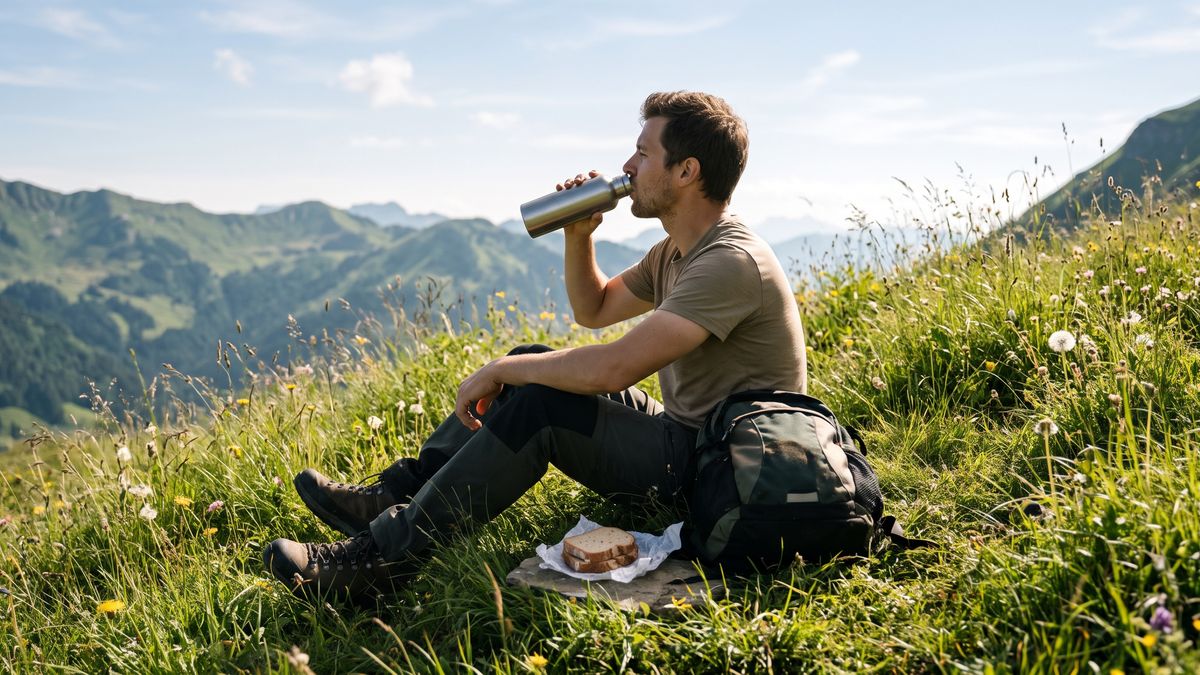
For water, the French Hiking Federation recommends at least 51 fluid ounces (1.5 liters) per person on a summer hike in the mountains [9], more in the heat or on a longer day, and the Park Service’s Ten Essentials say to drink water often [4]. For food, it suggests salty, easy-to-digest snacks such as trail mix, nuts, and granola bars, plus extra food in case your plans change [4]. On a long hike, find the water sources on the map, and treat the water before you drink it.
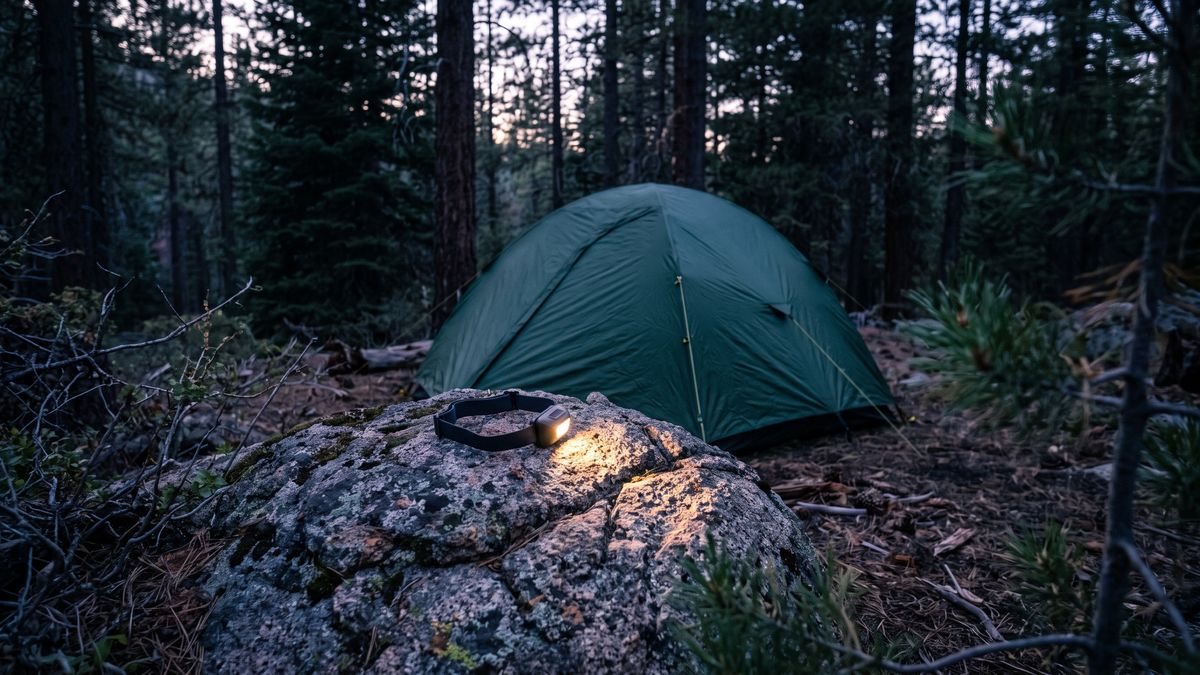
Pack a headlamp, even on a day hike: a delay or a wrong turn is all it takes to finish in the dark, and the Park Service favors headlamps because they keep your hands free, with spare batteries [4]. The rest of the Ten Essentials, a system developed by The Mountaineers and promoted by the Park Service, covers first aid, a way to start a fire, a repair kit with a knife, and emergency shelter such as a space blanket [4]. Add a whistle, which helps people find you and saves you from yelling [10], and fine-tipped tweezers for ticks [11]. The full checklist is at the bottom of the page, ready to print.


5Leave a trip plan and prepare for the unexpected
Before you go, tell someone where you’re going, by which route, and when you expect to be back. The Park Service suggests putting it in writing in a trip plan, with your contact details and who’s coming along, and leaving it with a trusted friend or relative who isn’t on the hike [1]. Don’t leave it with the park, which won’t accept it; if you’re not back on time, your contact tries to reach you, then calls the authorities [12]. It’s the simplest precaution of all: if you don’t check in, someone knows where to start looking.
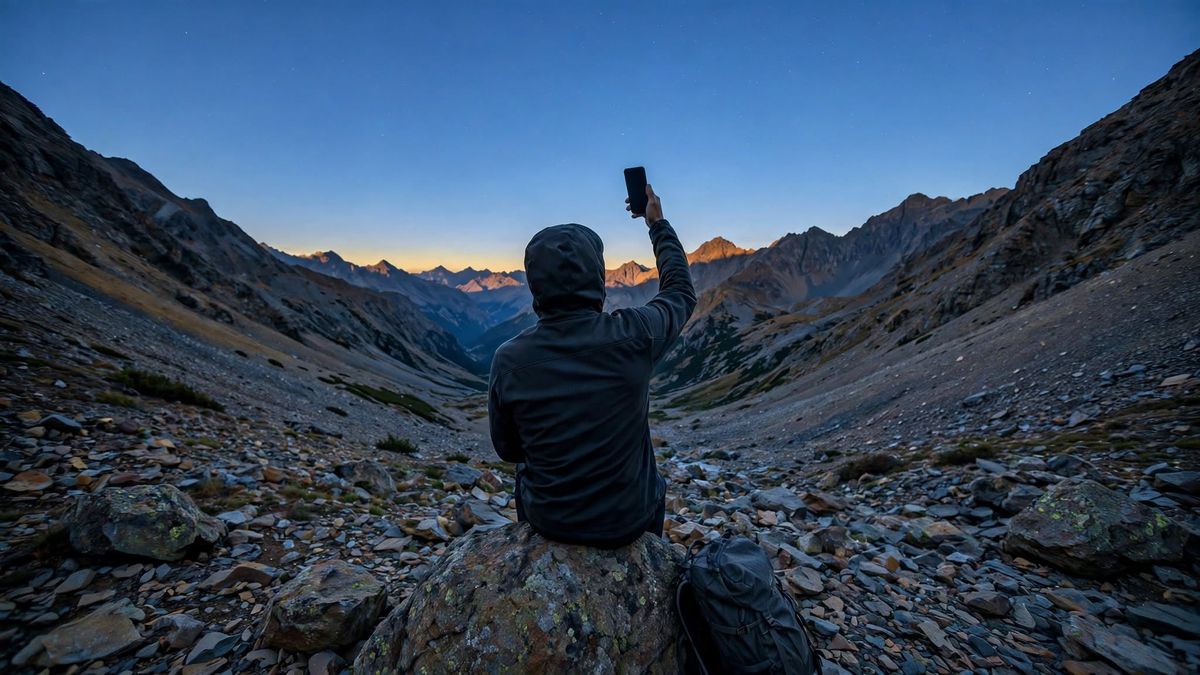
Take a charged phone. In an emergency, call 911 and give the dispatcher your GPS coordinates if your phone shows them, the trail where you started, and a description of your surroundings, then stay put [10]. Hiking in Europe? Dial 112, free of charge everywhere in the EU and used in Switzerland too [13]. Cell service often drops out right where you’d need it, though: calling for help without cell service takes planning too, from a charged battery to a whistle on your pack.
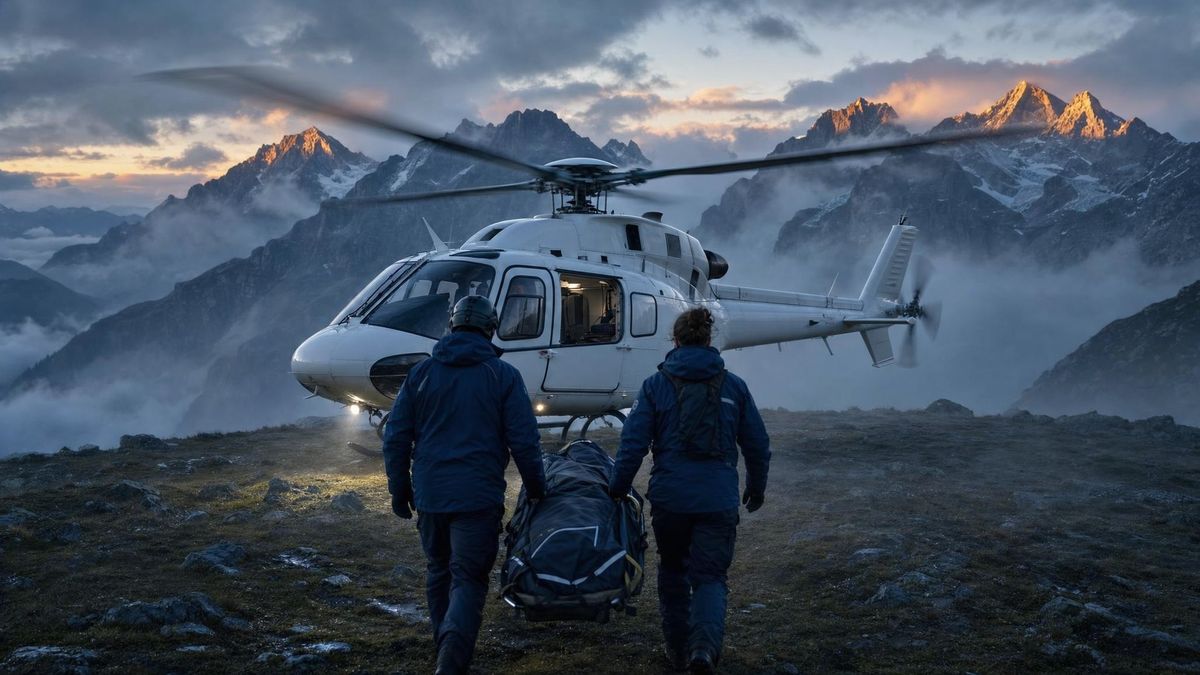
Check your insurance too, especially before a trip abroad: rescue costs aren’t covered the same way from one policy to the next, and in Europe, alpine club memberships range from no rescue coverage at all to €50,000.


6On the trail: keep a cushion
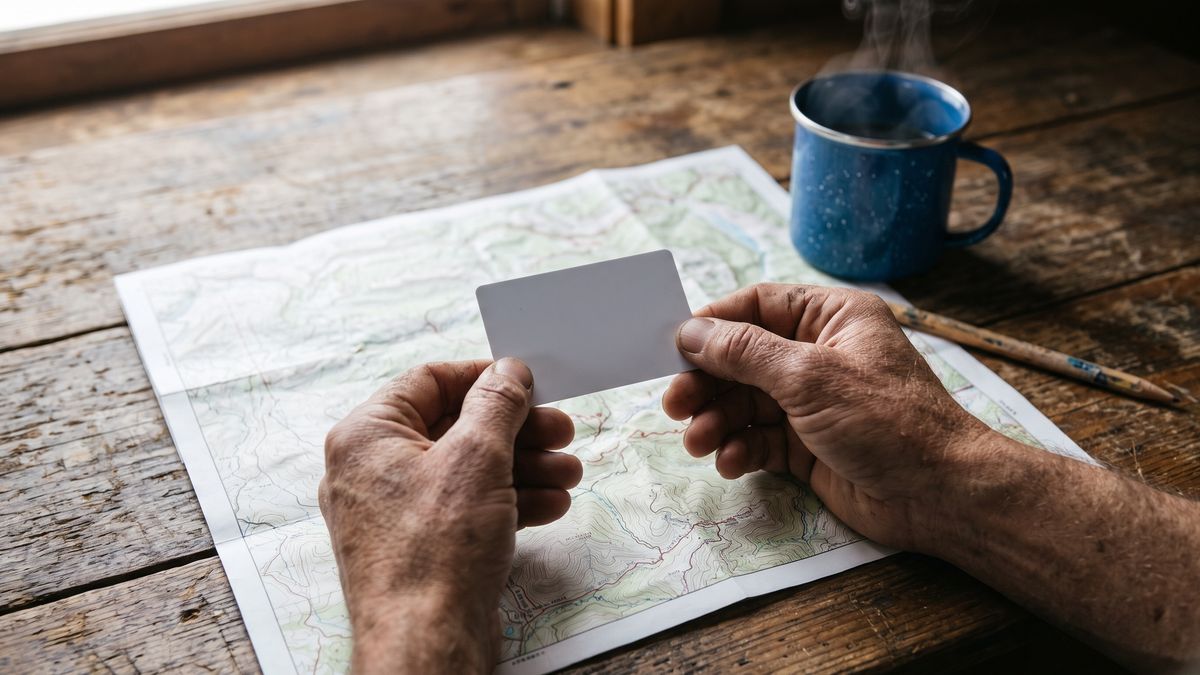
Once you’re on the trail, the planning keeps going. The Park Service recommends letting the slowest hiker set the pace, staying together, taking breaks often, snacking and drinking along the way, and keeping track of your time and distance [1]. Check the time against your plan: if you’re behind schedule at the halfway point, that’s the moment to cut the hike short, not at sunset.
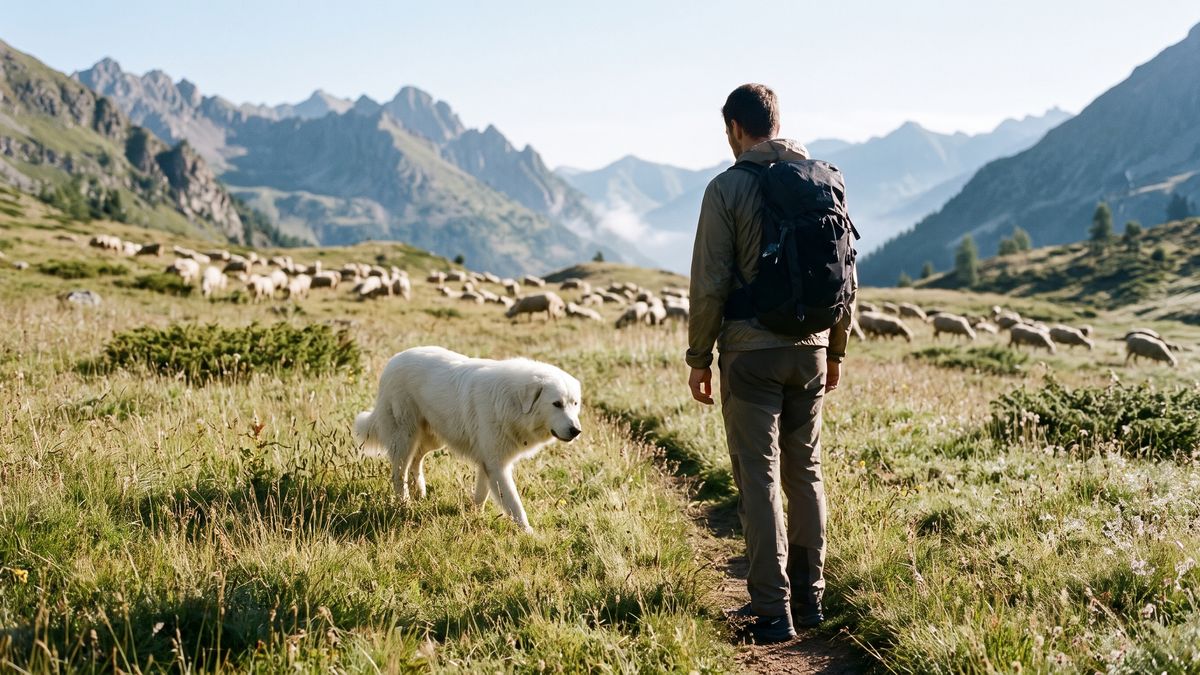
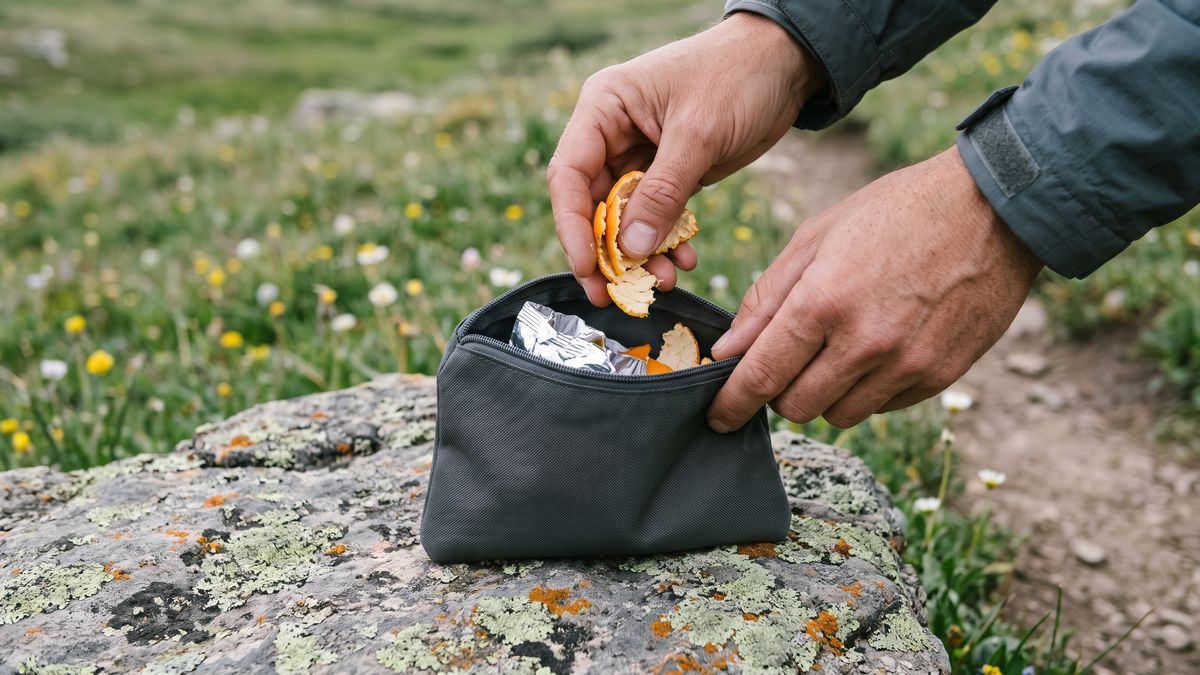
Stay on the trail, which keeps you from getting lost and protects the land around you [10], and leave no trace; check the park’s fire regulations before you head out, too [4]. Be courteous with others out there: when you’re heading downhill, step aside to let uphill hikers pass [1].


7Back home: three things to do
First, let the person holding your trip plan know you’re back: otherwise, they’re the one who may start to worry, or even call for help. Then check for ticks: the Park Service recommends inspecting your body, clothing, and pets after your hike, bathing within two hours, and doing a full-body check with a mirror; parents should check their children [11]. Ticks tend to turn up in hard-to-see spots such as the scalp, the groin, and under the arms [11].
Finally, jot down your actual hiking time. The French Hiking Federation suggests comparing it with guidebook times to learn your own pace [2], and your personal correction factor will make your next plan more accurate.

8Special cases: dogs, winter, kids, multiday trips
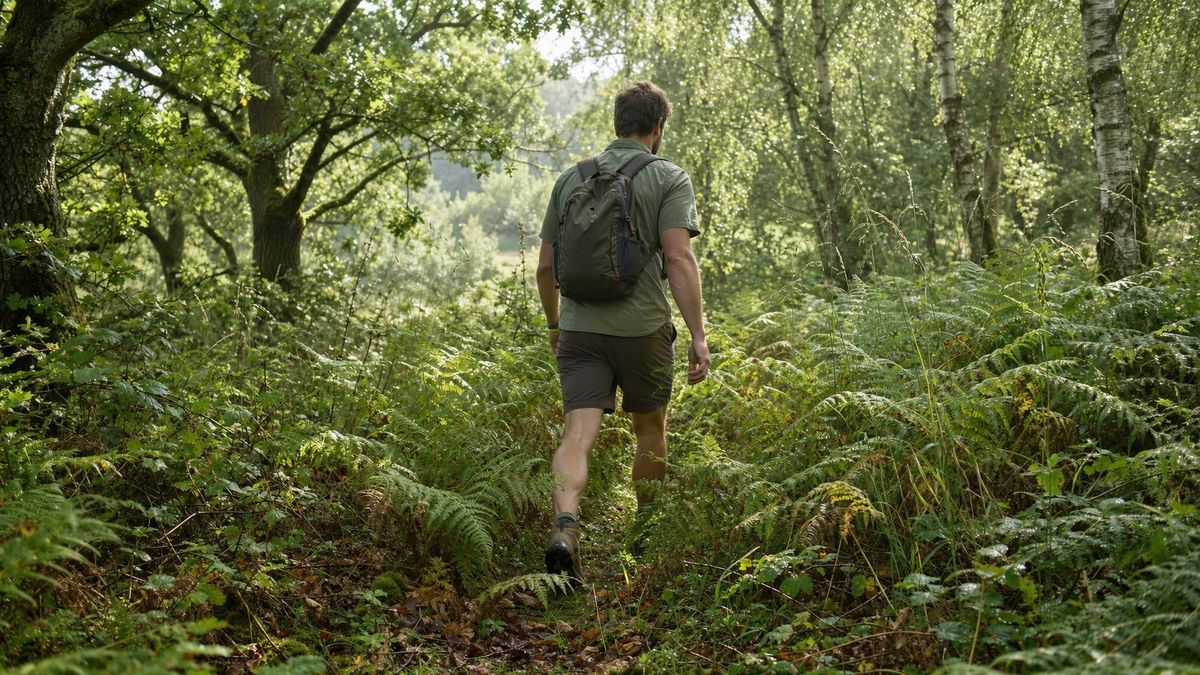
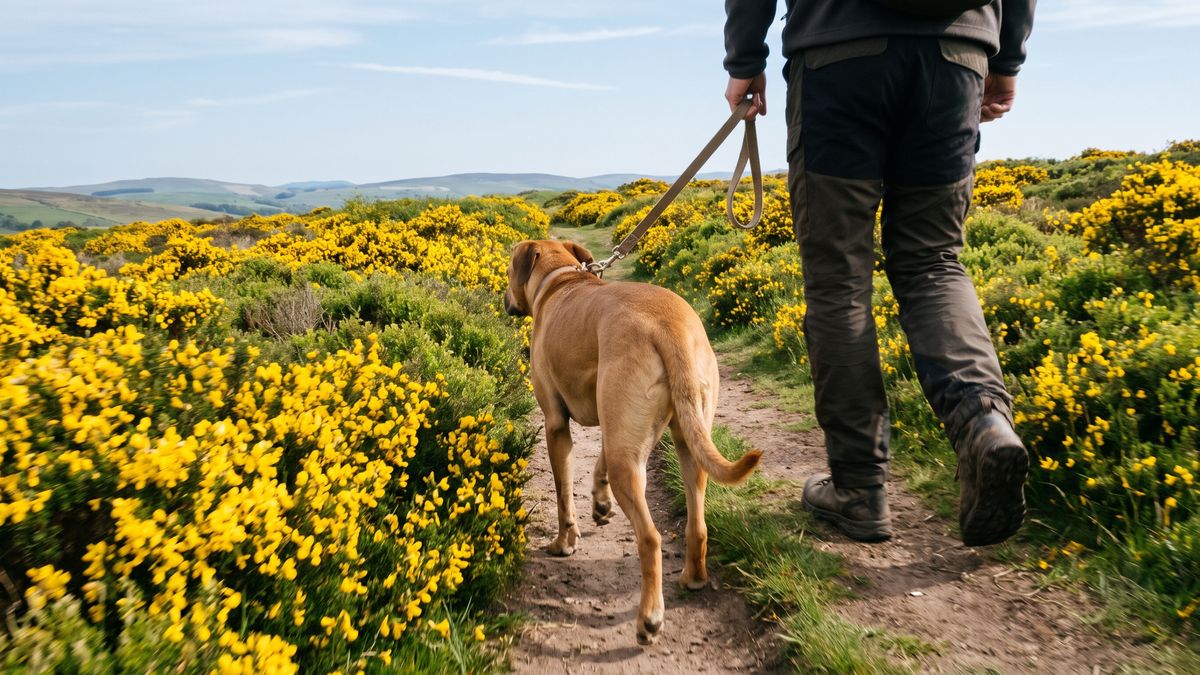
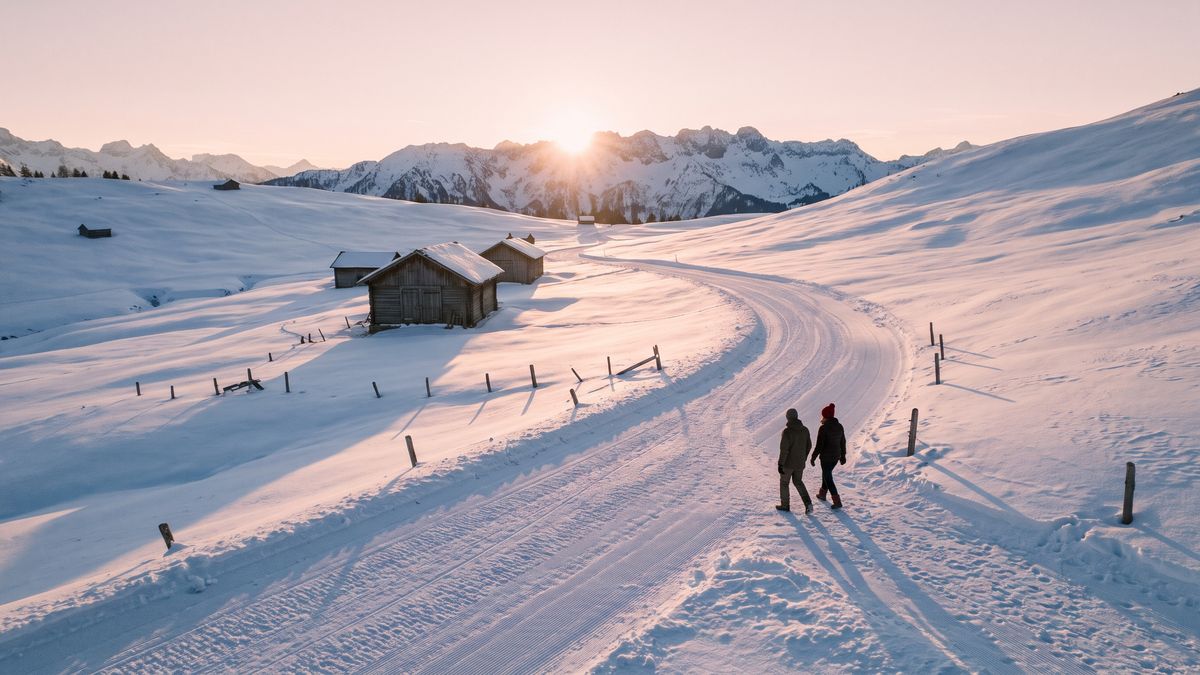
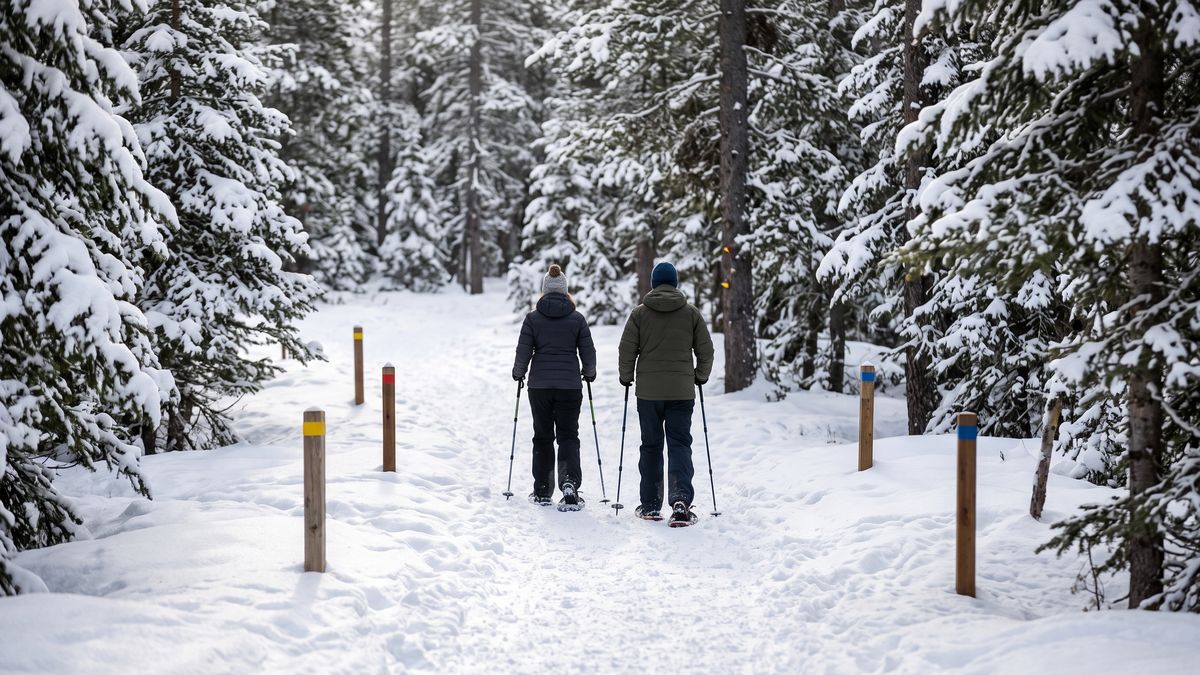
With a dog, the rules change with the season and the place: in US national parks, the federal rule is a leash no longer than 6 feet, and many trails are off-limits to pets; in France, several national parks ban dogs from their core zones. Our guide to hiking with your dog covers it all. In winter, stick to groomed, marked trails and plan around short days; in deep snow off the trails, snowshoes take over.
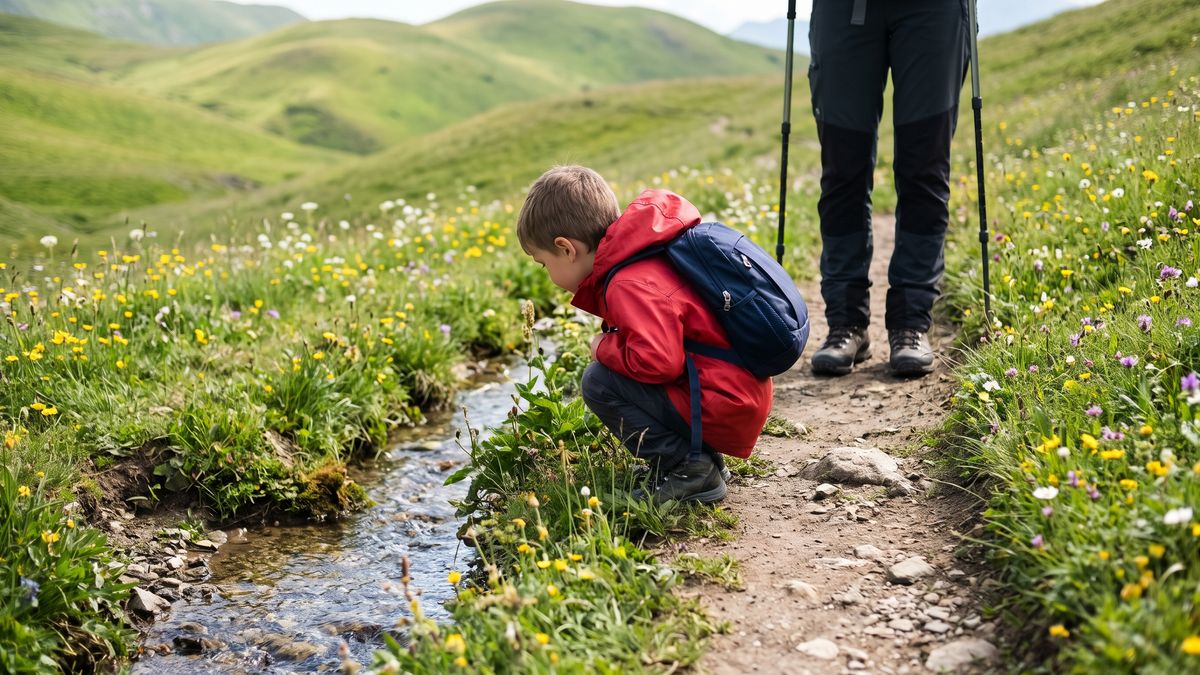
With kids, France’s sports ministry calls for extra vigilance: they tend to go all out, get dehydrated, and wear out fast, and their warning signs can come too late [15]. Our guide to hiking with kids breaks it down by age, from baby carrier to teen. For a multiday trip, planning moves up a notch: the French Hiking Federation suggests testing how your group gets along, and what it can handle, on a day hike first, and checking lodging at least six months ahead, since places on the most popular routes, like the Tour du Mont-Blanc, book up fast [16]. Going solo? The Park Service notes that hiking with a companion is safer, so take extra steps to be prepared if you go alone [1], and the French Hiking Federation advises against going into high or mid-elevation mountains alone at all, even in summer [16].
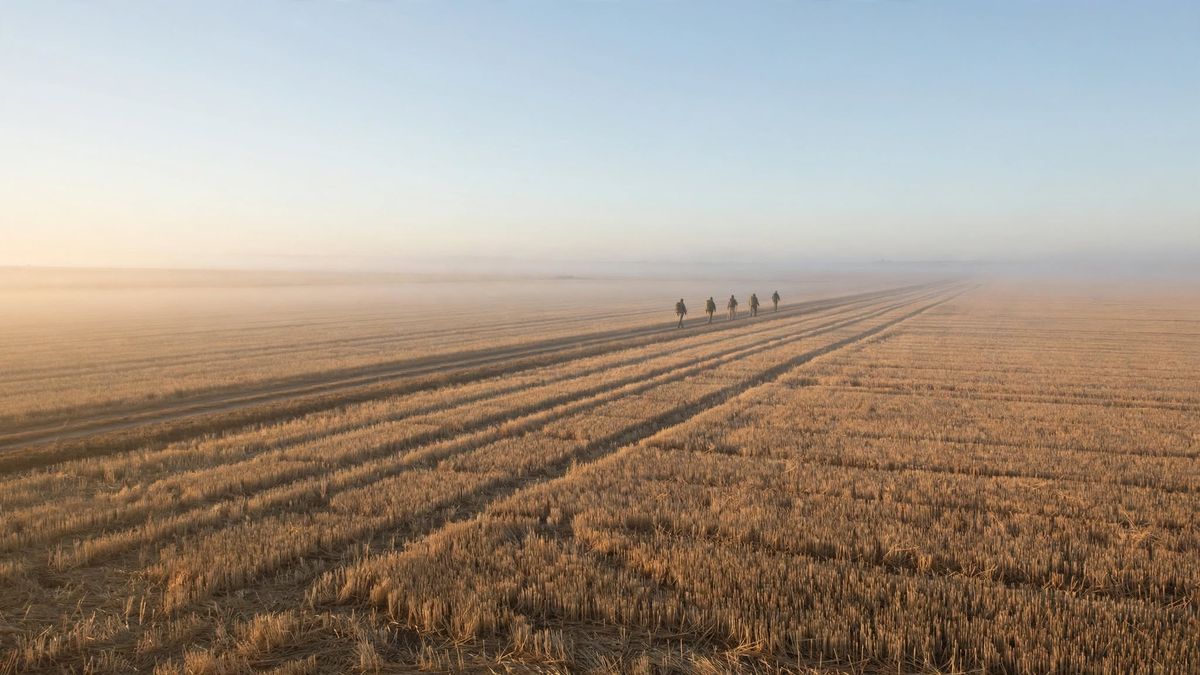


The checklist before you head out
The smart move: check it off the night before, then run through it again in the morning. It’s built on the Park Service’s Ten Essentials and its Hike Smart advice [1, 4]; adjust it to the length of your hike and the season.
- Trail picked for the least fit hiker, time estimated, turnaround time set
- Forecast checked the night before and that morning, Plan B ready
- Trip plan left with a trusted contact
- Paper map, route saved offline, compass
- Charged phone and backup battery, 911 in mind (112 in Europe)
- At least 51 fl oz (1.5 liters) of water per person, plus snacks
- Three layers, including a rain jacket, plus a warm hat or a sun hat
- Sunglasses and sunscreen
- Headlamp, whistle, and knife
- First aid kit, space blanket, and fine-tipped tweezers
- Hiking boots suited to the terrain, already broken in
Gear related to this article
No affiliation: no commission, no sponsored products.
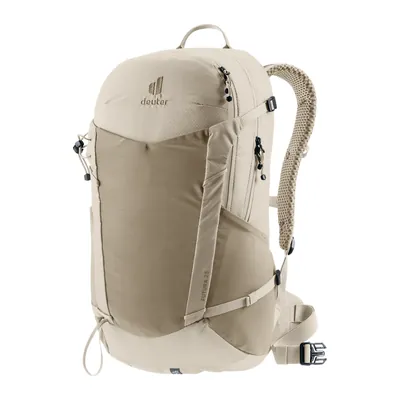
Deuter Futura 23
A 23-liter daypack with a ventilated Aircomfort mesh back, an included rain cover, and room for a hydration reservoir up to 3 liters; 2.6 lb, designed for loads of 6.6 to 13 lb.
View on Amazon (opens in a new tab)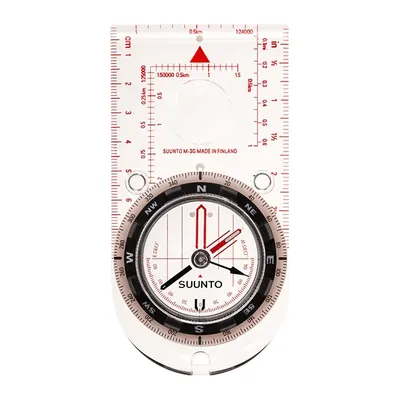
Suunto M-3 G
A baseplate compass with adjustable declination, useful where it tops 14°: set the offset once and skip the math on every bearing. Globally balanced needle, magnifier, 1.69 oz.
View on Amazon (opens in a new tab)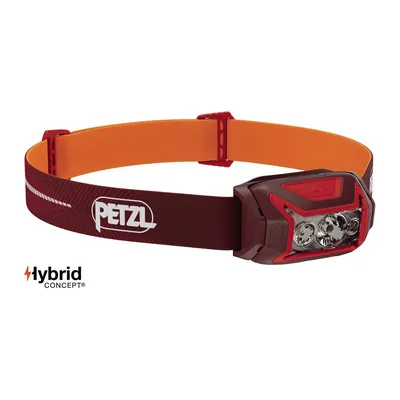
Petzl Actik Core
A 3.1 oz headlamp that ships with a rechargeable battery and also runs on three AAA batteries, with a red light that won’t blind anyone.
View on Amazon (opens in a new tab)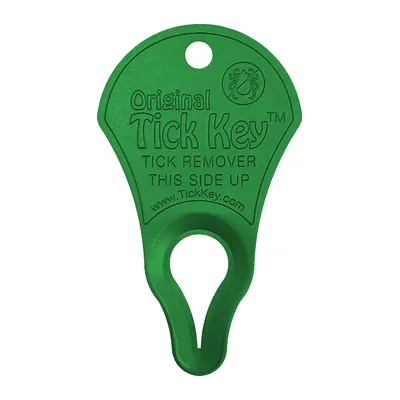
Original Tick Key (3-pack)
An anodized aluminum key with a teardrop slot: set it over the tick, then slide it flat along the skin to lift the tick out, head and all. Flat enough for any first aid kit.
View on Amazon (opens in a new tab)
FAQ
How do I plan my first hike?
Pick a short hike on a marked trail with little elevation gain, and estimate how long it will take: about 2.5 mph (4 km/h) on the flat, breaks not included. Check the forecast the night before, pack using the checklist, and leave a trip plan with someone you trust. Not sure a trail is right for you? Check the park’s website or ask a ranger, as the National Park Service suggests.
What should I bring on a day hike?
The Ten Essentials: navigation, sun protection, an extra layer, a headlamp, a first aid kit, a way to start a fire, a repair kit with a knife, extra food, water with a way to treat it, and emergency shelter such as a space blanket. Add a charged phone and a whistle. For water, the French Hiking Federation’s minimum on a summer mountain hike is 51 fluid ounces (1.5 liters) per person.
How much water should I bring on a hike?
The French Hiking Federation recommends at least 51 fluid ounces (1.5 liters) per person for a summer hike in the mountains. Bring more in hot weather or on a longer day, and drink often, as the National Park Service’s Ten Essentials advise. On a multiday trip, find the water sources on your map: treat any natural water before you drink it.
What are the Ten Essentials for hiking?
A list developed by The Mountaineers club and promoted by the National Park Service. It sorts your pack into ten systems: navigation, sun protection, extra clothing, illumination, first aid supplies, fire, a repair kit and tools, extra food, water and water treatment, and emergency shelter. Before you pack fire starters, check the fire regulations of the park you’re visiting, as the Park Service recommends.
Is it safe to hike alone?
It can be, with precautions. The National Park Service notes that hiking with a companion is safer, and that solo hikers should take extra steps to be prepared. Either way, leave a trip plan with a trusted contact who isn’t coming along, with your route and return time: if you don’t come back, they know when to call the authorities and what to tell them.
What should I do if I get lost on a hike?
Stop and take a breath, then try to figure out where you are with your map, compass, GPS, or landmarks, and retrace your steps if it’s safe. If you can’t, call 911 and give your GPS coordinates, the trail where you started, your last known location, and what you’re wearing. Then stay put: moving makes you harder to find, the National Park Service says.
Sources
- National Park Service, “Hike Smart,” updated June 13, 2024, accessed October 27, 2026. nps.gov https://www.nps.gov/articles/hiking-safety.htm ↩
- French Hiking Federation (FFRandonnée), “Les itinéraires de randonnée” (in French), March 26, 2021, accessed October 27, 2026. ffrandonnee.fr https://www.ffrandonnee.fr/randonner/ou-pratiquer/les-itineraires-de-randonnee ↩
- National Park Service, “7 Ways to Safely Watch Wildlife,” updated September 9, 2024, accessed October 27, 2026. nps.gov https://www.nps.gov/subjects/watchingwildlife/7ways.htm ↩
- National Park Service, “Ten Essentials,” updated May 28, 2026, accessed October 27, 2026. nps.gov https://www.nps.gov/articles/10essentials.htm ↩
- Swiss Council for Accident Prevention (BFU), “Randonnée en montagne: passages délicats” (in French), press release, August 2026, accessed October 27, 2026. bfu.ch https://www.bfu.ch/media/vqjmwbjt/randonee-en-montagne-passages-delicats.pdf ↩
- National Weather Service, Louisville office, “What Does Probability of Precipitation Mean?” accessed October 27, 2026. weather.gov https://www.weather.gov/lmk/pops ↩
- National Park Service, “When Thunder Roars, Go Indoors,” lightning safety, updated June 25, 2018, accessed October 27, 2026. nps.gov https://www.nps.gov/articles/lightning-safety.htm ↩
- Sleeping Bear Dunes National Lakeshore, “Hunting,” National Park Service, updated May 27, 2026, accessed October 27, 2026. nps.gov https://www.nps.gov/slbe/planyourvisit/hunting.htm ↩
- French Hiking Federation (FFRandonnée), “Recommandations pour la randonnée en montagne l’été” (in French), October 19, 2023, accessed October 27, 2026. ffrandonnee.fr https://www.ffrandonnee.fr/randonner/securite/recommandations-pour-la-randonnee-en-montagne-l-ete ↩
- National Park Service, “Outdoor Emergency Plan,” updated June 21, 2023, accessed October 27, 2026. nps.gov https://www.nps.gov/articles/gtgemergencyplan.htm ↩
- National Park Service, “One Health and Disease: Tick-Borne Disease,” updated February 7, 2025, accessed October 27, 2026. nps.gov https://www.nps.gov/articles/one-health-disease-ticks-borne.htm ↩
- National Park Service, “Trip Plan,” updated July 10, 2023, accessed October 27, 2026. nps.gov https://www.nps.gov/articles/gtgtripplan.htm ↩
- European Commission, “112 - the EU’s emergency phone number,” accessed October 27, 2026. digital-strategy.ec.europa.eu https://digital-strategy.ec.europa.eu/en/policies/112 ↩
- French Hiking Federation (FFRandonnée), “Comment se comporter face au patou, le chien de protection des troupeaux” (in French), June 18, 2022, accessed October 27, 2026. ffrandonnee.fr https://www.ffrandonnee.fr/s-informer/actualites/comment-se-comporter-face-au-patou-le-chien-de-protection-des-troupeaux ↩
- French Ministry of Sports, “Prévention montagne été,” summer mountain safety campaign (in French), accessed October 27, 2026. sports.gouv.fr https://www.sports.gouv.fr/prevention-montagne-ete ↩
- French Hiking Federation (FFRandonnée), “Organiser sa randonnée” (in French), June 23, 2022, accessed October 27, 2026. ffrandonnee.fr https://www.ffrandonnee.fr/randonner/conseils/organiser-sa-randonnee ↩

Camping, backpacking, bushcraft and hiking
Guillaume Hoarau writes for Outfarer about camping, backpacking, bushcraft, and hiking. A survival-skills buff and a collector of vintage field manuals, he loves clear explanations, lists that actually help and other people’s stories, which he tells well.
 Julien de Jurquet
 Nolwenn Bastide