 Français (France)
 English (UK)
 English (US)
 Deutsch (Deutschland)

Contents
Saturday evening, a 1:25,000 map spread out on the kitchen table, somewhere between the loaf for tomorrow’s sandwiches and the shopping list: that is often where a good walk is won. You don’t need an expedition to prepare properly for a day out. What matters most is doing things in the right order, without skipping any. This guide follows that order, from choosing a route to getting home, and each step leads to our detailed guides.
Its advice comes from the recommendations of the AdventureSmart UK safety campaign [1] and of the Countryside Code, the statutory guidance for visitors to the countryside in England and Wales [2], and from our own guides, each sourced in its own right. It applies to a day walk on a waymarked path, in the lowlands as in the hills. If you want to push beyond your skills, AdventureSmart points out that a guide or an instructor can help [1].
| When | What to do |
|---|---|
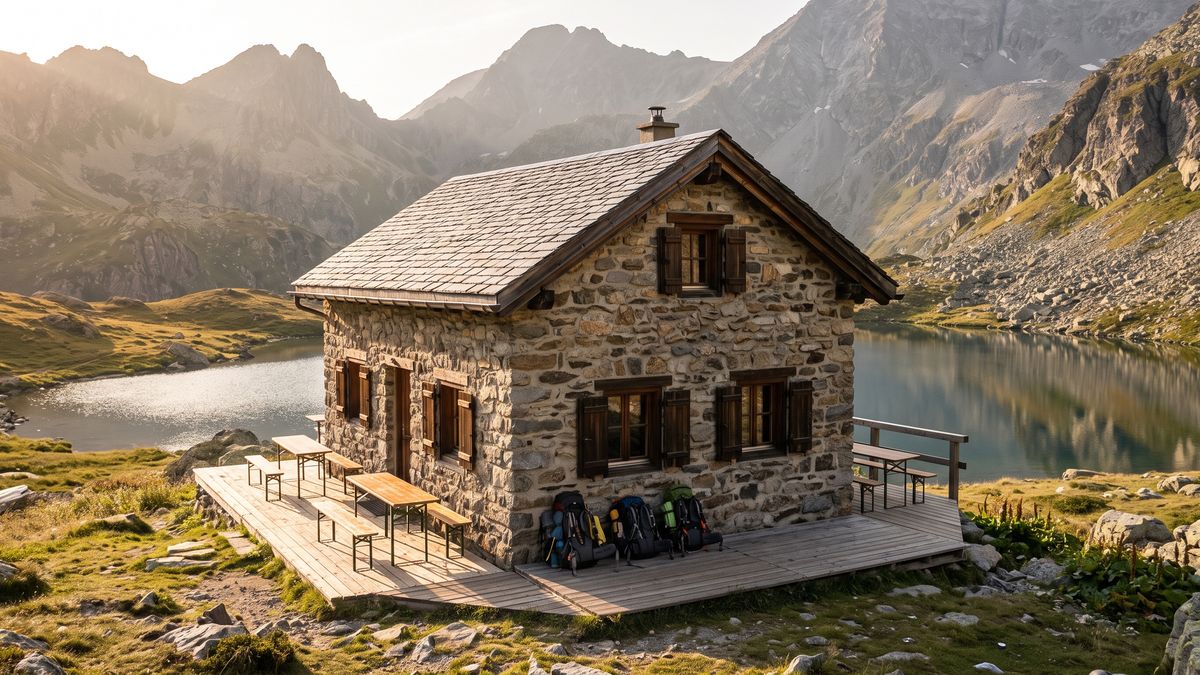
| A few days before | Choose the walk, work out how long it will take, check the local rules and how to get there, book a mountain hut if you need one |
| The night before | Read the mountain forecast, plot the route, pack your rucksack, leave your return time with someone |
| That morning | Check the forecast again, fill your water bottles, take your charged phone |
| On the way | Keep an eye on the time and on how everyone is doing, eat and drink regularly, know when to turn back |
| Back home | Let them know you’re back, check for ticks, note your walking time, report any problem |
Based on the advice of AdventureSmart UK and the Countryside Code, and on our guides. [1, 2]
1Choose a walk that suits you
It all starts with a simple question: is this walk right for you, and for everyone coming with you? AdventureSmart asks you to be honest about your own and your companions’ knowledge, fitness and ability, and to plan for the least able member of the group [3]. Three things largely answer the question: the distance, the ascent and how hard the ground is, which the route’s grade sums up.
Then work out how long it will take. The French Hiking Federation bases its timings on a walker who is ‘neither a beginner nor a speedster’: 4 km/h on the flat and, in the mountains, 300 to 350 m of ascent per hour, breaks not included [4]. The simplest method adds the two together: a 12 km (7.5-mile) loop with 600 m of ascent takes about 3 hours for the distance and 2 hours for the climb, so 5 hours of walking, plus breaks. Our walking time calculator does the sums for you, Naismith’s rule included.
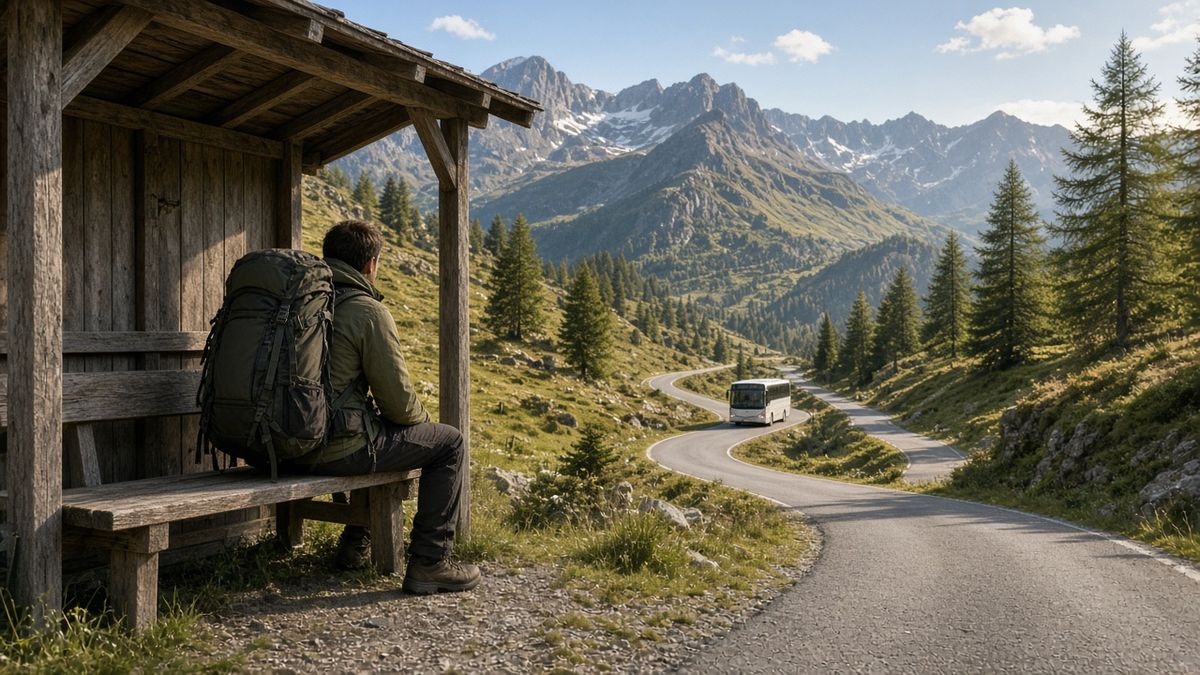
The highest point matters too: it tells you what the ground will be like and whether there may be snow [4]. Check the local rules as well. The Countryside Code asks you to follow local signs and keep to marked paths unless wider access is available [2], and protected areas abroad have rules of their own, like the core of France’s national parks, on dogs and on wild camping. Think about the journey too: the Countryside Code suggests leaving the car at home [2], and in the Alps and the Pyrenees, the start of many walks can be reached by train and bus, as long as you note the time of the last bus.


2Plot your route, on the map and on your phone
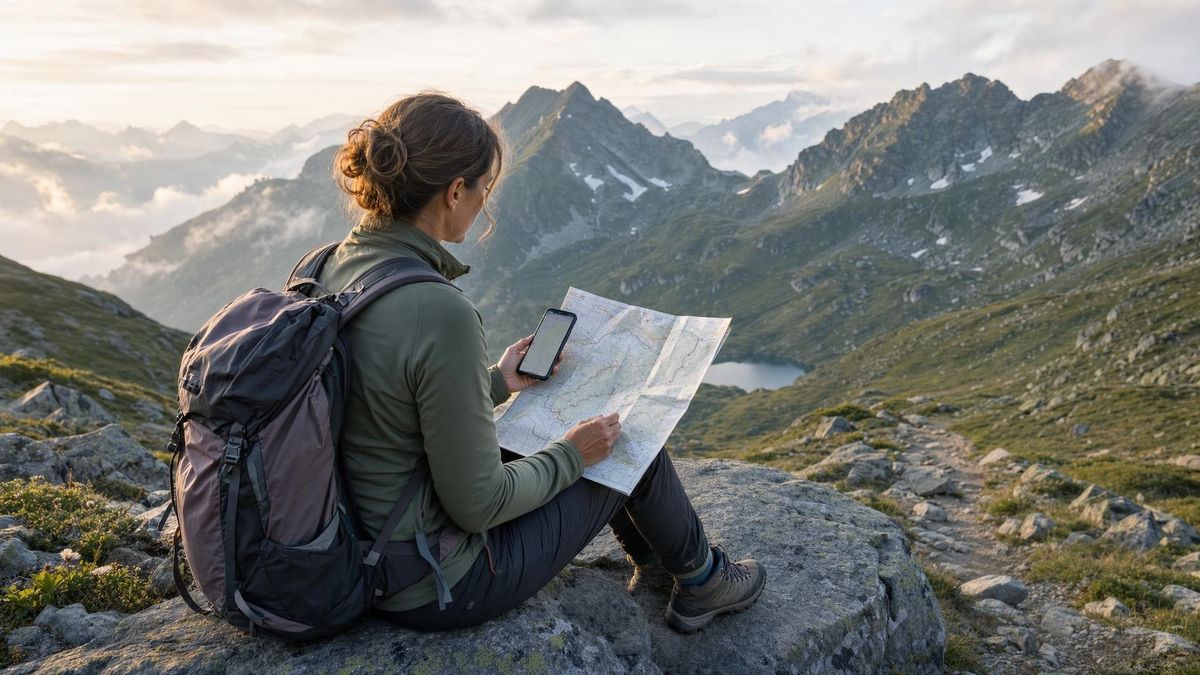
Once you have chosen your walk, follow it with your finger on the map. AdventureSmart recommends using an app and a paper map together: paper is light to carry, and its batteries never run out [3]. The Countryside Code points out that phone signal is unreliable in many places [2], and the French Hiking Federation adds that you need to know how to use your map [5]. The best of both worlds: the paper map in your rucksack, and the route saved offline on a charged phone.
While you’re at it, note what the map tells you and the signpost at the start won’t: water sources, mountain huts and hamlets, escape routes. The Swiss Council for Accident Prevention (BFU) recommends knowing from the outset where you can turn back or avoid a tricky section [6]. I would add a turnaround time: once it has passed, you head back, even if the summit looks close enough to touch.
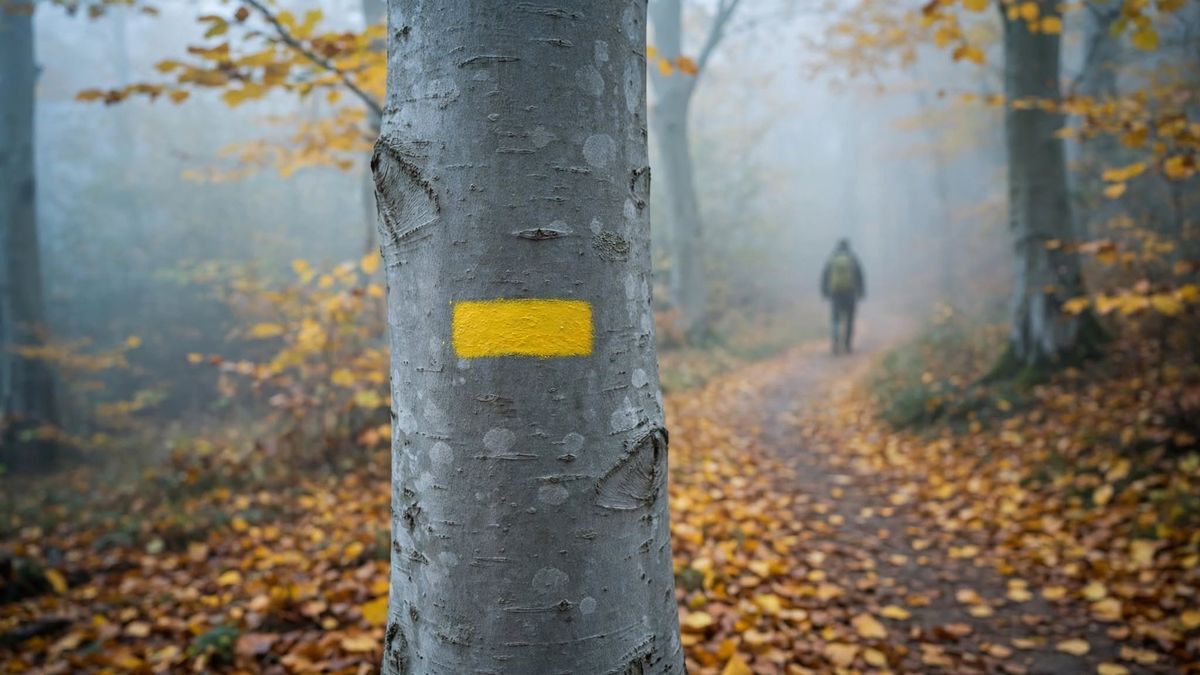
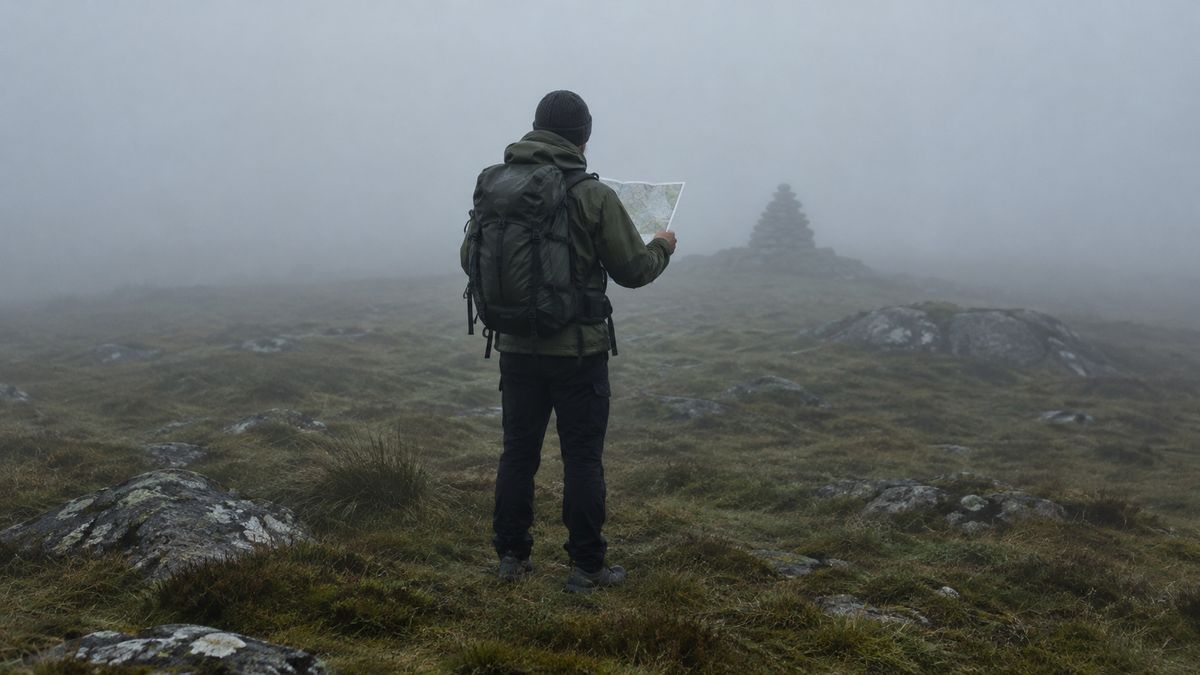
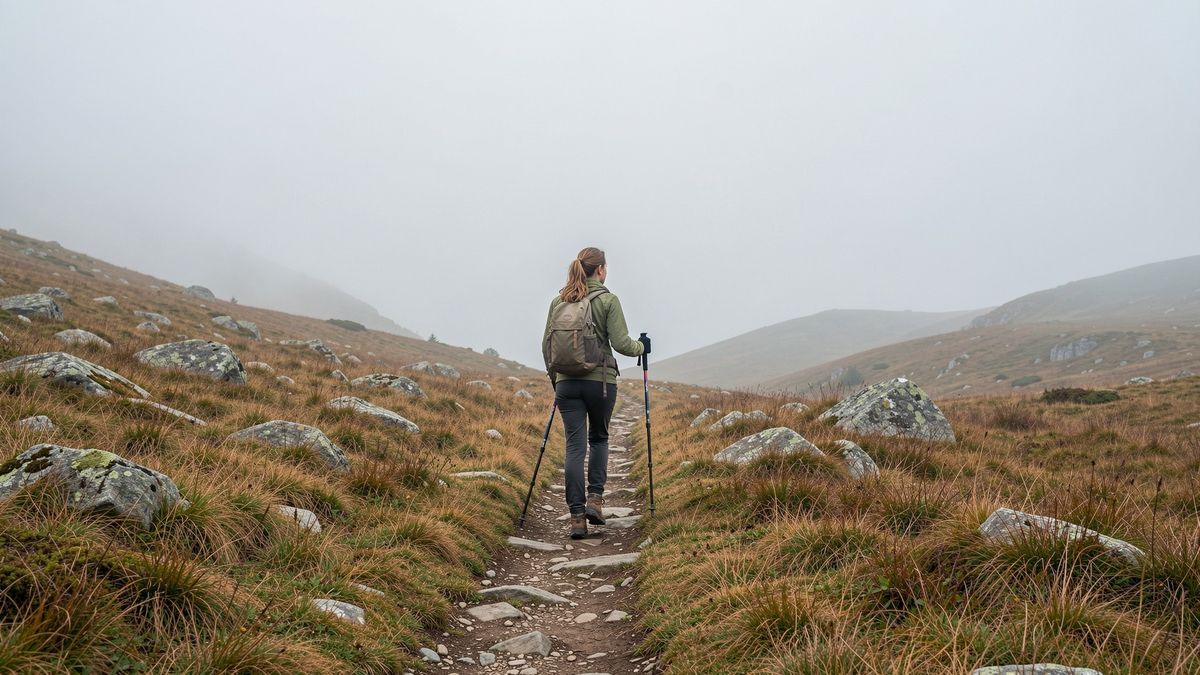
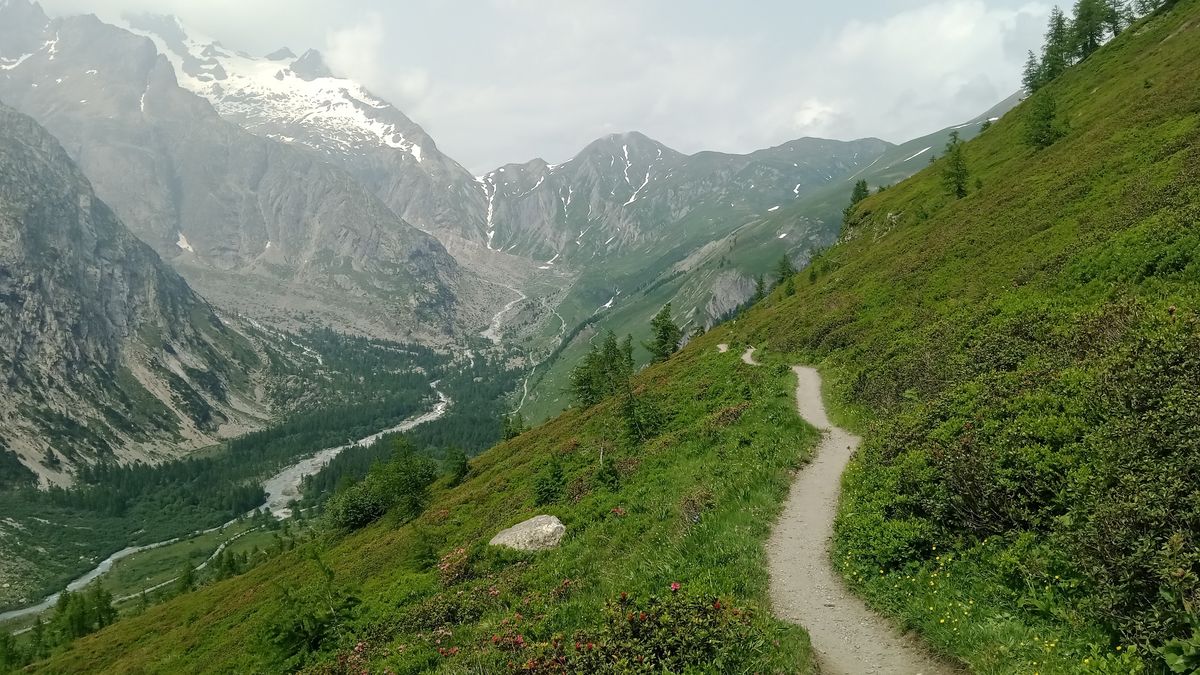
Along the way, waymarks guide you: in England and Wales, a yellow arrow marks a footpath, and a blue one a bridleway, open to horse riders and cyclists as well [2]. They support the map without replacing it: on the day the mist comes down, being able to take a bearing comes into its own.


3Check the weather and conditions, the night before and that morning
The night before, then again on the morning you set off, read the national weather service’s mountain forecast. In the UK, the Met Office publishes one for the main hill areas every afternoon before 6pm and updates it before 6am: wind, gusts, temperature and ‘feels like’ temperature from valley to summit, the freezing level, then a text written by a meteorologist [7]. A percentage chance of rain tells you neither how long nor how hard it will rain: read the text, then decide. Thunderstorms are among the mountain hazards the forecast rates, as lightning is particularly dangerous on exposed tops and ridges [7].
If the forecast is for worse weather, switch to your fallback route or stay at home: the Countryside Code asks you to check the forecast before you set off, and not to be afraid to turn back if conditions change [2]. Check that the path itself is passable, too: a landslip, a washed-away footbridge or a diversion may be waiting at the start. National Trail websites list their diversions, and local information centres can advise you [2].
In Scotland, keep deer stalking in mind as well. Since 2023, male deer can be stalked all year round, with the busiest spells in the first three weeks of October and from late January to mid-February. NatureScot’s Heading for the Scottish Hills service shows where stalking is taking place on popular hills: check it before you go, follow reasonable requests to take another route, and where there is no information, watch for signs and stick to paths and ridges [8].


4Get your kit together and pack your rucksack
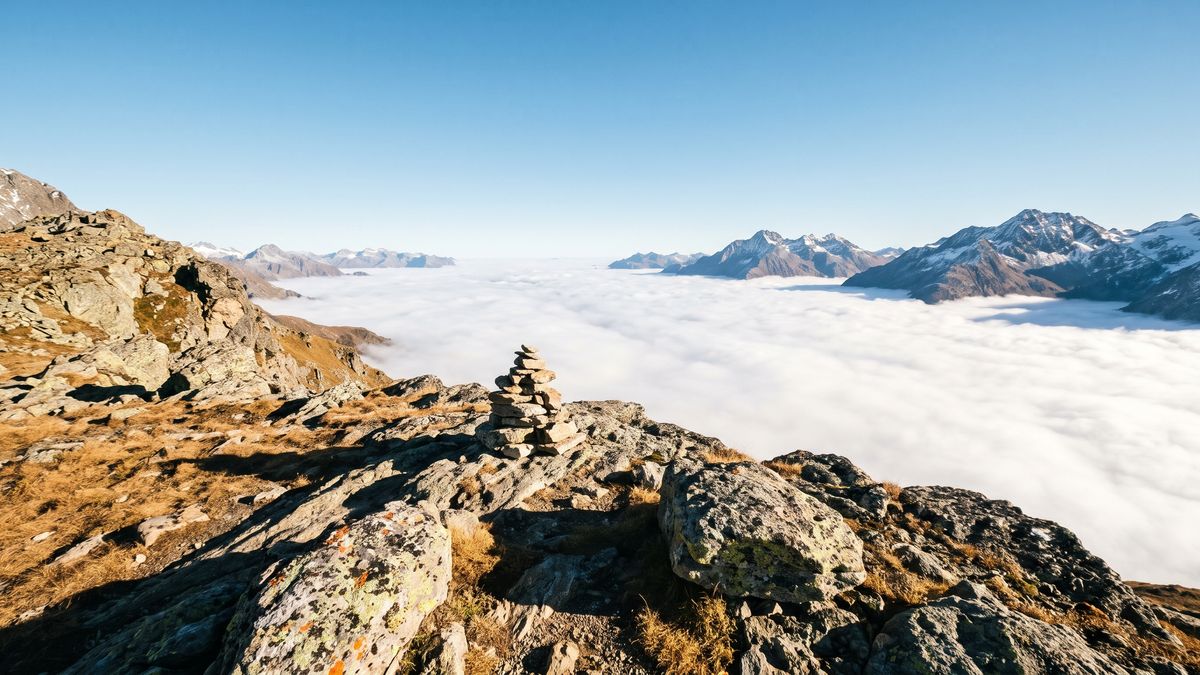
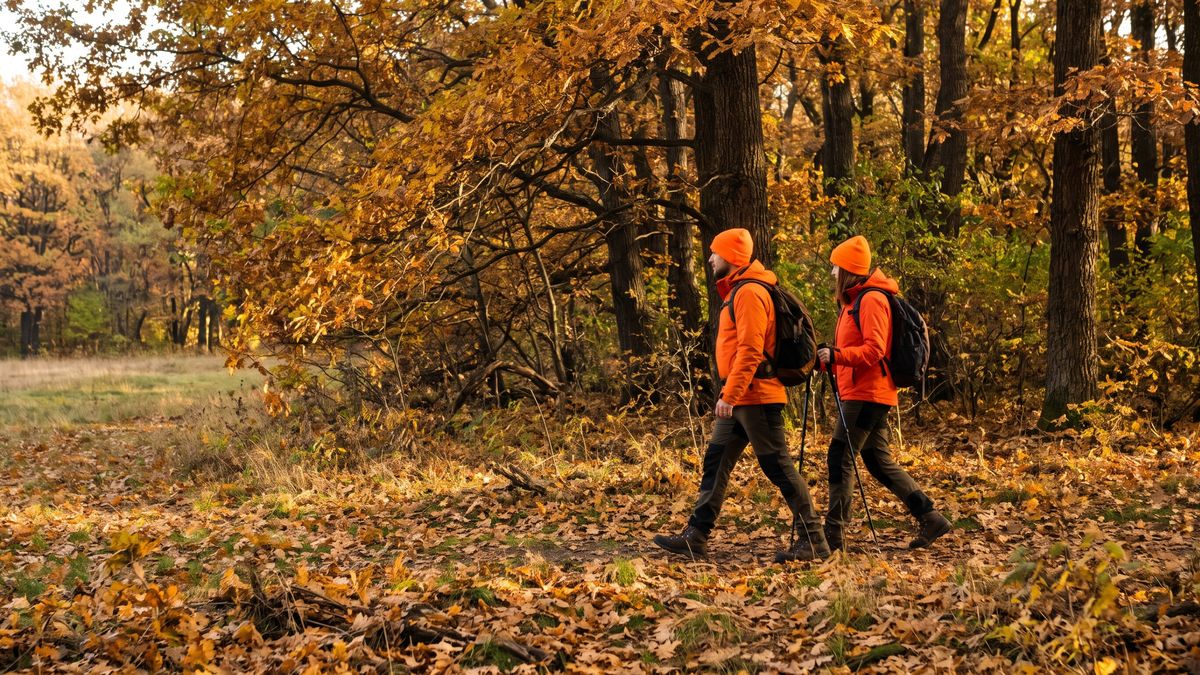
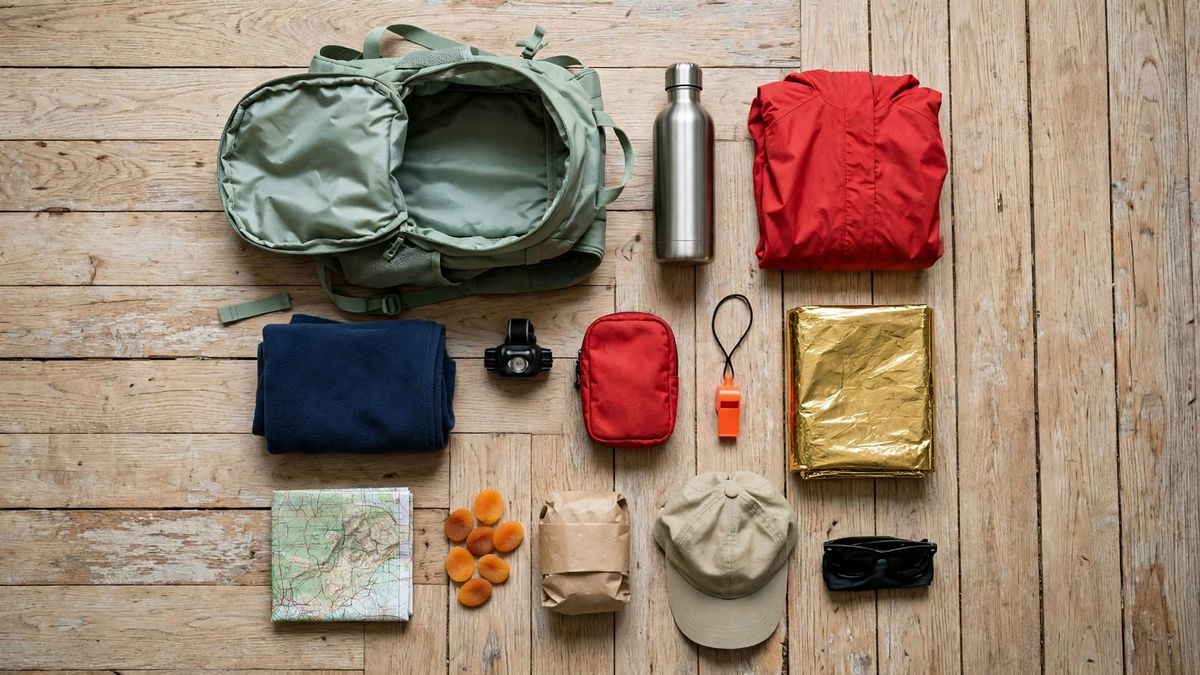
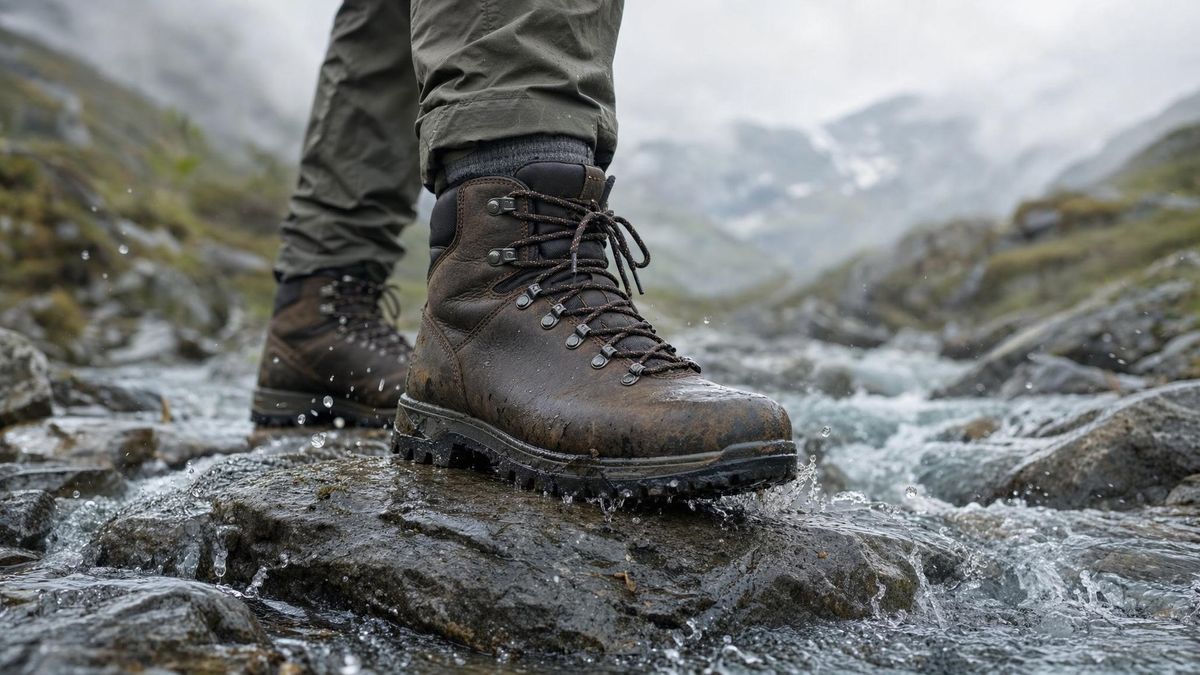
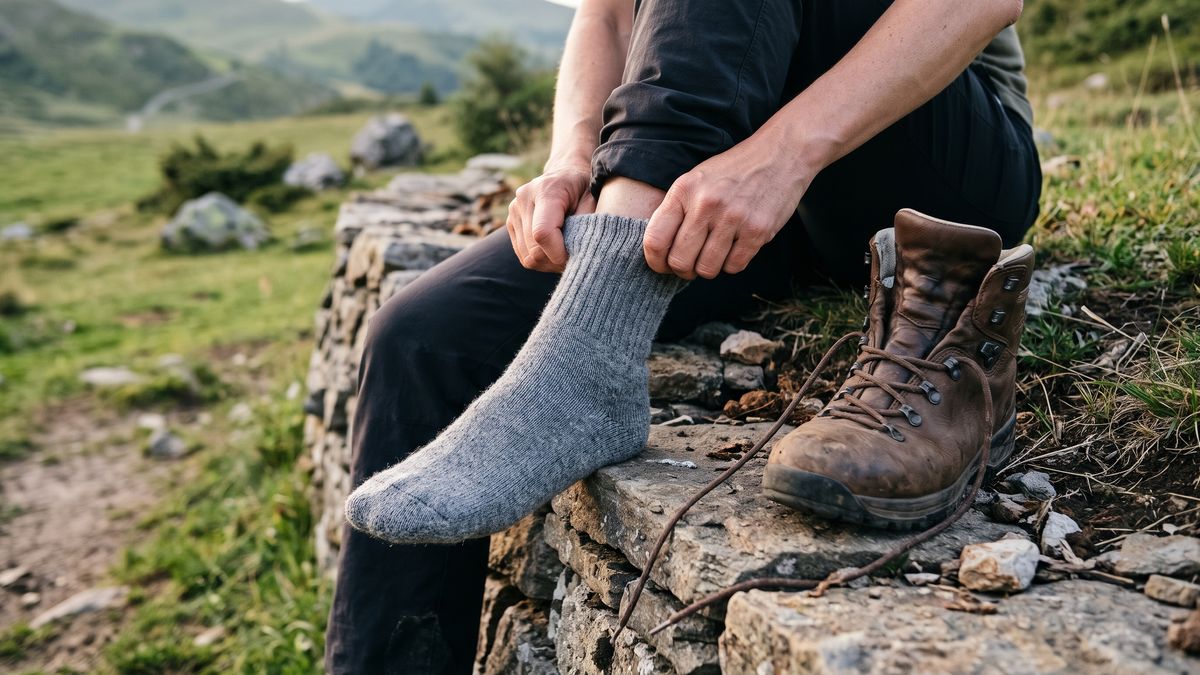
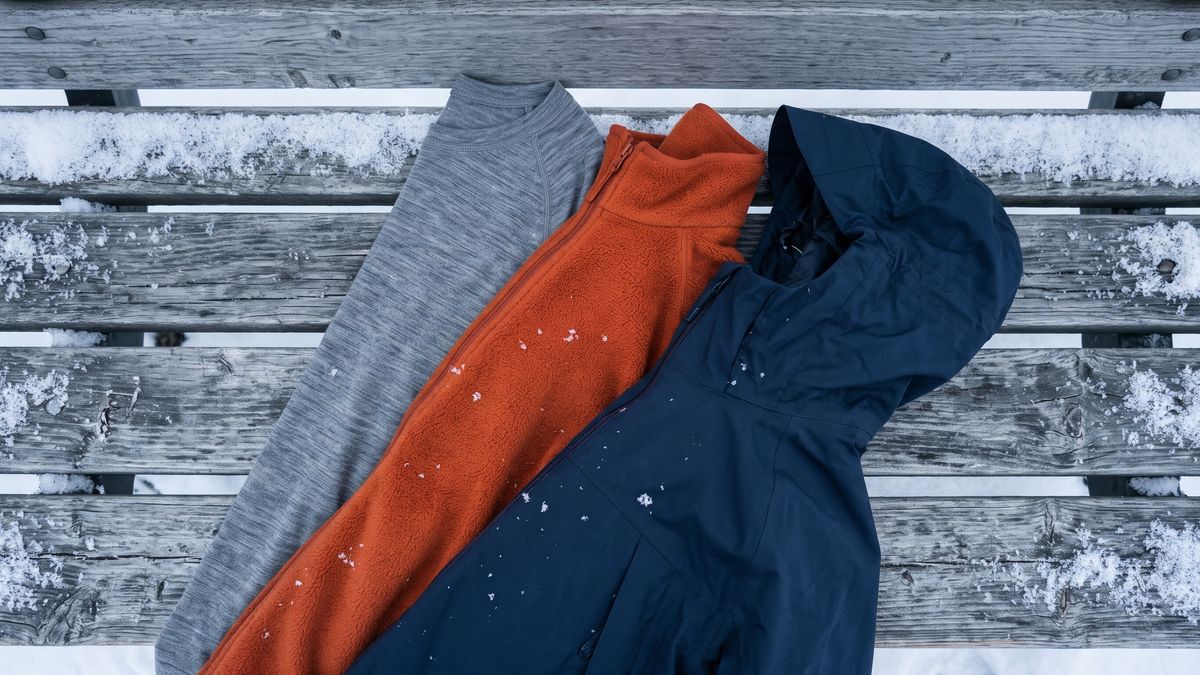
Start with your feet: walking boots or shoes suited to the ground, ideally already broken in, rather than a new pair out of the box the night before. Clothes follow the three-layer system: one layer that wicks sweat away, one that insulates, one that keeps out the wind and rain. AdventureSmart’s hill walking kit list starts the same way, with a breathable base layer rather than cotton, an insulating mid layer and a waterproof jacket you should never leave home without, plus over-trousers, a hat, gloves and a sun hat [9].
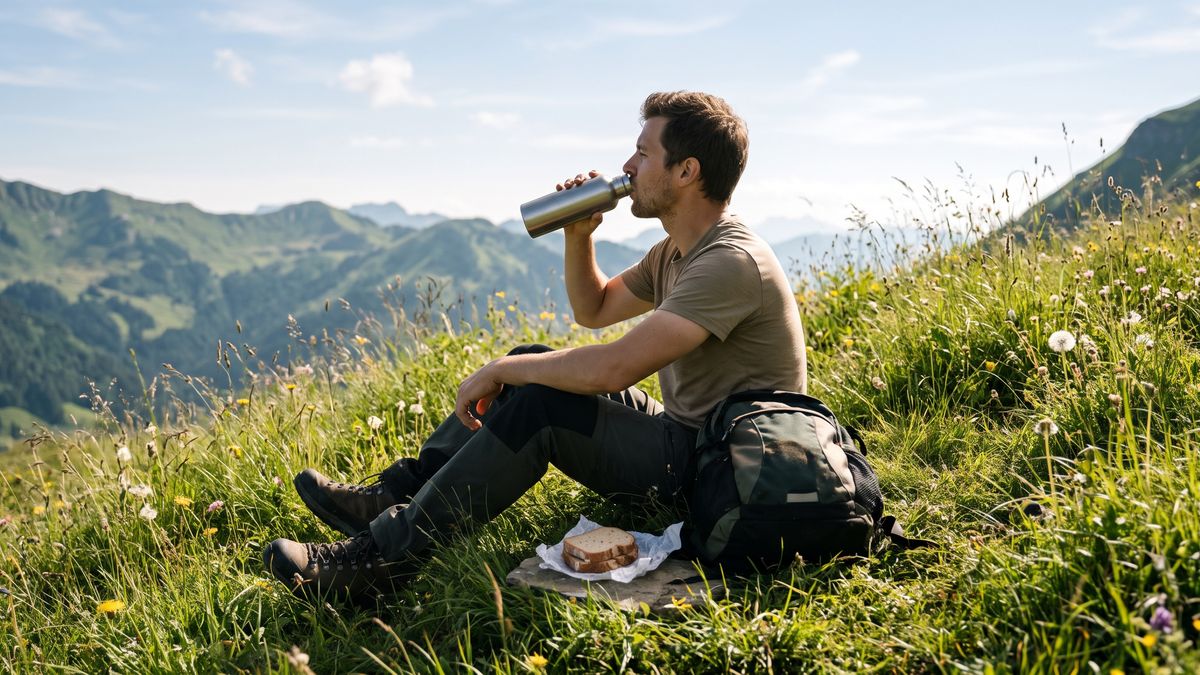
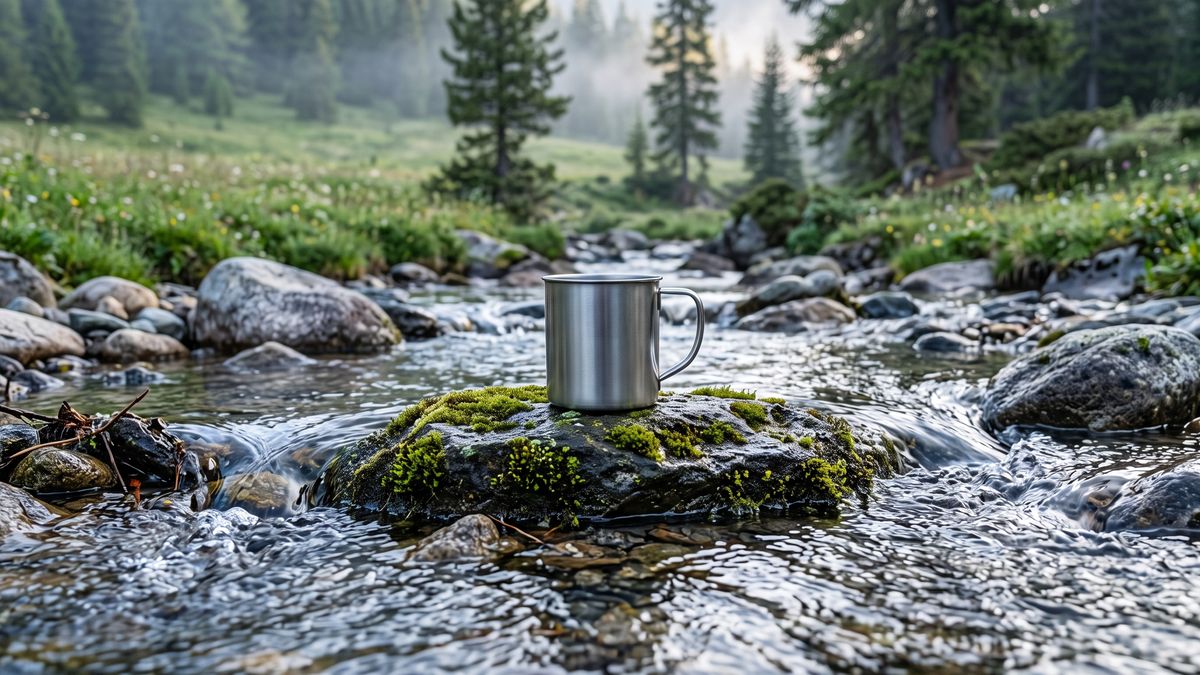
For water, the French Hiking Federation recommends at least 1.5 litres per person for a summer walk in the mountains [5], more in hot weather or on a longer day. For food, AdventureSmart suggests high-energy snacks for a boost when you tire, and a flask of hot drink [9]. On a long walk, spot the streams on the map, and treat the water before you drink it.
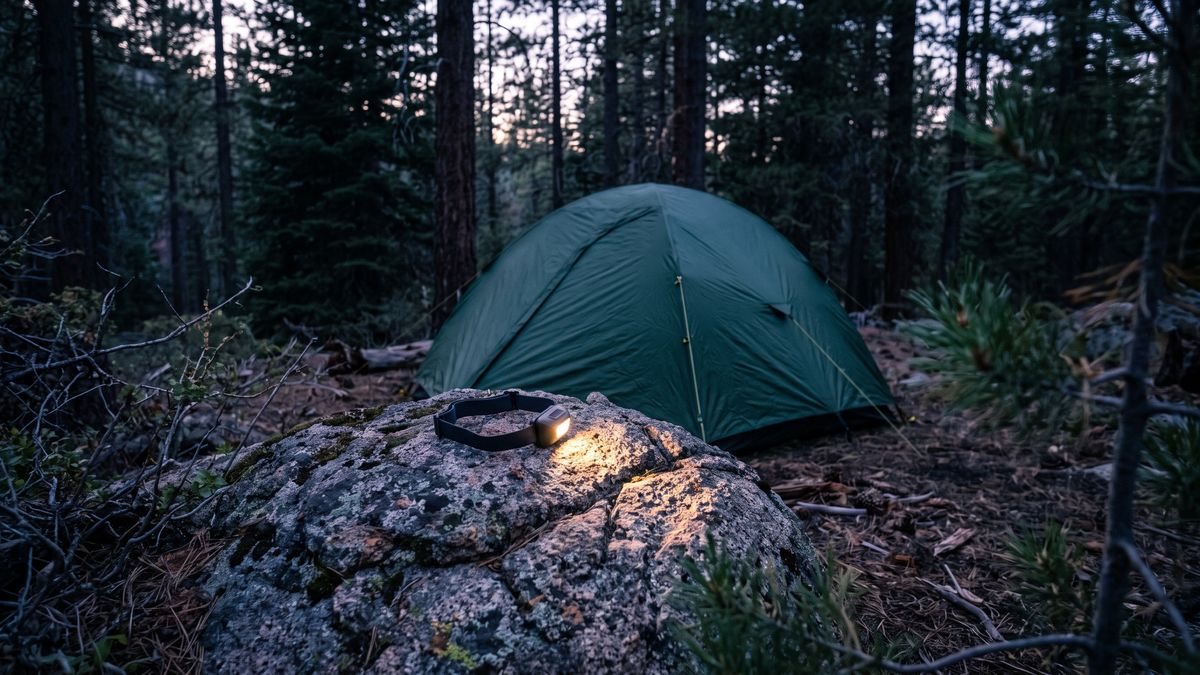
Pack a head torch, even for a day walk: a delay or a wrong turn is enough to finish in the dark. AdventureSmart’s list adds a first aid kit, a whistle, a survival bag and spare warm clothing [9], and the NHS advises removing ticks with fine-tipped tweezers or a tick-removal tool, so slip one in [10]. Americans sort all this into ten categories, the ‘Ten Essentials’ promoted by the US National Park Service [11]. The full checklist is at the bottom of the page, ready to print.


5Tell someone, and plan for the unexpected
Before you leave, tell someone where you are going, by which route, and when you expect to be back: the Countryside Code asks you to, pointing out that in rural areas you may not see anyone for hours [2]. It is the simplest precaution of all: if you don’t get in touch, someone knows where to start looking.
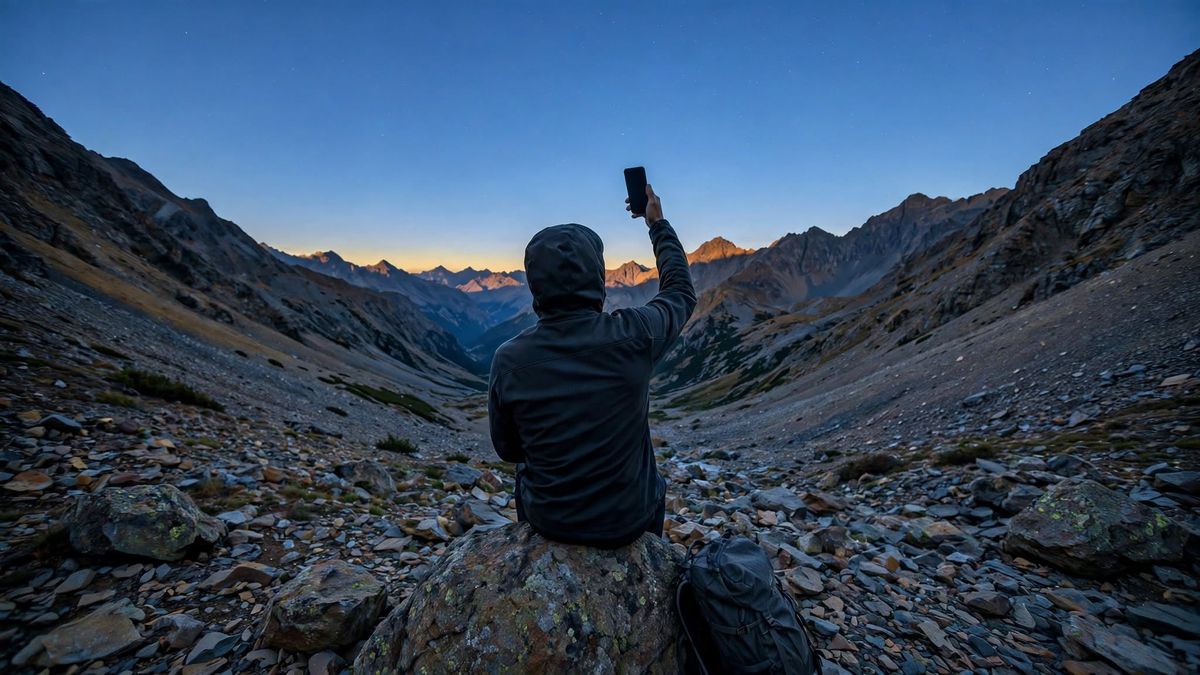
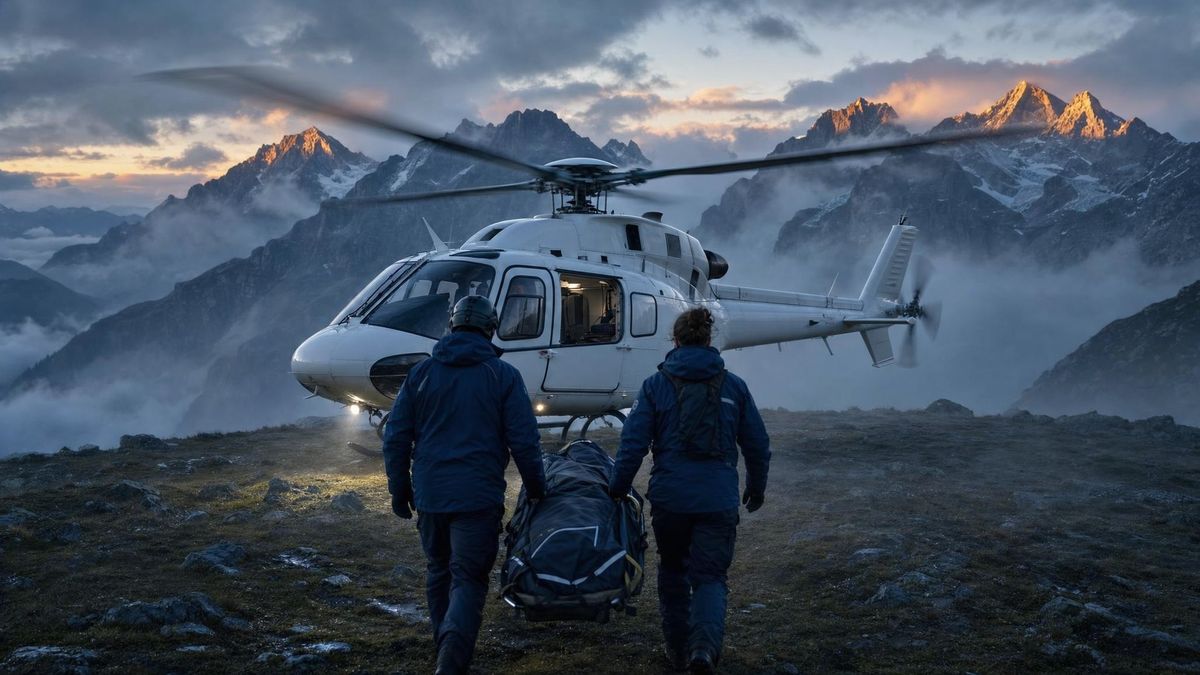
Take a charged phone and know the numbers. In the UK, dial 999 or 112, ask for the police, then Mountain Rescue, and stay where you are until the team contacts you. If you have hearing or speech difficulties, you can contact 999 by text, but only once your phone is registered with emergencySMS: text ‘register’ to 999 before you need it [12]. Signal often fails just where you would need it, though: calling for help without signal needs preparing too, from a charged battery to a whistle in your rucksack.
Finally, think about cover. In England and Wales, mountain rescue is a voluntary service, free to the casualty, provided by 48 volunteer teams [13]. Abroad, check before you go: rescue costs are not covered in the same way from one policy to the next, and alpine club memberships range from no rescue cover at all to €50,000.


6On the way: keep a margin
Once you’re on your way, the preparation carries on. The French Hiking Federation advises checking the map regularly to know where you are, eating and drinking regularly, and stopping often to take stock of your effort and the time [5]. Compare the time with your plan: if you have fallen behind by halfway, that is the moment to shorten the walk, not at sunset.
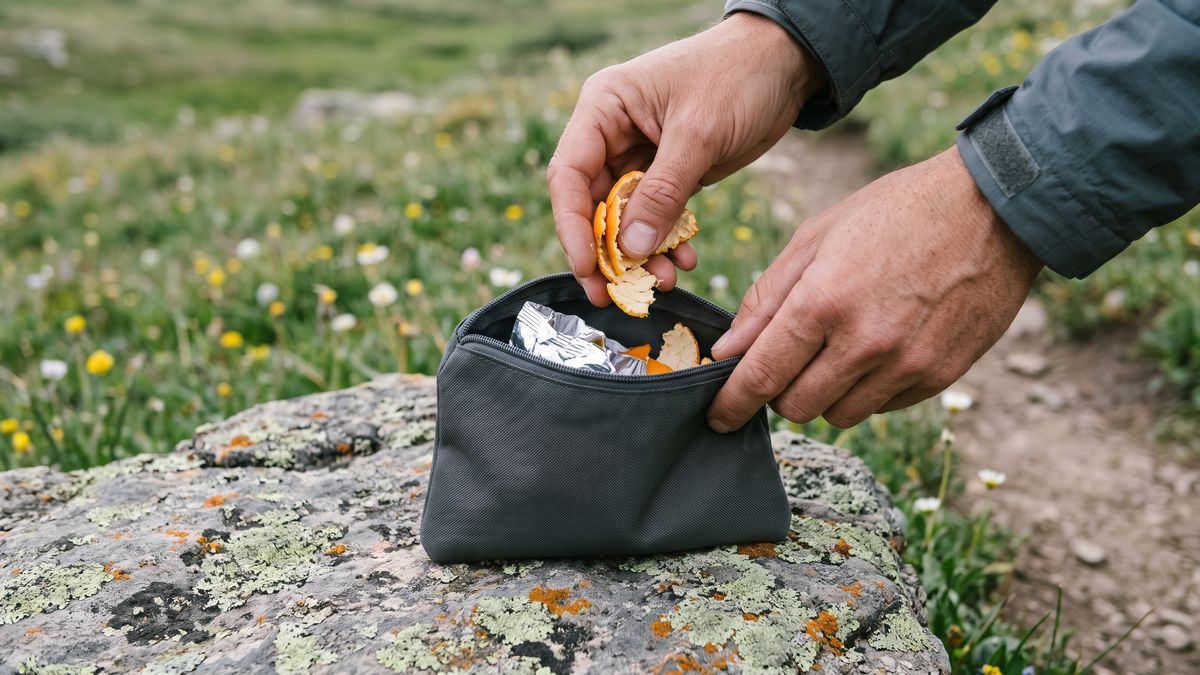
Stay on the path, and leave the countryside as you found it: take your litter home, leave gates as you find them, be careful with naked flames and cigarettes, and only light a barbecue where signs say you can [2]. With everyone else out there, farmers, cyclists or horse riders, courtesy does the rest.


7Back home: three things to do
First, let the person who has your return time know you’re back: otherwise they may start to worry, or even raise the alarm. Next, check yourself for ticks: the NHS advises checking your clothes and skin, and children and pets, after being outdoors, since a tick bite is not always painful [10]. Ticks are found all over the UK, and the high-risk places include grassy and wooded areas of southern England and the Scottish Highlands [10].
Lastly, note your actual walking time. The French Hiking Federation suggests comparing it with guidebook times to learn your own pace [4], and your own correction factor will make your next plan more accurate.

8Special cases: dogs, winter, children, several days
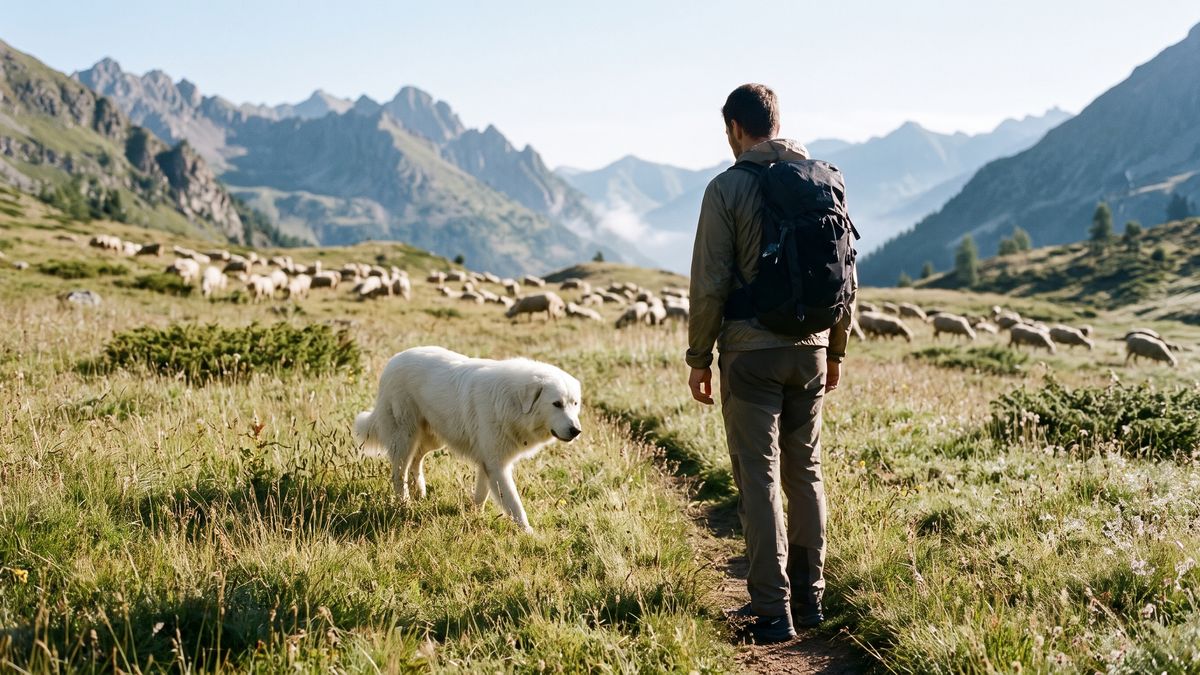
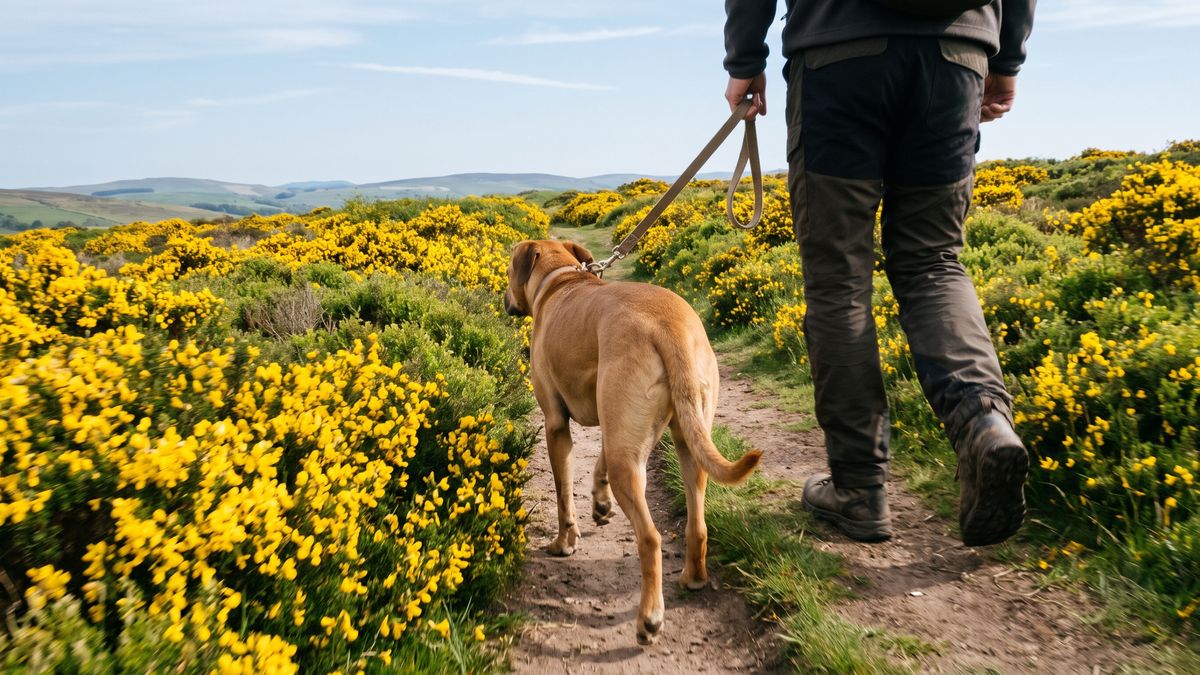
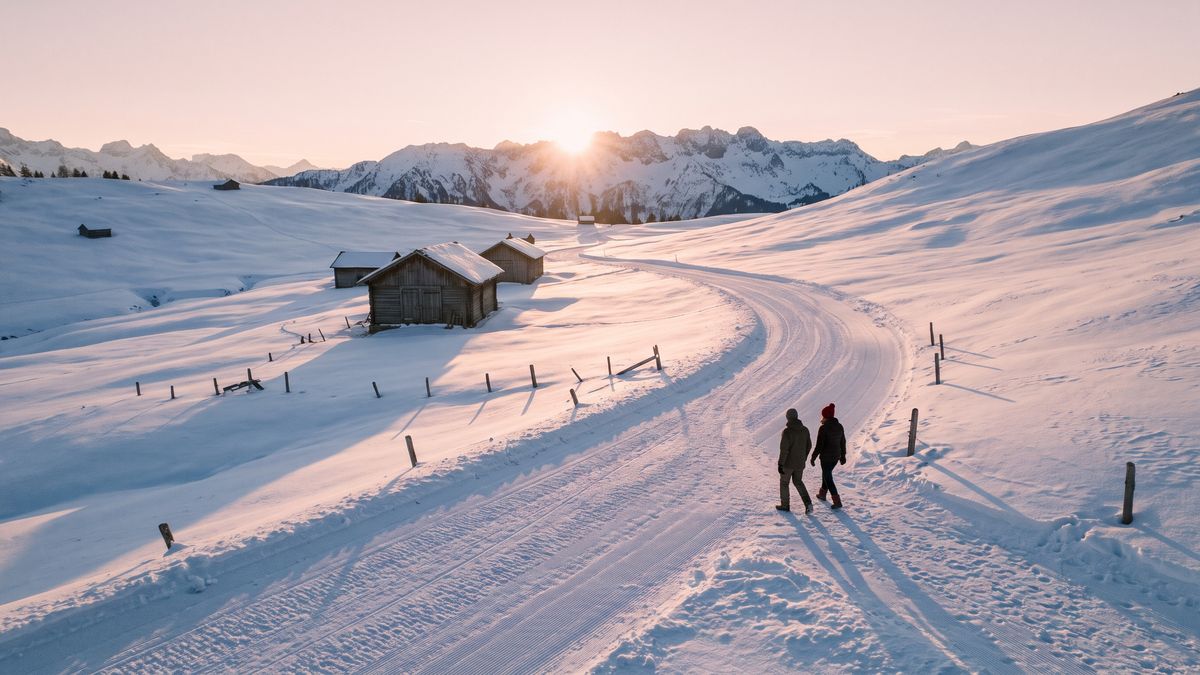
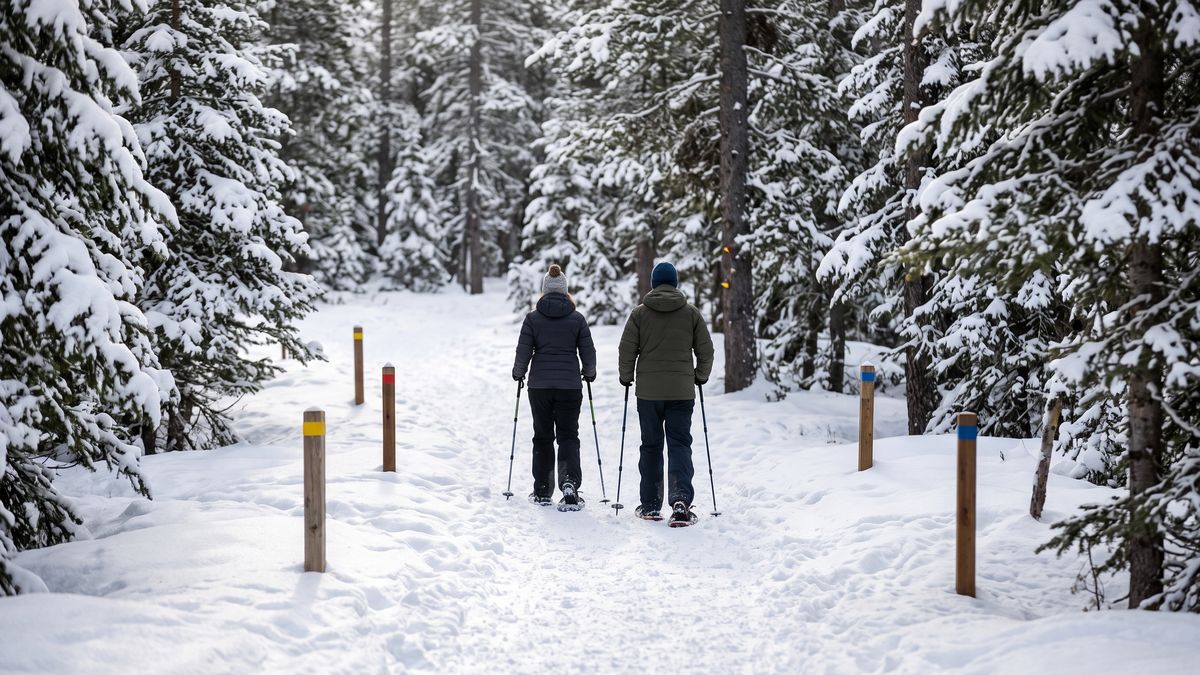
With a dog, the rules change with the season and the place: in England and Wales, a lead is compulsory on open access land from 1 March to 31 July, and around livestock [2]; in France, dogs are banned from the core of several national parks. Our guide to walking with your dog covers it all. In winter, stick to groomed and waymarked paths and plan around short days; in deep snow off the paths, snowshoes take over.
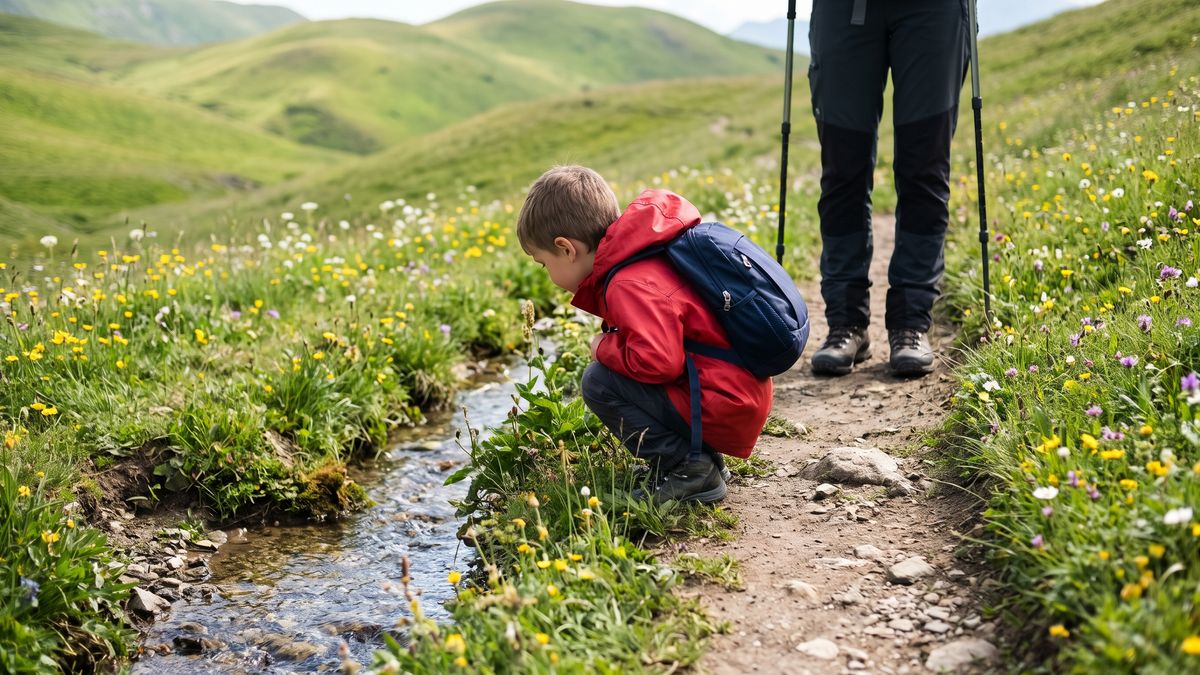
With children, France’s sports ministry calls for particular care: they tend to overdo it, become dehydrated and tire quickly, and their warning signs can come too late [16]. Our guide to walking with children sets out the benchmarks age by age, from baby carrier to teenager. For several days, preparation changes scale: the French Hiking Federation advises testing how the group gets on, and what it can manage, on a day walk first, and looking into accommodation at least six months ahead, as places on the most popular routes, such as the Tour du Mont-Blanc, fill up quickly [17]. As for walking alone, it advises against it in high or mid-altitude mountains, even in summer [17].


The checklist before you set off
A good habit to get into: tick it off the night before, then run through it again in the morning. It draws on AdventureSmart UK’s kit list and on the Countryside Code [2, 9]; adapt it to the length of your walk and the season.
- Walk chosen to suit the least experienced, time worked out, turnaround time set
- Mountain forecast read the night before and that morning, fallback route ready
- Route and return time left with someone
- Paper map, route saved offline, compass
- Charged phone and power bank; in the UK, 999 or 112
- At least 1.5 litres of water per person, and snacks
- Three layers, including a waterproof, plus a warm hat or a sun hat
- Sunglasses and suncream
- Head torch, whistle and knife
- First aid kit, survival bag and tick-removal tool
- Walking boots or shoes suited to the ground, already broken in
Kit related to this article
No affiliation: no commission, no sponsored products.
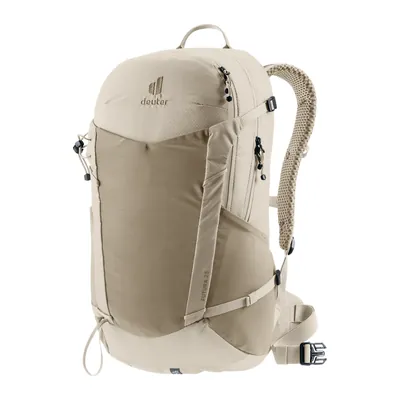
Deuter Futura 23
A 23 litre day pack with a ventilated Aircomfort mesh back, a rain cover included and room for a hydration bladder of up to 3 litres; 1,180 g, designed for loads of 3 to 6 kg.
View on Amazon (opens in a new tab)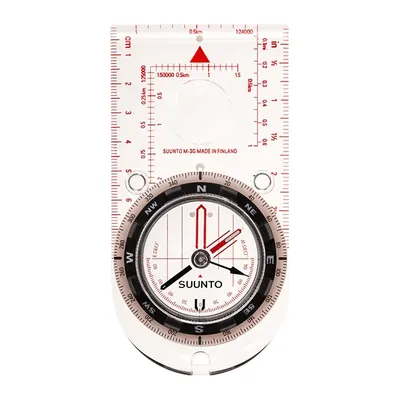
Suunto M-3 NH
A baseplate compass with adjustable declination: set the offset once and there is no more arithmetic on every bearing. Northern-hemisphere needle, magnifying lens.
View on Amazon (opens in a new tab)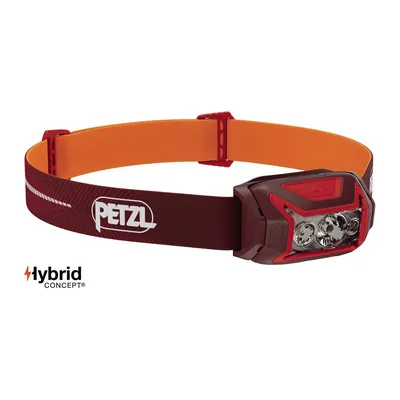
Petzl Actik Core
An 88 g head torch supplied with a rechargeable battery that also runs on three AAA batteries, with a red light that won’t dazzle anyone.
View on Amazon (opens in a new tab)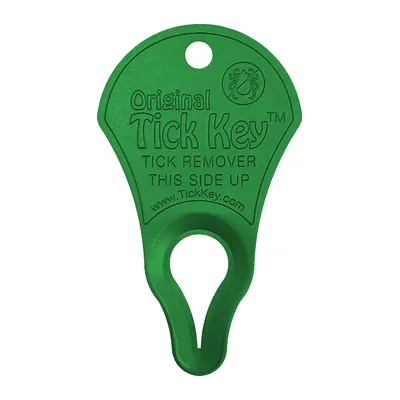
Original Tick Key (pack of 3)
An anodised aluminium plate with a teardrop slot: set it over the tick, then slide it flat along the skin to lift the tick out, head and all. Flat enough for any first aid kit.
View on Amazon (opens in a new tab)
FAQs
How do I plan my first hike?
Choose a short walk on a waymarked path with little ascent, and work out how long it will take: the French Hiking Federation allows 4 km/h on the flat, breaks not included. Read the forecast the night before, pack your rucksack using the checklist and leave your return time with someone. Then ask yourself AdventureSmart’s three questions, about knowledge and skills, the weather and your gear, and sort out any ‘no’ before you set off.
What should I take on a day walk?
Water, at least 1.5 litres per person for a summer walk in the mountains according to the French Hiking Federation, snacks, a warm layer and a waterproof, sun protection, a map and compass, a charged phone, a head torch, a whistle, a first aid kit and a survival bag. That is AdventureSmart UK’s hill walking kit list in short; add fine-tipped tweezers or a tick-removal tool, which the NHS recommends for removing ticks.
How much water should I take on a walk?
The French Hiking Federation recommends at least 1.5 litres per person for a summer walk in the mountains. Take more in hot weather or on a longer day, and drink regularly as you walk, as the French Hiking Federation also advises. On a walk of several days, find the streams on the map: treat any water from a natural source before you drink it.
What are the ‘Ten Essentials’ of hiking?
An American list, devised by the club The Mountaineers and promoted by the US National Park Service. It sorts your rucksack into ten categories: navigation, sun protection, extra clothing, light, first aid, something to start a fire, repairs and tools, extra food, water and a way to treat it, and emergency shelter. In England and Wales, where the Countryside Code asks you not to light fires, AdventureSmart’s hill walking kit list covers much the same ground.
Is it safe to walk alone?
It can be, with precautions. The French Hiking Federation advises against heading into high or mid-altitude mountains on your own, even in summer, because nobody could call for help after a fall or if you were taken ill. Alone or not, leave your route and return time with someone: the Countryside Code points out that in rural areas you may not see anyone for hours, and that phone signal is unreliable in many places.
Do I need insurance to go walking?
Not for a mountain rescue in England and Wales: according to Mountain Rescue England and Wales, it is a voluntary service, provided by 48 volunteer teams and free to the casualty. Abroad, check your policy before you go: rescue costs are covered differently from one country and one contract to another, and some alpine club memberships include rescue cover while others do not.
Sources
- AdventureSmart UK, ‘Be AdventureSmart’, home page of the safety campaign, accessed 27 October 2026. adventuresmart.co.uk https://www.adventuresmart.co.uk/ ↩
- Natural England and Natural Resources Wales, ‘The Countryside Code: advice for countryside visitors’, GOV.UK, updated 26 May 2023, accessed 27 October 2026. gov.uk https://www.gov.uk/government/publications/the-countryside-code/the-countryside-code-advice-for-countryside-visitors ↩
- AdventureSmart UK, ‘Develop your skills’, accessed 27 October 2026. adventuresmart.co.uk https://www.adventuresmart.co.uk/develop-your-skills/ ↩
- French Hiking Federation (FFRandonnée), ‘Les itinéraires de randonnée’ (in French), 26 March 2021, accessed 27 October 2026. ffrandonnee.fr https://www.ffrandonnee.fr/randonner/ou-pratiquer/les-itineraires-de-randonnee ↩
- French Hiking Federation (FFRandonnée), ‘Recommandations pour la randonnée en montagne l’été’ (in French), 19 October 2023, accessed 27 October 2026. ffrandonnee.fr https://www.ffrandonnee.fr/randonner/securite/recommandations-pour-la-randonnee-en-montagne-l-ete ↩
- Swiss Council for Accident Prevention (BFU), ‘Randonnée en montagne: passages délicats’ (in French), press release, August 2026, accessed 27 October 2026. bfu.ch https://www.bfu.ch/media/vqjmwbjt/randonee-en-montagne-passages-delicats.pdf ↩
- Met Office, ‘Mountain forecast guide’, accessed 27 October 2026. weather.metoffice.gov.uk https://weather.metoffice.gov.uk/guides/mountain/forecast ↩
- NatureScot, Scottish Outdoor Access Code, ‘Heading for the Scottish Hills’, updated 12 August 2025, accessed 27 October 2026. outdooraccess-scotland.scot https://www.outdooraccess-scotland.scot/practical-guide-all/deer-management-and-access/heading-scottish-hills ↩
- AdventureSmart UK, ‘Hill Walking Kit List’, accessed 27 October 2026. adventuresmart.co.uk https://www.adventuresmart.co.uk/hill-walking-kit-list/ ↩
- NHS, ‘Lyme disease’, page last reviewed 3 June 2025, accessed 27 October 2026. nhs.uk https://www.nhs.uk/conditions/lyme-disease/ ↩
- US National Park Service, ‘Ten Essentials’, updated 28 May 2026, accessed 27 October 2026. nps.gov https://www.nps.gov/articles/10essentials.htm ↩
- Mountain Rescue England and Wales, ‘In case of emergency’, accessed 27 October 2026. mountain.rescue.org.uk https://www.mountain.rescue.org.uk/how-to-call-out-mr/ ↩
- Mountain Rescue England and Wales, home page (teams and 2025 call figures), accessed 27 October 2026. mountain.rescue.org.uk https://www.mountain.rescue.org.uk/ ↩
- French Hiking Federation (FFRandonnée), ‘Comment se comporter face au patou, le chien de protection des troupeaux’ (in French), 18 June 2022, accessed 27 October 2026. ffrandonnee.fr https://www.ffrandonnee.fr/s-informer/actualites/comment-se-comporter-face-au-patou-le-chien-de-protection-des-troupeaux ↩
- GOV.UK, ‘Rights of way and accessing land: use public rights of way’, accessed 27 October 2026. gov.uk https://www.gov.uk/right-of-way-open-access-land/use-public-rights-of-way ↩
- French Ministry of Sports, ‘Prévention montagne été’, summer mountain safety campaign (in French), accessed 27 October 2026. sports.gouv.fr https://www.sports.gouv.fr/prevention-montagne-ete ↩
- French Hiking Federation (FFRandonnée), ‘Organiser sa randonnée’ (in French), 23 June 2022, accessed 27 October 2026. ffrandonnee.fr https://www.ffrandonnee.fr/randonner/conseils/organiser-sa-randonnee ↩

Camping, wild camping, bushcraft and hiking
Guillaume Hoarau writes for Outfarer about camping, wild camping, bushcraft and hiking. A survival-skills enthusiast and a collector of old field manuals, he likes clear explanations, lists that earn their place and other people’s stories, which he tells well.
 Julien de Jurquet
 Nolwenn Bastide