 Français (France)
 English (UK)
 English (US)
 Deutsch (Deutschland)

Contents
The sun slips behind the ridge, the water starts to simmer on the stove, and somewhere at the bottom of your rucksack a head torch is biding its time: a first night out is largely won before you leave home. None of it is rocket science. You simply need to answer a few questions in the right order, without skipping one: am I allowed to sleep here, how do I keep dry, how do I stay warm, what do I drink and eat, where do I pitch, and how do I leave no trace? This guide takes them in turn, from choosing a spot to the morning you head home, and each step leads to our detailed guides.
Its advice comes from official and expert recommendations, those of the Scottish Outdoor Access Code [1], the national park authorities, Mountaineering Scotland, the British Mountaineering Council (BMC) and, in Ireland, the National Parks and Wildlife Service, and from our own guides, each sourced in its own right. It applies to a night in a tent or under a tarp, as part of a walk. And you won’t be the only beginner out there: in a survey of 319 people bivouacking in France’s Écrins National Park in summer 2025, one in four was on their very first bivouac [2].
| When | What to do |
|---|---|
| A few weeks before | Choose the spot, check you’re allowed to sleep there, pitch the tent and try the mat at home |
| A few days before | Follow the weather trend, plan your meals, find the streams on the map |
| The night before | Read the mountain forecast, pack your rucksack with the checklist, leave your camping spot and return time with someone |
| On site, before dark | Arrive with time in hand, choose your pitch, set up camp, cook outside |
| In the morning | Pack up early, leave nothing behind, walk round your pitch |
| Back home | Let them know you’re back, check for ticks, dry the tent |
Based on the Scottish Outdoor Access Code, the Countryside Code and Mountaineering Scotland, and on our guides. [1, 3, 4]
1Choose your spot, and check you’re allowed to sleep there
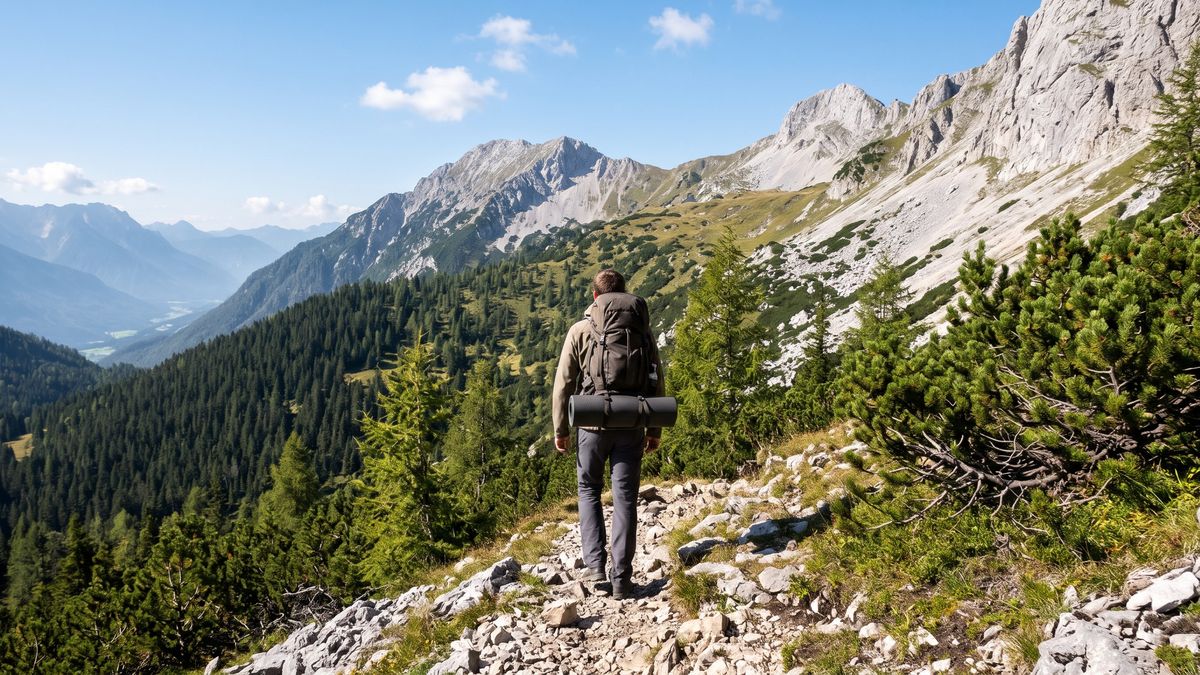
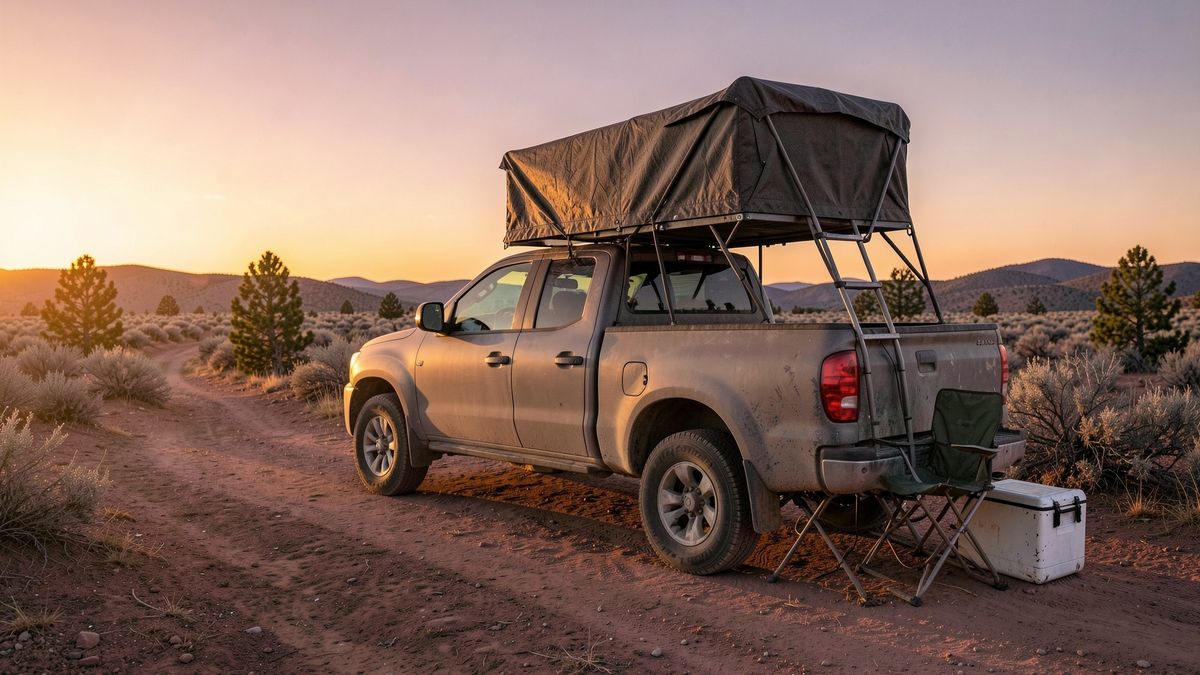
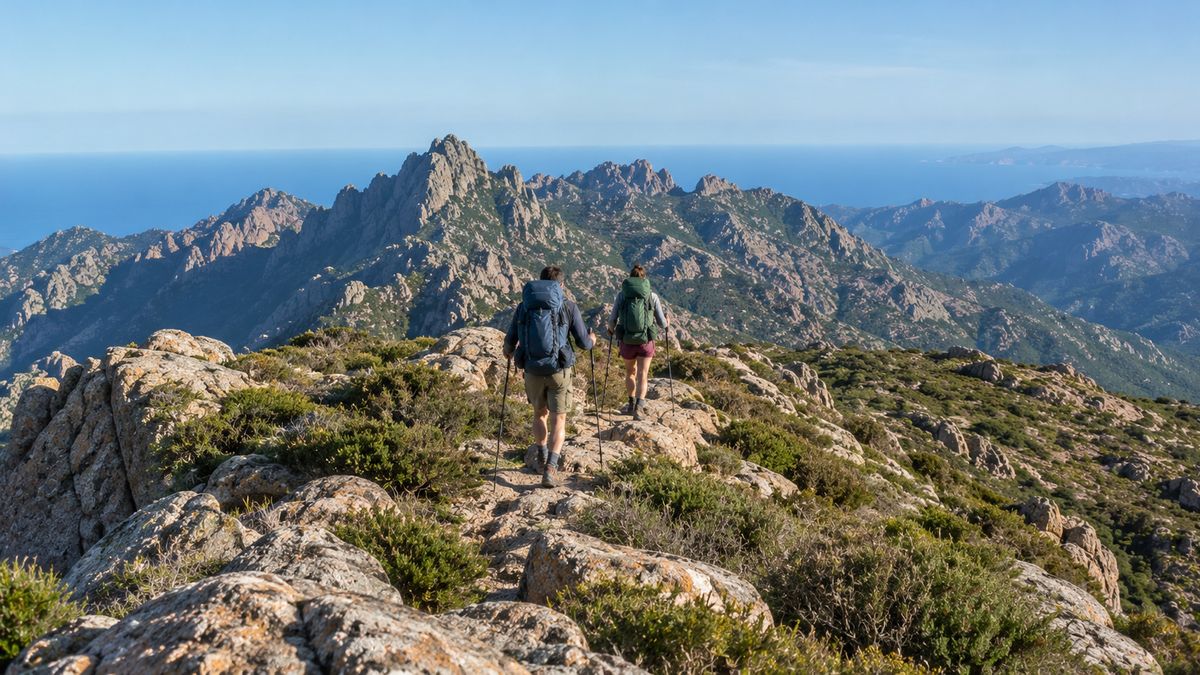
For a first night, keep it simple: a short walk in, a place you already know by day, a settled summer forecast, and a fallback close by, the car, a campsite or a village. The Scottish Outdoor Access Code asks you to have a backup plan in case your spot is busy [1], and the BMC’s advice, if in doubt, is an official campsite [5]: a fine dress rehearsal, and a better place to meet the tent’s instructions than by head torch.
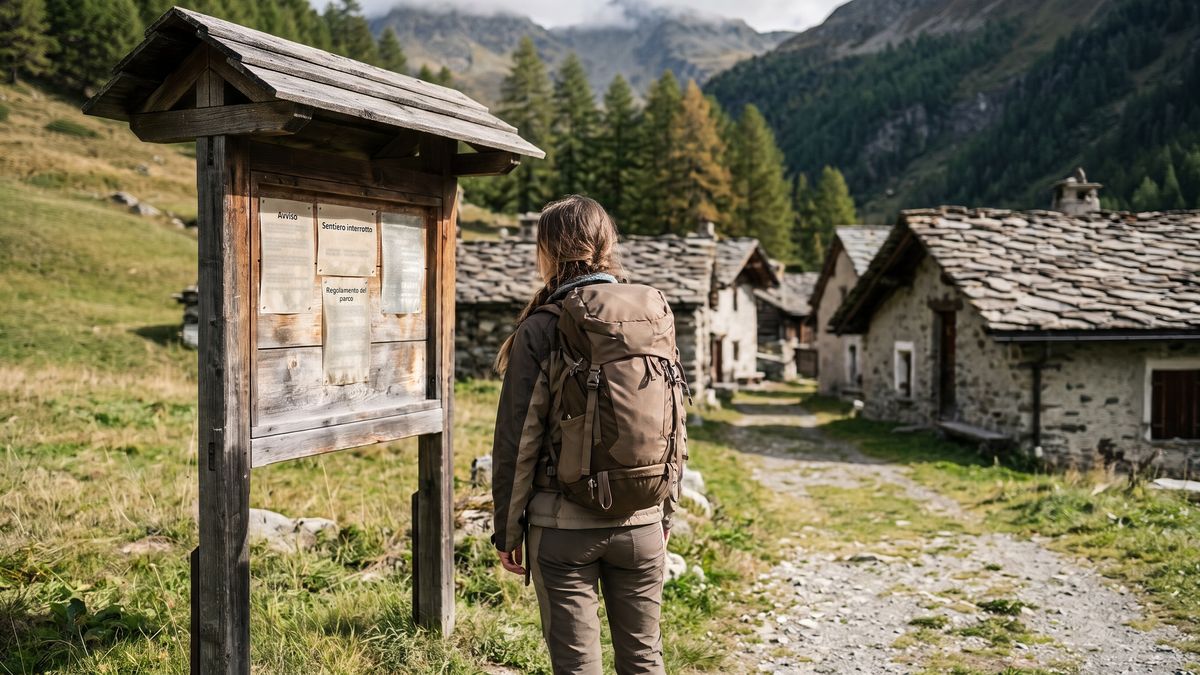
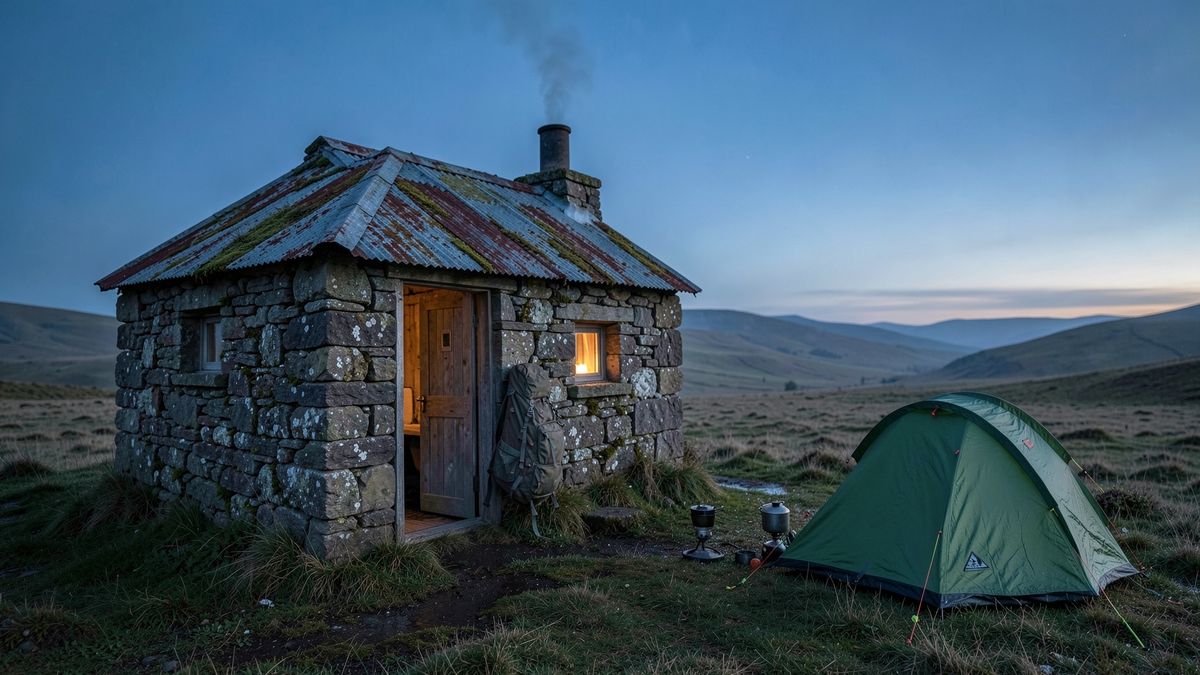
Then comes the awkward question: are you allowed to sleep there? In the UK, the answer changes at the border. In Scotland, access rights include ‘lightweight camping in a tent, in small numbers and for no more than two or three nights in one place’, well away from buildings and roads, and not in enclosed fields of crops or farm animals [1]. In England and Wales, camping is among the activities you cannot usually do on open access land [6], so you need the landowner’s permission: Dartmoor is the only place in England and Wales where wild camping is enshrined in law, as the BMC points out [7], and only on the commons shown on the national park’s map [5]. The Lake District says wild camping is technically not permitted without the landowner’s permission, but normally tolerated above the highest fell wall, ‘for only one night’, in very small groups of one or two tents [8]. Our guide to wild camping in the UK covers each case, Loch Lomond’s summer permits included.
Heading abroad? In France, it depends on the landowner, the commune and protected sites (see our guide to wild camping in France), and in their core zones, France’s national parks set their own hours: 7pm to 9am in the Écrins, more than an hour’s walk from roads [12], 7pm to 8am on a booked pitch in the Vanoise [13], and no bivouacking at all in the Calanques [14]. Our park-by-park table has the details, and our country guides cover Scandinavia, Germany and Switzerland.


2Shelter: tent or tarp
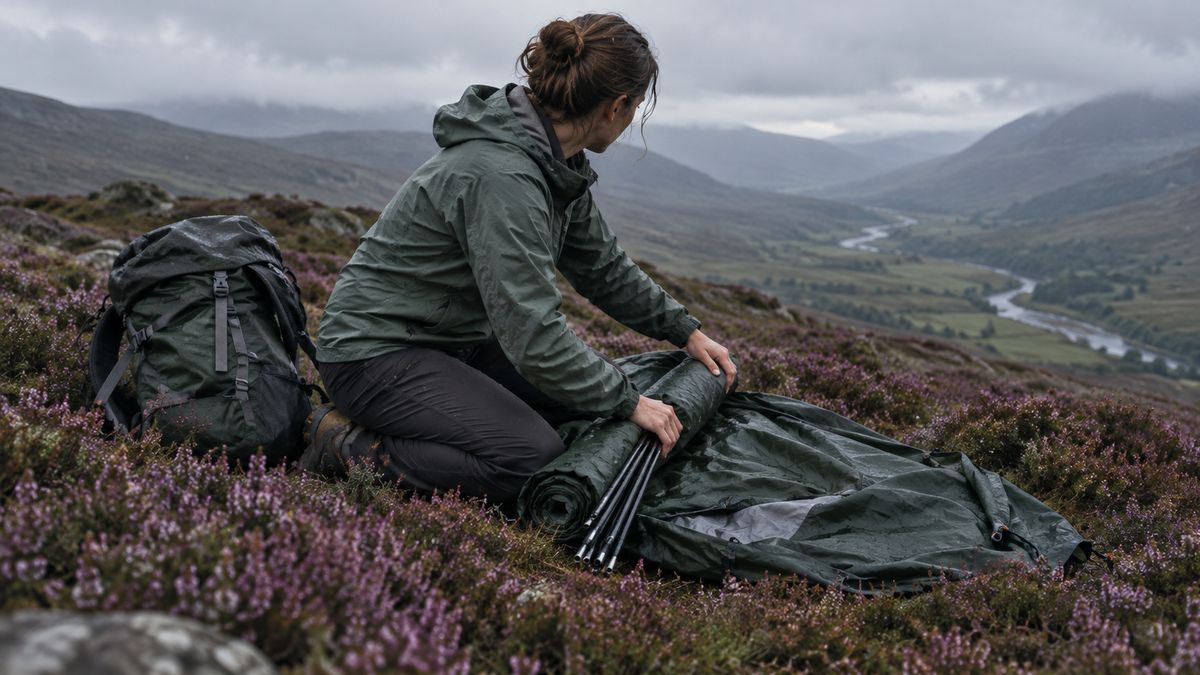
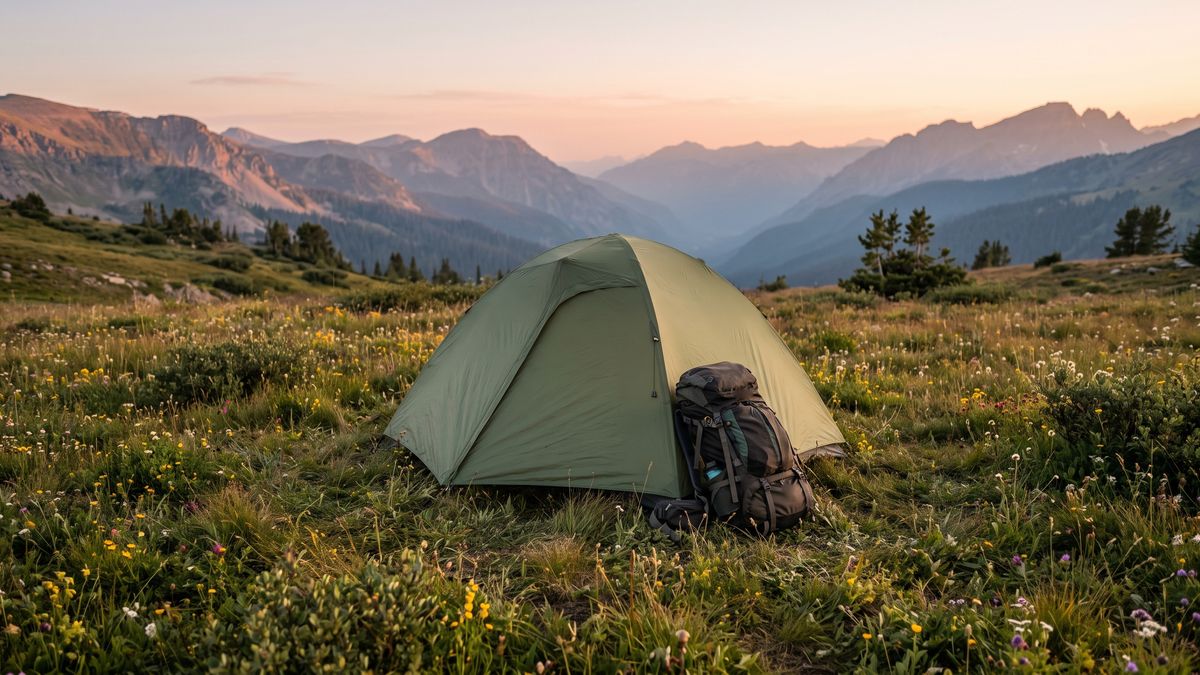
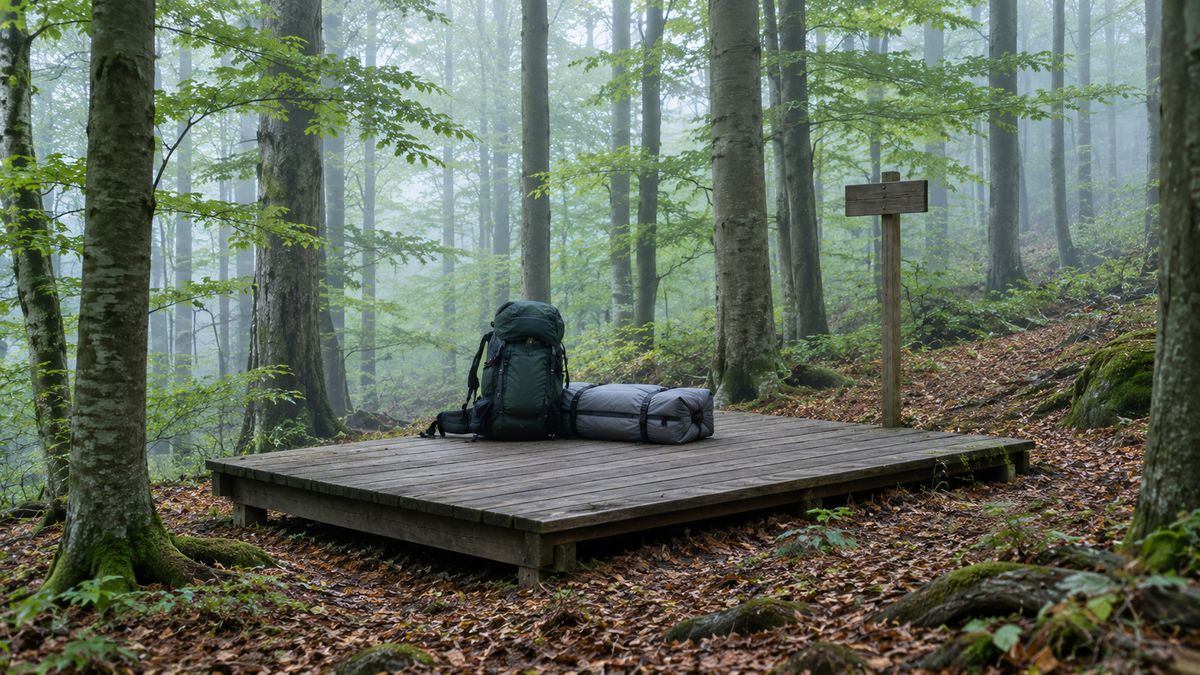
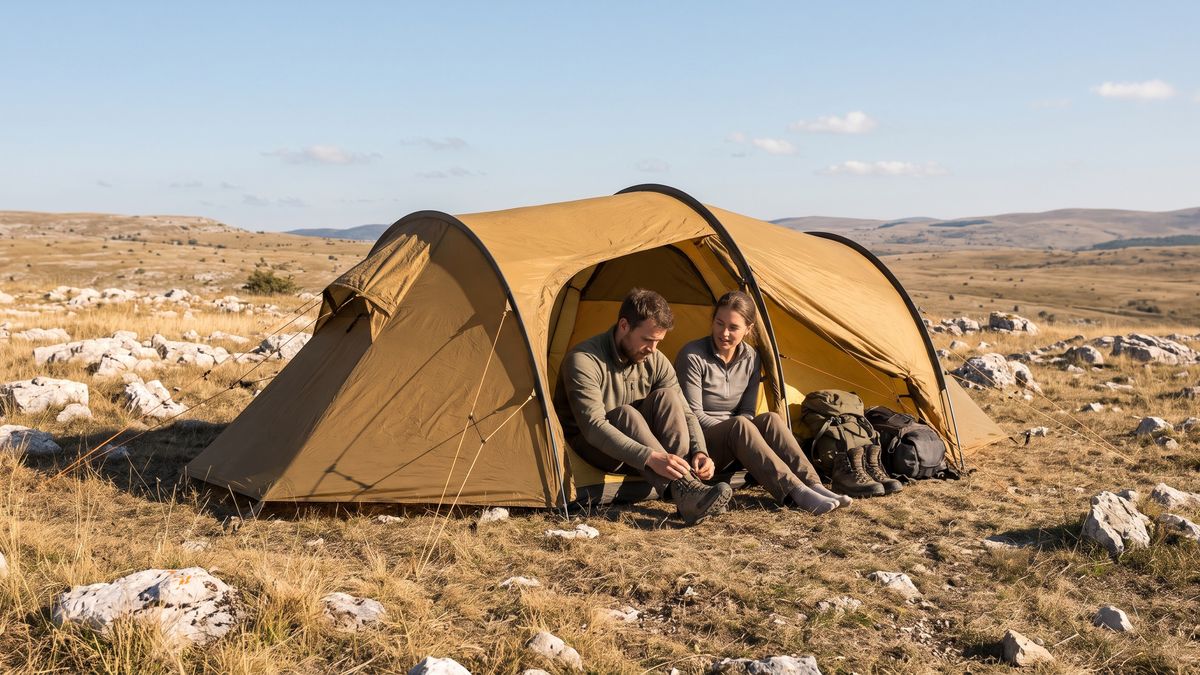
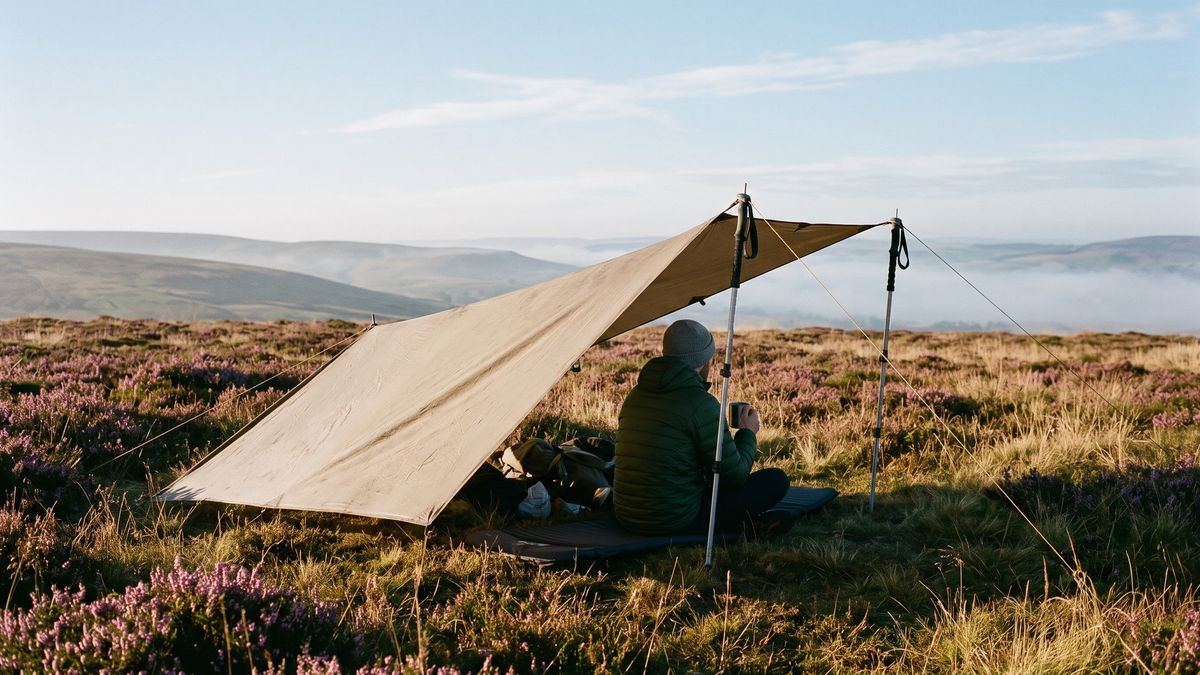
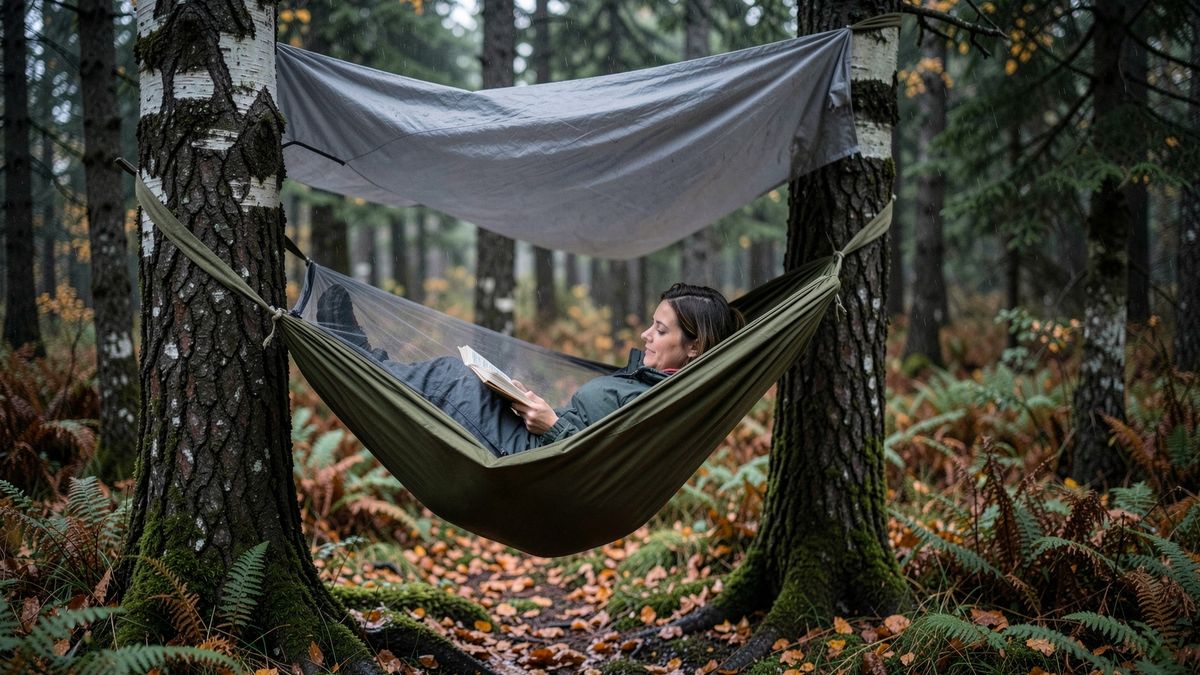
For a first night, a tent is the simplest option: it keeps off rain, wind and midges, and pitches the same way wherever you are. A tarp, a simple sheet of fabric, weighs less and is often enough on a summer night, as long as you know how to pitch it: the side facing the wind is anchored close to the ground, and the stormier the weather, the flatter the tarp should be, as Tatonka explains [15]. Our guide to tarp pitches details the four that cover almost every situation.
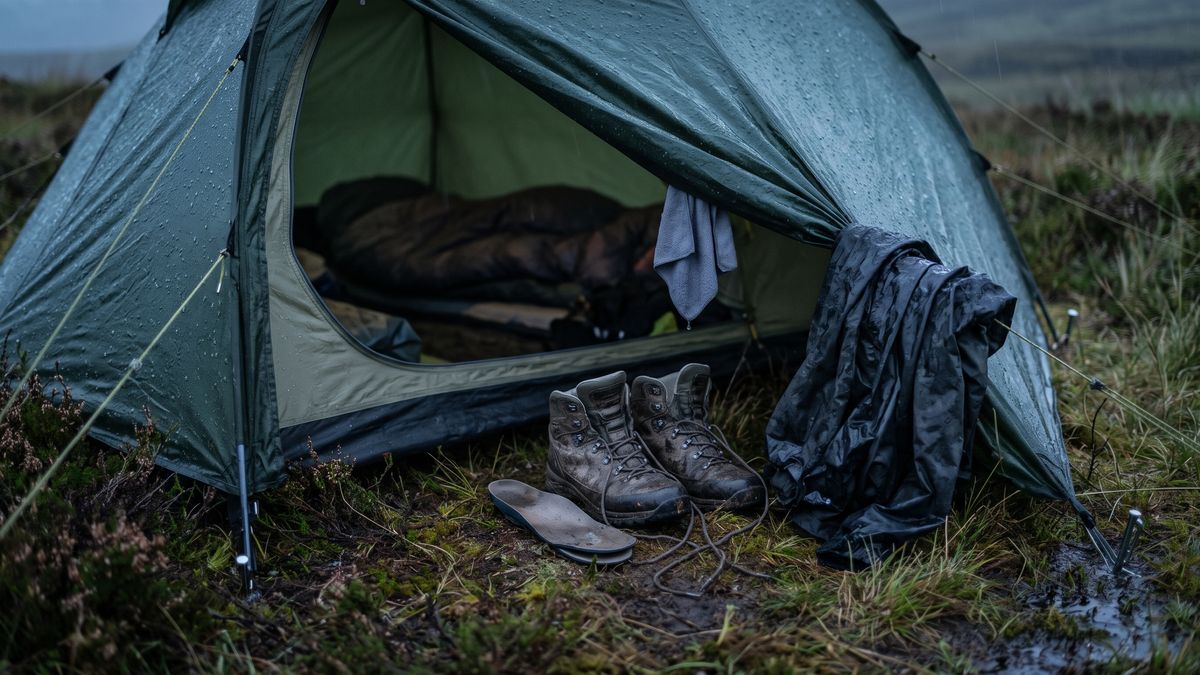
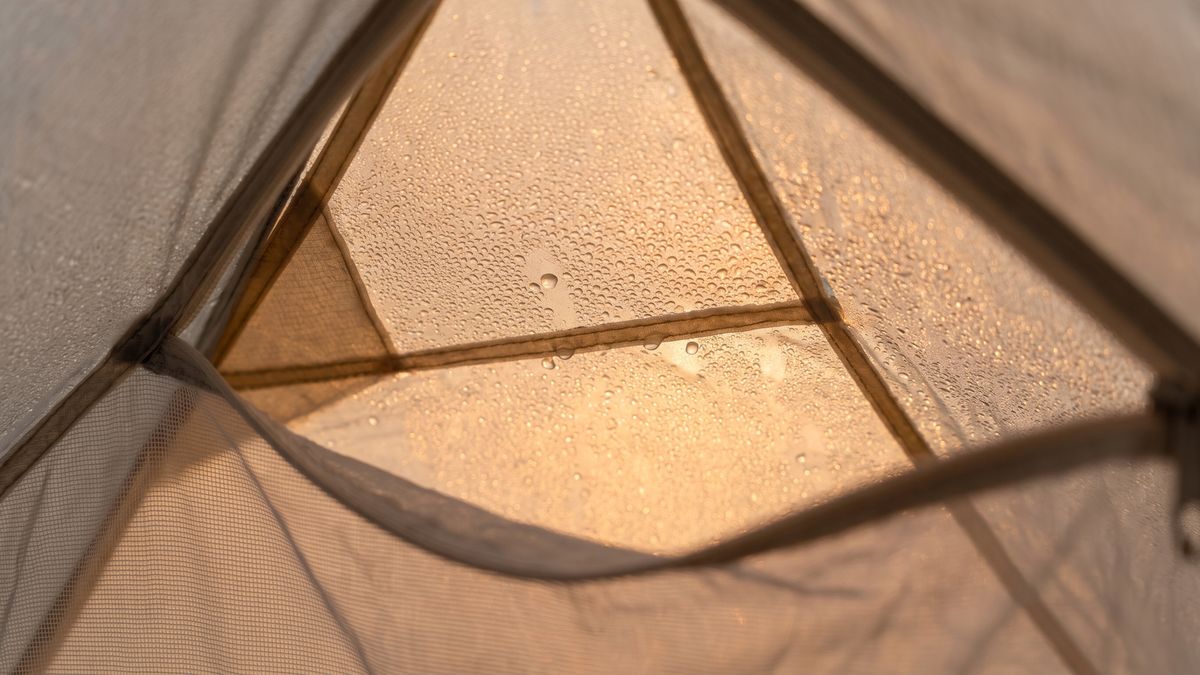
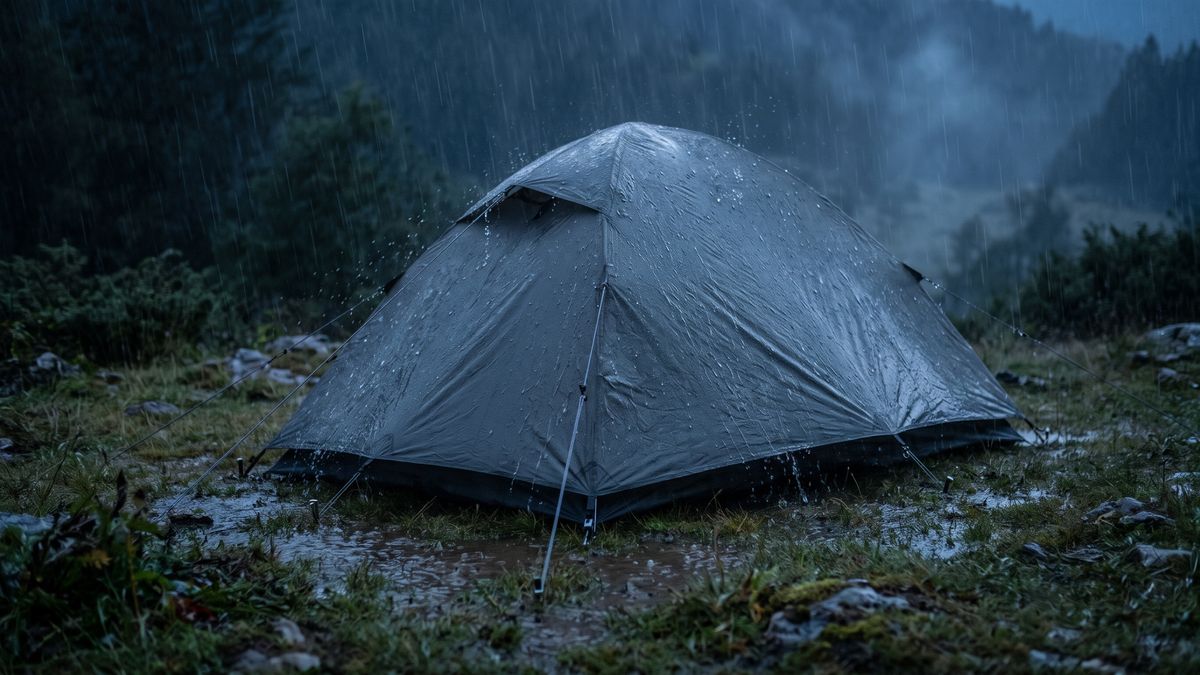
Whatever the shelter, pitch it at least once before you go, in daylight, and count the pegs. In the shop, look at the packed weight: that’s the one you’ll carry, not the minimum weight on the label. And don’t panic if the inside of the flysheet is streaming when you wake: it’s usually condensation, the night’s water vapour settling on cold fabric, not a leak. Leave the vents open, even when it’s chilly. And keep the wet things in the porch, the dry things in the inner tent: it’s one of the lessons Erik Gauden drew from three days of rain in the Monts d’Arrée, in Brittany.


3Sleeping warm: the mat matters as much as the bag
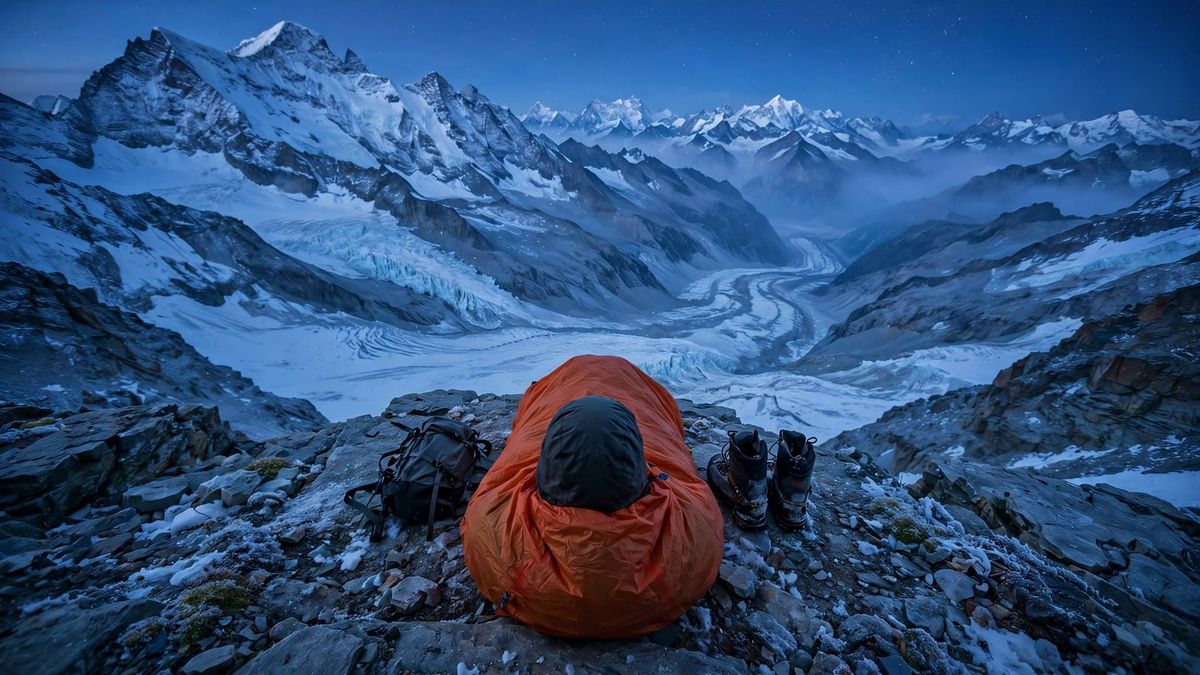
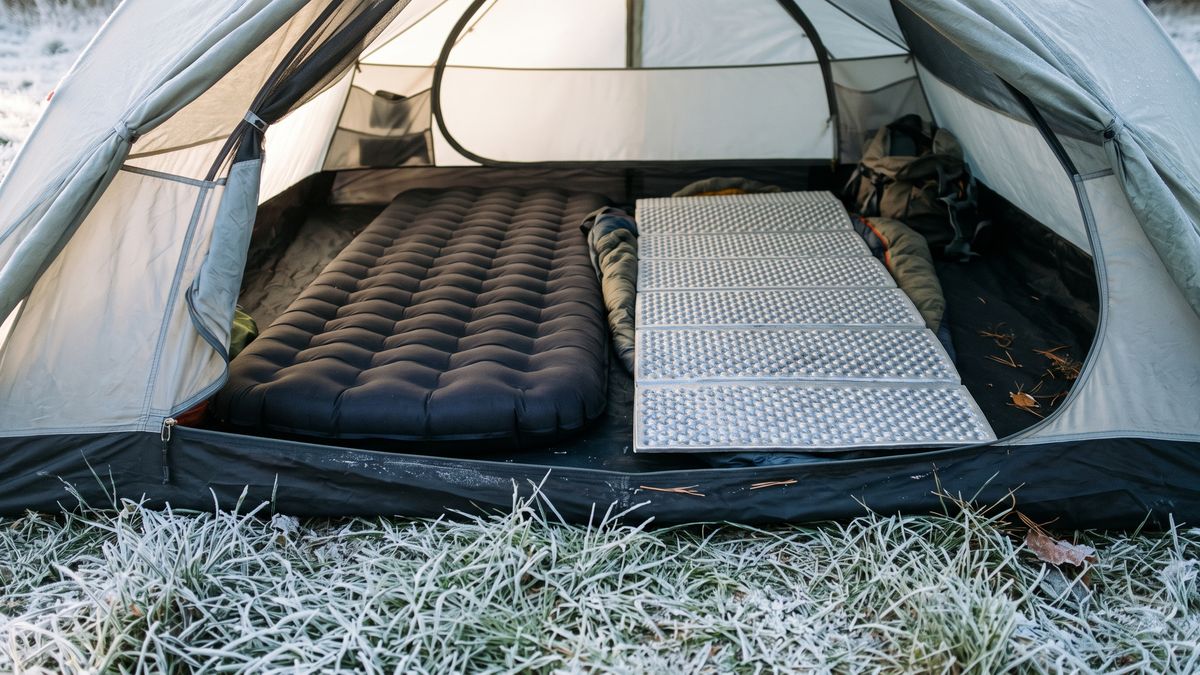
The cold comes from below: lying down, your body gives up its heat to the ground, and the sleeping bag squashed under your weight barely insulates. Mountaineering Scotland’s winter camping advice puts it plainly: what you sleep on becomes as important as what you sleep in [16]. A mat’s R-value measures its thermal resistance: the higher the number, the slower heat passes through it [17]. Stack two mats and their R-values add up, which is why foam under an inflatable is the classic pairing for cold nights. Our guide to R-values explains how to read the figure and compare one brand with another.
For the sleeping bag, the EN ISO 23537 standard produces a series of temperature ratings, comfort, limit and extreme, as Rab explains [18]. Choose by the comfort rating, especially if you feel the cold, and treat the limit as a floor: Rab, for one, uses the limit rating in the names of its bags [18], so the number on the label isn’t always the one to go by. Check the forecast temperature at the height where you’ll sleep, too, not in the village: according to MeteoSwiss, the air cools by an average of 0.65 °C per 100 m of height [19], about 6.5 °C over 1,000 m. And on the Scottish hills, Mountaineering Scotland points out that even in the warmest summer months, it can be close to freezing in the early hours [20].
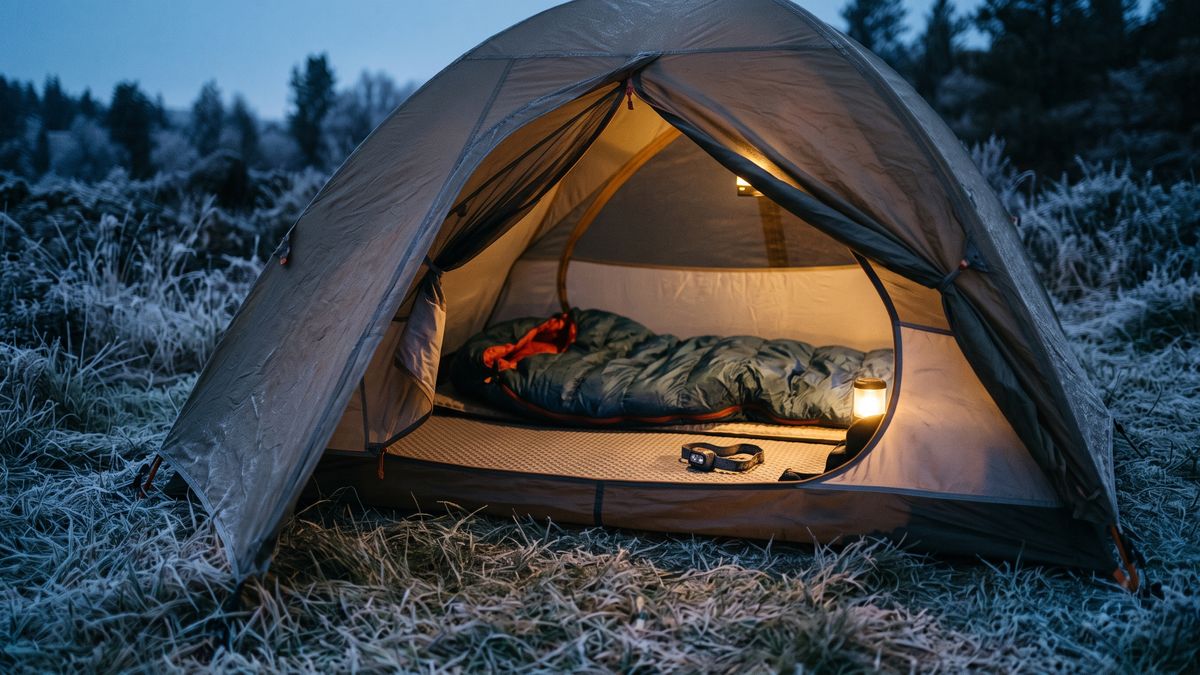
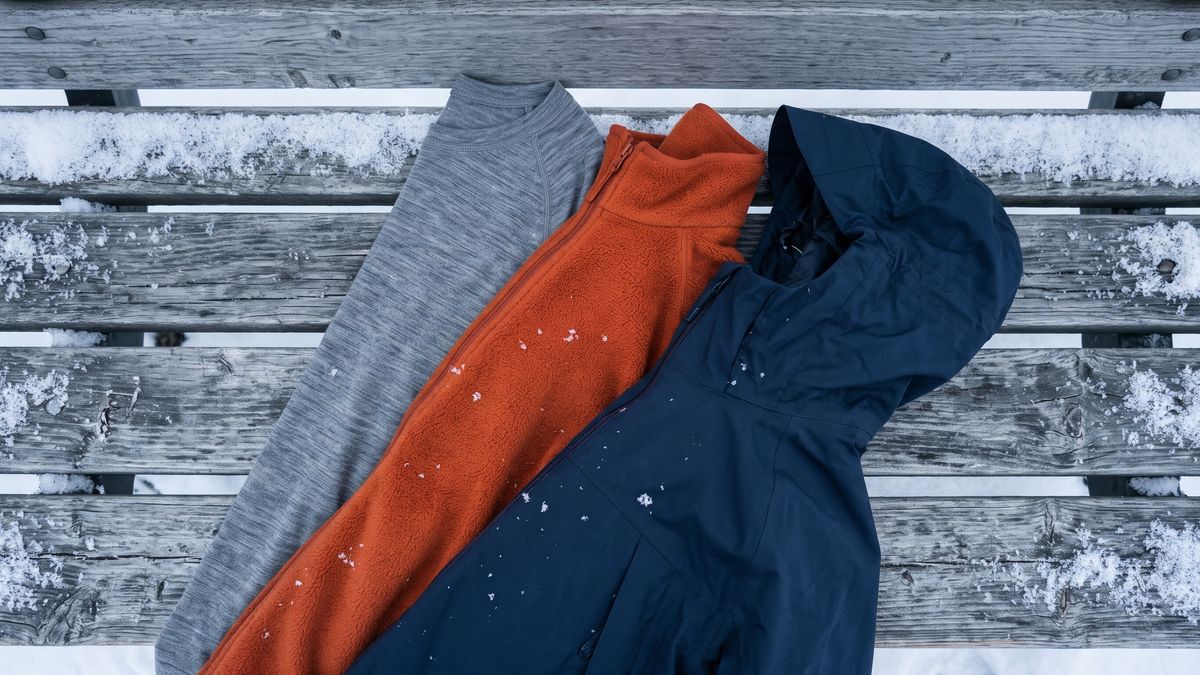
In the evening, change. A base layer worn all day may feel dry, but once you stop moving, its moisture soon saps your body heat, warns Mountaineering Scotland, which advises keeping dry clothes on in your sleeping bag when it’s cold, and wearing a fleece or woollen hat in bed [16]. The French Hiking Federation adds one tip: take the sleeping bag out of its stuff sack well before bedtime, so it has time to loft [21]. A dry warm layer and a pair of socks kept for the night do the rest: the three layers work in the tent, too.


4Drink, eat and cook without a fire
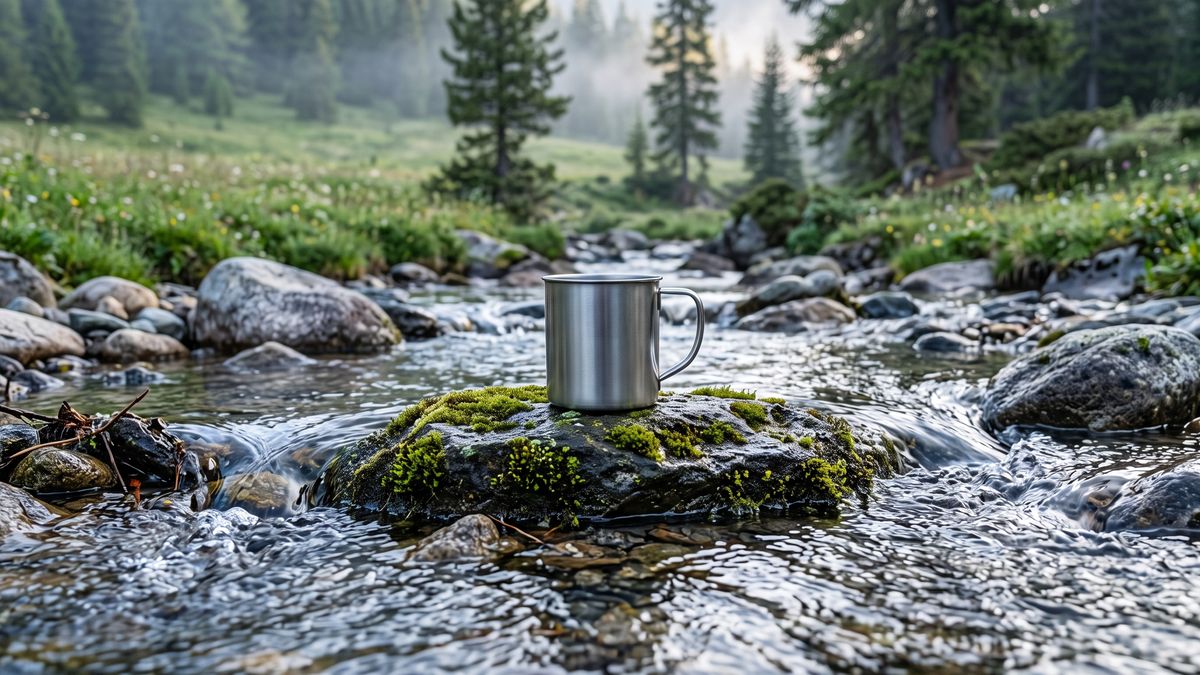
Clear water isn’t necessarily safe: on a wild camp, treat all natural water, by boiling, filtering or chemical treatment, each with its limits; our guide to water for wild camping compares them. The World Health Organization considers a rolling boil enough to kill bacteria, viruses and protozoa [22]. Mountaineering Scotland adds two habits: take water from a flowing stream rather than still water, and avoid sources that are obviously muddied or where there is a lot of livestock [4]. Find the streams on the map, but don’t bet everything on the last one before camp: a burn that runs in June can be dry in August. Count water for the evening and the morning, for drinking and cooking, on top of what you need for the walk.
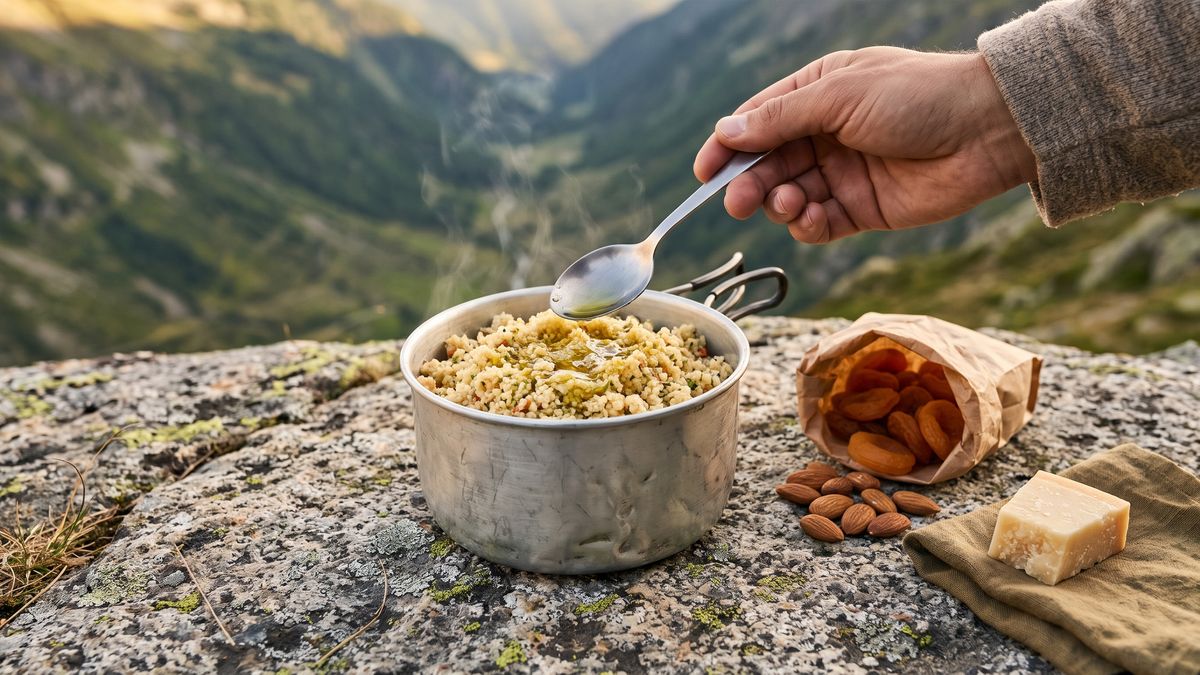
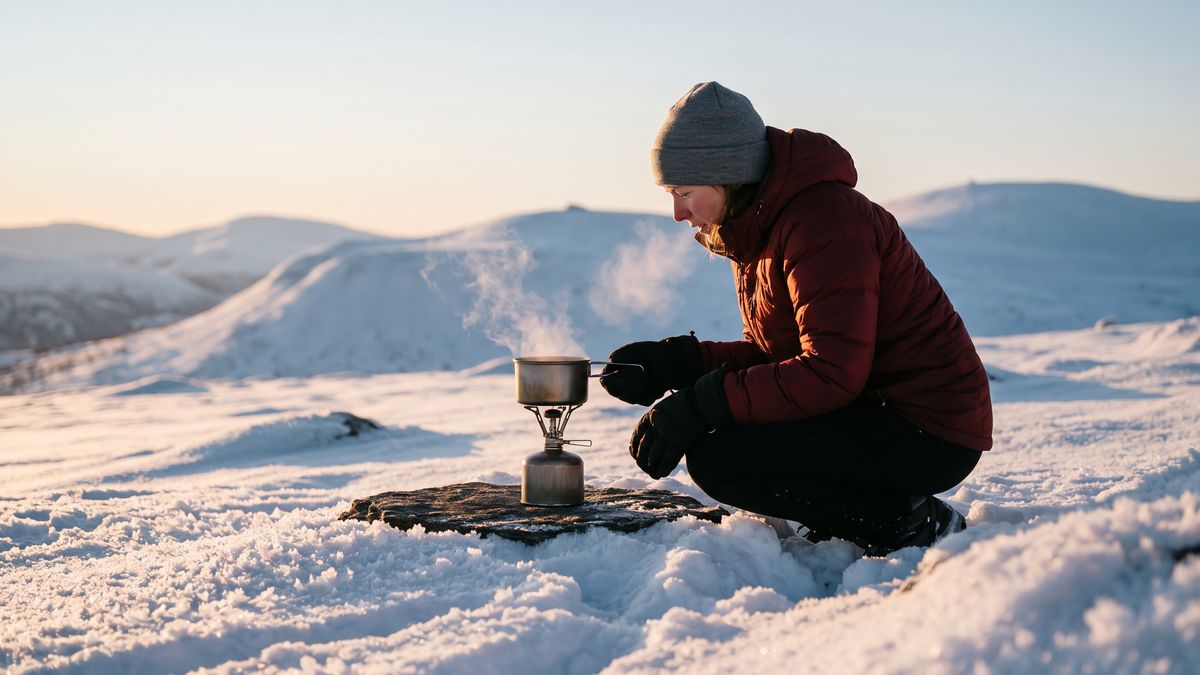
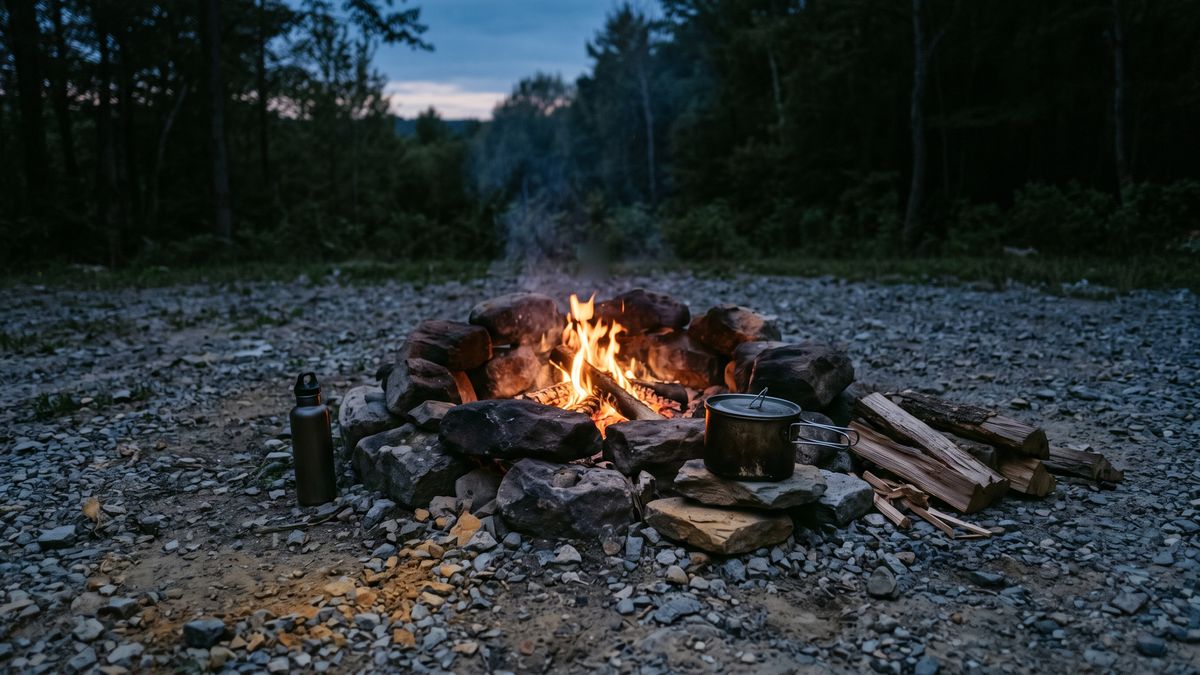
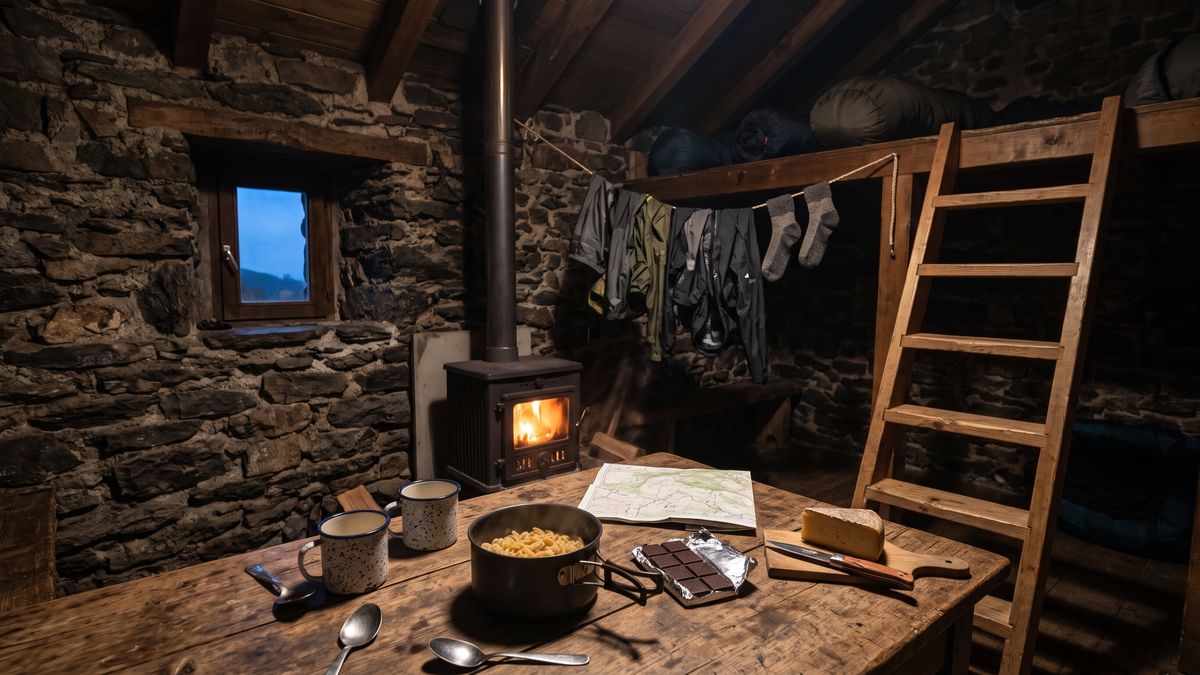
For the meal, keep it simple and hot: a dehydrated meal, couscous or quick-cook pasta, something to nibble when you arrive, and a breakfast ready in five minutes. The stove replaces the campfire. In Scotland, the Access Code asks you not to light an open fire, even in a fire bowl or barbecue, during prolonged dry weather or near forests, farmland or peaty ground, and to cook on a stove set on a level, non-flammable surface, away from dry grass and from your tent [1]. In England and Wales, the Countryside Code says not to light fires and to have barbecues only where signs say you can [3]; the Lake District asks wild campers not to light any fires [8], and campfires are not permitted in Wicklow Mountains National Park [11]. Take spare fuel, Mountaineering Scotland reminds you [4]. Across the Channel, our guide to campfire rules in France explains where a small fire is still allowed.


5The night before: forecast, rucksack and someone told
The night before, then again on the morning you set off, read the national weather service’s mountain forecast. In the UK, the Met Office publishes one for the main hill and mountain areas every afternoon before 6pm, and updates it before 6am [26]; in Ireland, Mountaineering Ireland’s advice is to get a forecast before setting off and to be ready to change your route or turn back [9]. For a wild camp, look above all at three things: the wind, thunderstorms and the temperature at the height where you’ll sleep. If the forecast worsens, put it off or change your plan: the Countryside Code asks you not to be afraid to turn back [3]. Our guide to mountain forecasts explains how to read them.
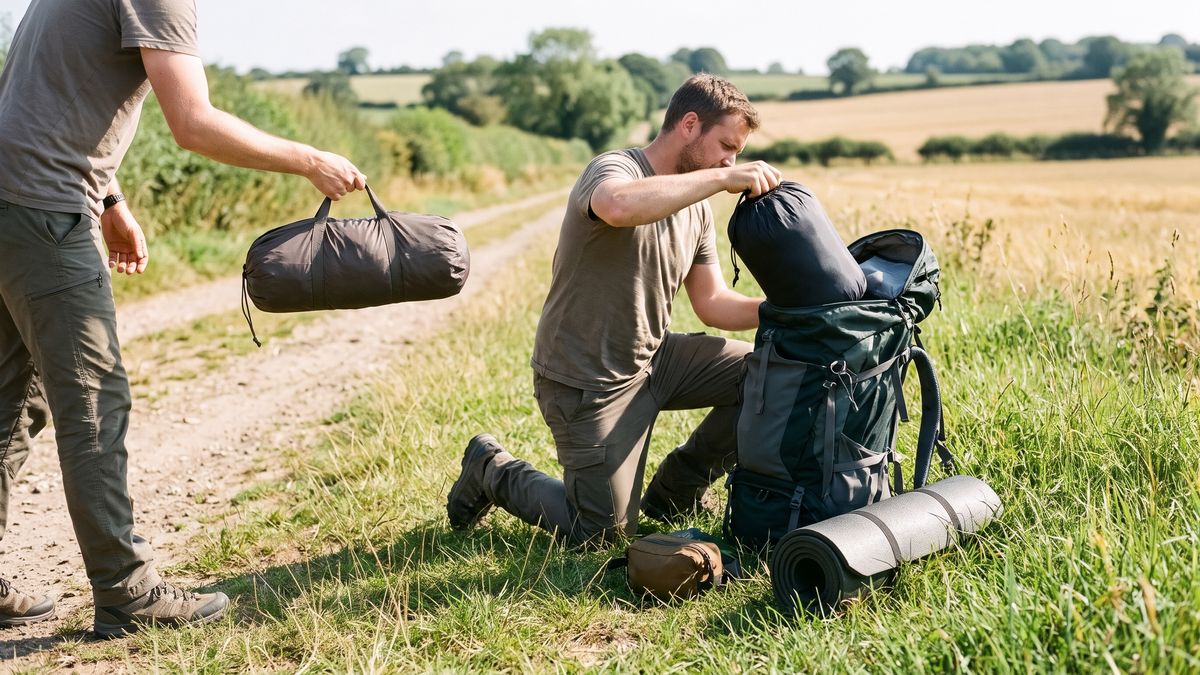
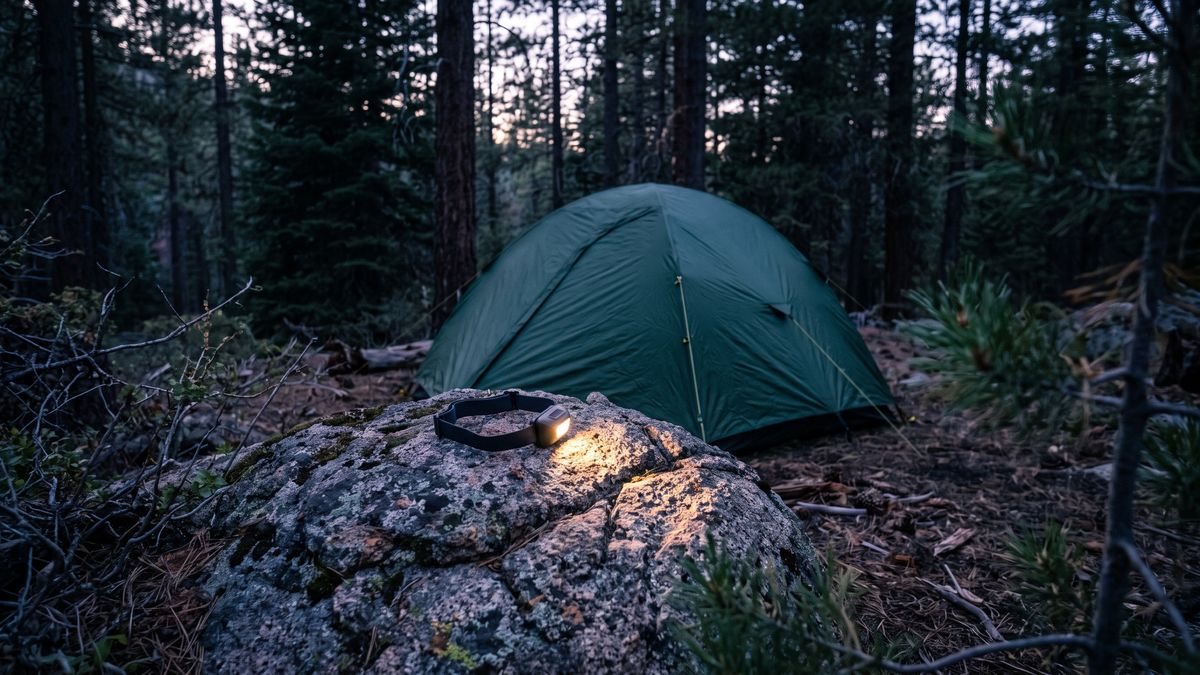
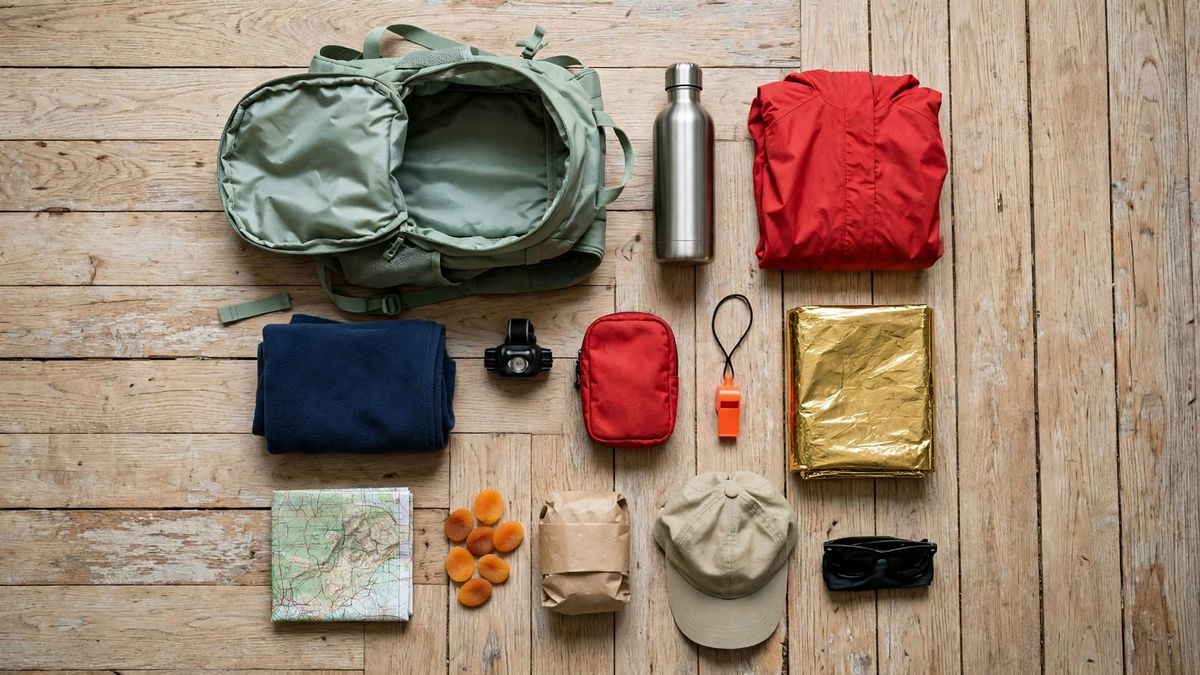
Then pack your rucksack with the checklist at the bottom of the page, laying everything out on the floor first: it’s the best way to see what’s missing, and what weighs too much. Put the charged head torch, or its spare batteries, where you can find it by feel.
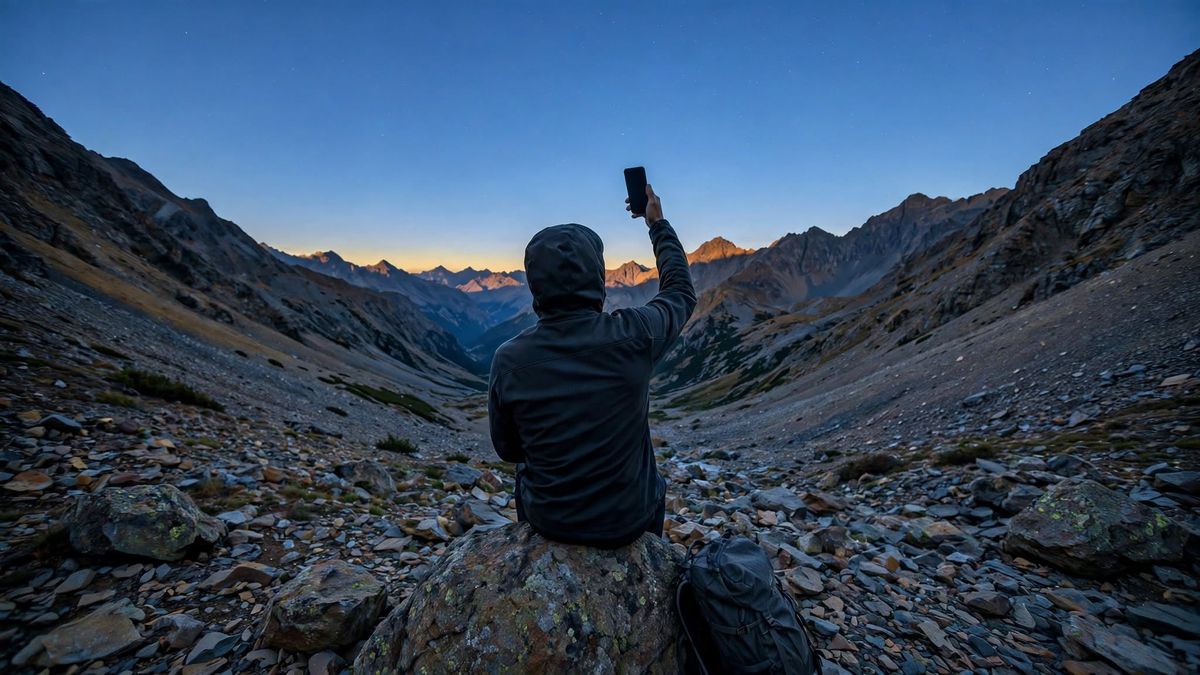
Finally, tell someone where you’ll sleep, by which route, and when you’ll be back: the Countryside Code asks you to, pointing out that phone signal is unreliable in many places [3], and Mountain Rescue England and Wales asks those who go out alone to stick to the plan they’ve left, and to say so if it changes [27]. In the UK, dial 999 or 112 and ask for the police, then Mountain Rescue; if you have hearing or speech difficulties, register with emergencySMS before you need it [28]. In Ireland, calls to 112 and 999 are free, and texting 112 no longer needs registering [29]; ask for the Gardaí and tell them you need Mountain Rescue [9]. In the hills, though, signal often fails right where you sleep. Learn the distress signal: six good long blasts on the whistle, or flashes of the torch, in a minute, then a minute’s pause, repeated until someone reaches you, says Mountain Rescue England and Wales [27]. And calling for help without signal needs preparing too.


6On site: choose your pitch and set up camp
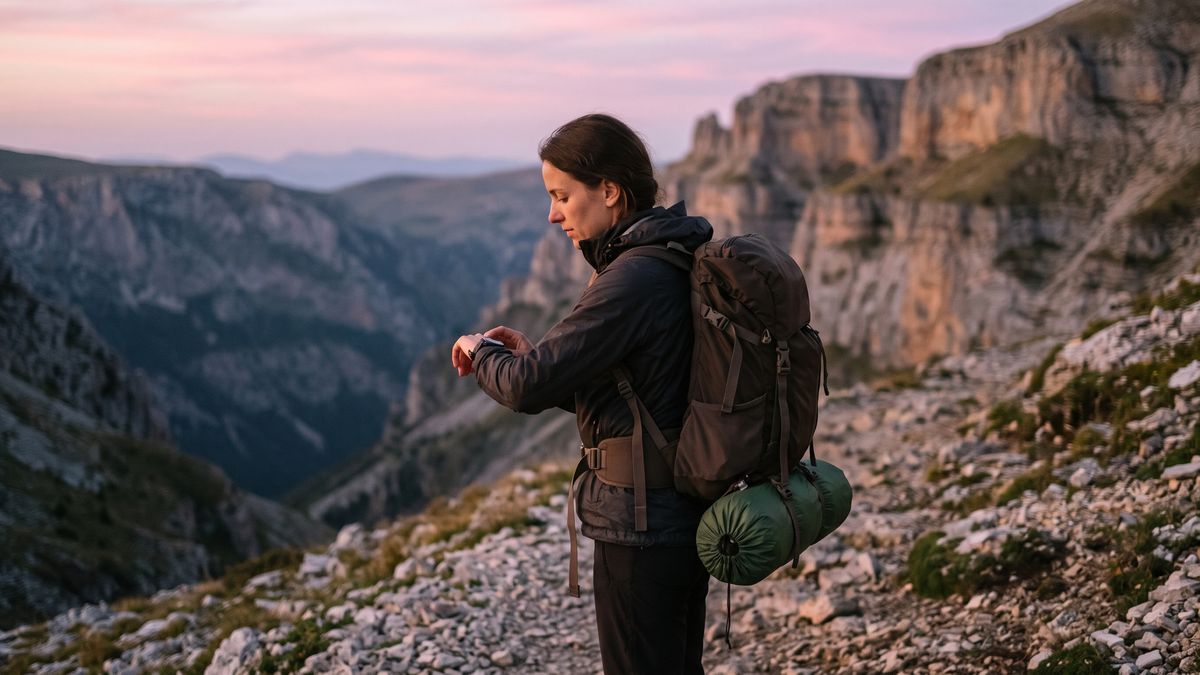
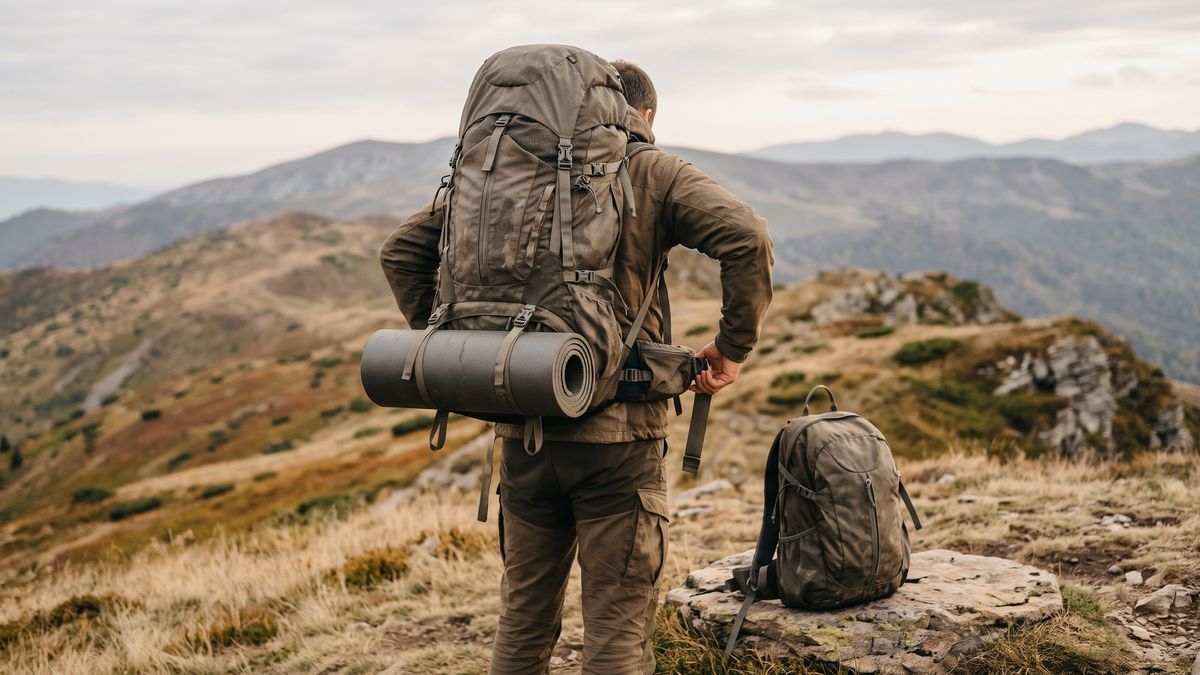
Arrive with daylight to spare. The French Hiking Federation puts it bluntly: choosing where to pitch ‘needs particular care, and therefore a little time’, and a badly chosen spot can make for an unpleasant night, or even put campers in danger [21]. Where wild camping is only tolerated, the BMC asks you to pitch late, leave early and not leave your tent up during the day [30]: late, but not in the dark. Find your spot while you can still see it properly, and once the tent is up, don’t hang about, as Mountaineering Scotland advises: fetch water for the night and roll out your mat and sleeping bag [16].
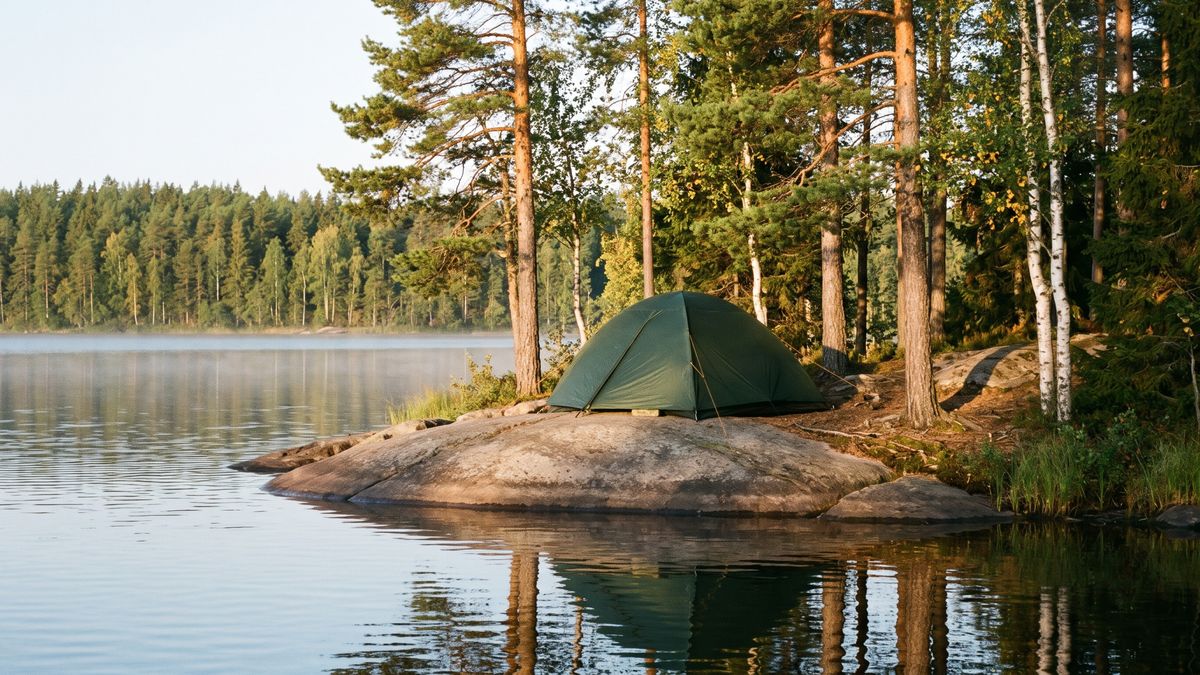
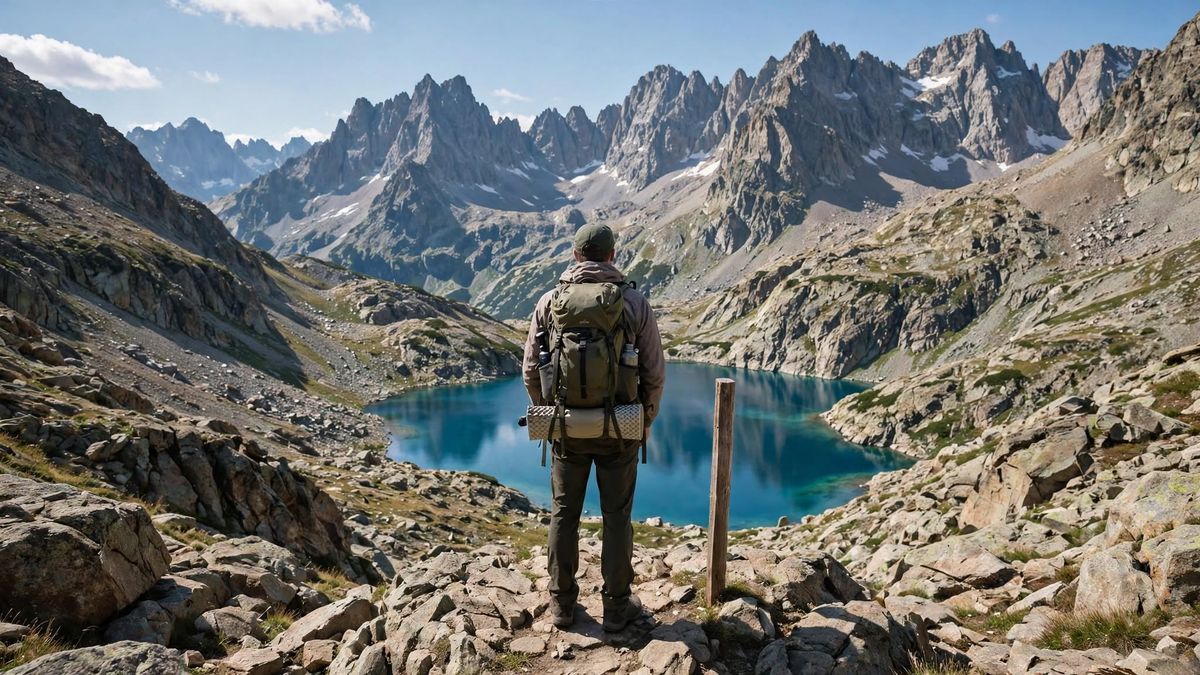
Then look around you, and above. Not at the foot of a crag or a cliff, because of falling rocks, and not in a hollow or beside a stream, where the water can rise suddenly after heavy rain or a storm upstream [21]. Mountain Rescue England and Wales lists gullies, gorges, stream beds and streams in spate among the dangers to avoid [27], and Mountaineering Scotland warns that low, sheltered spots can flood when heavy rain or a thaw is forecast: pick your pitch above any flood potential [16]. In Switzerland, the Swiss Alpine Club adds that a river can also rise suddenly because of a hydroelectric plant upstream [31]. Finally, keep away from isolated tall trees, which attract lightning, and from branches a violent gust could snap [21], and leave the ridges and summits alone when storms threaten.
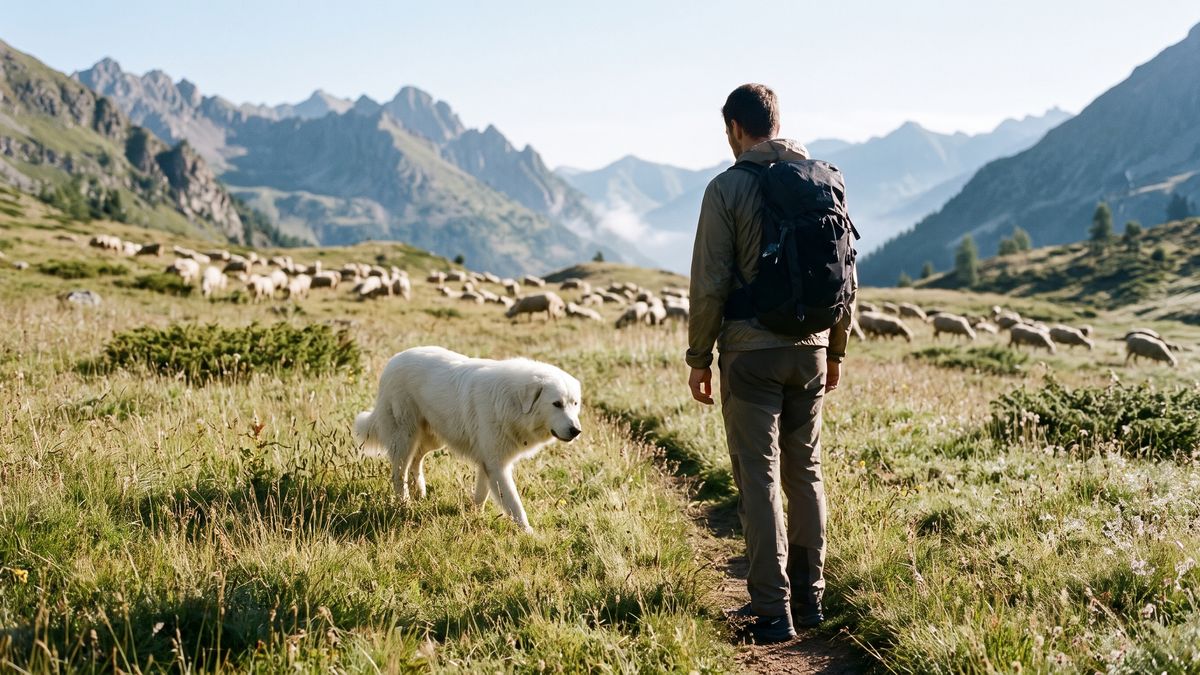
How far from water? There is no official distance for wild camping in the UK; the Lake District simply asks you to stay well away from lake shores [8]. Leave No Trace, the American reference, asks you to camp at least 200 feet, about 60 m, from lakes and streams [32]. Keep clear of livestock too: the Access Code asks you to avoid enclosed fields of farm animals [1], and the Countryside Code to give livestock plenty of space, as their behaviour can be unpredictable [3]. Then clear the ground of stones and twigs, but choose a dry pitch rather than dig drainage ditches or move boulders, as the Lake District asks [8].


7The night: food, noises and thunderstorms
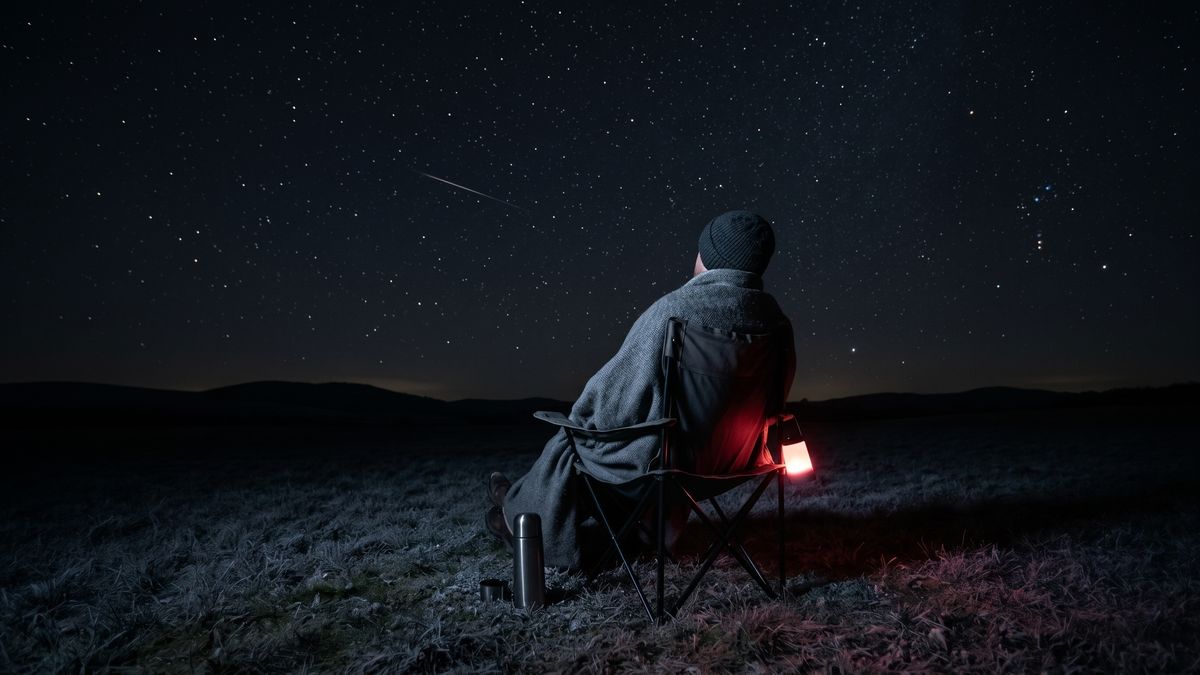
At night, keep your food and rubbish in the tent or in a sealed bag. There are no bears to worry about here, but food or rubbish left lying around ends up feeding animals by accident, as Sport Ireland’s version of the Leave No Trace principles points out [33], and Wicklow asks you to take all your food waste away, even if it’s biodegradable [11]. Noises mostly unsettle you the first time: a twig snapping, an owl, sheep shifting about in the dark. Nothing out of the ordinary. Keep your head torch and water within reach, and pick out by day the spot you’ll use in the middle of the night, away from the camp and from water.

8The morning: leave no trace
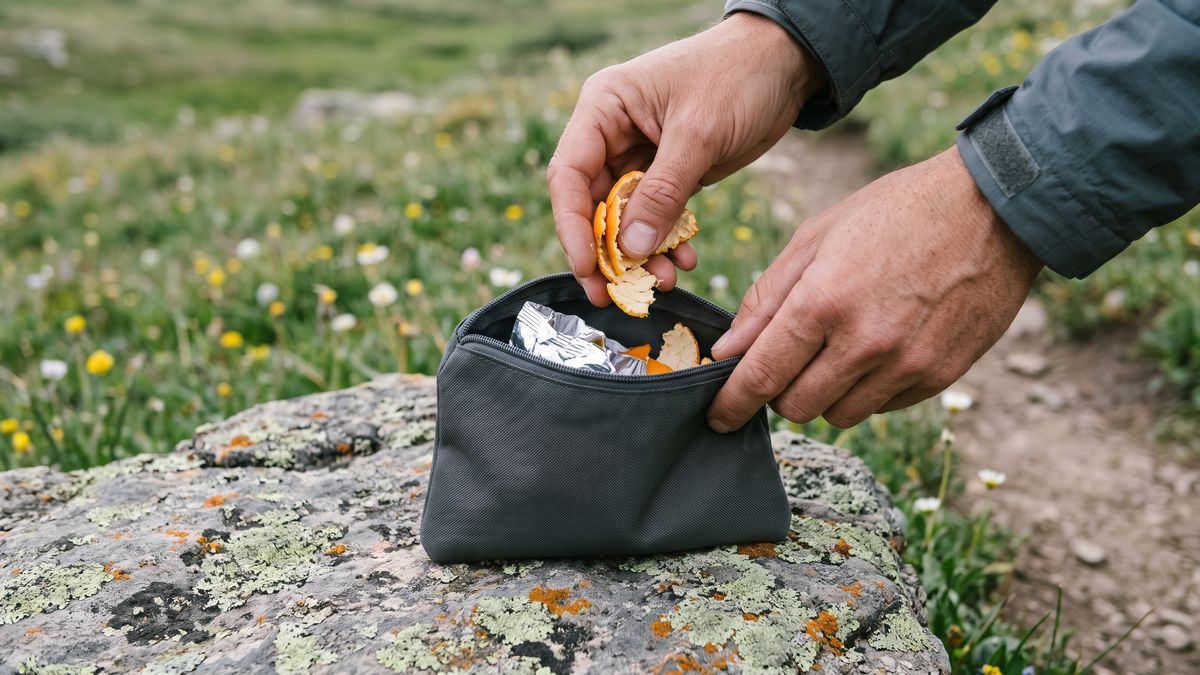
Leave early, as the BMC asks wherever wild camping is only tolerated [30]. Before you shoulder your rucksack, walk round your pitch: nothing left behind, peelings and scraps of paper included, and the ground as you found it. For toilet trips, the advice varies from page to page, even within one organisation. The Access Code asks you to pee at least 30 m from lochs, rivers and burns, and to bury poo in a shallow hole or bag it and carry it away [1]; the Lake District says at least 30 m from water, buried with a trowel [8]; the BMC says 30 m on one page, with everything carried out in a bag [5], and 50 m on another, with solid waste buried 15 cm deep [30]. In Ireland, Glenveagh National Park asks for a hole 10 to 12 cm deep, at least 30 m from watercourses and 50 m from walking routes [36]. Either way, the toilet paper goes home with you. Our guide to leaving no trace covers the seven principles.
Back home, let the person who has your return time know you’re back. Then check yourself for ticks: the NHS advises regularly checking your clothes and skin, and children and pets, after being outdoors; ticks are found all over the UK, and high-risk places include grassy and wooded areas in southern England and the Scottish Highlands [37]. Finally, unpack the tent and let it dry before putting it away: rolled up damp at the back of a cupboard, it goes mouldy and starts to smell. Note what you missed, and what you carried for nothing: it’s the best list for next time.

9Going further: several nights, by canoe, by bike, with the family
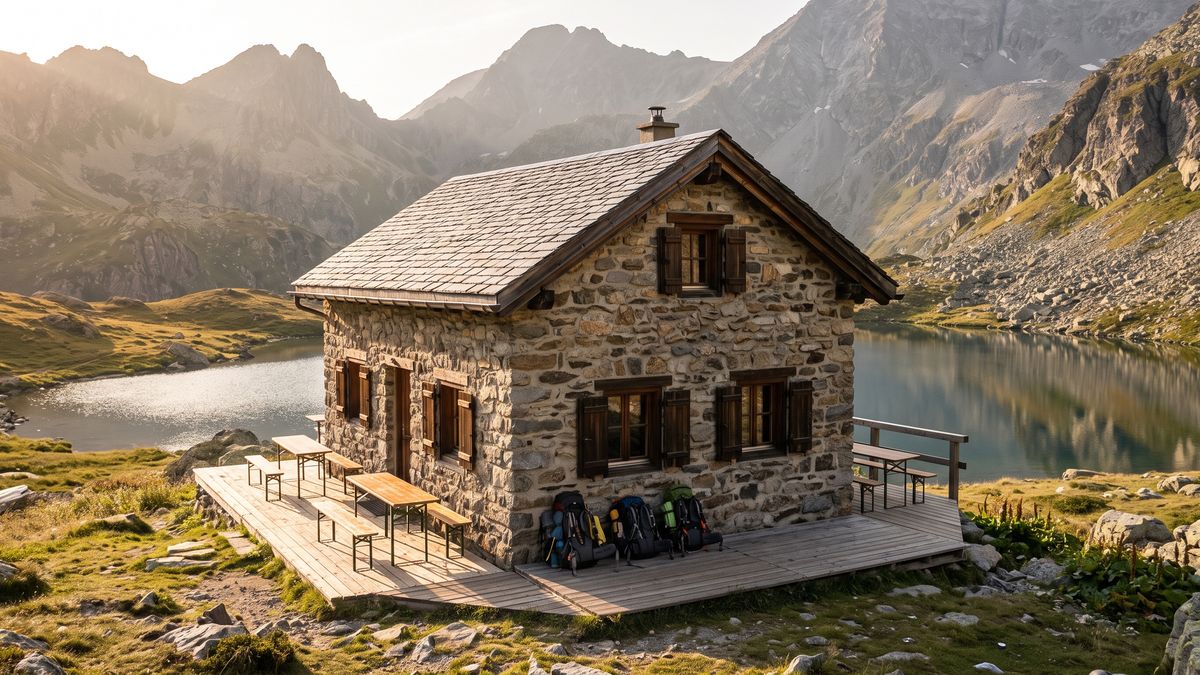
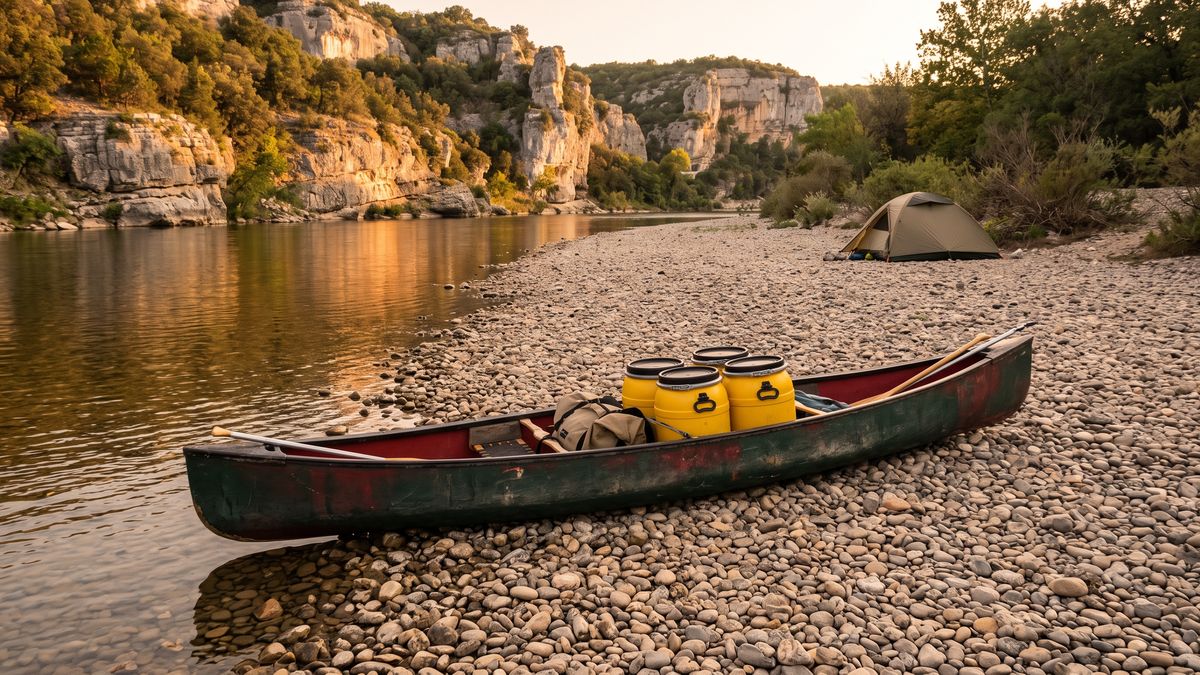
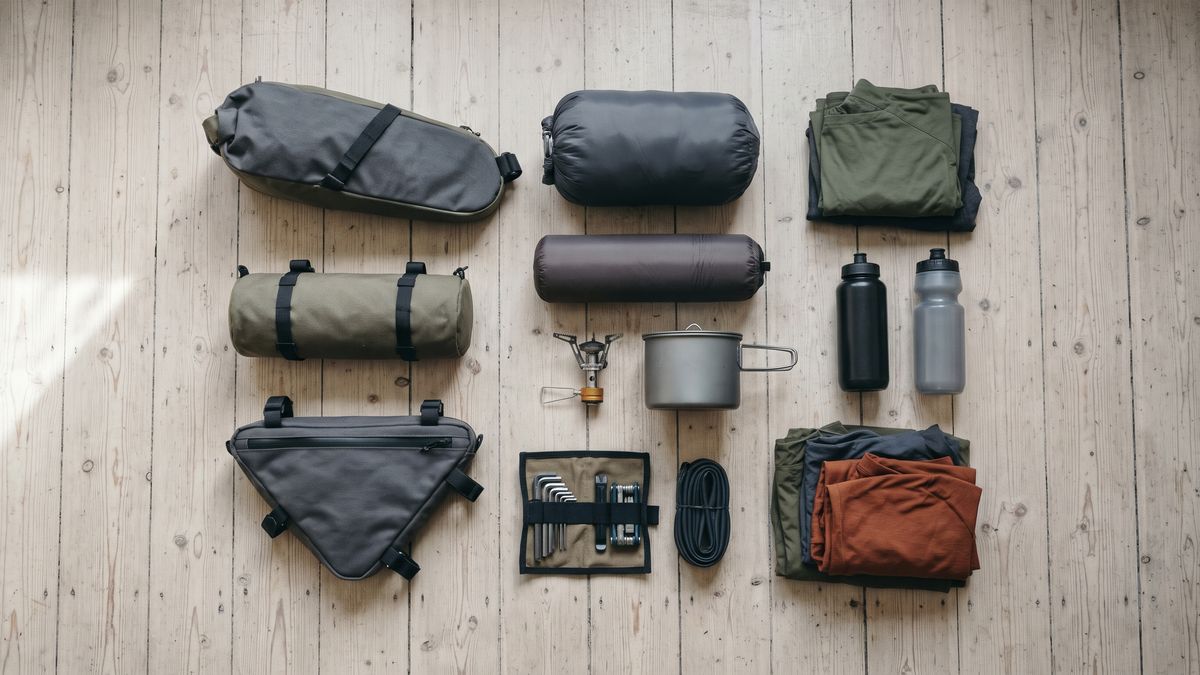
After a successful first night, the next ones come quickly. On a multi-day route, camping often has its own rules: on Corsica’s GR20, it is only allowed near the refuges or in designated areas, and every night must be booked, even in your own tent. Out of season, France’s unstaffed mountain huts call for a sleeping bag and self-sufficiency. On the water, canoe camping adds a night on the riverbank; by bike, bikepacking fits the whole camp into three bags.
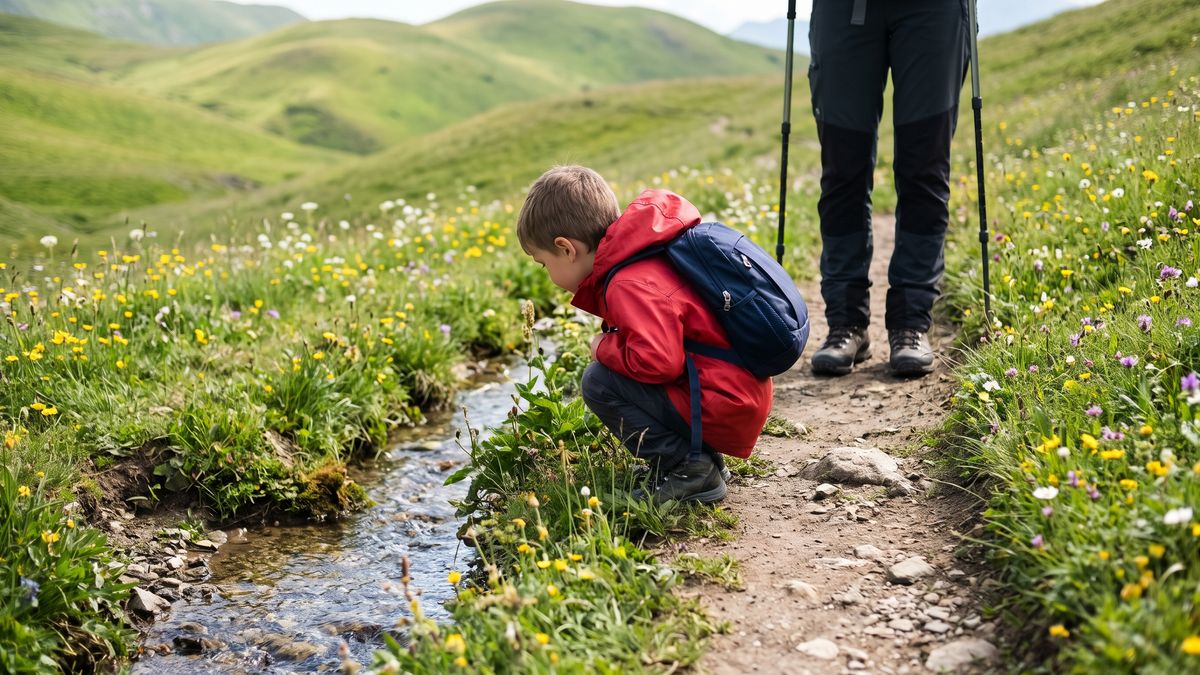
With children, the rules of walking with children apply at night too: start short, and keep a margin. Our guide to walking with children gives the benchmarks age by age, and the one on walking with your dog explains where dogs aren’t allowed; in England and Wales, a dog must be on a lead on open access land from 1 March to 31 July [3]. Further north, the right of public access opens Sweden, Norway and Finland to wild camping, within its own limits. And for every night that follows, a good habit to get into stays the same: the checklist below, read through the night before, and someone who knows where you’re sleeping.
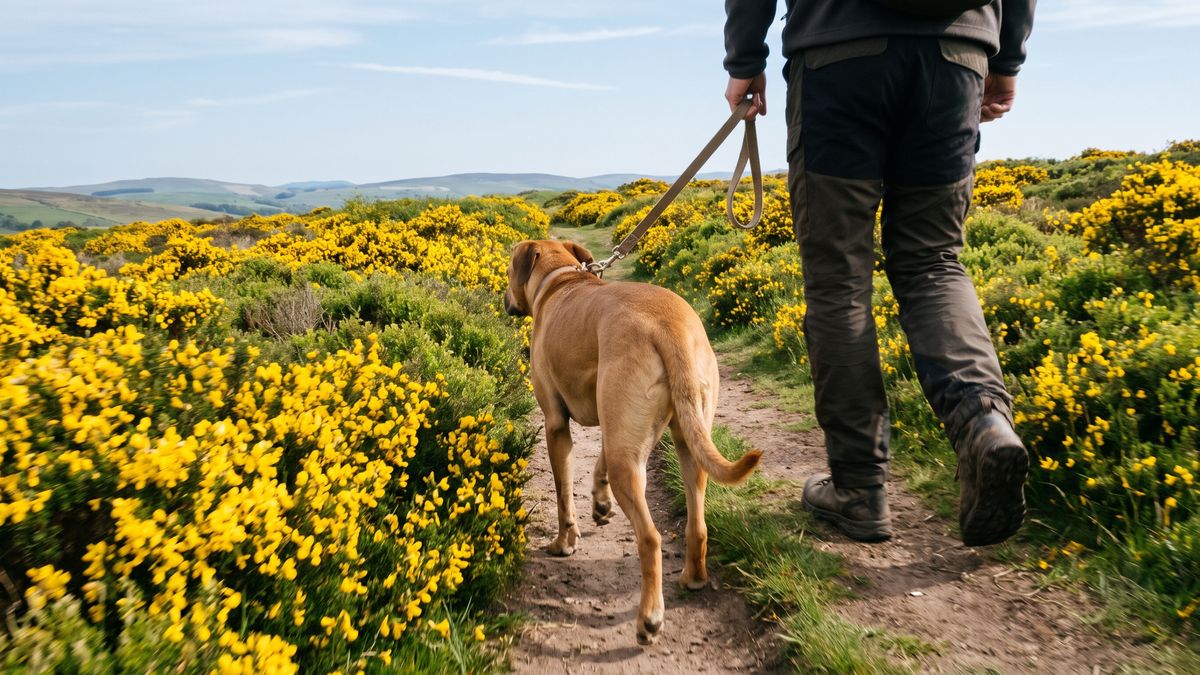


The checklist before you set off
Tick it off the night before, then run through it again as you close your rucksack. It follows the steps of this guide; adapt it to the season, the height and the length of your trip.
- Spot chosen, right to camp checked (Scottish Access Code, landowner, national park rules)
- Short walk in, and a fallback close by
- Mountain forecast read the night before and that morning, no thunderstorms forecast
- Route, camping spot and return time left with someone
- Tent or tarp pitched once already, pegs and guy lines counted
- Insulating sleeping mat, and a sleeping bag chosen by its comfort rating
- Warm layer, hat and dry socks kept for the night
- Stove, fuel and spare, lighter, pot, and evening and morning meals
- Water for the evening and morning, and a way to treat stream water
- Charged head torch, charged phone and power bank; 999 or 112
- First aid kit, survival bag, whistle and tick-removal tool
- Rubbish bag, toilet paper, sealable bags and a trowel
Kit related to this article
No affiliation: no commission, no sponsored products.
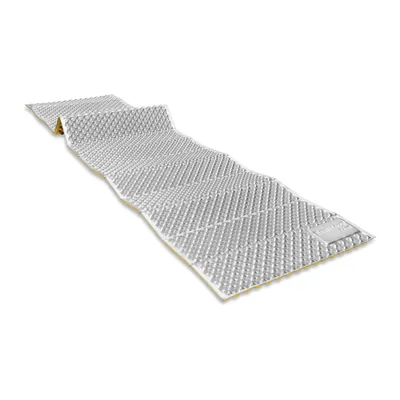
Therm-a-Rest Z Lite Sol
A concertina-fold foam mat rated R 2.0, 410 g in Regular: the bottom layer of the winter pairing, which also shields an inflatable mat from stones.
View on Amazon (opens in a new tab)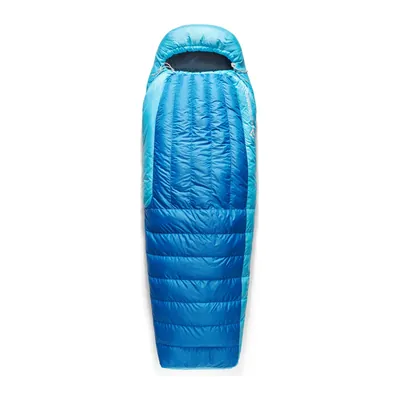
Sea to Summit Trek -1 °C
A down bag named after its limit temperature, -1 °C; its comfort temperature, the one to choose by, is 3 °C under ISO 23537. About 1.1 kg in Regular.
View on Amazon (opens in a new tab)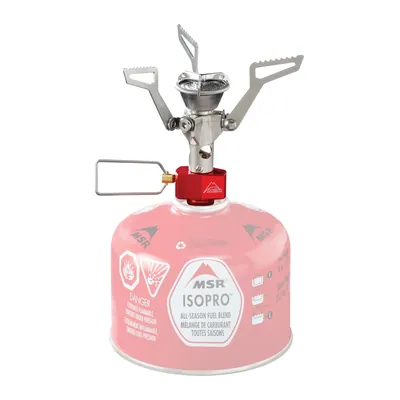
MSR PocketRocket 2
A 73 g gas canister stove that boils a litre of water in 3.5 minutes: where stoves are allowed, it saves lighting a fire, which is often banned.
View on Amazon (opens in a new tab)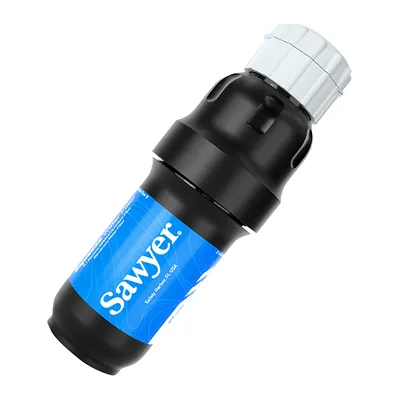
Sawyer Squeeze
A hollow-fibre filter rated at 0.1 micron absolute that removes bacteria and protozoa, but not viruses: follow it with a disinfectant, as the CDC advises. Keep it from freezing.
View on Amazon (opens in a new tab)
Worth watching
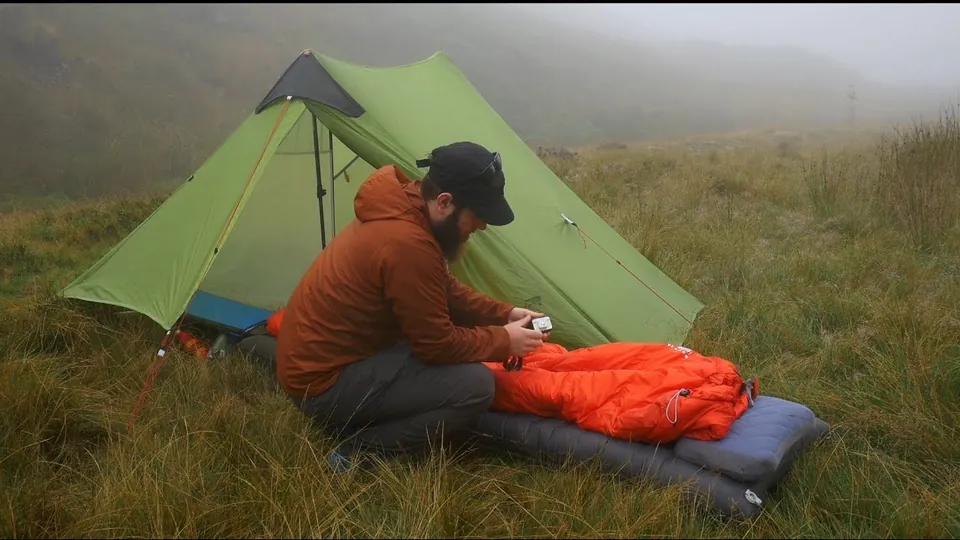
A real wild camp in the fells, from the kit to the sleeping set-up and packing away, made to show newcomers how to camp responsibly and leave no mess behind.
The video is hosted by YouTube (Google): nothing loads until you play it, and Google may then set cookies.
FAQs
How do I plan my first wild camp?
Pick a summer night with a settled forecast, a short walk in and a spot where camping is allowed or tolerated, with a fallback close by. Pitch the tent once before you go, and take an insulating mat, a sleeping bag chosen by its comfort rating, water and a way to treat it, a stove and a head torch. Finally, leave your camping spot and return time with someone.
Is wild camping legal in the UK and Ireland?
It depends where. Scotland’s access rights include lightweight camping, in small numbers, for two or three nights at most in one place. In England and Wales, you need the landowner’s permission, except on Dartmoor’s mapped commons; the Lake District tolerates one night above the highest fell wall. In Ireland, Sport Ireland’s advice is to use designated sites or ask the landowner, and Wicklow Mountains National Park has its own code.
Is a bivvy the same as wild camping?
Not quite. In everyday British usage, wild camping means a night in a tent away from a campsite, while a bivvy usually means sleeping without a tent, in a bivvy bag or under a tarp. Either way, the first question is the same: are you allowed to sleep there? In France, ‘bivouac’ has an official meaning only where a regulation gives one, as in national parks: one night, pitched in the evening, taken down in the morning.
What kit do I need for a first wild camp?
A shelter you’ve already pitched, tent or tarp; an insulating mat and a sleeping bag chosen by its comfort rating; a warm layer and a hat; a stove, spare fuel, a pot and your evening and morning meals; water and a way to treat it; a head torch, a first aid kit and a rubbish bag. The full checklist is at the bottom of this guide, ready to tick off.
Can I cook in my tent or in the porch?
Not in the tent. The NHS says never to use a camping stove inside a tent, because carbon monoxide is colourless and has no smell, and the instructions for the Campingaz Bivouac stove rule out tents and any small enclosed area. Some UK organisations accept the porch, with care, in bad weather; we stick to the stricter line of the NHS and the manufacturer. Cook outside, and turn the stove off before bed.
Is it safe to wild camp alone?
It can be, with precautions. Mountain Rescue England and Wales asks anyone going out alone to be aware of the extra risk, to let people know their route and when they expect to finish, to stick to it, and to say so if plans change. For a first night, going with someone, on ground you know, is better. Alone or not, always leave your camping spot and return time with someone.
Sources
- NatureScot, Scottish Outdoor Access Code, ‘Camping’, practical guide for all, accessed 29 October 2026. outdooraccess-scotland.scot https://www.outdooraccess-scotland.scot/practical-guide-all/camping ↩
- Écrins National Park and the Refuges Sentinelles network, ‘Connaître pour mieux gérer le bivouac dans le parc national des Écrins’ (in French), study report, summer 2025, accessed 29 October 2026. ecrins-parcnational.fr https://www.ecrins-parcnational.fr/sites/ecrins-parcnational.com/files/article/27592/bivouacrapportrefugesentinellepnecompressed.pdf ↩
- Natural England and Natural Resources Wales, ‘The Countryside Code: advice for countryside visitors’, GOV.UK, updated 26 May 2023, accessed 29 October 2026. gov.uk https://www.gov.uk/government/publications/the-countryside-code/the-countryside-code-advice-for-countryside-visitors ↩
- Mountaineering Scotland, ‘Wild camping in Scotland’, accessed 29 October 2026. mountaineering.scot https://www.mountaineering.scot/activities/camping ↩
- British Mountaineering Council, ‘How to wild camp’, accessed 29 October 2026. thebmc.co.uk https://www.thebmc.co.uk/en/how-to-wild-camp ↩
- GOV.UK, ‘Rights of way and accessing land: use your right to roam’, accessed 29 October 2026. gov.uk https://www.gov.uk/right-of-way-open-access-land/use-your-right-to-roam ↩
- British Mountaineering Council, ‘Supreme Court rules that Wild Camping on Dartmoor is legal’, 21 May 2025, accessed 29 October 2026. thebmc.co.uk https://thebmc.co.uk/en/supreme-court-rules-that-wild-camping-on-dartmoor-is-legal ↩
- Lake District National Park Authority, ‘Wild camping’, updated 8 September 2026, accessed 29 October 2026. lakedistrict.gov.uk https://lakedistrict.gov.uk/explore/where-to-stay/wild-camping/ ↩
- Mountaineering Ireland, ‘Happy Hiking: stay safe when walking in the Irish hills and countryside’, safety card, December 2020, accessed 29 October 2026. mountaineering.ie https://www.mountaineering.ie/_files/20201211155126_6ccd7084.pdf ↩
- Sport Ireland, ‘Discover Trail Walking: an introduction to trail walking’, guide published online in October 2019, accessed 29 October 2026. sportireland.ie https://www.sportireland.ie/sites/default/files/2019-10/discover_trail_walking.pdf ↩
- National Parks and Wildlife Service, ‘Things To Do, Wicklow Mountains National Park’, Wild Camping Code, updated 12 December 2025, accessed 29 October 2026. nationalparks.ie https://www.nationalparks.ie/wicklow/things-to-do/ ↩
- Écrins National Park, order no. 148/2026 of 16 June 2026 regulating bivouacking in the core of the park (in French), consolidated version, accessed 29 October 2026. ecrins-parcnational.fr https://www.ecrins-parcnational.fr/sites/ecrins-parcnational.com/files/fiche_doc/27327/2606148arretebivouacvf-rectificatif.pdf ↩
- Vanoise National Park, ‘L’art du bivouac responsable en Vanoise’ (in French), accessed 29 October 2026. vanoise-parcnational.fr https://vanoise-parcnational.fr/fr/des-decouvertes/sejourner-dans-le-parc/lart-du-bivouac-responsable-en-vanoise ↩
- Parcs nationaux de France, ‘Le bivouac’ (in French), updated 17 February 2025, accessed 29 October 2026. parcsnationaux.fr https://www.parcsnationaux.fr/fr/des-decouvertes/visiter-et-semerveiller/la-reglementation-et-les-conseils/le-bivouac ↩
- Tatonka, ‘Basic knowledge: erecting a tarp and different ways’, blog, updated 15 May 2023, accessed 29 October 2026. blog.tatonka.com https://blog.tatonka.com/en/basic-knowledge-erecting-a-tarp/ ↩
- Mountaineering Scotland, ‘Winter camping’, accessed 29 October 2026. mountaineering.scot https://www.mountaineering.scot/safety-and-skills/thinkwinter/winter-camping ↩
- Exped, ‘FAQs’, answer to ‘What is R-Value’, accessed 29 October 2026. exped.com https://www.exped.com/en/faqs ↩
- Rab, ‘Sleeping bag temperature ratings explained’, Rab Lab, accessed 29 October 2026. rab.equipment https://rab.equipment/uk/rab-lab/sleeping-bag-temperature-ratings-explained ↩
- MeteoSwiss, ‘Diminution de la température avec l’altitude’ (in French), accessed 29 October 2026. meteosuisse.admin.ch https://www.meteosuisse.admin.ch/meteo/meteo-et-climat-de-a-a-z/temperatures/diminution-de-la-temperature-avec-laltitude.html ↩
- Mountaineering Scotland, ‘From dusk to dawn’, advice for walking in the hills at night, accessed 29 October 2026. mountaineering.scot https://www.mountaineering.scot/activities/hillwalking/dusktodawn ↩
- French Hiking Federation (FFRandonnée), ‘Passer une nuit en pleine nature’ (in French), walkers’ charter, 9 July 2025, accessed 29 October 2026. ffrandonnee.fr https://www.ffrandonnee.fr/randonner/la-charte-du-randonneur/passer-une-nuit-en-pleine-nature ↩
- World Health Organization, ‘Boil water’, technical brief, 14 January 2015, accessed 29 October 2026. who.int https://www.who.int/publications/i/item/WHO-FWC-WSH-15.02 ↩
- NHS, ‘Carbon monoxide poisoning’, page last reviewed 16 December 2025, accessed 29 October 2026. nhs.uk https://www.nhs.uk/conditions/carbon-monoxide-poisoning/ ↩
- Campingaz, instructions for the ‘Bivouac’ stove (safety instructions), manufacturer’s leaflet, accessed 29 October 2026. campingaz.com https://www.campingaz.com/trade/images/SpareParts/01ad513b-3784-4fc5-9430-1d51b5db5b6b/4010057703.pdf ↩
- British Mountaineering Council, ‘Camping stove safety: how to avoid carbon monoxide and fire risks’, accessed 29 October 2026. thebmc.co.uk https://www.thebmc.co.uk/en/camping-stove-safety-how-to-avoid-carbon-monoxide-and-fire-risks ↩
- Met Office, ‘Mountain forecast guide’, accessed 29 October 2026. weather.metoffice.gov.uk https://weather.metoffice.gov.uk/guides/mountain/forecast ↩
- Mountain Rescue England and Wales, ‘Fact file 6: stay safe information’, October 2025, accessed 29 October 2026. mountain.rescue.org.uk https://www.mountain.rescue.org.uk/wp-content/uploads/2025/10/Factfile6StaySafe.pdf ↩
- Mountain Rescue England and Wales, ‘In case of emergency’, accessed 29 October 2026. mountain.rescue.org.uk https://www.mountain.rescue.org.uk/how-to-call-out-mr/ ↩
- Department of Culture, Communications and Sport (Ireland), ‘Emergency Call Answering Service Annual Review 2025’, accessed 29 October 2026. assets.gov.ie https://assets.gov.ie/static/documents/a78282a9/ECAS_Annual_Review_2025.pdf ↩
- British Mountaineering Council, ‘Respect the Wild’, accessed 29 October 2026. thebmc.co.uk https://thebmc.co.uk/en/respect-the-wild ↩
- Swiss Alpine Club (SAC), ‘Camper et bivouaquer’ (in French), accessed 29 October 2026. sac-cas.ch https://www.sac-cas.ch/fr/environnement/sports-de-montagne-et-environnement/camper-et-bivouaquer/ ↩
- US National Park Service, ‘Leave No Trace Seven Principles’, updated 16 June 2022 (principles © 1999 Leave No Trace Center for Outdoor Ethics), accessed 29 October 2026. nps.gov https://www.nps.gov/articles/leave-no-trace-seven-principles.htm ↩
- Sport Ireland, ‘Leave No Trace Ireland’, accessed 29 October 2026. sportireland.ie https://www.sportireland.ie/outdoors/leave-no-trace-ireland ↩
- Pyrenees National Park, ‘Randonner et s’héberger dans le Parc national des Pyrénées’ (in French), guide printed in December 2016, accessed 29 October 2026. pyrenees-parcnational.fr https://www.pyrenees-parcnational.fr/sites/pyrenees-parcnational.fr/files/documents/downloads/randonner_s_heberger_francais.pdf ↩
- Met Office, ‘Stay safe in thunder and lightning’, accessed 29 October 2026. weather.metoffice.gov.uk https://weather.metoffice.gov.uk/warnings-and-advice/seasonal-advice/health-wellbeing/stay-safe-in-thunder-and-lightning ↩
- National Parks and Wildlife Service, ‘Glenveagh National Park: Leave No Trace’, leaflet published online in April 2022, accessed 29 October 2026. nationalparks.ie https://www.nationalparks.ie/app/uploads/2022/04/NP_Glenveagh_Leave-No-Trace_Overflow.pdf ↩
- NHS, ‘Lyme disease’, page last reviewed 3 June 2025, accessed 29 October 2026. nhs.uk https://www.nhs.uk/conditions/lyme-disease/ ↩
Camping, wild camping, bushcraft and hiking
Guillaume Hoarau writes for Outfarer about camping, wild camping, bushcraft and hiking. A survival-skills enthusiast and a collector of old field manuals, he likes clear explanations, lists that earn their place and other people’s stories, which he tells well.