 Français (France)
 English (UK)
 English (US)
 Deutsch (Deutschland)

Contents
At 2.5 mph, a strolling pace, an hour of easy cross-country skiing takes more than twice the energy of an hour’s walk at the same speed: 6.8 A unit that compares the energy an activity uses with the energy used at rest; 1 MET is roughly what you burn sitting still. versus 3.0, according to the Compendium of Physical Activities [1, 2]. So much for its reputation as a gentle sport. Good news: you don’t need a chairlift or any skiing background to get started, and a first day comes together in a few steps. This guide takes them in order, from picking a technique to the big races, and each step leads to our detailed guides.
In the US, the natural place to start is a Nordic center, with groomed trails, a rental shop, and instructors. The Cross Country Ski Areas Association (CCSAA) promotes more than 350 of them across North America, and the Outdoor Industry Association figures it quotes counted 4.9 million cross-country skiers in 2022 [3]. To join them, you need a technique, a groomed trail with snow on it, rental gear in the right size, clothes that breathe, and ideally an instructor.
| When | What to do |
|---|---|
| A few days before | Pick a Nordic center and its green-circle trails; read its trail report, and the date on it; book a group or private lesson |
| The night before | Lay out thin layers, thin gloves and a warm spare pair, a light hat or headband, sunglasses, and sunscreen; a hot drink and snacks; check the road and the chain laws for the drive |
| At the Nordic center | Buy your trail pass; rent a classic package, with fishscale or skin skis, giving your weight and height; make sure boots and bindings match |
| On the trail | Start on the teaching area or a green circle; shed a layer as soon as you warm up; drink and snack often; head back before you’re tired |
1Classic or skate: start with classic
Two ways of gliding share a cross-country trail. Nordic France, the federation of French Nordic ski areas, describes them like this. In classic, your skis stay parallel and glide in the tracks. In skate skiing, you push off with your skis apart on the smooth lane laid down by the grooming machine. Classic, close to walking, is the more accessible for beginners; skate skiing takes good balance and more power, especially on climbs [4].
Manufacturers agree. Atomic recommends starting with classic, preferably in a lesson, and suggests going straight to skating only if you’re athletic and already ski, inline skate, or ice skate [5]. The CCSAA adds a nuance with a wink: classic isn’t considered the easier way in because it’s technically easier, but because beginners can “just walk on their skis” and have a good time [6]. It also reminds you that not all Nordic areas have skate trails [6], which settles the question at some centers.
On the trail, everyone has a lane: two parallel tracks for classic, a wide, smooth strip for skating. The code of conduct for cross-country skiers from the FIS, the international ski federation, asks skaters to stay in the skating lane and never cross into the classic tracks [7]. Once classic clicks, skating will be waiting for your second or third time out.

2Choosing a Nordic center and a trail pass
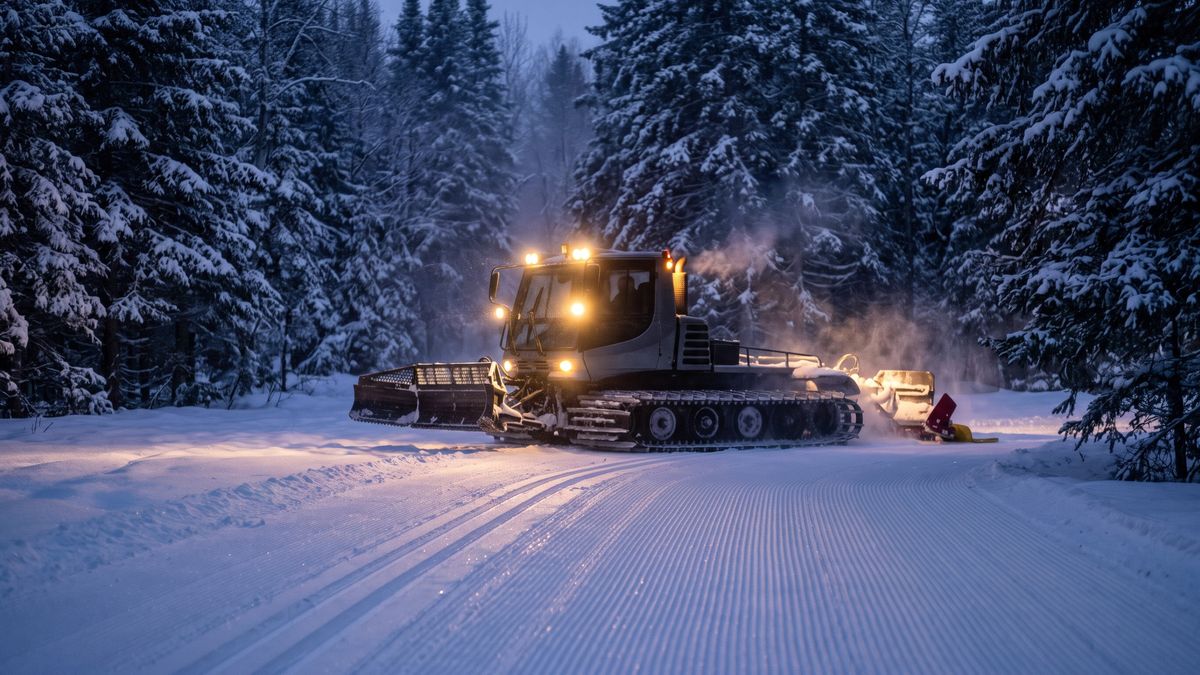
Head for a groomed Nordic center rather than the local park: that’s the CCSAA’s advice to novices. A grooming machine carves a double track into the snow, each track 70 mm (2.76 in) wide, which keeps your skis straight and guides you around turns. On a golf course or a frozen lake, with no set track, you need a lot more balance [8]. Vail Nordic Center, in Colorado, run by the Vail Recreation District, grooms 17 km (about 11 miles) of skate and classic track every day [9]. For a first time, though, the best center is often the closest one, as long as it has snow.
Then check the snow, and the date. Here’s the detail that changes everything: on November 18, 2026, Rocky Mountain’s winter page still said most of its usual ski terrain no longer had good snow, under a “last updated” date of March 20 [10]. That same day, every trail on Vail Nordic Center’s conditions report read “closed,” with an opening date that depends on early snow [9]. A trail report is only as good as its date. And snow isn’t a given: more than 30% of trail areas reported snowmaking in 2022, according to the CCSAA [3].
On site, trails carry the same symbols as at a downhill resort: green circle for easier, blue square for more difficult, black diamond for most difficult. The catch, according to the CCSAA’s own explainer, borrowed from downhill skiing (it talks about lift tickets): ratings are only consistent within each area. A green circle at one resort might be as tough as a blue square at another, and since ratings assume good snow, ice can make a trail much more treacherous [12]. Skiing in Europe someday? There, trails are rated by color, and in Germany’s Thuringia, as on trails that carry the Tyrol quality label in Austria, blue marks the easiest, then red and black [13, 14].
Groomed trails come with a trail pass, the lift ticket of cross-country skiing. At Vail Nordic Center, the 2026-2027 day pass costs $31, $25 for ages 13 to 17, and $20 for ages 6 to 12, and kids 5 and under ski free [9]. At Woodstock Nordic Center, in Vermont, an adult day pass is $45, or $35 after 12:30 p.m. [15]. On state land, it can be a permit: Minnesota requires a Great Minnesota Ski Pass from age 16 on the groomed trails of its state parks and state forests [16]. And once you buy your own skis, the CCSAA’s Welcome Pass gives the buyer of a new cross-country ski package three free visits to participating areas [17].
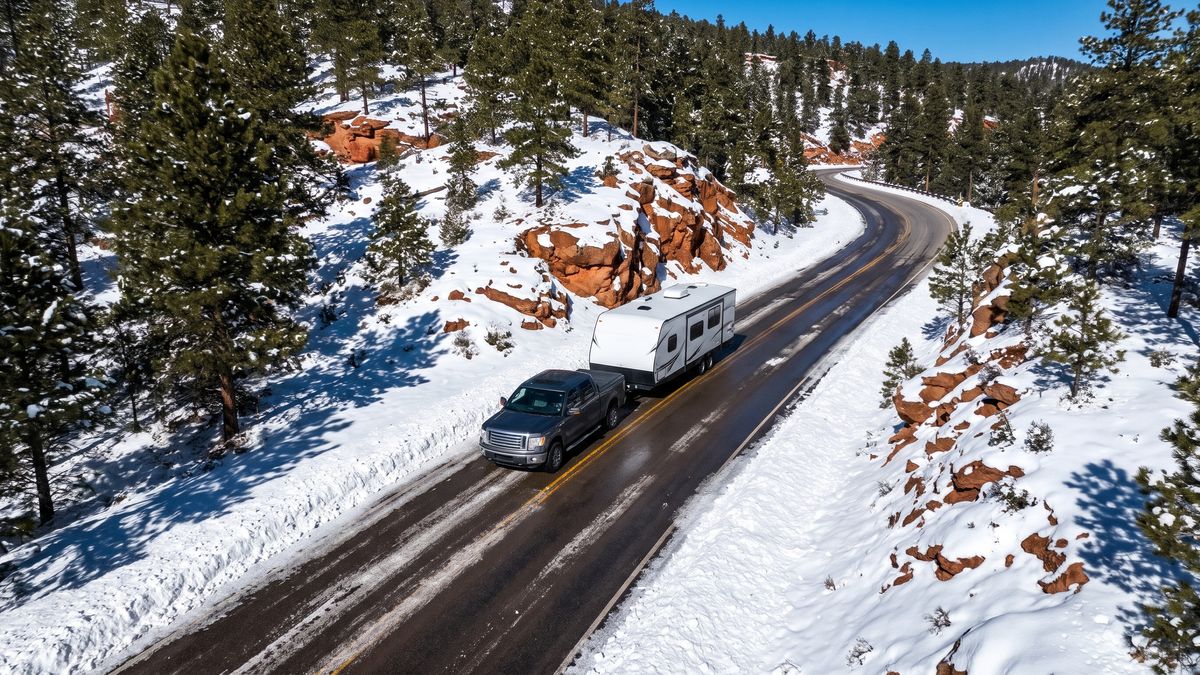
Heading to France? There, a national Nordic pass covers the member areas, at €255 for an adult in 2026-2027 [18], and our guide to Nordic trail fees in France explains how it works. Closer to home, the trickiest part of the day is often the drive: check the chain and traction laws on your route, and the mountain forecast before you leave.


3Renting your gear, in the right size
To start, rent. It’s the CCSAA’s first piece of advice: visit a cross-country center with groomed trails, rent some gear, and try it out [19]. A rental package includes skis, boots, and poles, for classic or for skating [15]. Here’s what two Nordic centers charge for 2026-2027 [9, 15]; prices vary from one center to the next, so check yours.
| Rental package (skis, boots, poles) | Vail Nordic Center | Woodstock Nordic Center |
|---|---|---|
| Classic, adult | $40 | $40 |
| Skate, adult | $45 | $50 |
| Junior (Vail: 12 and under; Woodstock: ages 5 to 17) | $20 | $35 |
| Sled to pull small children | $30 | $40 |
Sources: Vail Recreation District and Woodstock Inn & Resort, 2026-2027 rates as posted. At Vail, rates are for use on site; at Woodstock, the $50 package also covers skin classic and backcountry skis. Two examples, not an average: each center sets its own prices.
At the counter, give your weight as well as your height. In cross-country skiing, weight is what picks the length and stiffness of the ski, Salomon points out [20]: at Atomic, the same 195 cm classic ski comes in four flexes, for skiers from 99 to 198 lb (45 to 90 kg) [21]. Between two lengths, take the shorter one to start: it’s more manageable, for easy, safe skiing [20]. Skate skis, for their part, run 10 to 15 cm (4 to 6 in) shorter than classic skis for the same skier [20].
For poles, the most quoted rule is Salomon’s: your height times 0.83 for classic, about shoulder height, and times 0.89 for skating, up to your nose or ears [22]. For someone 5 ft 9 in (1.75 m) tall, that’s about 145 cm (57 in) and 156 cm (61 in). Swix, the pole maker, subtracts 32.5 to 35 cm from your height for classic and 22.5 to 25 cm for skating, which gives 140 to 142.5 cm and 150 to 152.5 cm for the same skier [23]. Poles are sold in centimeters, and for a first outing, either rule will do.
One trap waits for anyone buying used: the binding. The so-called two-rail systems, NNN, Prolink, and Turnamic, are largely compatible: a Turnamic binding takes all NNN and Prolink boot soles, according to Rossignol [24], and Atomic’s Prolink boots fit all three bindings [25]. But a Turnamic binding only mounts on the plate of the same name [24], and Rottefella’s new skating system, SkateX, is designed for Madshus or Alpina boots with a SkateX sole and cleat [26]. In 2011, the Canadian coaches’ manual still knew only two systems, SNS and NNN [27]: on older gear, ask which one it is. Before you buy, check three things: the boot’s system, the binding’s, and the ski’s plate. A few versatile boots also work for both classic and skating [25].

4Dressing for a sport that warms you up fast
The trap is your downhill outfit. Dressing too warmly is a big mistake when exercising in cold weather, the Mayo Clinic warns: exercise generates enough heat to make it feel much warmer than it really is. It adds that stop-and-go activities make you more vulnerable to the cold if you repeatedly work up a sweat and then get chilly [28]. Cross-country skiing is the textbook case, and the CCSAA’s verdict on bulky parkas is blunt: they restrict movement and generate excessive body heat [29].
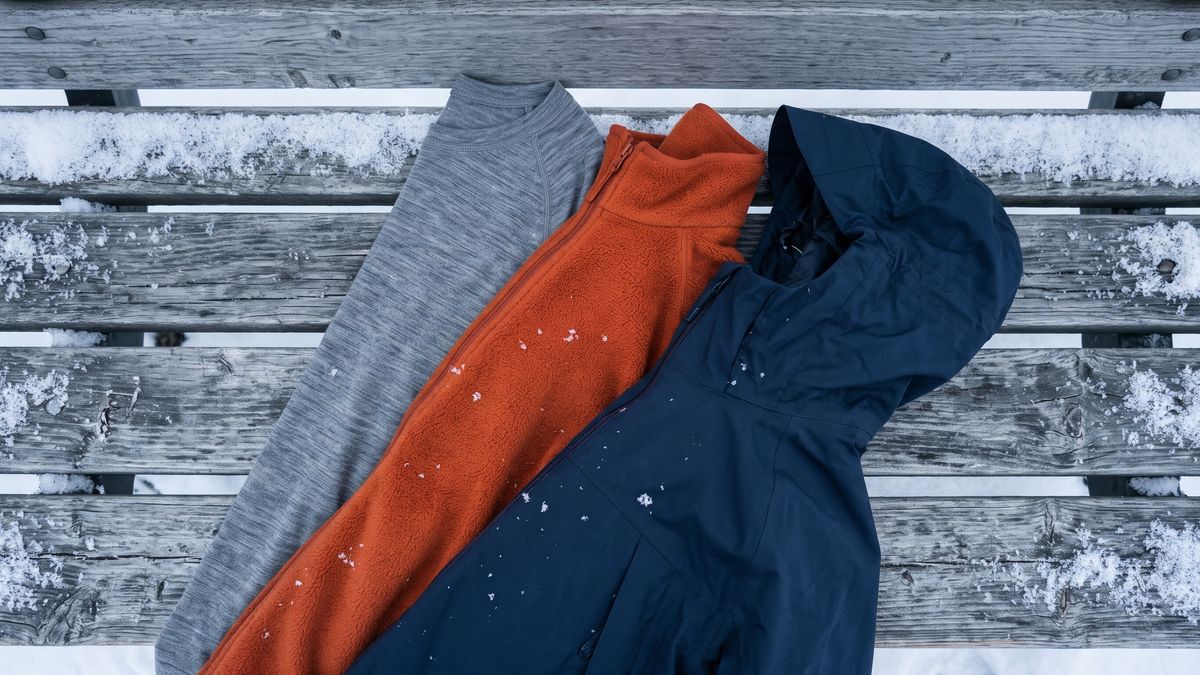
The fix is thin layers: a thin synthetic layer that pulls sweat away from your skin, then fleece or wool for insulation, topped with a waterproof, breathable outer layer, and no cotton, which stays wet against your skin [28]. In most conditions, the CCSAA says, one or two insulating layers are enough, and piling on socks only restricts circulation and makes your feet colder [29]. Take a layer off as soon as you start to sweat, put it back on at the break [28], and keep a warm jacket in your pack for stops. For your hands, the advice splits: mittens are best if your hands run cold, gloves give better pole control, and too heavy a pair will be soaked with sweat in the first kilometer [29]. The Mayo Clinic’s answer is thin liners under a warmer outer pair, which you take off when your hands get sweaty [28]. Our pick: thin gloves on your hands, a warm pair in your pack.
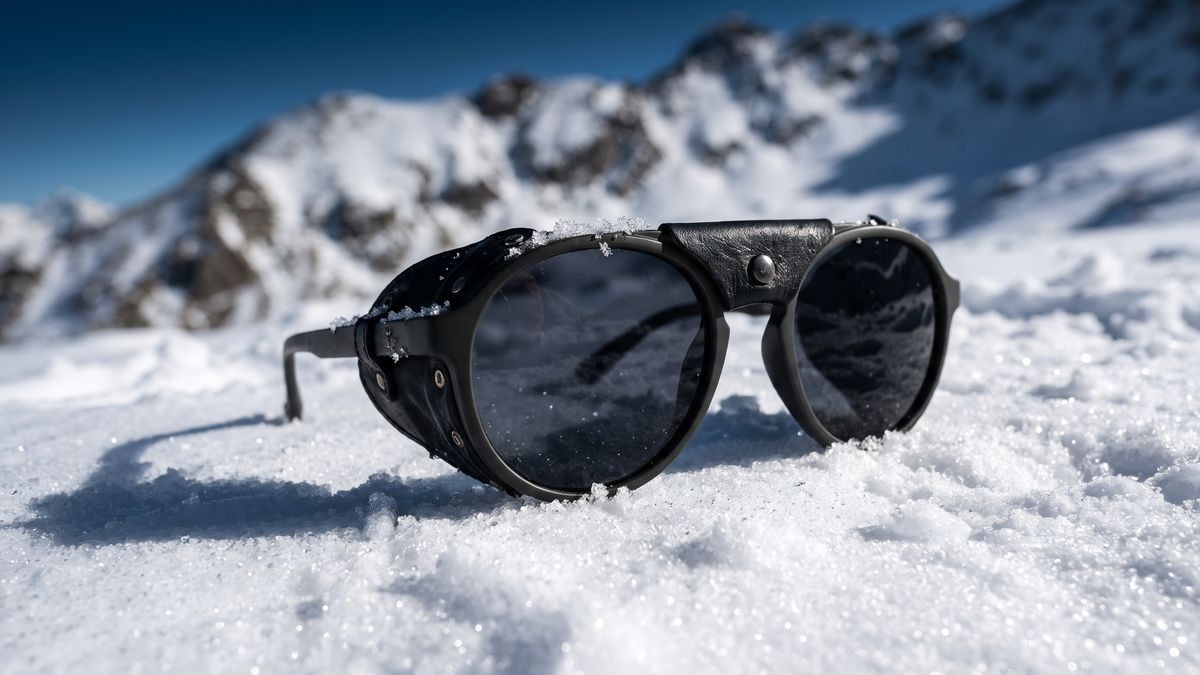
That leaves your head and eyes. A hat, or a headband for your ears, sunscreen that blocks UVA and UVB rays, lip balm with sunscreen, and dark glasses or goggles against snow glare: that’s the Mayo Clinic’s list [28]. Frostbite most often strikes the nose, ears, toes, cheeks, chin, and fingers, so keep them covered in warm, dry clothing, the CDC advises [30]. Wind counts too: at wind chill levels below -18 °F (-28 °C), frostbite can set in on exposed skin in 30 minutes or less, and below 0 °F (-18 °C), the Mayo Clinic suggests taking a break or exercising indoors [28]. And snow reflects 80% of UV light: the UIAA, the international mountaineering federation, recommends category 3 or 4 sunglasses with side protection, or goggles [31], though category 4 lenses aren’t suitable for driving [32].


5Fishscales, skins, or wax: skis that grip
A classic ski has to glide, but also grip when you push off, or it slips back. Three systems exist. Fishscales, under the foot, grip best at the cost of a little glide: Salomon calls them perfect for learning and easy outings. Skins strike a compromise between grip and glide, far more forgiving than a waxable ski. Waxable skis glide best, but their grip depends on the kick wax you pick for the snow [33]. On a skate ski, none of this applies: it has no grip zone [34].
For a first time out, fishscales or skins spare you kick wax, which Salomon says is hard to master, skins being far simpler [35]. Atomic even says skin skis have become the most common, because they’re simple to use and look after [5]. Ask the rental shop which ones it has: at Woodstock, skin classic skis come in the $50 performance package [15].
If you buy your own skis one day, there’s still a little upkeep, even without kick wax: glide wax on the tips and tails improves glide [34]. Our waxing guide covers the how-to, and why fluorinated waxes have vanished from racing.

6Taking a first lesson
The CCSAA’s list of reasons to take a lesson opens with this one: friends don’t let friends teach friends [36]. Joking aside, it says just a couple of hours with a professional instructor will give you the skills for a lifetime of fun [37], and Switzerland’s Council for Accident Prevention (BFU) also tells beginners to take a course [38]. In the US, the benchmark is PSIA-AASI certification, which most US ski areas rely on to judge an instructor’s proficiency; in cross-country, it has three levels, and a Level I instructor is qualified to teach beginners, mostly on beginner terrain [39].
Group lessons are often a good way to begin, especially with a friend or family, the CCSAA says [36]. At Vail Nordic Center, where the instructors are PSIA-certified, the 2026-2027 beginner group lesson lasts 75 minutes, focuses on classic, and costs $84 for adults and $74 for ages 13 to 17, daily at 10:30 a.m. or 1:30 p.m., from early December as snow allows; trail pass and rentals aren’t included. A 60-minute private lesson costs $139 from age 13 [9]. At Woodstock, an hour-long adult lesson package costs $135 with an all-day pass and rental gear included, or $85 for the lesson alone [15].
Expect to work on balance first. The CCSAA suggests practicing the stride while holding your poles midshaft, using them only to keep from falling, and climbing steep stretches in a herringbone, skis in a V [19]. Falls come with the territory, but on the flats they’re gentle and easy to get up from [40]. The snowplow, which slows you down, is part of the basics too, and it matters: many cross-country ski accidents happen on descents, the BFU notes [38].
7Your first time out: a green circle, breaks, and something to drink
For your first time out, think small. The CCSAA suggests an established center with good grooming and a decent amount of flat-ish terrain [40], and the BFU advises picking a trail that matches your fitness and skills, with turnaround options and time to spare [38]. Start on the teaching area, then a green circle. No need to buy the whole day, either: at Woodstock, the adult day pass drops to $35 after 12:30 p.m. [15].
Don’t be fooled by the slow pace: the effort is real. The Compendium of Physical Activities, the reference researchers use, puts slow cross-country skiing at 6.8 METs, a moderate pace at 8.5, and skating at 13.3, against 3.0 for walking at 2.5 mph [1, 2]. For someone who weighs 154 lb, that works out to the ballpark figures below.
| Activity | METs | For 154 lb, in one hour |
|---|---|---|
| Walking at 2.5 mph, on a firm, level surface | 3.0 | about 210 kcal |
| Slow cross-country skiing, around 2.5 mph | 6.8 | about 480 kcal |
| Cross-country skiing at a moderate pace, 4.0 to 4.9 mph | 8.5 | about 590 kcal |
| Skate skiing | 13.3 | about 930 kcal |
Source: 2024 Adult Compendium of Physical Activities. Our calculation: METs × 69.9 kg (154 lb) × 1 hour, resting energy included, rounded to the nearest 10. A ballpark, not a goal.
Hence the snacks and drinks. Hydration is just as important in the cold as in the heat, the Mayo Clinic says. Drink before, during, and after, even if you’re not thirsty: sweating, breathing, and the drying winter wind dehydrate you in ways that are harder to notice [28]. The CCSAA adds a light snack in your pocket for the last hill [40]. An insulated bottle in your pack, granola bars you can eat with gloves on, and regular short breaks beat one long stop at the end.

8Trail rules, descents, and the cold
You’re never alone on a trail. In 2023, the FIS published a code of conduct just for cross-country skiers, in ten rules [41, 7]. Here’s the gist.
| Rule | What it asks |
|---|---|
| Respect for others | Ski in a way that doesn’t endanger or harm others |
| Respect for signs | Follow the trail signs at all times |
| Choice of tracks | Stay in the right-hand track unless overtaking; skaters stay in the skating lane and never cross into the classic tracks |
| Overtaking | The skier ahead doesn’t have to give way, but the slower skier lets faster ones by when possible, moving to the right |
| Encounter | Keep right when you meet; climbing skiers give way to descending skiers |
| Poles | Keep them close to your body near other skiers |
| Control of speed | Always ski at a speed at which you can stop safely, especially downhill, and keep a safe distance |
| Keep the trail clear | Leave the track when you stop, and as quickly as possible after a fall |
| Accidents | Everyone should provide assistance |
| Identification | Witnesses stay at the scene and give their identification |
Source: FIS, Code of Conduct for Cross-Country Skiers, 2023, summarized by us. Some organizations still publish an older, slightly different version, like Switzerland’s BFU.
The CCSAA’s skier responsibility code adds a few American habits: always check posted trail conditions and obey the signs, stay in control, announce yourself before passing from behind, and don’t stop where you block the trail or can’t be seen [12]. Then come the local rules: at Pictured Rocks, follow the direction of travel, since only some trails are two-way, watch and listen for grooming machines, and look out for snowmobiles where ski loops cross a snowmobile trail [11].
Those rules have their reasons. Cross-country skiing is a fairly safe sport. Still, in Switzerland, where the BFU keeps count, more than 8,000 people are hurt doing it every year. Many accidents happen on descents, where the BFU lists poor skiing or braking technique and balance problems among the possible causes, and the trunk and shoulders take most of the injuries [38]. On the way down, keep a speed at which you can stop [7]. Off marked, groomed trails, untracked snow and terrain call for a different kind of preparation: go out with a professional.
If someone gets hurt, the CCSAA’s code says to place a pair of skis crossed in an X close to the injured skier, without moving them, and to keep them warm. Then note the trail markers or landmarks that pinpoint where you are, and call for help [12]. In an emergency, call 911 [42]. Before you go, tell someone your route and when you expect to be back, as the Mayo Clinic advises [28], carry a charged phone, and leave yourself a margin before dark. Skiing in Europe? There, 112 is free everywhere in the EU [43].

9Going further: skating, backcountry skiing, and the big races
Skating first, once your balance has caught up with you. Then the untracked snow: without a set track, you need a lot more balance, and wider skis help [8]. Backcountry skis are wider and sturdier than classic or skate skis, and often have metal edges for variable terrain [34]. Off groomed trails, that’s terrain to learn with a professional: go out with one.
And if the urge for a race bib takes hold, the big races often come with a shorter version. The American Birkebeiner bills itself as North America’s largest cross-country ski marathon. It runs on Saturday, February 27, 2027, from Cable to Hayward, Wisconsin: 50 km (31 miles) for skaters, 53 km (33 miles) for classic skiers, from age 18, and all its events are fluoro free [44]. The shorter ones come the day before, on February 26: the Kortelopet, 29 km (18 miles), and the Prince Haakon, 15 km (9 miles), in classic or skate, from age 13 [45].
Farther afield, Sweden’s Vasaloppet covers 90 km (56 miles) from Sälen to Mora, in classic only, on March 7, 2027 [46], and Switzerland’s Engadin Skimarathon 42 km (26 miles), from Maloja to S-chanf, on March 14, 2027 [47]. In France, the Transjurassienne switches in 2027 to a 50 km (31-mile) course between Lamoura and Les Rousses, in the Jura Mountains, on February 14 [48].
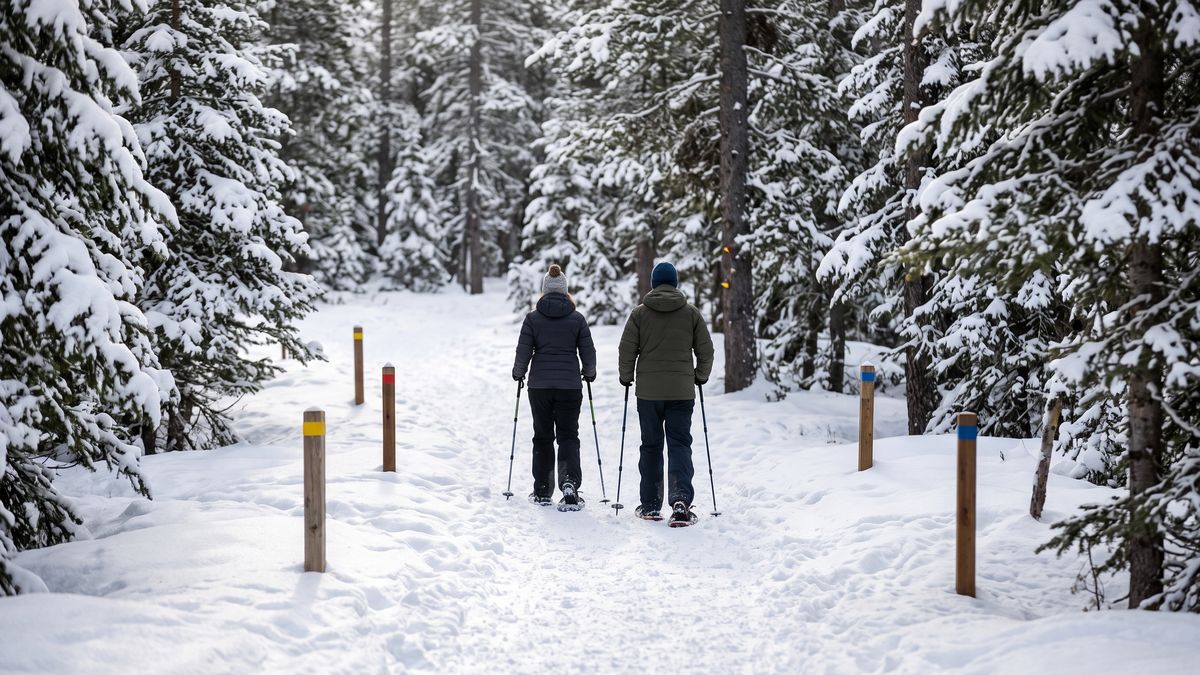
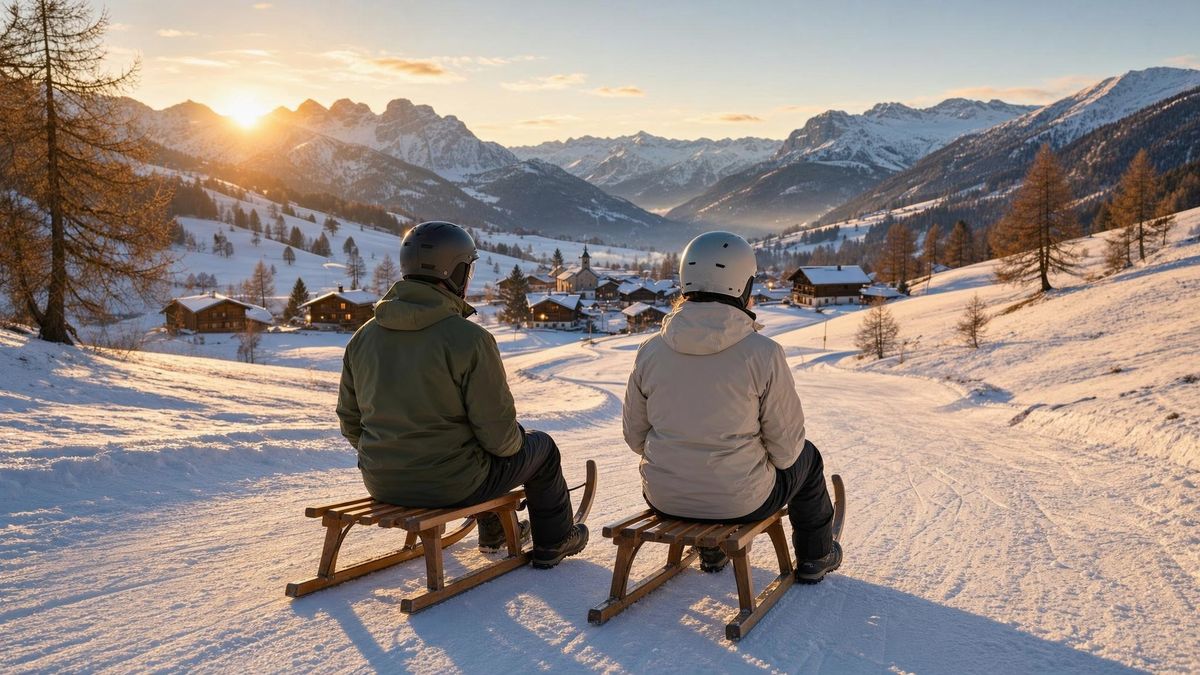
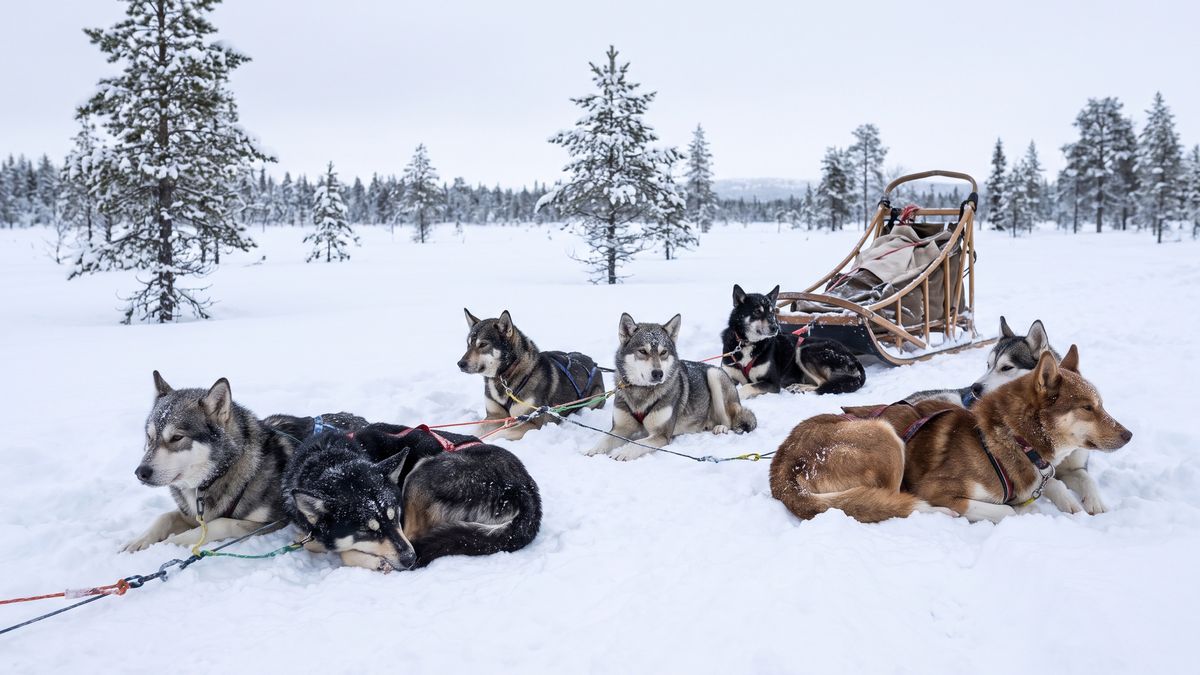
And if gliding has won you over, winter has other ways to get outside: snowshoeing, sledding, a dog sled ride, or our guide to winter hiking.
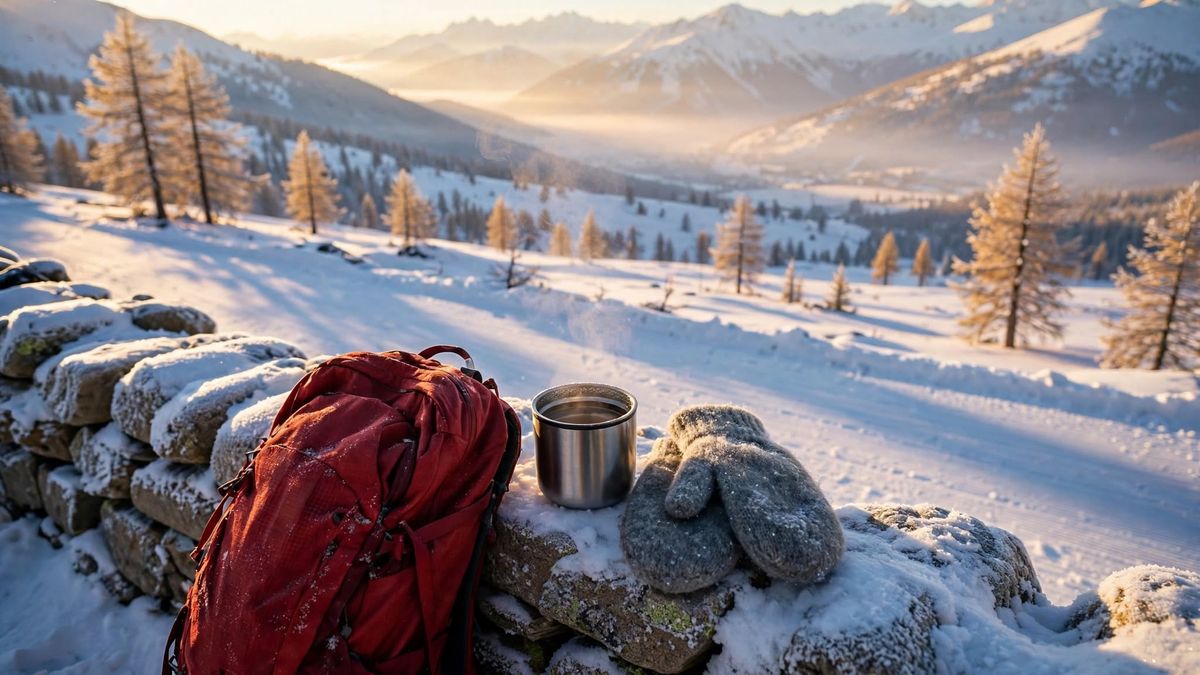


The checklist before you head out
Check it off the night before, or print it and tuck it in your pack.
- Nordic center picked, green-circle trail or teaching area spotted
- Trail report read, with its date
- Lesson booked, or at least considered
- Trail pass, plus a park entrance pass or state ski pass where required
- Classic rental, fishscale or skin skis, weight and height given to the shop
- Boots and bindings from the same system
- Thin layers on, no cotton, a warm jacket in your pack
- Thin gloves, a warm spare pair, extra socks, a light hat or headband, a neck gaiter
- Category 3 or 4 sunglasses, sunscreen, lip balm
- Hot drink, water, snacks
- Charged phone, someone told when you’ll be back
- Car ready for winter roads, chain and traction laws checked
- The trail code in mind: keep right, poles close, stop off the track
Gear related to this article
No affiliation: no commission, no sponsored products.
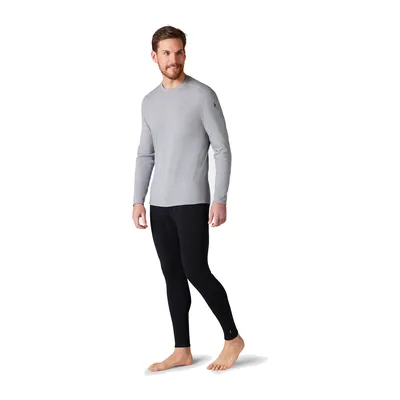
Smartwool Classic Thermal Merino
A 100% merino wool long-sleeve base layer, midweight at 250 g/m²: worn close to the skin, it moves sweat away and resists odors. Men’s cut, also made for women.
View on Amazon (opens in a new tab)
Worth watching
A PSIA instructor walks through a first day on classic skis, chapter by chapter: moving on flat ground, using your poles, going uphill and downhill, turning, and getting up after a fall.
The video is hosted by YouTube (Google): nothing loads until you play it, and Google may then set cookies.
FAQ
What is cross-country skiing?
Skiing under your own power, without lifts, over flat or gently rolling terrain. On groomed trails, you either glide with your skis parallel in two tracks, classic, or push off with your skis in a V on a smooth lane, skating. Nordic centers groom the trails, rent the gear, and teach lessons; you pay with a trail pass. It’s real exercise: an hour of slow skiing burns more than twice the energy of walking at the same speed.
Should beginners learn classic or skate skiing first?
Classic, for most people. Nordic France and Atomic recommend it to start: with your skis parallel in the tracks and a stride close to walking, you enjoy yourself from the first hour. The CCSAA points out that it isn’t technically easier, just easier to enjoy before you have the skills. Skating takes more balance and power: start with it only if you already ice skate or inline skate, and if your area grooms for it.
Where can I go cross-country skiing near me?
Look for a groomed Nordic center: the Cross Country Ski Areas Association promotes more than 350 of them across North America, and its site has a directory. Groomed tracks keep your skis straight, which helps a beginner far more than a park or a golf course. Some national parks have trails too, with their own rules: at Pictured Rocks, in Michigan, the groomed trails are for classic only. Always check the trail report, and its date.
How much does a day of cross-country skiing cost?
Count on a trail pass, rentals, and maybe a lesson. At Vail Nordic Center, in Colorado, an adult day pass costs $31 and a classic rental package $40 for 2026-2027, and a 75-minute beginner group lesson adds $84. At Woodstock Nordic Center, in Vermont, an adult day pass is $45, but the $135 adult lesson package includes an all-day pass and rental gear. Each center sets its own prices.
Do I need a lesson to cross-country ski?
Nothing requires one, but it’s the best start: the CCSAA says a couple of hours with a professional instructor gives you the skills you need, and Switzerland’s accident prevention council tells beginners to take a course. Look for PSIA-AASI certified instructors. In a lesson, you learn to shift your weight from ski to ski, get up after a fall, climb in a herringbone, and slow down in a snowplow, which matters on descents.
What should I wear for cross-country skiing?
Less than for downhill: thin layers, with a wicking synthetic base layer, fleece or wool, and a waterproof, breathable shell, and no cotton. Take a layer off as soon as you start to sweat and put it back on at breaks. Wear thin gloves for pole control and carry a warm spare pair, plus extra socks, a light hat or headband, category 3 or 4 sunglasses, sunscreen, and lip balm.
Sources
- 2024 Adult Compendium of Physical Activities (Herrmann et al., Journal of Sport and Health Science, 2024), “Winter Activities,” codes 19080, 19090, and 19135, page modified April 5, 2026, accessed November 18, 2026. pacompendium.com https://pacompendium.com/winter-activities/ ↩
- 2024 Adult Compendium of Physical Activities, “Walking,” code 17170 (walking, 2.5 mph, firm, level surface), accessed November 18, 2026. pacompendium.com https://pacompendium.com/walking/ ↩
- Cross Country Ski Areas Association (CCSAA), “Skier Visit Survey,” July 13, 2023, accessed November 18, 2026. ccsaa.org https://ccsaa.org/2023/07/skier-visit-survey/ ↩
- Nordic France (federation of French Nordic ski areas), Ski de fond, Nordic activities page (in French), modified July 20, 2026, accessed November 18, 2026. nordicfrance.fr https://www.nordicfrance.fr/activites-nordiques/mode-sport/ski-de-fond/ ↩
- Atomic, “How To Find The Right Cross-Country Ski,” July 31, 2026, updated August 31, 2026, accessed November 18, 2026. atomic.com https://www.atomic.com/en-fi/blogs/magazine/how-to-find-the-right-cross-country-ski ↩
- Cross Country Ski Areas Association, “Classic vs Skate,” reprinted from Cross Country Ski Technique, updated June 1, 2020, accessed November 18, 2026. xcski.org https://xcski.org/classic-skate/ ↩
- FIS, “FIS Code of Conduct for Cross-Country Skiers,” 2023 (PDF), accessed November 18, 2026. assets.fis-ski.com https://assets.fis-ski.com/f/252177/782f99bfc6/fis-code-of-conduct-for-cross-country-skiers.pdf ↩
- Cross Country Ski Areas Association, “Groomed Ski Areas vs Local Park,” updated June 3, 2020, accessed November 18, 2026. xcski.org https://xcski.org/groomed-ski-areas-vs-local-park/ ↩
- Vail Recreation District, “Vail Nordic Center,” 2026/27 Nordic pricing, rental rates, lessons, and current trail conditions, accessed November 18, 2026. vailrd.specialdistrict.org https://vailrd.specialdistrict.org/vail-nordic-center ↩
- National Park Service, Rocky Mountain National Park, “Winter Recreation,” last updated March 20, 2026, accessed November 18, 2026. nps.gov https://www.nps.gov/romo/planyourvisit/winter-recreation.htm ↩
- National Park Service, Pictured Rocks National Lakeshore, “Winter Activities,” last updated January 14, 2026, accessed November 18, 2026. home.nps.gov https://home.nps.gov/piro/planyourvisit/winteractivities.htm ↩
- Cross Country Ski Areas Association, “Skier Responsibility Code,” updated July 28, 2023, accessed November 18, 2026. xcski.org https://xcski.org/skier-responsibility-code/ ↩
- Thüringer Wald, “FAQ Skilanglauf,” trail signs under the German Ski Association’s standards (in German), accessed November 18, 2026. thueringer-wald.com https://www.thueringer-wald.com/w/faq-skilanglauf ↩
- Tirol Werbung, “Klassifizierung und Beschilderung von Loipen” (trail ratings and signs, in German), accessed November 18, 2026. tirol.at https://www.tirol.at/aktivitaeten/sport/langlaufen/loipenbeschilderung ↩
- Woodstock Inn & Resort, “Woodstock Nordic Center,” 2026-2027 season passes, daily trail fees, lessons, and rentals, accessed November 18, 2026. woodstockinn.com https://www.woodstockinn.com/do/things-to-do/woodstock-nordic-center ↩
- Minnesota Department of Natural Resources, “Great Minnesota Ski Pass” license page, license year 2026, accessed November 18, 2026. licenses.dnr.state.mn.us https://licenses.dnr.state.mn.us/product/03 ↩
- Cross Country Ski Areas Association, “Welcome Pass,” updated August 14, 2024, accessed November 18, 2026. ccsaa.org https://ccsaa.org/welcome-pass/ ↩
- Nordic France, Pass National, 2026-2027 season prices (in French), accessed November 18, 2026. nordicfrance.fr https://www.nordicfrance.fr/qui-sommes-nous/pass-national ↩
- Cross Country Ski Areas Association, “Get Started,” reprinted from Popular Mechanics, updated May 28, 2020, accessed November 18, 2026. xcski.org https://xcski.org/how-to-get-started/ ↩
- Salomon, “What size cross-country skis do I need?” updated March 17, 2025, accessed October 31, 2026. salomon.com https://www.salomon.com/en-us/sg/a/what-size-cross-country-skis-do-i-need ↩
- Atomic, size guide for the “Redster C5 med + Shift CL” classic ski, product page, accessed November 18, 2026. atomic.com https://www.atomic.com/en-int/products/redster-c5-med-shift-cl-ab2348-202600 ↩
- Salomon, “How to choose cross-country ski poles,” updated March 17, 2025, accessed October 31, 2026. salomon.com https://www.salomon.com/en-us/sg/a/how-to-choose-cross-country-ski-poles ↩
- Swix, “Cross country ski poles,” pole size guide, accessed November 18, 2026. swixsport.com https://swixsport.com/eu/article/find-your-size/poles ↩
- Rossignol, “Tour Step In” binding, Turnamic system, product page, accessed November 18, 2026. rossignol.com https://www.rossignol.com/us-en/unisex-touring-nordic-bindings-tour-step-in-RJM1005000.html ↩
- Atomic, “Pro CS” boot, product page, 2026 season, accessed November 18, 2026. atomic.com https://www.atomic.com/en-se/products/pro-cs-ai0000173-202600 ↩
- Rottefella, cross-country bindings catalog, “SkateX MOVE Pro,” accessed November 18, 2026. rottefella.com https://rottefella.com/en/cross-country ↩
- Coaching Association of Canada and Cross Country Canada, “Equipment Selection and Ski Preparation,” reference manual, 2011 (PDF), accessed November 18, 2026. crosscountrybc.ca https://crosscountrybc.ca/sites/default/files/documents/CC%20RM%20Section%207%20-%20Equipment%20Selection%20%26%20Ski%20Prep_0.pdf ↩
- Mayo Clinic Orthopedics & Sports Medicine, “Exercising outdoors in winter,” December 21, 2020, updated October 16, 2024, accessed November 18, 2026. sportsmedicine.mayoclinic.org https://sportsmedicine.mayoclinic.org/news/exercising-outdoors-in-winter/ ↩
- Cross Country Ski Areas Association, “How to Dress,” excerpted from Jonathan Wiesel, Cross-Country Ski Vacations, updated June 1, 2020, accessed November 18, 2026. xcski.org https://xcski.org/how-to-dress/ ↩
- Centers for Disease Control and Prevention (CDC), “Preventing Hypothermia,” Winter Weather, updated January 30, 2024, reviewed August 25, 2026, accessed November 18, 2026. cdc.gov https://www.cdc.gov/winter-weather/prevention/index.html ↩
- UIAA, “Dealing with eye problems in expeditions,” accessed November 18, 2026. theuiaa.org https://www.theuiaa.org/dealing-with-eye-problems-in-expeditions/ ↩
- College of Optometrists, “Tints and driving” (standard BS EN ISO 12312-1:2013), accessed November 18, 2026. college-optometrists.org https://www.college-optometrists.org/clinical-guidance/guidance/knowledge,-skills-and-performance/examining-patients-who-drive/tints-and-driving ↩
- Salomon, Comment choisir ses skis de fond de classique ? (how to choose classic cross-country skis, in French), accessed November 3, 2026. salomon.com https://www.salomon.com/fr-fr/sg/a/how-to-choose-classic-cross-country-skis ↩
- Cross Country Ski Areas Association, “Ski & Snowshoe Equipment,” updated June 15, 2023, accessed November 18, 2026. xcski.org https://xcski.org/gear/ski-snowshoe-equipment/ ↩
- Salomon, “How to wax Nordic skis,” accessed November 3, 2026. salomon.com https://www.salomon.com/en-gb/sg/a/how-to-wax-nordic-skis ↩
- Cross Country Ski Areas Association, “Take a Lesson,” updated September 20, 2024, accessed November 18, 2026. xcski.org https://xcski.org/take-a-lesson/ ↩
- Cross Country Ski Areas Association, home page, “Why Cross Country Ski?” accessed November 18, 2026. xcski.org https://xcski.org/ ↩
- Swiss Council for Accident Prevention (BFU), “Langlaufen” (cross-country skiing, in German), accessed November 18, 2026. bfu.ch https://www.bfu.ch/de/ratgeber/langlaufen ↩
- PSIA-AASI (Professional Ski Instructors of America and American Association of Snowboard Instructors), “Cross-Country Instructor Certification,” updated June 23, 2026, accessed November 18, 2026. thesnowpros.org https://thesnowpros.org/get-certified/cross-country/ ↩
- Cross Country Ski Areas Association, “10 Tips and Trick for the Cross Country Skier,” June 1, 2020, accessed November 18, 2026. xcski.org https://xcski.org/2020/06/10-tips-and-trick-for-the-cross-country-skier/ ↩
- FIS, “FIS Release Cross-Country Code of Conduct,” September 6, 2023, accessed November 18, 2026. fis-ski.com https://www.fis-ski.com/inside-fis/news/2023-24/fis-release-cross-country-code-of-conduct ↩
- National Park Service, “Outdoor Emergency Plan,” last updated June 21, 2023, accessed November 18, 2026. nps.gov https://www.nps.gov/articles/gtgemergencyplan.htm ↩
- European Commission, “112 - the EU’s emergency phone number,” accessed November 18, 2026. digital-strategy.ec.europa.eu https://digital-strategy.ec.europa.eu/en/policies/112 ↩
- American Birkebeiner Ski Foundation, “American Birkebeiner (Skate 50K, Classic 53K),” February 27, 2027 race, updated November 16, 2026, accessed November 18, 2026. birkie.com https://www.birkie.com/ski/events/birkie/ ↩
- American Birkebeiner Ski Foundation, “Birkie Week,” 2027 events and race policies, updated August 4, 2026, accessed November 18, 2026. birkie.com https://www.birkie.com/ski/birkie-week/ ↩
- Vasaloppet, “Vasaloppet,” 2027 race, updated November 18, 2026, accessed November 18, 2026. vasaloppet.se https://vasaloppet.se/en/ski/vasaloppet/ ↩
- Engadin Skimarathon, home page, 57th race on March 14, 2027 (in German), accessed November 18, 2026. engadin-skimarathon.ch https://engadin-skimarathon.ch/ ↩
- La Transju’, La Transjurassienne, 50 km race of February 14, 2027 (in French), updated November 18, 2026, accessed November 18, 2026. latransju.com https://www.latransju.com/evenements/la-transju/epreuves/la-transjurassienne-70-km/ ↩

Trail running, snow, water, nature and destinations
Nolwenn covers trail running, snow, water, nature and destinations for Outfarer. Curious about everything, from meteor showers to night-train schedules, she has a knack for digging up the one detail that changes everything, and nailing it in a single sentence.