 Français (France)
 English (UK)
 English (US)
 Deutsch (Deutschland)

Contents
At 4 km/h (2.5 mph), a strolling pace, an hour of easy cross-country skiing takes more than twice the energy of an hour’s walk at the same speed: 6.8 A unit that compares the energy an activity uses with the energy used at rest; 1 MET is roughly what you burn sitting quietly. against 3.0, according to the Compendium of Physical Activities [1, 2]. So much for its reputation as a gentle sport. Good news: you need neither ski lifts nor any skiing experience to start, nor, contrary to widespread belief, to be exceptionally fit, says the Ski Club of Great Britain [3]. A first day comes together in a few steps. This guide takes them in order, from choosing a technique to the big races, and each step leads to our detailed guides.
For most British skiers, it all starts with a trip abroad. The Ski Club lists Norway, Finland, Italy, Austria, France and Switzerland among the established destinations for UK skiers [3], and Scotland has trails of its own when the snow obliges. Wherever you go, you need a technique, a trail with snow on it, hired kit in the right size, clothes that breathe and, ideally, an instructor.
| When | What to do |
|---|---|
| A few days before | Choose a trail network and its easy loops; read the trail report, and the date it was updated; book a group or private lesson; check that your travel insurance covers ski and mountain rescue |
| The night before | Lay out thin layers, cross-country gloves and a warm spare pair, a light hat or headband, sunglasses and sun cream; a flask of hot drink and snacks; check the road, or the train, to the trails |
| On arrival | Buy a trail pass where one is needed; hire a classic set, with fishscale or skin skis, giving your weight and height; check that the boots and bindings go together |
| On the trail | Start on the beginners’ area or an easy loop; take a layer off as soon as you’re warm; drink and nibble often; head back before you’re tired |
1Classic or skating: start with classic
Two ways of gliding share a cross-country trail. Classic is a striding movement: the skis travel parallel in tracks groomed into the snow, and a grip zone under the foot lets one ski push back while the other glides forward. In skate skiing, the skis form a shallow V on a wider, smooth lane, with a leg action close to ice skating, the Ski Club explains [3]. Nordic France, which brings together France’s Nordic ski areas, sums up the difference: classic, close to walking, is the more accessible for beginners; skating takes good balance and more power, especially on the climbs [4].
Manufacturers say much the same. Atomic advises starting with classic, preferably on a course with an instructor, and reckons that athletic types who already ski, inline skate or ice skate can consider going straight to skating [5]. The association of North American cross-country ski areas adds a nuance with a smile: classic isn’t the easier way in because it is technically easier, but because beginners can ‘just walk on their skis’ and have a good time [6]. The Ski Club also points out that the best style to learn depends on the facilities at your chosen destination [3]: a valley with no skating lane settles the matter for you.
On the trail, everyone has their place: two parallel tracks for classic, a wide, smooth strip for skating. The code of conduct for cross-country skiers from the FIS, the international ski federation, asks skaters to stay on the skating tracks and never cross into the classic tracks [7]. Once classic has clicked, skating will be waiting for your second or third outing.

2Choosing where to ski, and paying for the trails
First, the destination. Before booking, the Ski Club suggests asking how reliable the snow is at the time of year you want to travel and how you will reach the trails. It also warns that not every cross-country area has enough suitable skiing for a full holiday, or routes for every ability, and that you should check what equipment hire is available [3]. Snow reliability is no idle question: in the Alps, it is below about 2,000 m that climate change shows most clearly in the snow cover, according to Météo-France [8]. Norway makes a strong opening bid. Around Oslo, the city counts thousands of kilometres of ski tracks in the Oslomarka forests, free to use, and suggests Skullerudstua and Holmenkollen to those new to skiing [9].
Then check the snow, and the date. Many areas publish trail information online or through local apps, with distances, grooming and snow conditions, the Ski Club notes [3]. In Oslo, the main conditions report, the Hovedføremelding, comes from Skiforeningen, a ski association founded in 1883 that counts 75,000 members [11]; in France, Nordic France’s snow report shows, area by area, whether it is open and how many kilometres of trail are open [12]. The detail that changes everything is the date of the last update. On 18 November 2026, one French area was still listed as ‘open’ with 0 km of open trails, under an update of 15 March [12]: only the date tells you whether the information still holds.
On site, leave your habits at home. Difficulty colours and grading systems vary by destination, the Ski Club warns, so look at a route’s length, climbs, descents and current snow as well as its grade [3]. France uses four colours, green, blue, red and black, under national standards that set no figures: each site has graded its own trails, according to a 2019 document from the Savoie département [13]. In Germany’s Thuringia, on trails signed to the German Ski Association’s standards, and in Austria’s Tyrol, on trails that carry the Land’s quality label, difficulty is shown in blue, red and black, and blue is the easiest [14, 15].
Then there is paying for the trails, where the rules vary as much as the colours. Around Oslo, the tracks are free. In France, groomed trails are paid for through a Nordic trail fee; for those who ski often, or in several areas, the 2026-2027 national pass costs €255 for an adult [16], and our guide to the Nordic trail fee in France explains what it pays for. In Switzerland, the Swiss cross-country pass costs CHF 160 [17]. And if you are driving to the Alps, read our guide to winter tyres and chains in France before you cross the Channel.


3Hiring your kit, in the right size
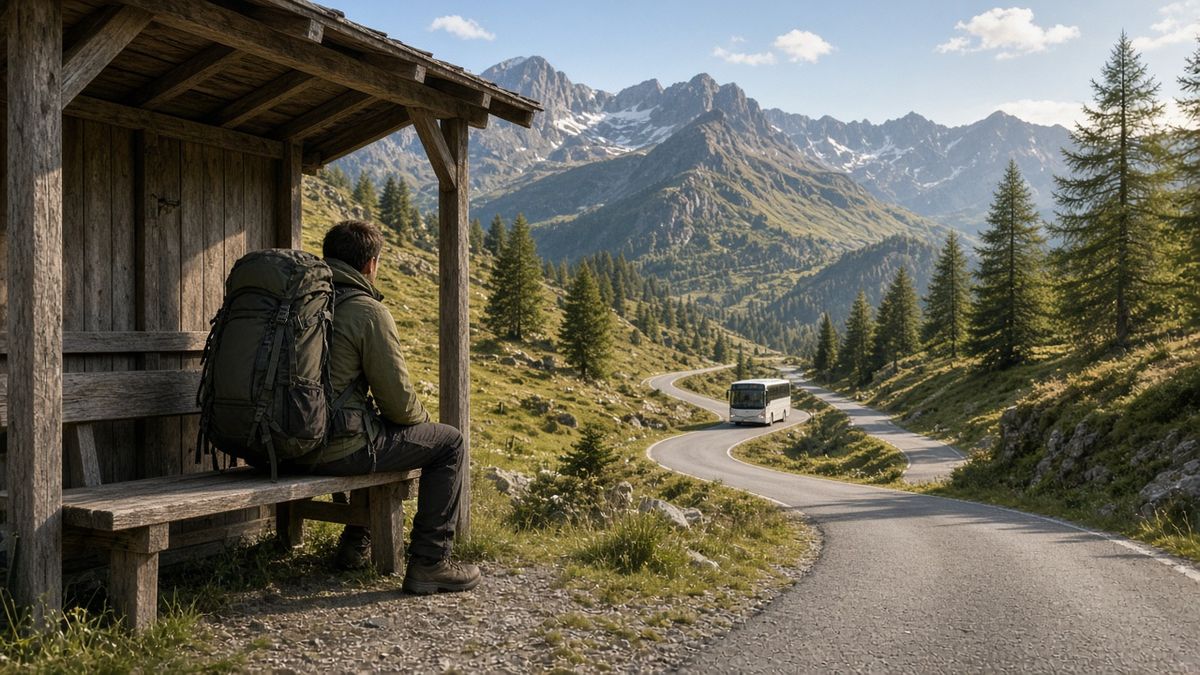
For a first trip, hire. It is usually the sensible choice, says the Ski Club: a specialist Nordic hire centre can help you find skis, boots and poles suited to classic or skating and make sure they fit. Ask the hire team to explain the set-up and to help you check that the boots and bindings feel comfortable, and you’ll learn what suits you before investing in your own [3]. A full set means skis, poles and boots, for classic or for skating. Prices vary widely, as these two examples published during the 2025-2026 season show [18, 19].
| Adult set (skis, poles, boots) | 1 day | 2 days | 7 days |
|---|---|---|---|
| Cervières, classic | €12 | €21 | €58 |
| Cervières, skating | €15 | €27 | €73 |
| Sedrun, classic or skating | CHF 38 | CHF 72 | CHF 152 |
Sources: Hautes Vallées tourist office, Cervières Nordic centre, page updated 20 January 2026 (an identity document is asked for as a deposit); Graubünden Ferien, Sedrun, indicative prices including VAT for 20 December 2025 to 5 April 2026. Two examples, not an average: each shop sets its own prices, so check this winter’s.
At the counter, give your weight as well as your height. In cross-country skiing, it is weight above all that decides the length and stiffness of the ski, Salomon points out [20]: Atomic makes the same 195 cm classic ski in four stiffnesses, for skiers from 45 to 90 kg [21]. Between two lengths, take the shorter one to start, for skiing that is easy and reassuring [20]. Skate skis, for their part, are 10 to 15 cm shorter than classic skis for the same skier [20].
For poles, the most quoted rule is Salomon’s: your height multiplied by 0.83 for classic, to shoulder height, and by 0.89 for skating, up to your nose or ears [22]. DSV aktiv, the German Ski Association’s service for recreational skiers, uses 0.85 and 0.9 [23]: for someone 1.75 m tall, that makes 145 or 149 cm for classic. For a first outing, either rule will do.
One trap awaits anyone buying second-hand: the binding. A Turnamic binding accepts all NNN and Prolink boot soles, according to Rossignol, but mounts only on a Turnamic IFP plate [24], and Atomic says its boots fit all two-rail bindings, Prolink, NNN and Turnamic [25]. Rottefella’s new skating system, SkateX, works with Madshus or Alpina boots that have a SkateX sole and cleat [26], and in 2011 the Canadian coaches’ manual still knew only two systems, SNS and NNN [27]: on older kit, ask which is which. Before you buy, check three things: the boot’s system, the binding’s and the ski’s plate. A few combined boots also work for both classic and skating [25].

4Dressing for a sport that warms you up fast
The trap is your downhill outfit. Light layers are more useful than a bulky alpine-ski outfit, says the Ski Club [3], and the Mayo Clinic, in the United States, counts dressing too warmly as a big mistake when exercising in the cold: exercise generates enough heat to make it feel much warmer than it really is. It adds that stop-and-go activities make you more vulnerable to the cold if you repeatedly work up a sweat and then get chilly [28]. Cross-country skiing, with its climbs and its pauses, is the textbook case.
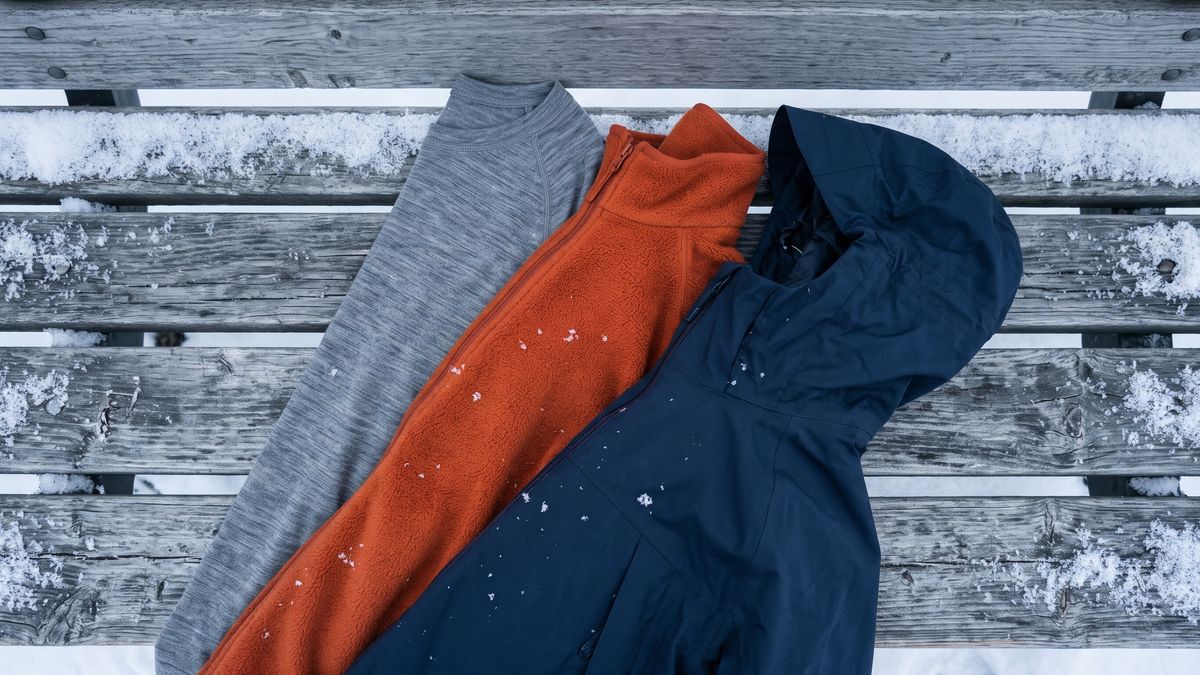
The answer is thin layers: a thermal base layer, a light mid-layer and outer layers to suit the weather, which give you options as you warm up [3], and no cotton, which stays wet next to your skin. Take a layer off as soon as you start to sweat, put it back on when you need it [28], and keep an extra layer in a small rucksack for the stops [3]. For your hands, the Ski Club’s packing list asks for cross-country specific gloves, plus a warm spare pair [3]. The reason is practical: gloves give better pole control, while too heavy a pair will be soaked with sweat in the first kilometre, notes the association of North American cross-country ski areas, which keeps mittens for those prone to cold hands [29].
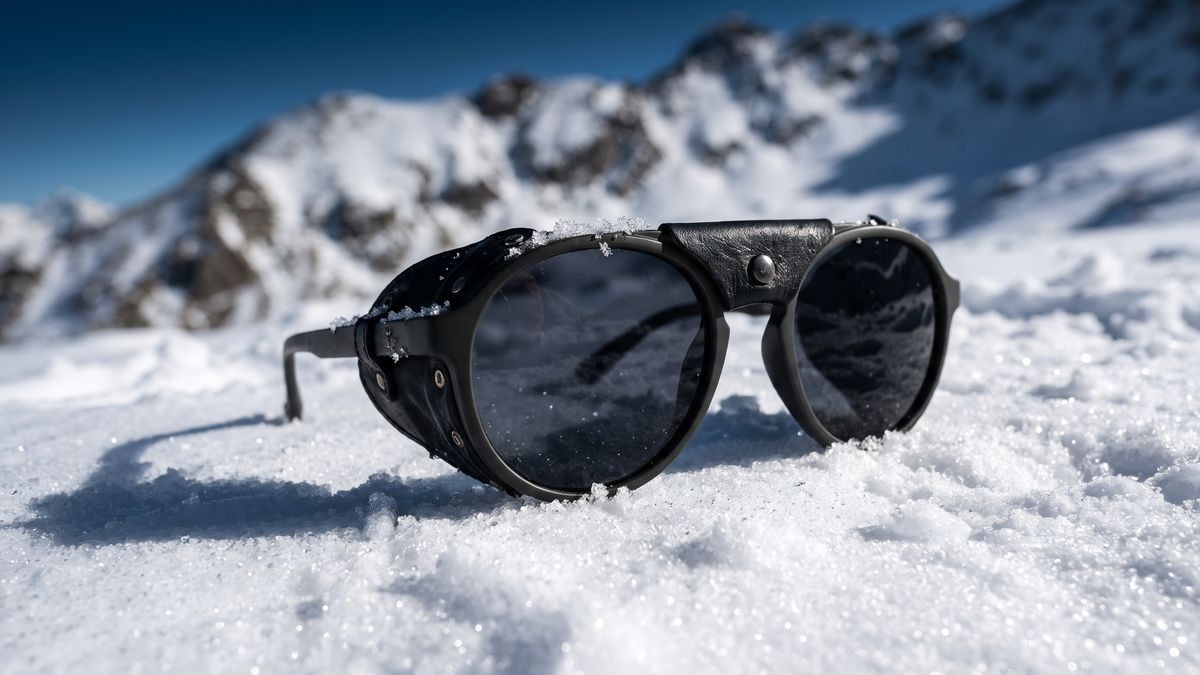
That leaves the head and the eyes: a hat or headband, a neck warmer, sunglasses or goggles, sun cream and lip balm complete the Ski Club’s list [3]. Frostbite can set in on skin exposed to 0 °C or below, and most often affects the fingers, toes, nose and ears, the NHS points out; to avoid it, it advises several loose layers with a waterproof outer layer, a hat and scarf, gloves or mittens, and thick socks [30]. The wind adds its share: at -5 °C, a 30 km/h wind (about 19 mph) gives a feels-like temperature of around -13 °C, by our calculation with the formula of Belgium’s Royal Meteorological Institute [31]. And snow reflects 80% of UV light: the UIAA, the international mountaineering federation, recommends sunglasses of protection class 3 or 4 with side pieces, or goggles [32], though category 4 isn’t suitable for driving [33].


5Fishscales, skins or wax: skis that grip
A classic ski has to glide, but also grip when you push off, or it slides back. Three systems exist. Fishscales, under the foot, grip best at the cost of a little glide: Salomon considers them perfect for learning and for easy outings. Skins strike a compromise between grip and glide and are far more forgiving than a waxable ski. Waxable skis glide best, but their grip depends on the wax chosen for the snow [34]. A skate ski has none of this: it has no grip zone [35].
For a first outing, fishscales or skins spare you grip wax, which Salomon considers hard to master, skins being far simpler [36]. Atomic even says skin skis are the most common nowadays, because they are simple to use and to look after [5]. Ask the hire shop for a pair.
If you buy your own skis one day, a little upkeep remains, even without grip wax: glide wax on the tips and tails can improve glide [35]. Our guide to waxing cross-country skis covers the how-to, and why fluorinated waxes have vanished from racing.

6Taking a first lesson
Nothing obliges you to take one, but a lesson with a resort instructor is a reasonable place to start, says the Ski Club, especially before a longer holiday. Its advice: ask about the instructor’s Nordic experience and how much time you will spend practising on the trails and, when booking a holiday, what qualifications the coaches hold and whether they are recognised in the country where they teach [3]. In the UK, BASI is the official awarding body for professional ski and snowboard instructors, cross-country included [37]. And Switzerland’s Council for Accident Prevention, the BFU, tells beginners to take a course [38].
For an idea of prices, take Le Grand-Bornand, in Haute-Savoie. At its École du Ski Français, the adult group course for winter 2026-2027 costs €114 for three sessions, €131 for four and €145 for five, on weekdays from 10.05am to 12.20pm or from 2.10pm to 4.25pm, starting on a Monday, between 21 December and 2 April. Hire and the Nordic pass are extra [39].
Expect to start with the basics. Coaching can begin with stance, balance and movement, then move on to grip, glide, rhythm and control, the Ski Club explains [3]. Learning to slow down in a snowplough matters more than it looks: many cross-country accidents happen on the way downhill, the BFU notes [38].
7Your first outing: an easy loop, breaks and something to drink
For a first outing, think small. A typical beginner day balances learning on gentle terrain with time to rest, then a short journey to practise on the trail, the Ski Club explains [3], and the BFU tells teachers to choose, for beginners, a flat, short trail that suits their abilities, at a pace that leaves breath for conversation [38]. Start on the beginners’ area, then an easy loop. For a rough idea, not a target: in Switzerland, cross-country skiers spend a median of two hours a day on their skis, according to the Federal Office of Sport’s national survey [43].
Don’t be fooled by the gentle pace: the effort is real. Cross-country skiing is active, and a full day on snow takes energy, the Ski Club warns [3]. The Compendium of Physical Activities, a reference for researchers, puts slow cross-country skiing at 6.8 METs, a moderate pace at 8.5 and skating at 13.3, against 3.0 for walking at 4 km/h (2.5 mph) [1, 2]. For someone weighing 70 kg, that gives the rough figures below.
| Activity | METs | For 70 kg, in one hour |
|---|---|---|
| Walking at 4 km/h (2.5 mph), on firm, level ground | 3.0 | about 210 kcal |
| Slow cross-country skiing, around 4 km/h | 6.8 | about 480 kcal |
| Cross-country skiing at a moderate pace, 6.4 to 7.9 km/h | 8.5 | about 600 kcal |
| Skating | 13.3 | about 930 kcal |
Source: 2024 Adult Compendium of Physical Activities. Our calculation: METs × 70 kg × 1 hour, resting energy included, rounded to the nearest 10. A rough guide, not a target.
Hence the snacks and the flask. Hydration is just as important in cold weather as in the heat, the Mayo Clinic points out: you can become dehydrated in the cold through sweating, breathing and the drying winter wind, and it is harder to notice [28]. The NHS also stresses eating and drinking regularly when you are out in the cold for long periods [30]. A flask in the rucksack, dried fruit or bars that are easy to eat with gloves on, and regular short breaks rather than one long stop at the end.

8The rules of the trail, descents and the cold
You’re never alone on a trail. In 2023, the FIS published a code of conduct of its own for cross-country skiers, in ten rules [44, 7]. Here is the gist.
| Rule | What it asks |
|---|---|
| Respect for others | Ski without endangering or harming others |
| Respect for signs | Follow the trail signs at all times |
| Choice of tracks | Keep to the right-hand track unless overtaking; on skating skis, never cross into the classic tracks |
| Overtaking | The skier ahead needn’t give way, but the slower skier lets faster ones pass when possible, moving to the right |
| Encounter | Keep right when meeting; skiers going up give way to those coming down |
| Poles | Keep them close to your body near other skiers |
| Control of speed | Always ski at a speed at which you can stop safely, especially downhill, and keep a safe distance |
| Keep the trail clear | Leave the track when you stop, and as quickly as possible after a fall |
| Accidents | Everyone should help |
| Identification | Witnesses stay at the scene and give their identity |
Source: FIS, Code of Conduct for Cross-Country Skiers, 2023, summarised by us. Switzerland’s BFU still publishes an older, slightly different version on its website.
These rules have their reasons. Cross-country skiing is a fairly safe sport, says the BFU, yet more than 8,000 people are injured doing it in Switzerland every year. Many accidents happen on the way down, where the BFU lists poor skiing or braking technique and problems with balance among the possible causes, and injuries most often affect the trunk and shoulders [38]. On descents, then, keep to a speed at which you can stop [7].
Respect the opening hours too. In the Engadine, the tourist office asks skiers to use the regular trails only in daylight, with three floodlit trails for the evening, and never to ski directly behind a piste basher: there is a danger to life [40]. Off the prepared trails, the snow and the terrain call for another kind of preparation: go with an experienced guide [3].
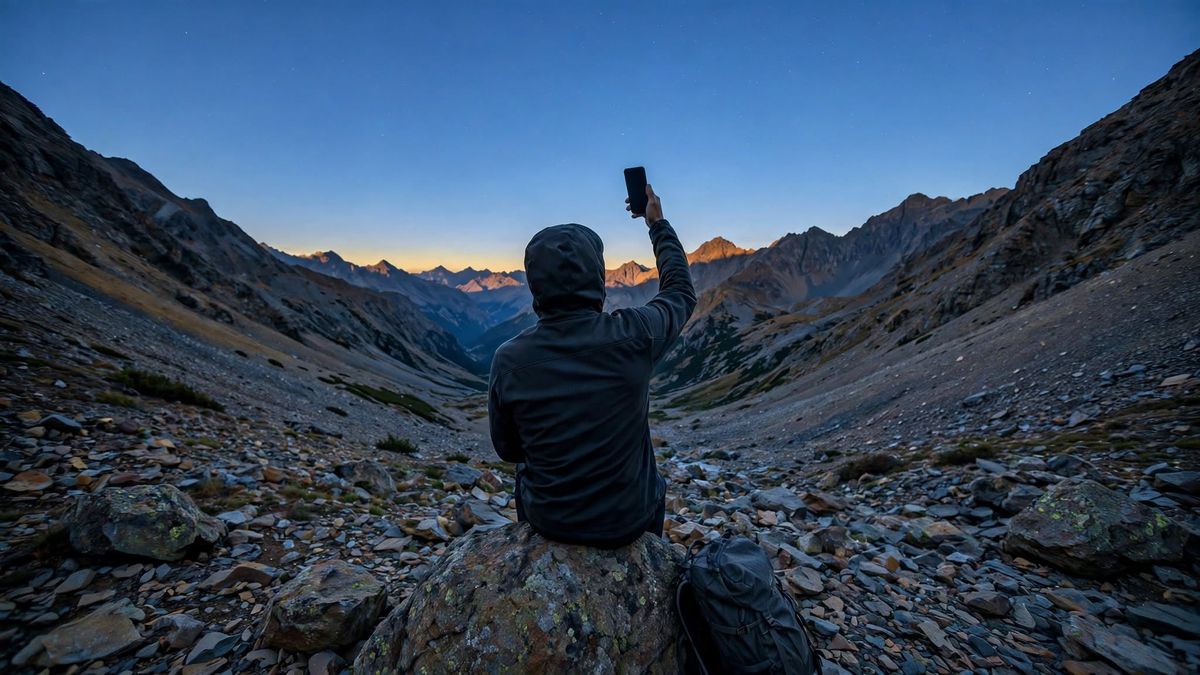
If there is an accident, in the UK dial 999 or 112; in the hills, Mountain Rescue England and Wales asks you to request the police, then Mountain Rescue [45]. Across the EU, 112 is free everywhere [46]; in Norway, 113 is the medical emergency number, and 112 there is the police [47]. Abroad, a UK GHIC doesn’t cover ski or mountain rescue, and the NHS advises private travel and medical insurance [48]: our guide to mountain rescue costs compares the countries. Before you set off, carry a charged phone, tell someone which loop you are doing and when you expect to be back, and leave a margin before nightfall.


9Going further: skating, off-track touring, biathlon and the big races
Skating first, once your balance has caught up. Then the snow beyond the groomed trails: off-track skiing takes you into quieter, more remote terrain, on wider skis and in sturdier boots, the Ski Club explains, and asks for more planning, navigation and awareness of weather and terrain; if you are new to it, seek local advice and go with an experienced guide [3].
Biathlon has its taster version too: in France, many Nordic areas offer laser biathlon, a playful version open to all, without the lead-shot rifle of the professionals [49]. A fine way to end a family day on a small competitive note.
And if you fancy a race bib, the big popular races often come in a gentler version. Sweden’s Vasaloppet, which bills itself as the world’s biggest cross-country ski race, covers 90 km (56 miles) from Sälen to Mora, in classic only, on 7 March 2027, open from age 17, with about 14 hours to reach the finish [50]; on 28 February, Öppet Spår Sunday follows the same course for those who only want to compete against themselves [51]. Switzerland’s Engadin Skimarathon runs 42 km (26 miles) from Maloja to S-chanf on 14 March 2027, with a half marathon of 21 km (13 miles) [52]. And in France, the Transjurassienne changes course: from 2027, its main race covers 50 km (31 miles) between Lamoura and Les Rousses, in the Jura, on 14 February, in skating with classic allowed; the day before, a 25 km (16-mile) classic outing without ranking costs €30 [53, 54].
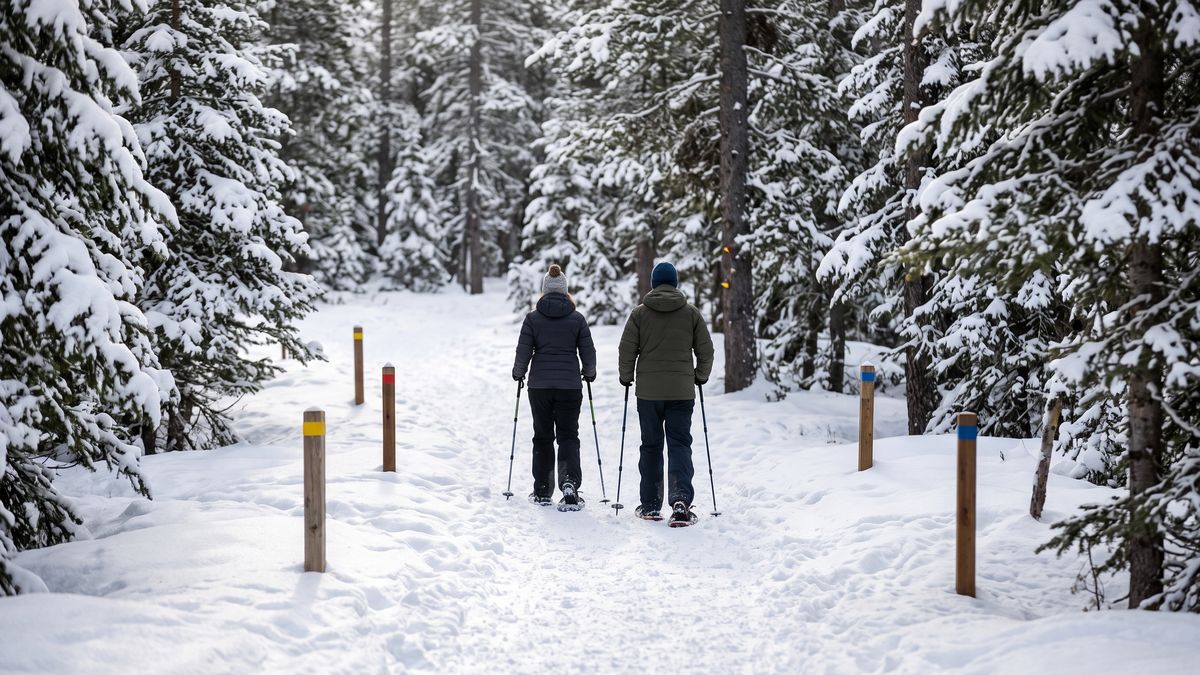
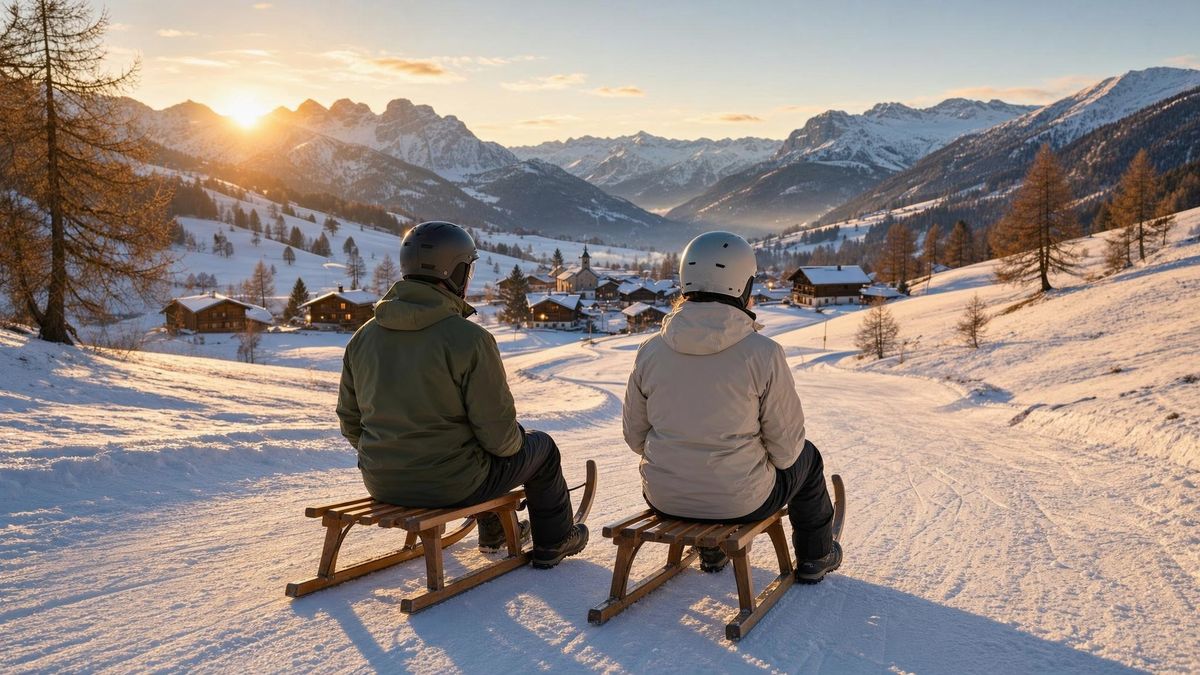
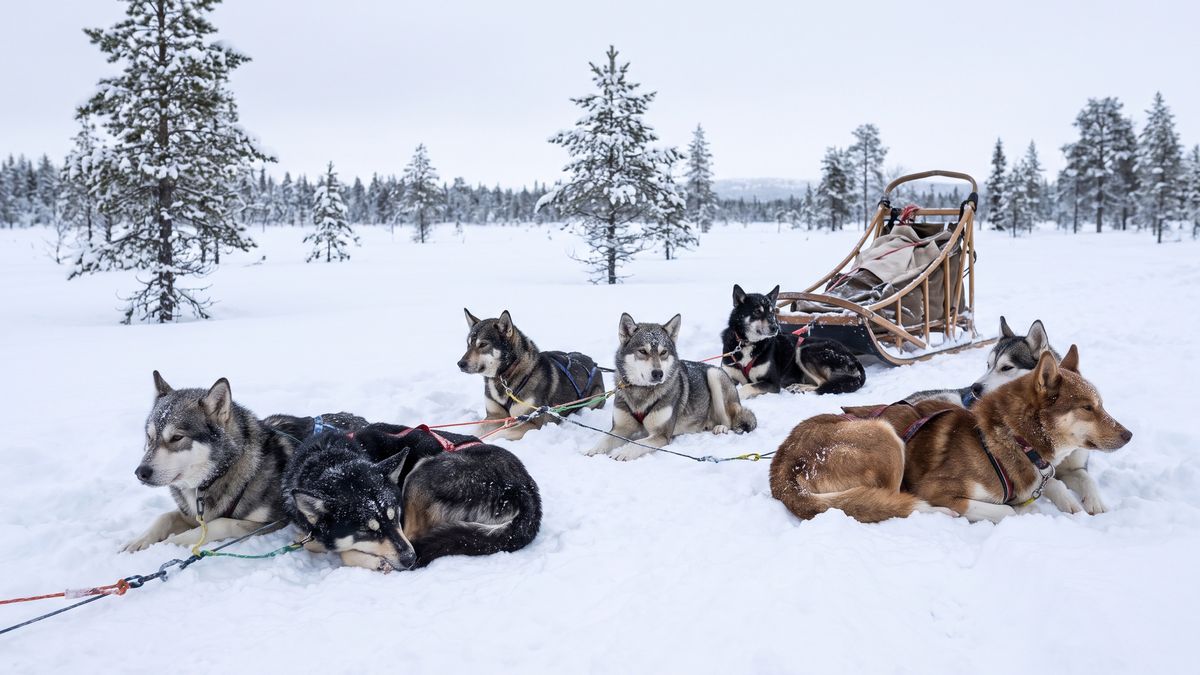
And if gliding has won you over, winter has other ways to get outside: snowshoeing, sledging, a first dog sled ride, or our guide to winter walking. And if Norway or Finland is on the cards, the long nights there put on a show of their own.


The checklist before you set off
Tick it off the night before, or print it and slip it into your rucksack.
- Destination with reliable snow at your dates, easy loop or beginners’ area spotted
- Trail report read, with the date it was updated
- Lesson booked, or at least considered
- Trail pass where one is needed (in France, the area’s pass or the national pass)
- Classic hire, fishscale or skin skis, weight and height given to the shop
- Boots and binding from the same system
- Thin layers on, no cotton, an extra warm layer in the rucksack
- Cross-country gloves, a warm spare pair, hat or headband, neck warmer
- Category 3 or 4 sunglasses or goggles, sun cream, lip balm
- Flask, water, snacks
- Charged phone, someone told when you’ll be back
- Travel insurance that covers ski and mountain rescue: the GHIC doesn’t
- Route to the trails checked: winter tyres or chains in the French mountains, or the train
- The trail code in mind: right-hand track, poles close, stop off the track
Kit related to this article
No affiliation: no commission, no sponsored products.
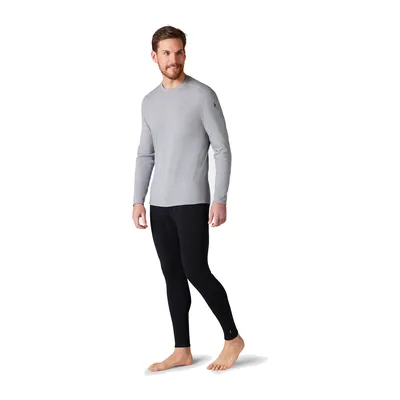
Smartwool Classic Thermal Merino
A 100% merino wool long-sleeve base layer, 250 g/m²: worn close to the skin, it moves sweat away and resists odours. Men’s cut, also made for women.
View on Amazon (opens in a new tab)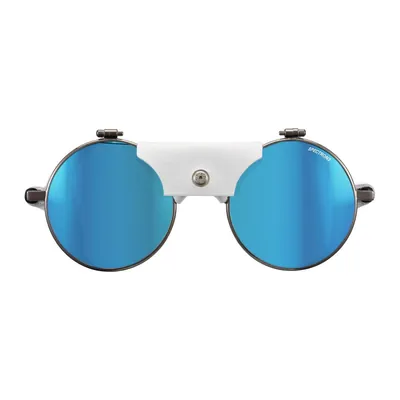
Julbo Vermont Classic, Spectron 3 lenses
Mountain glasses with round category 3 lenses (12% light transmission), 100% UV protection and leather side shields against reflected glare. 40 g.
View on Amazon (opens in a new tab)
Worth watching
A PSIA ski instructor works through a first day on classic skis, chapter by chapter: moving on the flat, using your poles, climbing, descending, turning and getting up after a fall.
The video is hosted by YouTube (Google): nothing loads until you play it, and Google may then set cookies.
FAQs
What is cross-country skiing?
Skiing under your own steam, without lifts, along prepared trails through forests and across open country; it is also called Nordic skiing. The heel of the boot lifts freely from the ski, so you can stride and glide on the flat and climb hills. On groomed trails, you either glide with your skis parallel in two tracks, which is classic, or push off with your skis in a V on a smooth lane, which is skating.
Can you go cross-country skiing in the UK?
Yes, in Scotland, when the snow obliges. British Nordic calls the Clashindarroch Forest, near Huntly in Aberdeenshire, the best snow-holding forest in the UK, with trails cut by volunteers and an average of 45 days of skiing a year. Near Aviemore, a charity lays tracks in Glenmore Forest, with conditions and hire through Aviemore and Glenmore Snowsports. Check the conditions before you go: some winters bring far more snow than others.
Where should I go for a first cross-country skiing holiday?
The Ski Club of Great Britain lists Norway, Finland, Italy, Austria, France and Switzerland among the established destinations for UK skiers. Compare how reliable the snow is at your dates, how you will reach the trails, and whether the area has enough easy terrain, equipment hire and coaching. Around Oslo, thousands of kilometres of tracks are free to use; in France, the national pass costs €255 for an adult this winter.
Should beginners learn classic or skate skiing?
Classic, for most people. Nordic France and Atomic advise starting with it: with your skis parallel in the tracks and a stride close to walking, you enjoy yourself from the first hour. Skating, on the smooth part of the trail, takes more balance and power; keep it for a second or third outing, unless you already inline skate or ice skate, and check that your destination grooms a skating lane.
Do I need to be fit, or to take lessons?
Neither is compulsory. The Ski Club of Great Britain says you don’t need to be exceptionally fit or flexible to start, though a full day on snow takes energy. A lesson is still the best start, and Switzerland’s accident prevention council, the BFU, advises beginners to take one. Ask about the instructor’s Nordic experience, and learn to slow down in a snowplough: many accidents happen on descents.
What should I wear for cross-country skiing?
Less than for downhill: a thermal base layer, a light mid-layer and outer layers to suit the weather, without cotton. Take a layer off as soon as you start to sweat and put it back on at the stops. Wear cross-country gloves and carry a warm spare pair, plus a hat or headband, a neck warmer, category 3 or 4 sunglasses, sun cream and lip balm.
Sources
- 2024 Adult Compendium of Physical Activities (Herrmann et al., Journal of Sport and Health Science, 2024), ‘Winter Activities’, codes 19080, 19090 and 19135, page modified 5 April 2026, accessed 18 November 2026. pacompendium.com https://pacompendium.com/winter-activities/ ↩
- 2024 Adult Compendium of Physical Activities, ‘Walking’, code 17170 (walking, 2.5 mph, firm, level surface), accessed 18 November 2026. pacompendium.com https://pacompendium.com/walking/ ↩
- Ski Club of Great Britain, ‘A Guide to Cross-Country Skiing’, published 10 December 2024, updated 28 October 2026, accessed 18 November 2026. skiclub.co.uk https://www.skiclub.co.uk/discover-snowsports/a-guide-to-cross-country-skiing/ ↩
- Nordic France (federation of French Nordic ski areas), Ski de fond, Nordic activities page (in French), modified 20 July 2026, accessed 18 November 2026. nordicfrance.fr https://www.nordicfrance.fr/activites-nordiques/mode-sport/ski-de-fond/ ↩
- Atomic, ‘How To Find The Right Cross-Country Ski’, 31 July 2026, updated 31 August 2026, accessed 18 November 2026. atomic.com https://www.atomic.com/en-fi/blogs/magazine/how-to-find-the-right-cross-country-ski ↩
- Cross Country Ski Areas Association, ‘Classic vs Skate’, reprinted from Cross Country Ski Technique, updated 1 June 2020, accessed 18 November 2026. xcski.org https://xcski.org/classic-skate/ ↩
- FIS, ‘FIS Code of Conduct for Cross-Country Skiers’, 2023 (PDF), accessed 18 November 2026. assets.fis-ski.com https://assets.fis-ski.com/f/252177/782f99bfc6/fis-code-of-conduct-for-cross-country-skiers.pdf ↩
- Météo-France, Montagne : un enneigement très déficitaire (in French), 23 February 2023, accessed 18 November 2026. meteofrance.com https://meteofrance.com/actualites/montagne-un-enneigement-tres-deficitaire ↩
- City of Oslo (Oslo kommune), ‘Winter activities’, Outdoor life in Oslo, accessed 18 November 2026. oslo.kommune.no https://www.oslo.kommune.no/english/welcome-to-oslo/daily-life-in-oslo/enjoying-the-outdoors/winter-activities/ ↩
- British Nordic, ‘UK Ski Trails’, Clashindarroch Forest and Glenmore trails, accessed 18 November 2026. britishnordic.org https://www.britishnordic.org/where-to-ski ↩
- Skiforeningen, Om Skiforeningen (about the association, in Norwegian), accessed 18 November 2026. skiforeningen.no https://www.skiforeningen.no/om-skiforeningen/ ↩
- Nordic France, Le bulletin neige (snow report, in French), state of the Nordic areas on 18 November 2026. nordicfrance.fr https://www.nordicfrance.fr/le-bulletin-neige ↩
- Savoie département, Savoie Nordic, Proposition pour une cotation harmonisée des pistes de ski de fond (in French, PDF), 2019, on the French standards NF S52-103 and NF S52-101, accessed 18 November 2026. savoie.fr https://www.savoie.fr/upload/docs/application/pdf/2022-05/proposition_grille_cotation_-_pistes_ski_de_fond_en_savoie.pdf ↩
- Thüringer Wald, ‘FAQ Skilanglauf’, trail signs to the German Ski Association’s standards (in German), accessed 18 November 2026. thueringer-wald.com https://www.thueringer-wald.com/w/faq-skilanglauf ↩
- Tirol Werbung, ‘Klassifizierung und Beschilderung von Loipen’ (trail grading and signs, in German), accessed 18 November 2026. tirol.at https://www.tirol.at/aktivitaeten/sport/langlaufen/loipenbeschilderung ↩
- Nordic France, Pass National, 2026-2027 season prices (in French), accessed 18 November 2026. nordicfrance.fr https://www.nordicfrance.fr/qui-sommes-nous/pass-national ↩
- Loipen Schweiz, ‘Langlaufpass’ (the Swiss cross-country pass, in German), accessed 18 November 2026. langlauf.ch https://www.langlauf.ch/de/langlaufpass ↩
- Hautes Vallées tourist office, Foyer de ski de fond de Cervières, hire prices (in French), page updated 20 January 2026, accessed 18 November 2026. hautesvallees.com https://www.hautesvallees.com/lizoard/commerce-et-service/foyer-de-ski-de-fond-cervieres/ ↩
- Graubünden Ferien, ‘Miete Langlaufset Skating oder Classic in Sedrun’ (cross-country set hire, in German), prices for 20 December 2025 to 5 April 2026, accessed 18 November 2026. graubuenden.ch https://www.graubuenden.ch/de/buchen/angebote/miete-langlaufset-skating-oder-classic-sedrun ↩
- Salomon, ‘What size cross-country skis do I need?’, updated 17 March 2025, accessed 31 October 2026. salomon.com https://www.salomon.com/en-us/sg/a/what-size-cross-country-skis-do-i-need ↩
- Atomic, size guide for the ‘Redster C5 med + Shift CL’ classic ski, product page, accessed 18 November 2026. atomic.com https://www.atomic.com/en-int/products/redster-c5-med-shift-cl-ab2348-202600 ↩
- Salomon, ‘How to choose cross-country ski poles’, updated 17 March 2025, accessed 31 October 2026. salomon.com https://www.salomon.com/en-us/sg/a/how-to-choose-cross-country-ski-poles ↩
- DSV aktiv (German Ski Association), ‘Ran an die Bretter: Profi-Tipps für die Loipe’ (in German), 31 January 2024, accessed 18 November 2026. ski-online.de https://www.ski-online.de/tipps-infos/freizeit-und-fitness/detail/Profi-Tipps-fuer-die-Loipe.html ↩
- Rossignol, ‘Tour Step In’ binding, Turnamic system, product page, accessed 18 November 2026. rossignol.com https://www.rossignol.com/us-en/unisex-touring-nordic-bindings-tour-step-in-RJM1005000.html ↩
- Atomic, ‘Pro CS’ boot, product page, 2026 season, accessed 18 November 2026. atomic.com https://www.atomic.com/en-se/products/pro-cs-ai0000173-202600 ↩
- Rottefella, cross-country bindings catalogue, ‘SkateX MOVE Pro’, accessed 18 November 2026. rottefella.com https://rottefella.com/en/cross-country ↩
- Coaching Association of Canada and Cross Country Canada, ‘Equipment Selection and Ski Preparation’, reference manual, 2011 (PDF), accessed 18 November 2026. crosscountrybc.ca https://crosscountrybc.ca/sites/default/files/documents/CC%20RM%20Section%207%20-%20Equipment%20Selection%20%26%20Ski%20Prep_0.pdf ↩
- Mayo Clinic Orthopedics & Sports Medicine, ‘Exercising outdoors in winter’, 21 December 2020, updated 16 October 2024, accessed 18 November 2026. sportsmedicine.mayoclinic.org https://sportsmedicine.mayoclinic.org/news/exercising-outdoors-in-winter/ ↩
- Cross Country Ski Areas Association, ‘How to Dress’, excerpted from Jonathan Wiesel, Cross-Country Ski Vacations, updated 1 June 2020, accessed 18 November 2026. xcski.org https://xcski.org/how-to-dress/ ↩
- NHS, ‘Frostbite’, page last reviewed 9 June 2025, accessed 18 November 2026. nhs.uk https://www.nhs.uk/conditions/frostbite/ ↩
- Royal Meteorological Institute of Belgium, ‘Température sensible’ (in French), weather glossary, accessed 18 November 2026; calculation by Outfarer using the JAG/TI formula. meteo.be https://www.meteo.be/fr/infos/dico-meteo/temperature-sensible ↩
- UIAA, ‘Dealing with eye problems in expeditions’, updated 6 October 2023, accessed 18 November 2026. theuiaa.org https://www.theuiaa.org/dealing-with-eye-problems-in-expeditions/ ↩
- College of Optometrists, ‘Tints and driving’ (standard BS EN ISO 12312-1:2013), accessed 18 November 2026. college-optometrists.org https://www.college-optometrists.org/clinical-guidance/guidance/knowledge,-skills-and-performance/examining-patients-who-drive/tints-and-driving ↩
- Salomon, Comment choisir ses skis de fond de classique ? (how to choose classic cross-country skis, in French), accessed 3 November 2026. salomon.com https://www.salomon.com/fr-fr/sg/a/how-to-choose-classic-cross-country-skis ↩
- Cross Country Ski Areas Association, ‘Ski & Snowshoe Equipment’, updated 15 June 2023, accessed 18 November 2026. xcski.org https://xcski.org/gear/ski-snowshoe-equipment/ ↩
- Salomon, ‘How to wax Nordic skis’, UK version, accessed 3 November 2026. salomon.com https://www.salomon.com/en-gb/sg/a/how-to-wax-nordic-skis ↩
- British Association of Snowsport Instructors (BASI), ‘About’, accessed 18 November 2026. basi.org.uk https://basi.org.uk/about ↩
- Swiss Council for Accident Prevention (BFU), ‘Langlaufen’ (cross-country skiing, in German), accessed 18 November 2026. bfu.ch https://www.bfu.ch/de/ratgeber/langlaufen ↩
- Haute-Savoie Mont-Blanc Tourisme, Ski de fond : cours collectifs adultes, Le Grand-Bornand, École du Ski Français, winter 2026-2027 (in French), accessed 18 November 2026. hautesavoiemontblanc-tourisme.com https://hautesavoiemontblanc-tourisme.com/offres/ski-de-fond-cours-collectifs-adultes-le-grand-bornand-fr-5831693/ ↩
- Engadin Tourismus, ‘Langlauf’ (cross-country skiing in the Engadine, in German), accessed 18 November 2026. engadin.ch https://www.engadin.ch/de/guide/aktivitaeten/langlauf ↩
- Loipen Schweiz, ‘Langlaufpass bestellen’ (ordering the Swiss cross-country pass, in German), accessed 18 November 2026. langlauf.ch https://www.langlauf.ch/de/langlaufpass-bestellen ↩
- Nordic France, Espace ludique d’apprentissage (fun learning zones, in French), modified 5 December 2018, accessed 18 November 2026. nordicfrance.fr https://www.nordicfrance.fr/activites-nordiques/mode-detente/espace-ludique-dapprentissage ↩
- Swiss Federal Office of Sport (FOSPO), Sport Suisse 2020 : les sports en chiffres, ‘Ski de fond’ factsheet, p. 24 (in French, PDF), accessed 18 November 2026. baspo.admin.ch https://www.baspo.admin.ch/dam/fr/sd-web/yf5AyqbGaegB/Sport-Schweiz-2020-factsheets_FR.pdf ↩
- FIS, ‘FIS Release Cross-Country Code of Conduct’, 6 September 2023, accessed 18 November 2026. fis-ski.com https://www.fis-ski.com/inside-fis/news/2023-24/fis-release-cross-country-code-of-conduct ↩
- Mountain Rescue England and Wales, ‘In case of emergency’, accessed 18 November 2026. mountain.rescue.org.uk https://www.mountain.rescue.org.uk/how-to-call-out-mr/ ↩
- European Commission, ‘112 - the EU’s emergency phone number’, accessed 18 November 2026. digital-strategy.ec.europa.eu https://digital-strategy.ec.europa.eu/en/policies/112 ↩
- Norsk Luftambulanse (Norwegian Air Ambulance Foundation), ‘Hjelp 113 | Frequently Asked Questions’, updated 4 November 2025, accessed 18 November 2026. norskluftambulanse.no https://norskluftambulanse.no/en/hjelp-113-frequently-asked-questions/ ↩
- NHS, ‘Applying for healthcare cover abroad (GHIC and EHIC)’, page last reviewed 12 December 2023, accessed 18 November 2026. nhs.uk https://www.nhs.uk/using-the-nhs/healthcare-abroad/apply-for-a-free-uk-global-health-insurance-card-ghic/ ↩
- Nordic France, Biathlon (in French), modified 20 July 2026, accessed 18 November 2026. nordicfrance.fr https://www.nordicfrance.fr/activites-nordiques/mode-sport/biathlon ↩
- Vasaloppet, ‘Vasaloppet’, 2027 race, accessed 18 November 2026. vasaloppet.se https://vasaloppet.se/en/ski/vasaloppet/ ↩
- Vasaloppet, ‘Öppet Spår Sunday’, 2027 event, accessed 18 November 2026. vasaloppet.se https://vasaloppet.se/en/ski/oppet-spar-sunday/ ↩
- Engadin Skimarathon, home page, 57th race on 14 March 2027 (in German), accessed 18 November 2026. engadin-skimarathon.ch https://engadin-skimarathon.ch/ ↩
- La Transju’, La Transjurassienne, 50 km race of 14 February 2027 (in French), accessed 18 November 2026. latransju.com https://www.latransju.com/evenements/la-transju/epreuves/la-transjurassienne-70-km/ ↩
- La Transju’, La Rando Classic 25 km, 13 February 2027 (in French), accessed 18 November 2026. latransju.com https://www.latransju.com/evenements/la-transju/epreuves/la-transju-experience-classic-25-km/ ↩

Trail running, snow, water, nature and destinations
Nolwenn covers trail running, snow, water, nature and destinations for Outfarer. Curious about everything, from meteor showers to night-train timetables, she has a knack for unearthing the one detail that changes everything, and putting it in a single sentence.