 Français (France)
 English (UK)
 English (US)
 Deutsch (Deutschland)

Contents
The kettle is on, the pegs are in and the lantern is lit: that is the picture. It is also the end of a chain of small decisions taken weeks earlier, about the campsite, the pitch, the cable and the rules. There is plenty to choose from: the Camping and Caravanning Club lists almost 100 Club Sites [1] and, for members, over 800 small sites across the UK [2]. Know what to look at, though, because one club’s small sites take tents and the other’s do not.
This guide is for anyone who has never camped, or is starting again: in a tent, usually by car, often with the family, sometimes in a roof tent. Wild camping is a different subject, covered in step 9. The guide follows nine steps: the campsite and the pitch, booking, the tent, sleep, cooking and keeping food cold, electricity, life on a campsite, weather and safety, then what comes next. England comes first, with a line on Scotland, Wales and Northern Ireland where things differ, and a checklist closes the guide.
| When | What to do |
|---|---|
| A few weeks before | Choose the campsite and the type of pitch; book; ask about the hook-up rating and the site rules; check that dogs are welcome |
| A few days before | Pitch the tent at home; prepare the cool box and ice packs; check the gas; check the mat, sleeping bag and lantern |
| On arrival | Read the site rules and the fire and flood notices; choose flat ground, clear of hollows and trees; pitch the tent, doors away from the wind |
| On site | Cook outside; put food away for the night; keep to the quiet hours; never heat the tent with a stove or a barbecue |
| On departure | Be off the pitch by the time stated (midday on a Club Site); dry the tent before packing it |
A summary of this guide: each point is explained, with its source, in the matching step.
1Choose your campsite and your pitch
In England, VisitEngland assesses caravan and camping parks at three levels: a star rating from 3 to 5; ‘Quality Assessed’, a full assessment with no stars, which meets the minimum standards; and ‘Visitor Ready’, an entry-level digital accreditation [3]. The assessment looks at the touring pitches and the facilities [3]. A campsite with no stars can therefore still have been assessed, and stars are not the whole story: Visit Wales, which grades from 1 to 5 stars, says that lower-rated places may still offer high quality but do not meet all the facilities expected at higher levels [4].
Then there are the two big clubs. The Camping and Caravanning Club has almost 100 Club Sites, where members get up to 30% off [1], and membership costs £56.95 a year for Digital Membership or £59.95 for Paper Membership, billed annually [6]. Non-members can book Club Sites too, on slightly different terms [7].
The part that catches beginners is the small sites. The Camping and Caravanning Club’s ‘Certificated Sites’ (CSs) take up to 5 caravans or motorhomes and 10 tents, are for members only and start from £10 per unit per night; you can join in advance or even on site [2]. The Caravan and Motorhome Club’s ‘Certificated Locations’ (CLs) look much the same on paper, five-pitch sites for members from £2.50 a night. But they take caravans, motorhomes, campervans, roof tents, tailgate or hitch tents and trailer tents, and the club’s page says that tent camping is not permitted at them at present [8]. Two near-identical acronyms, one letter apart: read both carefully.
| Scheme | Ground tent? | What the club says |
|---|---|---|
| Club Sites, Camping and Caravanning Club | Yes | Almost 100 sites, open to members and non-members |
| Certificated Sites (CS), Camping and Caravanning Club | Yes | Up to 5 caravans or motorhomes and 10 tents; members only; from £10 per unit per night |
| Certificated Locations (CL), Caravan and Motorhome Club | No | Up to 5 caravans, motorhomes, campervans, roof tents, tailgate or hitch tents or trailer tents; members only; from £2.50 a night |
Sources: Camping and Caravanning Club and Caravan and Motorhome Club pages read on 20 November 2026. Prices are ‘from’ prices.
Once you have a pitch, the club’s rules shape it. Its fire-safety spacing rule keeps every unit, guy ropes aside, 6 m from the next one; if your tent and its extras do not fit the pitch within that rule, you may have to buy an additional pitch or leave the extras behind [9]. GOV.UK’s fire safety guidance for England gives the same 6 m between caravans and tents [10]. A single booking covers at most 9 occupants, up to 6 of them adults, and a small ‘pup tent’ can be added for sleeping only, for 2 people at most [9].
When you book, ask three questions: what is the The electricity supply point on a pitch, usually a post with sockets. rating (the club says some of its sites supply 16 A, some only 10 A, and Certificated Sites and other campsites perhaps as little as 5 A [11]), how far is the toilet block, and where is the flat ground. Pitching advice is in step 3, electricity in step 6.
2Booking: deposit, arrival and cancellation
Read the site rules before you pay: they cover quiet hours, visitors, dogs and fires. On a Camping and Caravanning Club site, the minimum deposit is £25, or the whole cost if the booking is smaller [7]. The club’s page on Certificated Sites says members can book up to a year in advance, with priority booking [2]. The person who makes a touring pitch booking must be 18 or over [9]. You may not arrive before the time on your booking, and never before 1pm; if you are delayed and expect to arrive after 8pm, phone the site; and the pitch must be vacated by midday on the last day [9]. Where a local visitor levy applies, the club says it is included when you book [7].
| When you cancel | Member | Non-member |
|---|---|---|
| 29 days or more before the first day | Any fees paid are refunded in full | The deposit is refunded in full |
| From 8 days to less than 28 days before | Deposit lost; the rest of the booking is refunded | Deposit lost |
| From 1 to 7 days before | Deposit lost; the rest of the booking is refunded | Fees already paid in full are not refundable |
| Exactly 28 days before | Not covered by the wording | Not covered by the wording |
Source: Camping and Caravanning Club, General Terms (© 2026), ‘unless your booking states otherwise’. If you fail to arrive and the full balance has been taken, everything is kept.
The wording leaves a gap of one day: the terms say ‘29 days or more’ for a full refund and ‘less than 28 days’ for the deposit to be lost, so exactly 28 days is not covered [7]. Read your booking confirmation, which may state its own terms. Members’ balances are collected on the morning of the first day, non-members’ 7 days before [7]. Independent campsites set their own deposits and cancellation terms, which we have not read: ask before you pay.
3The tent: family tent or roof tent
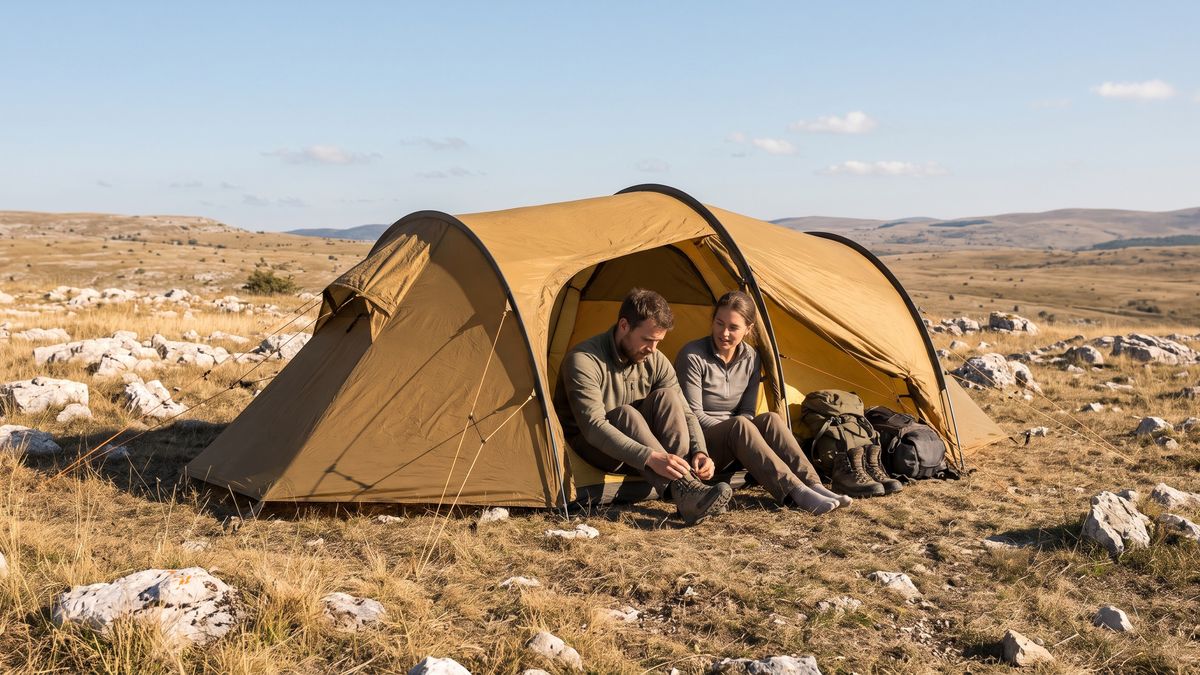
A tent’s ‘number of berths’ says how many people can sleep in it, not how much room each one gets: the Camping and Caravanning Club notes that the space allotted to each person can vary greatly, and advises a slightly higher number of berths than you need [12]. PiNCAMP, the ADAC group’s magazine, gives firmer yardsticks in a guide written with IMTEST (in German): at least 60 cm of sleeping width per person, a standing height of at least 1.70 m for the tallest, and one or two separate sleeping compartments for a family [13]. That is an editorial guide, not an ADAC test.
| What you read | The yardstick |
|---|---|
| Sleeping width | At least 60 cm per person (PiNCAMP) |
| Standing height | At least 1.70 m for the tallest person (PiNCAMP); head height is the main drawback of ridge tents (club) |
| Packed weight | Family poled tents start from around 10 kg and a polycotton inflatable can top 60 kg, with a wheeled bag (club); PiNCAMP says 10 to 20 kg, over 50 kg for the largest |
| Pitch size | On a Club Site, a tent measuring more than 5 m by 9 m pays for a Jumbo Pitch (club) |
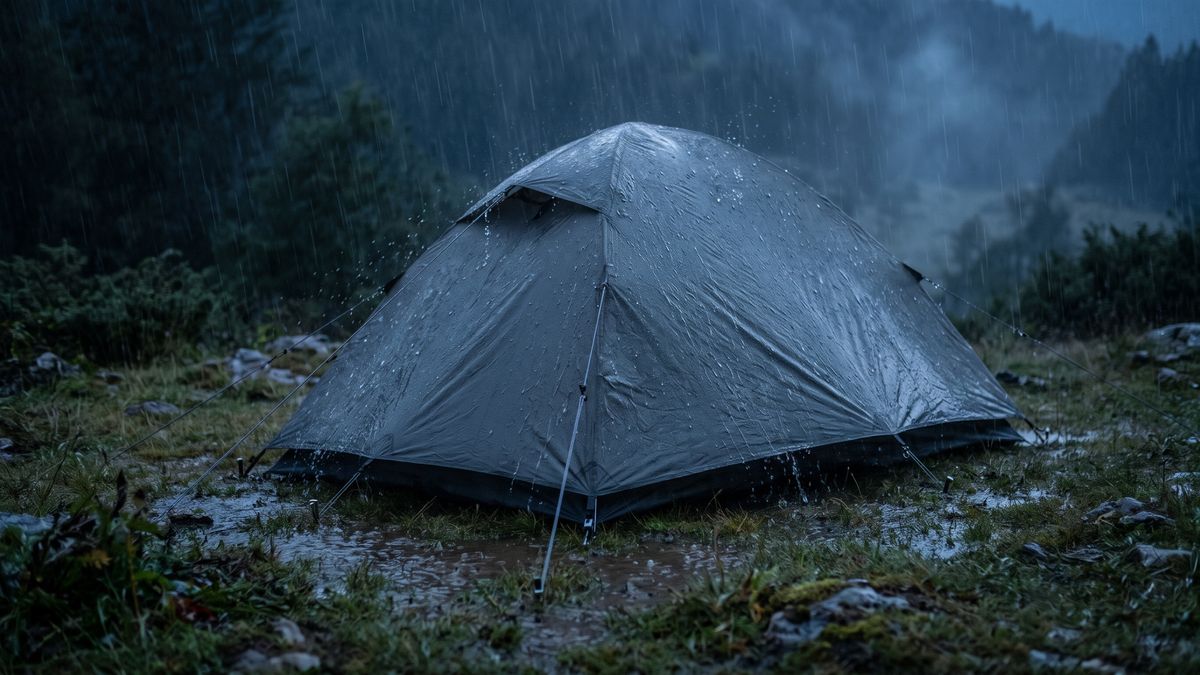
| Hydrostatic head | The club calls 2,000 mm typical of a cheap polyester tent and 20,000 mm suitable for serious expeditions; PiNCAMP recommends 3,000 mm for roof and walls and 5,000 mm for the floor |
| Floor | A sewn-in groundsheet keeps draughts and insects out but needs good ventilation (club) |
Sources: Camping and Caravanning Club, PiNCAMP (with IMTEST). Hydrostatic head figures vary from one brand to the next: see our article on hydrostatic head.
Our article on hydrostatic head compares these figures, and the one on choosing a tent describes ISO 5912, the standard behind berth counts. Before you set off, the club recommends pitching the tent at home, to see whether a part is missing or the tent is faulty [14], and not forcing a pole that will not slide: you do not want to snap it [14].
A roof tent unfolds on the car. The club lists the drawbacks: you pack it away every time you want to use the vehicle, you climb a ladder, and the first lift onto the roof can take a few strong people [15]. Worth knowing when you choose a site: the Caravan and Motorhome Club’s Certificated Locations accept roof tents, though not tents on the ground [8].
A car roof has two weight limits: the dynamic one, on the move, and the static one, parked with people in the tent. The club says the car’s handbook should tell you whether the car can take your chosen tent, and to count the weight of the roof bars too [15]. Thule, which makes roof tents and racks, says the limit to check is the dynamic one, that the static one can exceed it and that, for its roof racks, the static capacity is as a guideline 3 times the dynamic [16]; elsewhere it calls the static load rarely a limiting factor [17]. Germany’s motoring club, the ADAC, is more cautious: two people can generally sleep in a roof tent, but car makers rarely give the maximum, and the user carries the risk of damage [18]. For the dynamic limit, the ADAC cites usually 50 to 100 kg in an article of 26 March 2026 [19], and 75 kg for most vehicles in a longer one of 29 July 2026 [18]. Those are German figures for typical cars, not a UK rule, and the two articles disagree on whether the German registration certificate shows the roof load: the later one says only the handbook does. For a British car, the handbook is the source we can point to.
If the roof is glass or panoramic, Thule says always to check with the vehicle manufacturer [16]. The ADAC’s 2022 test of seven roof tents found that all but one inflatable model of 26 kg weighed more than 50 kg, and advised lifting them in pairs or, better, in fours [20]. The same page said that, parked, you can exceed the carmaker’s figure by some way, while the 2026 article puts the risk on the user: prudence wins. In Britain, the DVSA’s guidance on securing loads says not to put on roof racks a load heavier than the maker’s recommended maximum, and never to load items directly onto a car roof [21]; the text does not mention roof tents, so applying it to one is our reading.
| Subject | What the sources say |
|---|---|
| Dynamic roof load, on the move | Usually 50 to 100 kg, 75 kg for most vehicles (ADAC, Germany); read it in the car’s handbook |
| Static load, parked | Can exceed the dynamic load, but the carmaker rarely gives the figure (ADAC, Thule) |
| Weight of a tent | Over 50 kg for all but one inflatable model of 26 kg in the ADAC test of 2022 |
| Roof bars | The component with the lowest capacity sets the rack system’s limit (Thule) |
| British guidance | No load above the roof rack maker’s maximum; nothing directly on the car roof (DVSA, GOV.UK); roof tents not named |
| Lifting it onto the roof | Two people or, better, four (ADAC); a few strong people (club) |
| At the wheel | Longer braking distance, more sensitivity to crosswinds and higher fuel use (ADAC) |
Sources: ADAC (articles of 26 March and 29 July 2026, test of 2022), Thule, Camping and Caravanning Club, GOV.UK. The prices in the ADAC test of 2022 are out of date and are not given here.
On the road, the ADAC says a roof tent lengthens the braking distance and makes the car more sensitive to crosswinds [19], and that a roof load raises fuel consumption [18]. Thule’s instructions for its Foothill tent give a static capacity of 300 kg for the tent and a minimum dynamic weight capacity of 75 kg [22]. Our article on motorhome payload shows where to read a vehicle’s weights.


4Sleeping well: the ground, the bag, the cold
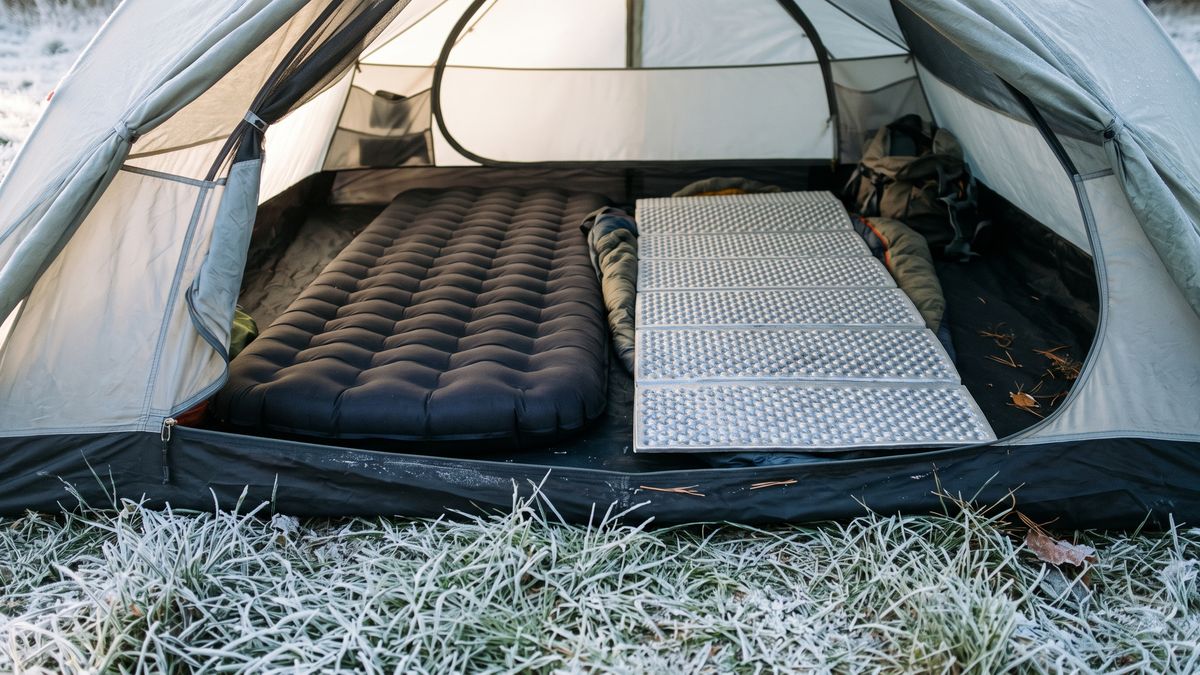
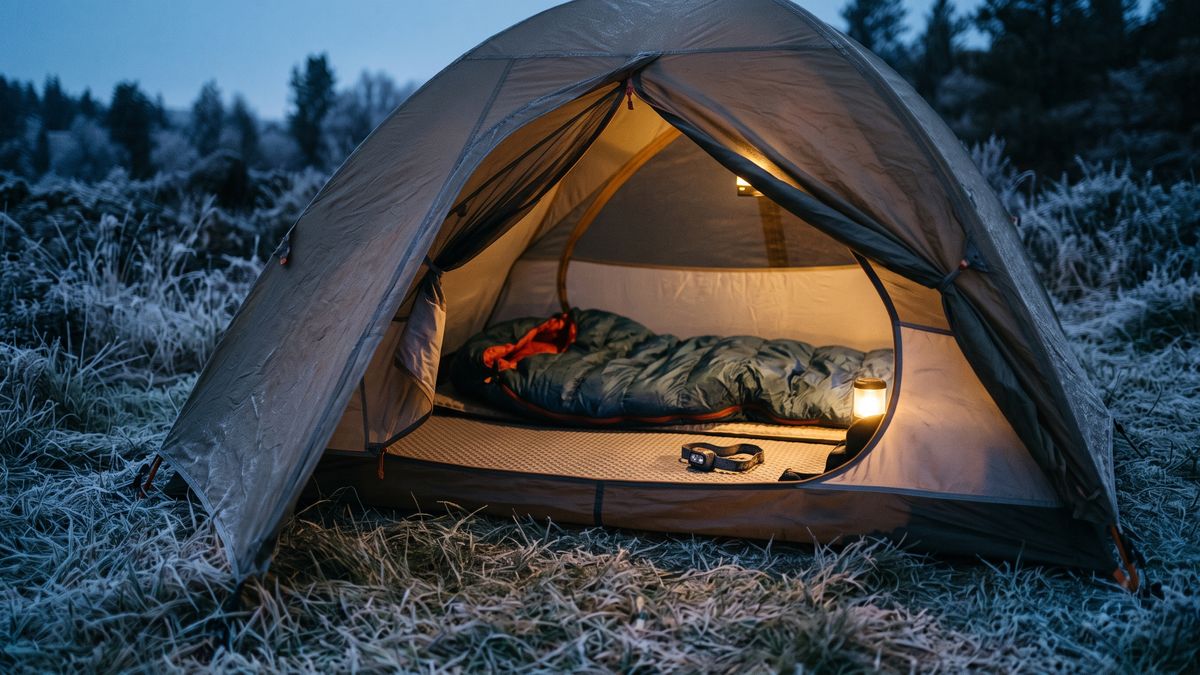
The cold comes from the ground. The Camping and Caravanning Club counts the insulation between you and the ground among the most important parts of your sleeping area: in summer a mat is enough, in winter you double up the mats or buy a winter mat [23]. Our article on R-values gives the benchmarks, and Exped recommends an R-value of at least 6.5 for its sleeping bags to give the warmth they are rated for [24]: a brand’s recommendation, not a standard.
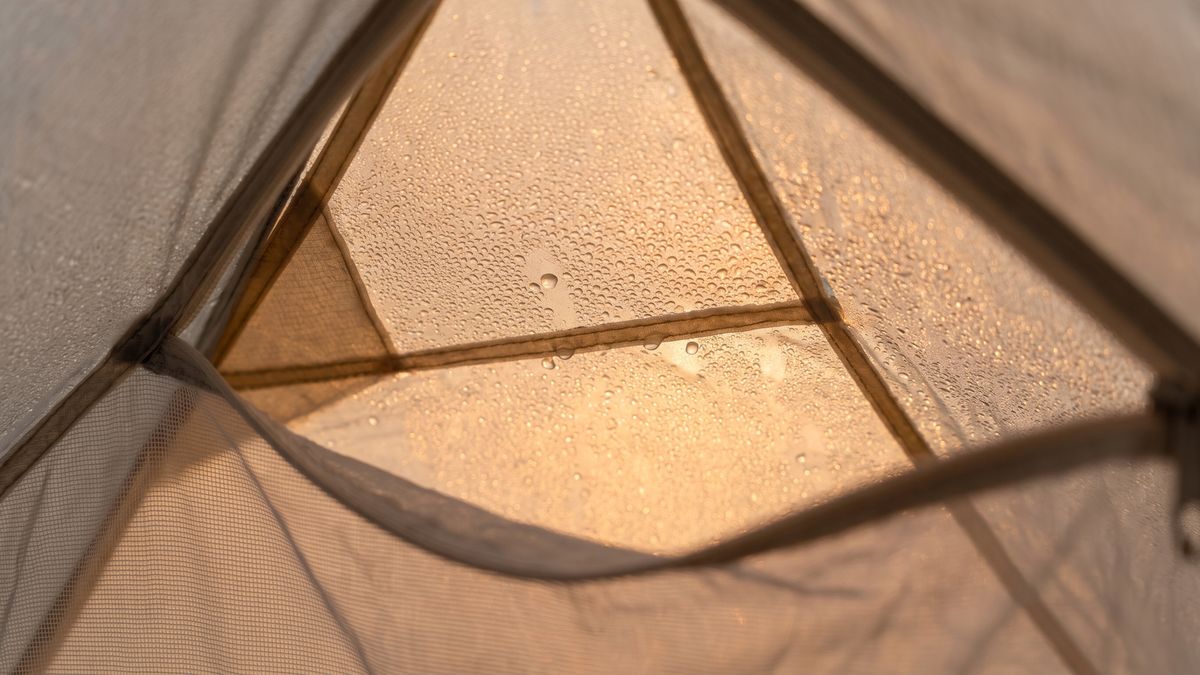
For the bag, our article on sleeping bag ratings explains the standard’s three temperatures, comfort, limit and extreme; on a campsite, look at the comfort figure first. The club adds two tips: avoid tight clothing, which reduces circulation and makes you feel cold quickly, and stay dry, because you hold on to heat much better when your clothes and bedding are dry, which means a ventilated tent against condensation [23] (see our article on condensation).


5Cooking and keeping food cold
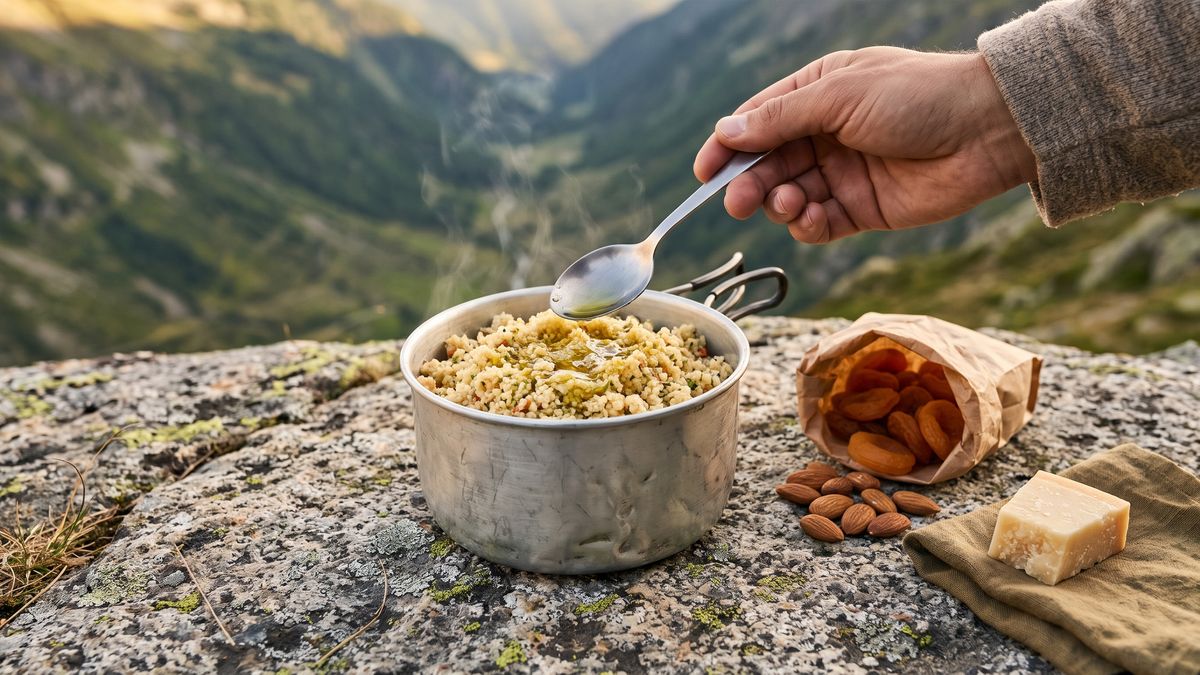
Cook outside. GOV.UK’s fire safety guidance for England is firm: never cook inside a tent, and keep cooking appliances away from the tent walls and from long grass and other flammable material [10]. The club is a shade less strict: cooking inside a tent is not advisable unless a suitable, well-ventilated cooking area is provided. Modern synthetic tent fabrics are far more susceptible to heat damage than cotton canvas, an appliance under a porch canopy must stay well away from the fabric, and a cartridge is changed in the open air, never near a naked flame [26]. We follow the stricter line. To choose your gas, see our article on canisters; the club says liquid butane is hard to turn into gas below about 4 °C [26], so leave yourself a margin.
Keeping food cold takes more method than kit. For England, Northern Ireland and Wales, the Food Standards Agency says a fridge should be set between 0 and 5 °C [28], and its picnic advice covers the cool box: ice packs spread through it, not all at the bottom, perishable food in one box and drinks in another, and the box left in the shade, out of direct sunlight. After 4 hours or more at 8 °C and above, the risk from bacteria rises; in extremely hot weather the limit is 2 hours [29]. Those figures are a fridge setting and a risk threshold, not a target temperature for the cool box: none of the authorities we read gives one. We did not read Scotland’s guidance. The FDA, in the United States, adds that raw meat should be kept securely wrapped and that food should not sit between 4 °C and 60 °C for more than 2 hours, or 1 hour if it is over 32 °C outdoors [30].
| Gesture | Source |
|---|---|
| Spread the ice packs through the whole cool box, not only at the bottom | Food Standards Agency (UK) |
| One cool box for drinks, another for perishable food | Food Standards Agency, FDA (United States) |
| Keep it in the shade, out of direct sunlight | Food Standards Agency |
| Keep raw meat, poultry and seafood securely wrapped | FDA |
| Do not leave food between 4 °C and 60 °C for more than 2 hours, or 1 hour if it is over 32 °C outside | FDA (limits of 40 °F, 140 °F and 90 °F) |
| After 4 hours at 8 °C or above the risk rises; in extremely hot weather, 2 hours | Food Standards Agency |
None of the sources read gives how long a cool box keeps food cold or how many ice packs to use. FDA values converted by our editorial team.
Do you need an electric cool box? A PiNCAMP guide, with no tests behind it, says a passive cool box suits the journey better than a whole holiday, a thermoelectric one can cool up to 30 °C below the outside temperature, and a compressor model can reach -18 °C, provided there is a working socket nearby [31]. Our article on food for wild camping helps with quantities, and the one on water with treating water that is not drinkable; on a campsite, ask which taps are for drinking.




6Electricity and gadgets
Start with the supply. On the Camping and Caravanning Club’s sites the hook-up is a nominal 230 V, with a maximum rating of 10 A or 16 A: most Club Sites can supply 16 A, some only 10 A, and Certificated Sites and other campsites may give as little as 5 A [11]. That limits what you can run at once. Power in watts is volts times amps, so 10 A at 230 V gives 2,300 W and 16 A gives 3.68 kW [11]. The club warns that an ordinary domestic kettle can draw 10 A or more on its own, and that special low-wattage kettles are sold by camping dealers [11].
The socket on a Club hook-up is the blue one, to BS EN 60309-2, so your lead needs a matching plug. The club recommends bringing a 25 m cable, as a pitch with hook-up has a bollard within about 20 m. Its leads should be three-core flexible cable of 2.5 mm² to cope with a typical 16 A demand, though 1.5 mm² leads are common. Uncoil the cable fully, to stop it overheating on a reel, and never use taped joints or ordinary 13 A household plugs on it [11].
| Subject | What the club says |
|---|---|
| Socket | Blue, to BS EN 60309-2, nominal 230 V |
| Rating | 10 A or 16 A on Club Sites; as little as 5 A on Certificated Sites and some other campsites |
| Power | 10 A gives 2,300 W; 16 A gives 3.68 kW |
| Cable | 25 m recommended; three cores of 2.5 mm²; uncoil it fully |
| For a tent | A hook-up unit made for tents, with circuit breakers and an RCD; its cable is likely to be 1.5 mm² and 15 m long |
| Test | Test the RCD each time you connect |
| Splitters | Prohibited on Club Sites |
Source: Camping and Caravanning Club, Expert Guide to Campsite Electricity, and Club Site Policies. Other campsites may differ: ask.
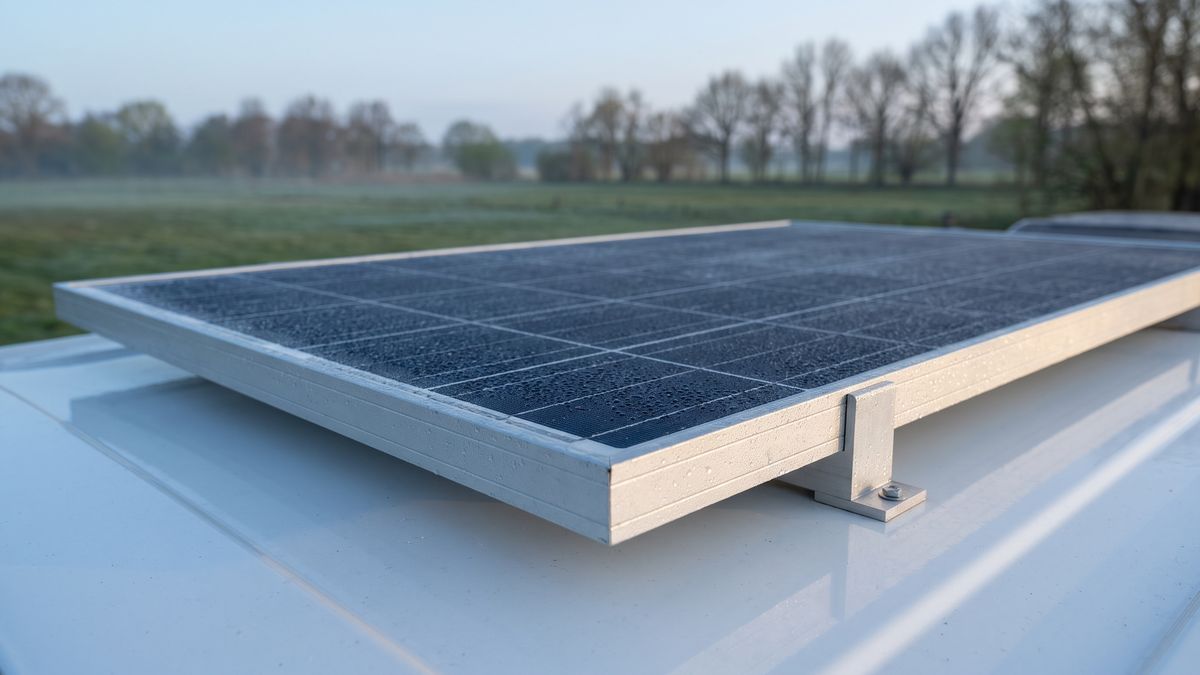
For light, a head torch or a lantern is often enough: our article explains how to read lumens and run time. GOV.UK says never to use lighted candles in or near a tent: torches are safer [10]. As for solar, our article on campervan solar panels gives the orders of magnitude.


7Life on a campsite: rules, neighbours, children, dogs
Life on a site follows its rules, and every campsite writes its own. As an example, the Camping and Caravanning Club’s Club Site policies ask for no noise or movement of vehicles from 11pm to 7am, and a 5 mph limit for vehicles, electric scooters and bicycles [9]. Its Certificated Sites ask for the same hours, a lead of 2 m at most for pets and 5 mph [32].
| Subject | What the rules say |
|---|---|
| Quiet hours | No noise or movement of vehicles from 11pm to 7am; reasonable noise at all times |
| Speed | 5 mph for vehicles, electric scooters and bicycles |
| Visitors | No more than 2 adult visitors per pitch, plus their children; they must leave by 10.30pm |
| Children | Supervised and accompanied by an adult at all times; nobody under 18 left unaccompanied on site |
| Games | In designated recreational areas, or areas agreed with staff |
| Dogs | On a lead of 2 m at most; not in the toilet block (assistance dogs excepted); breeds listed under the Dangerous Dogs Act 1991 not permitted; clean up after your pet |
| Fires and barbecues | Campfires strictly prohibited; portable barbecues allowed unless stated otherwise, used outside, never brought into your unit and raised off the ground |
| Generators | Allowed with the permission of staff, who advise on running times, and if they disturb nobody |
Source: Camping and Caravanning Club, Club Site Policies (© 2026). Each campsite sets its own rules.
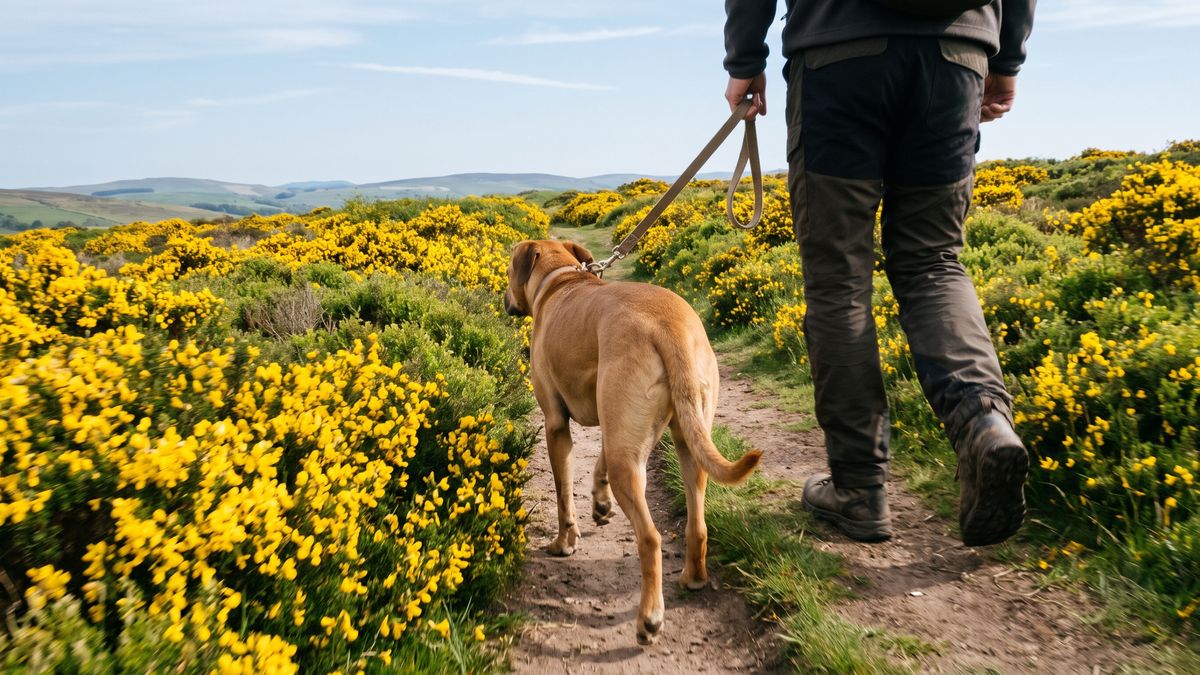
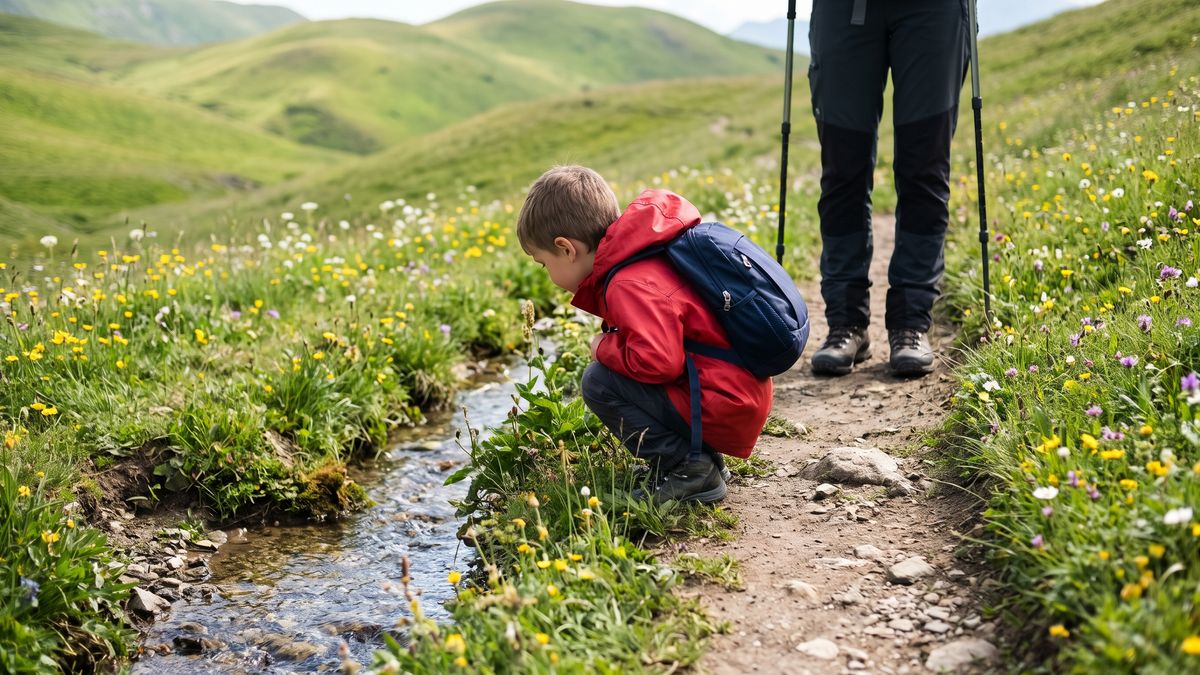
Check before you book that your dog is welcome: the table shows what one club asks, not what every campsite does. For fires, GOV.UK’s guidance for England asks you to know the campsite’s fire safety arrangements and where the nearest telephone is [10]. On a trip to France, our article on campfire rules explains where a fire is allowed there. For outings with children or a dog, see our guide to walking with young children, walking with your dog and ticks.


8Weather and safety: wind, storms, floods, fire, wildlife
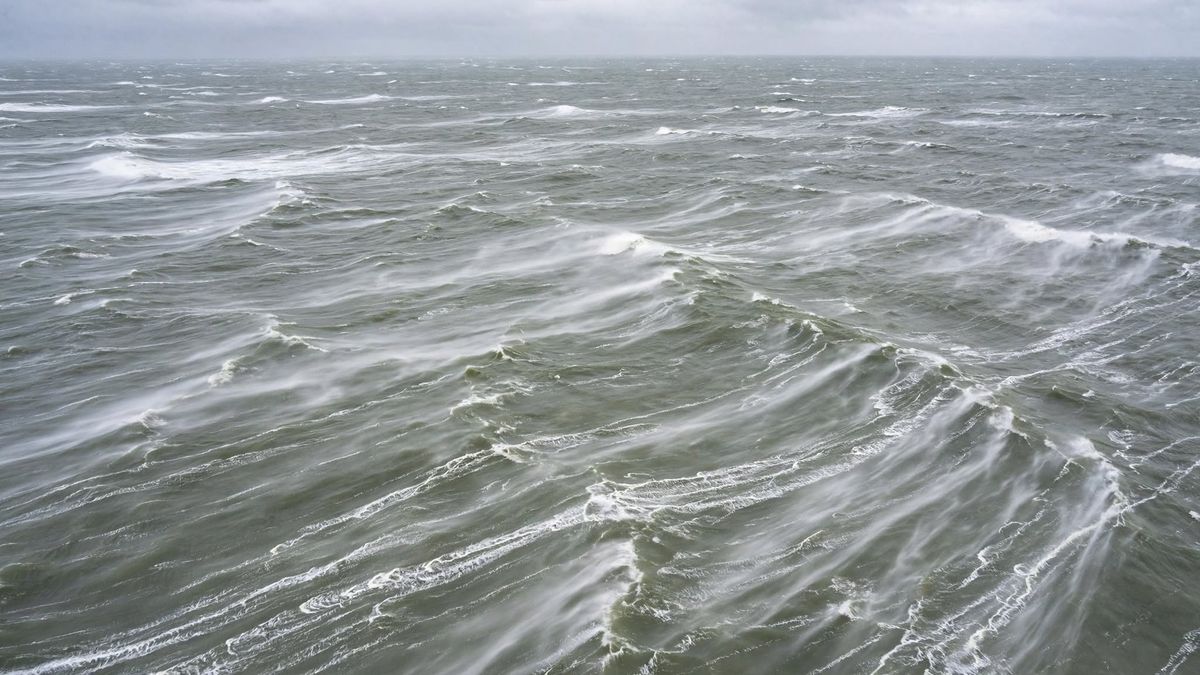
A tent is built for a given wind. The club says that most tents can handle winds of 25 to 30 mph, and that anything stronger can pose a serious risk to the tent’s stability and to your safety [33]. The Met Office says speeds over 30 mph can cause damage [34]. That is a club’s rule of thumb, not a guarantee for your tent: a maker’s wind figure is its own test, as our article on choosing a tent explains. The club’s tips: avoid exposed spots such as beaches, ridges and hilltops; pitch a metre or two behind the car; stay clear of trees, signposts and bins; add guy lines and pegs; and put heavy items in the corners [33]. The Met Office adds that a tent has no aerodynamic qualities until it is fully pitched, so it is best to wait for conditions to improve [34]. If the weather worsens, the club’s advice is to move to a building or, if you are tent camping, to sit in the car, and to leave the campsite if the wind becomes too strong [33].
Campsites can flood. In England, the Environment Agency’s guidance puts responsibility for keeping people safe from flooding on whoever owns or manages a campsite, and says that flood warning signs should tell people what to do and where to go [35]. As a camper, look for those signs and the site map when you arrive, and ask where to go. The page lists a flood check for the next 5 days and flood warnings by phone, text or email, and it links to separate guidance for Scotland, Wales and Northern Ireland [35]. The club’s advice for your pitch is the same as ever: avoid hollows and marshy ground [14].
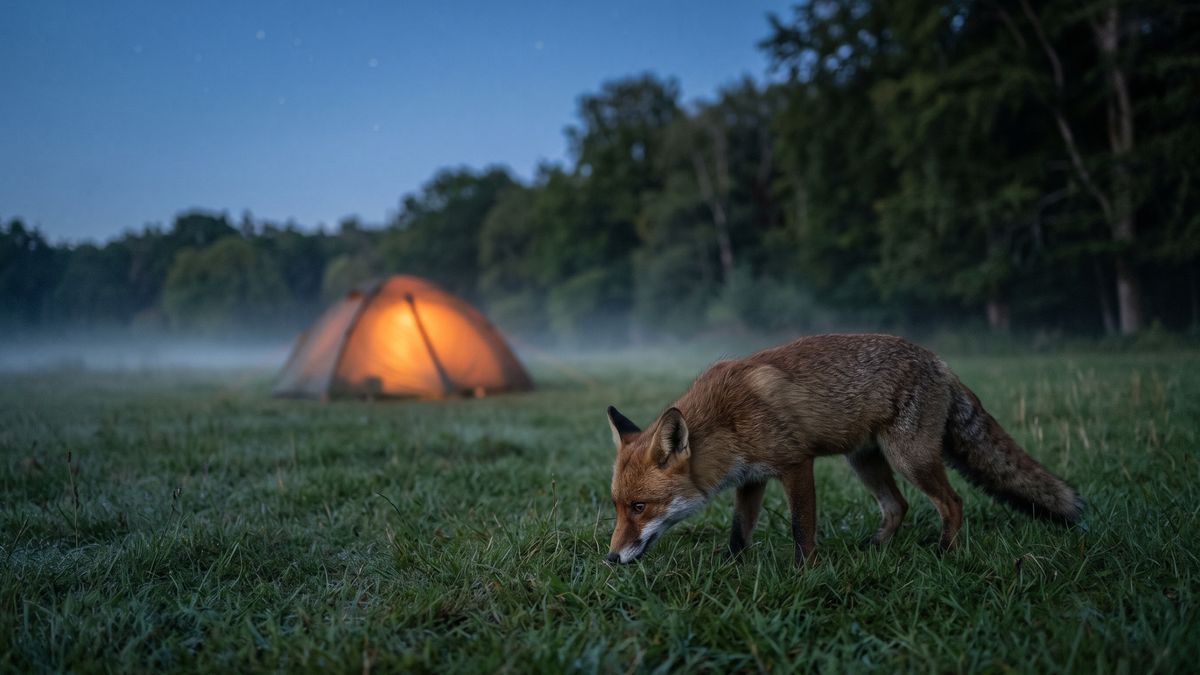
At night, put your food away. The Countryside Code, for England and Wales, says not to feed wild animals, as it can cause them harm, and to take your rubbish and food waste home [37]. The Wildlife Trusts note that a red fox may scavenge in bins for scraps [38]. We read no official British text on where to keep food on a campsite: our article on night-time visitors at a wild camp covers who calls and why.


9Going further: wild camping, campervan, multi-day walks
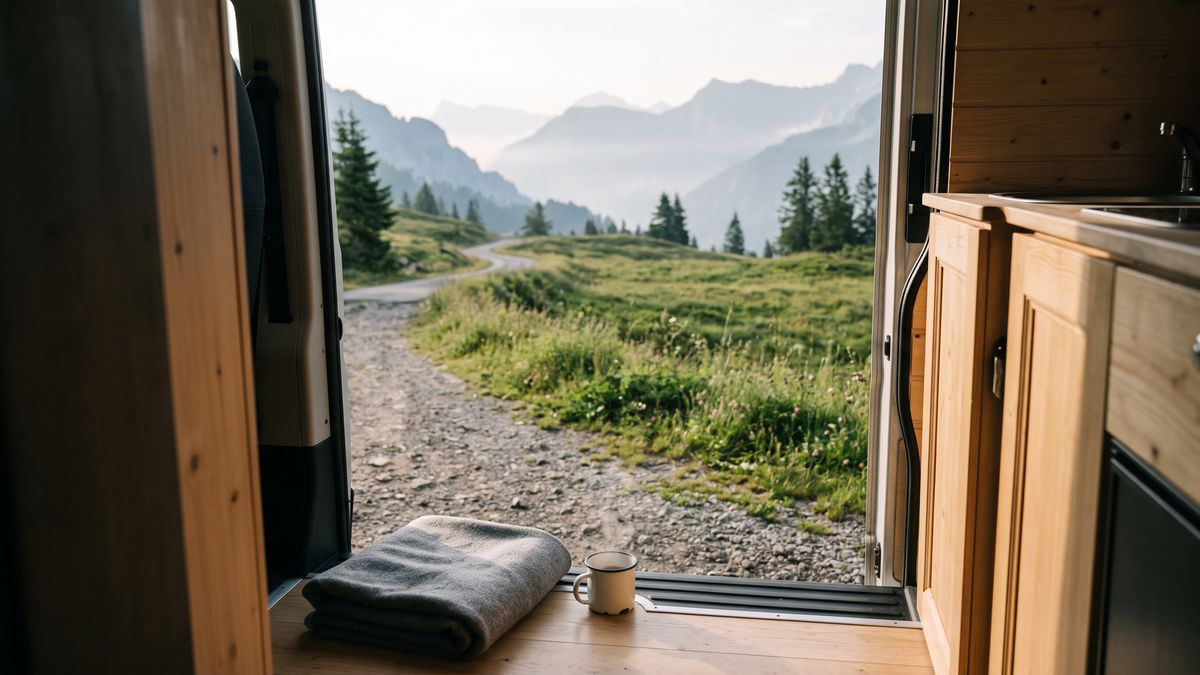
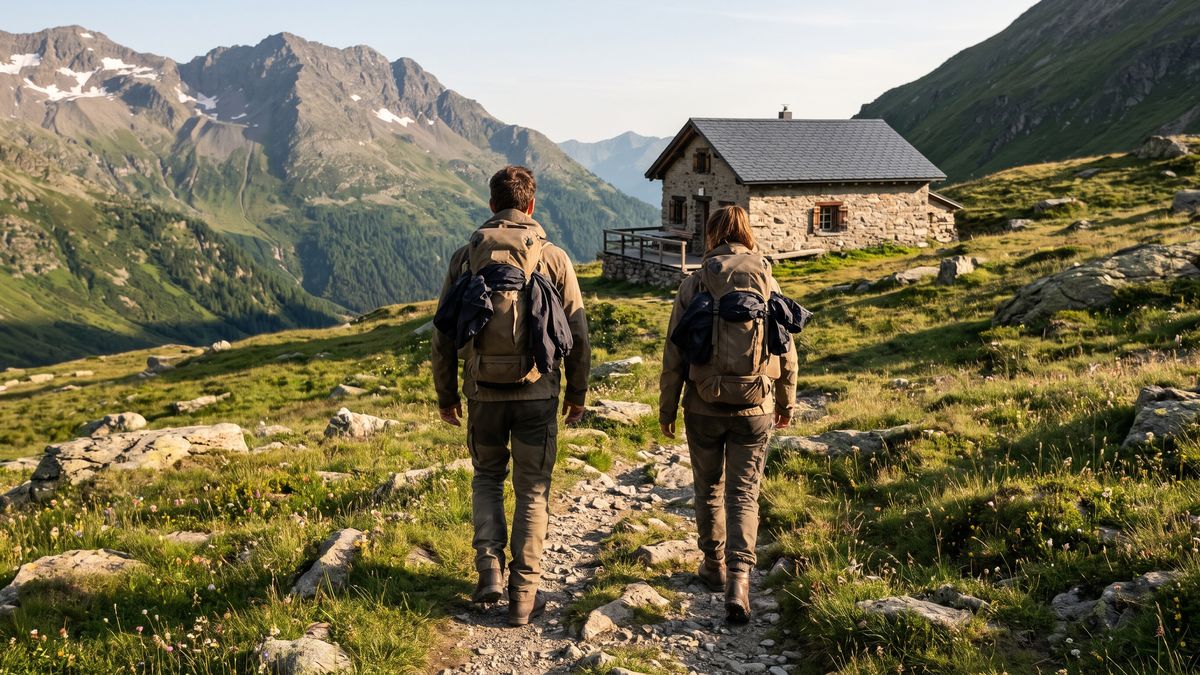
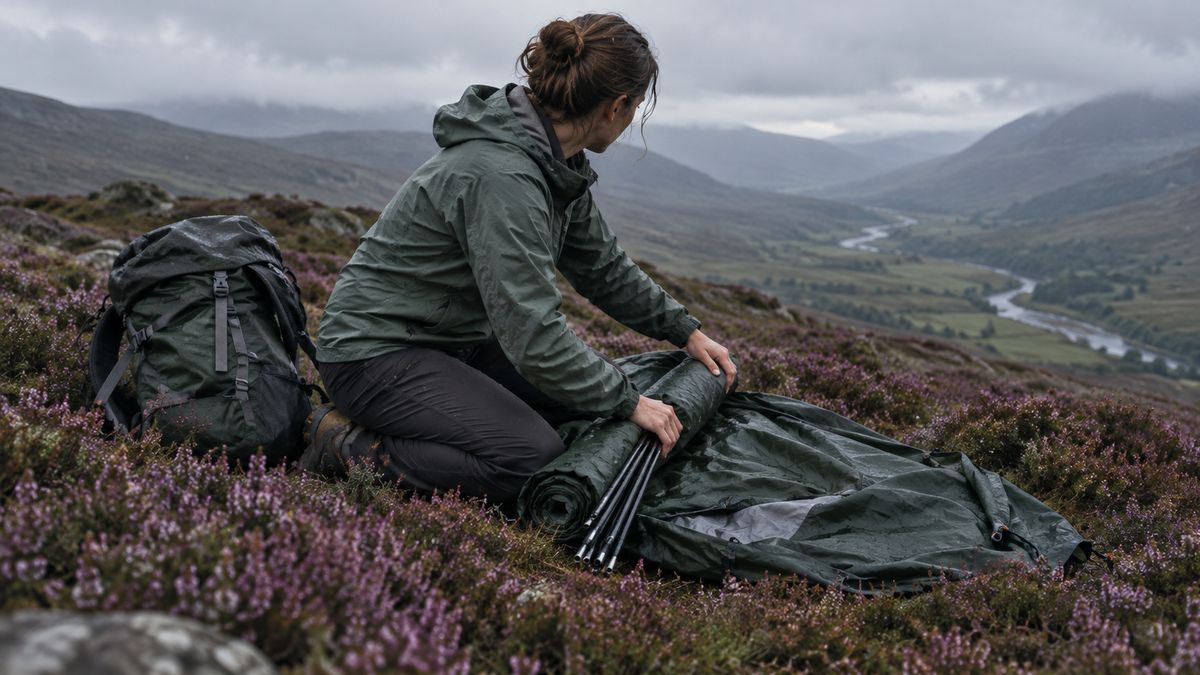
Once you have caught the camping bug, the next step may be a night off the campsite, a motorhome or campervan, or several days on foot. Wild camping follows different rules in each part of the UK, which our guide to wild camping in the UK sets out; further afield, see wild camping in France and in the United States. To sleep under canvas away from a campsite, our guide First wild camp starts from choosing the spot; for a vehicle, First campervan trip covers the paperwork, the weight and the power; for several days on foot, Multi-day walks covers the stages, the rucksack and the meals.


The checklist before you set off
Tick it off the night before, or print it and keep it in the car. A good habit to get into: after the trip, note down what was missing, and next time’s list is already written.
- Campsite chosen, grading and site rules checked; a Certificated Site, not a Certificated Location, if you have a tent on the ground
- Pitch booked; hook-up rating and distance to the toilet block asked; deposit and cancellation terms read
- Dog: the campsite’s agreement obtained before booking
- Tent pitched once at home; pegs, mallet and guy lines counted
- Sleeping mat, sleeping bag chosen by its comfort rating, dry clothes
- Stove and gas checked; never a stove, barbecue or heater to warm the tent; a carbon monoxide alarm considered
- Cool box, ice packs spread through it, drinks apart, raw meat well wrapped
- 25 m hook-up cable, uncoiled fully; hook-up unit for tents with an RCD; head torch or lantern, no candles
- Fire and flood notices read on arrival; the way out of the tent and of the campsite known
- Tent doors away from the wind, not under a tree, not in a hollow
- Food put away for the night; quiet hours kept (11pm to 7am on Club Sites)
- Sunscreen, water, shade between 11am and 3pm; 999 in your head
Kit related to this article
No affiliation: no commission, no sponsored products.
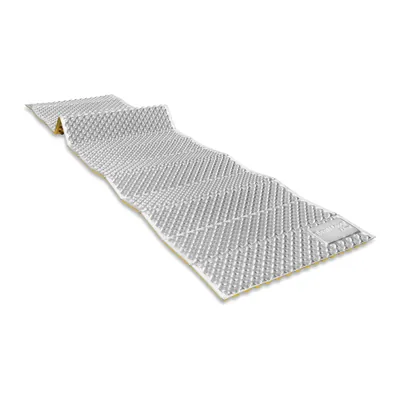
Therm-a-Rest Z Lite Sol
A concertina-fold foam mat rated R 2.0, 410 g in Regular: the bottom layer of the winter pairing, which also shields an inflatable mat from stones.
View on Amazon (opens in a new tab)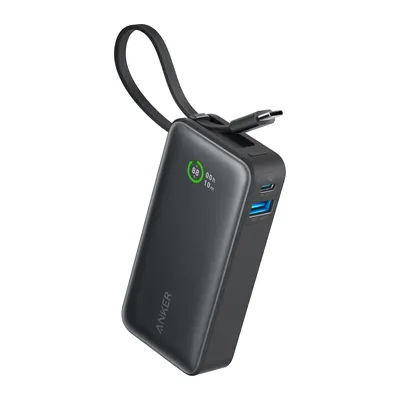
Anker Nano Power Bank 10,000 mAh (A1259)
10,000 mAh power bank with a built-in USB-C cable, one USB-C and one USB-A port, 30 W maximum on USB-C, 215 g. Anker’s page gives neither voltage nor Wh.
View on Amazon (opens in a new tab)
Worth watching
A short video from the magazine team of the Camping and Caravanning Club on what a first camping kit holds. It dates from 2018, so check kit details against this guide.

The video is hosted by YouTube (Google): nothing loads until you play it, and Google may then set cookies.
FAQs
How do I choose a campsite for a first trip?
Start with who takes tents: the Camping and Caravanning Club’s Club Sites and Certificated Sites do, but the Caravan and Motorhome Club’s Certificated Locations do not take ground tents. Check the grading if there is one: VisitEngland gives 3 to 5 stars or ‘Quality Assessed’, Visit Wales 1 to 5 stars. Then ask about the hook-up rating, the distance to the toilet block, flat ground and the site rules.
Can I take a tent to a Certificated Location?
Not a tent on the ground. The Caravan and Motorhome Club says tent camping is not permitted at its Certificated Locations at present, though roof tents, tailgate or hitch tents, trailer tents, campervans, motorhomes and caravans are accepted. For a ground tent, look at the Camping and Caravanning Club’s Certificated Sites: up to 10 tents, members only, from £10 per unit per night.
What deposit and cancellation terms does the Camping and Caravanning Club have?
The minimum deposit is £25, or the whole price if the booking costs less. Members who cancel 29 days or more ahead are refunded in full; from 1 day to under 28 days, the deposit is lost. Non-members get the deposit back at 29 days or more, lose it from 8 to under 28 days, and lose everything paid within 7 days. Your booking confirmation may state its own terms.
Can I use a stove or a barbecue in my tent?
No. The NHS says not to use a barbecue or camping stove inside a tent, and carbon monoxide is colourless and has no smell. GOV.UK’s fire safety guidance for England says never to cook inside a tent, and the Camping and Caravanning Club says never to heat a unit with a cooking device and to use a CO alarm. Cook outside, clear of the fabric.
What cable and hook-up do I need for a tent?
Club hook-ups use a blue BS EN 60309-2 socket at 230 V, rated 10 A or 16 A, and Certificated Sites may give as little as 5 A. The club recommends a 25 m cable, uncoiled fully, and a hook-up unit made for tents, with an RCD. Splitters are banned on Club Sites. Ask for the rating before you book.
Can I bring my dog or light a campfire?
On Camping and Caravanning Club sites, dogs must be on a lead of 2 m at most and are not allowed in the toilet block, and breeds listed under the Dangerous Dogs Act 1991 are not permitted. Campfires are strictly prohibited; portable barbecues are allowed unless stated otherwise, outside and raised off the ground. Other campsites set their own rules: ask before you book.
Sources
- Camping and Caravanning Club, ‘Different Ways To Camp’, accessed 20 November 2026. campingandcaravanningclub.co.uk https://www.campingandcaravanningclub.co.uk/membership/ways-to-camp/ ↩
- Camping and Caravanning Club, ‘Certificated Sites’, accessed 20 November 2026. campingandcaravanningclub.co.uk https://www.campingandcaravanningclub.co.uk/campsites/member-only/certificated-sites/ ↩
- VisitEngland Assessment Services, ‘Join the VisitEngland Caravan and Camping Scheme’, accessed 20 November 2026. visitenglandassessmentservices.com https://visitenglandassessmentservices.com/our-schemes/caravan-camping-parks/ ↩
- Visit Wales, ‘Visit Wales grading scheme information’, accessed 20 November 2026. visitwales.com https://www.visitwales.com/grading-information ↩
- VisitScotland, ‘Quality Assurance’, page on the retired schemes, accessed 20 November 2026. visitscotland.org https://www.visitscotland.org/what-we-do/past-activity/quality-assurance ↩
- Camping and Caravanning Club, ‘Become a Member’ (answer on Digital and Paper Membership last modified 26 October 2026), accessed 20 November 2026. campingandcaravanningclub.co.uk https://www.campingandcaravanningclub.co.uk/membership/ ↩
- Camping and Caravanning Club, ‘General Terms’, © 2026, accessed 20 November 2026. campingandcaravanningclub.co.uk https://www.campingandcaravanningclub.co.uk/policies/general-terms/ ↩
- Caravan and Motorhome Club, ‘Browse 2,000+ Certificated Location sites’, accessed 20 November 2026. caravanclub.co.uk https://www.caravanclub.co.uk/uk-holidays/uk-sites/certificated-locations/ ↩
- Camping and Caravanning Club, ‘Club Site Policies’, © 2026, accessed 20 November 2026. campingandcaravanningclub.co.uk https://www.campingandcaravanningclub.co.uk/policies/uk-camping/club-sites/ ↩
- Home Office, ‘Fire safety outdoors (accessible version)’, GOV.UK, updated 25 May 2022, applies to England, accessed 20 November 2026. gov.uk https://www.gov.uk/government/publications/fire-safety-outdoors/fire-safety-outdoors-accessible-version ↩
- Camping and Caravanning Club, ‘Expert Guide to Campsite Electricity’, accessed 20 November 2026. campingandcaravanningclub.co.uk https://www.campingandcaravanningclub.co.uk/advice/equipment/electricity-campers-caravanners/ ↩
- Camping and Caravanning Club, ‘Expert Guide to Buying a Tent’, updated 1 October 2026, accessed 20 November 2026. campingandcaravanningclub.co.uk https://www.campingandcaravanningclub.co.uk/advice/equipment/tent-buying-guide/ ↩
- PiNCAMP, magazine of the ADAC group, ‘Familienzelte im Visier: Worauf du beim Kauf achten solltest’, written with IMTEST (in German), accessed 20 November 2026. pincamp.de https://www.pincamp.de/magazin/ratgeber/zubehoer/familienzelte ↩
- Camping and Caravanning Club, ‘How to Pitch a Tent’, updated 1 October 2026, accessed 20 November 2026. campingandcaravanningclub.co.uk https://www.campingandcaravanningclub.co.uk/advice/camping-tips/pitching-your-tent/ ↩
- Camping and Caravanning Club, ‘Roof Tents: Buyers Guide 2026’, updated 1 October 2026, accessed 20 November 2026. campingandcaravanningclub.co.uk https://www.campingandcaravanningclub.co.uk/advice/equipment/best-rooftop-tents/ ↩
- Thule, ‘Thule Rooftop Tent Guidelines’ (PDF), accessed 20 November 2026. thule.com https://www.thule.com/-/s/approved/std.lang.all/02/00/670200.pdf?rev=9.2 ↩
- Thule, ‘Will a rooftop tent fit my car?’, accessed 20 November 2026. thule.com https://www.thule.com/en-us/articles/guides/how-do-rooftop-tents-work-a-complete-guide/how-do-you-know-if-a-rooftop-tent-fits-your-vehicle ↩
- ADAC, ‘Dachlast: Was es beim Transport auf dem Dach zu beachten gibt’, 29 July 2026 (in German), accessed 20 November 2026. adac.de https://www.adac.de/rund-ums-fahrzeug/ausstattung-technik-zubehoer/ladungssicherung/dachlast/ ↩
- ADAC, ‘Camping: So klappt es mit dem Dachzelt’, 26 March 2026 (in German), accessed 20 November 2026. adac.de https://www.adac.de/news/camping-so-klappt-es-mit-dachzelt/ ↩
- ADAC, roof tent test carried out in 2022 (page of 22 February 2024) (in German), accessed 20 November 2026. adac.de https://www.adac.de/reise-freizeit/ratgeber/tests/dachzelte/ ↩
- Driver and Vehicle Standards Agency, ‘Securing loads on HGVs and goods vehicles: 5. How to load different HGVs, light goods vehicles, small vans and cars’, GOV.UK, updated 24 September 2026, accessed 20 November 2026. gov.uk https://www.gov.uk/guidance/securing-loads-on-hgvs-and-goods-vehicles/5-how-to-load-different-hgvs-light-goods-vehicles-small-vans-and-cars ↩
- Thule, ‘Thule Foothill: Instructions’ (PDF), ref. 5560444001, accessed 20 November 2026. thule.com https://www.thule.com/-/s/approved/std.lang.all/61/56/886156.pdf ↩
- Camping and Caravanning Club, ‘25+ Winter Camping Tips to Keep You Warm All Year Round’, accessed 20 November 2026. campingandcaravanningclub.co.uk https://www.campingandcaravanningclub.co.uk/advice/camping-tips/winter-camping/ ↩
- Exped, ‘FAQs’, accessed 20 November 2026. exped.com https://www.exped.com/en/faqs ↩
- NHS, ‘Carbon monoxide poisoning’, page last reviewed 16 December 2025, accessed 20 November 2026. nhs.uk https://www.nhs.uk/conditions/carbon-monoxide-poisoning/ ↩
- Camping and Caravanning Club, ‘Expert Guide to Gas for Tent Campers’, accessed 20 November 2026. campingandcaravanningclub.co.uk https://www.campingandcaravanningclub.co.uk/advice/equipment/gas-for-tent-campers/ ↩
- Campingaz, instructions for the Bivouac stove, ref. 4010057703 (multilingual PDF, English section), accessed 20 November 2026. campingaz.com https://www.campingaz.com/trade/images/SpareParts/01ad513b-3784-4fc5-9430-1d51b5db5b6b/4010057703.pdf ↩
- Food Standards Agency, ‘How to chill, freeze and defrost food safely’, GOV.UK, published 18 December 2017, applies to England, Northern Ireland and Wales, accessed 20 November 2026. gov.uk https://www.gov.uk/government/publications/how-to-chill-freeze-and-defrost-food-safely/how-to-chill-freeze-and-defrost-food-safely ↩
- Food Standards Agency, ‘Keeping food safe on a picnic’, GOV.UK, published 11 January 2018, applies to England, Northern Ireland and Wales, accessed 20 November 2026. gov.uk https://www.gov.uk/government/publications/keeping-food-safe-on-a-picnic/keeping-food-safe-on-a-picnic ↩
- Food and Drug Administration (FDA, United States), ‘Handling Food Safely While Eating Outdoors’, accessed 20 November 2026. fda.gov https://www.fda.gov/food/buy-store-serve-safe-food/handling-food-safely-while-eating-outdoors ↩
- PiNCAMP, magazine of the ADAC group, ‘Camping Kühlbox: Modelle im Vergleich’ (in German), accessed 20 November 2026. pincamp.de https://www.pincamp.de/magazin/ratgeber/zubehoer/richtige-camping-kuehlbox-finden ↩
- Camping and Caravanning Club, ‘Certificated Sites Policies’, © 2026, accessed 20 November 2026. campingandcaravanningclub.co.uk https://www.campingandcaravanningclub.co.uk/policies/uk-camping/certificated-sites/ ↩
- Camping and Caravanning Club, ‘Camping in Strong Winds’, updated 1 October 2026 (answer on wind speed last modified 17 November 2025), accessed 20 November 2026. campingandcaravanningclub.co.uk https://www.campingandcaravanningclub.co.uk/advice/camping-tips/camping-in-wind/ ↩
- Met Office, ‘Tips for camping in wet and windy weather’, accessed 20 November 2026. weather.metoffice.gov.uk https://weather.metoffice.gov.uk/warnings-and-advice/seasonal-advice/travel/out-and-about/camping-in-wind-and-rain ↩
- Environment Agency, ‘Managing flood risk for campsite and caravan park owners’, GOV.UK, last updated 18 September 2023, applies to England, accessed 20 November 2026. gov.uk https://www.gov.uk/guidance/camping-and-caravan-sites-minimise-your-flood-risk ↩
- UK Health Security Agency, ‘How to keep cool and stay well during hot weather’, 23 June 2026, accessed 20 November 2026. ukhsa.blog.gov.uk https://ukhsa.blog.gov.uk/2026/06/23/how-to-keep-cool-and-stay-well-during-hot-weather/ ↩
- Natural England and Natural Resources Wales, ‘The Countryside Code: advice for countryside visitors’, GOV.UK, updated 26 May 2023, accessed 20 November 2026. gov.uk https://www.gov.uk/government/publications/the-countryside-code/the-countryside-code-advice-for-countryside-visitors ↩
- The Wildlife Trusts, ‘Red fox’, accessed 20 November 2026. wildlifetrusts.org https://www.wildlifetrusts.org/wildlife-explorer/mammals/red-fox ↩

Camping, wild camping, bushcraft and hiking
Guillaume Hoarau writes for Outfarer about camping, wild camping, bushcraft and hiking. A survival-skills enthusiast and a collector of old field manuals, he likes clear explanations, lists that earn their place and other people’s stories, which he tells well.
 Julien de Jurquet