 Français (France)
 English (UK)
 English (US)
 Deutsch (Deutschland)

Contents
A first car camping trip is mostly decided before you leave the driveway. You need a campground, a site, a booking, a tent you’ve already pitched once, and a plan for the night, the cooler, and the weather. At a developed campground, the setup is the easy part. The National Park Service (NPS) says a frontcountry site, meaning one you drive to, usually comes with a parking space, a fire ring or grill, and a picnic table [1]. The rest is what you bring and what you decide.
This guide is for anyone who has never camped, or is coming back to it: in a tent, usually next to the car, often with kids or a dog, sometimes in a rooftop tent. Backcountry and dispersed camping follow other rules, covered in step 9. The guide runs in nine steps: choosing a campground and a site, reserving, the tent, sleeping, cooking and keeping food cold, power, life at the campground, weather and safety, and what comes next. Fees, booking windows, and rules are the ones the agencies’ pages listed in November 2026.
| When | What to do |
|---|---|
| Weeks or months ahead | Pick a campground and a site that allows tents; read its booking window, fees, and rules; reserve; check its pet rules and hookups |
| A few days out | Set up the tent at home; test the stove and lantern; chill and pack the cooler; check the forecast; leave your plans with someone who isn’t coming |
| On arrival | Arrive by check-in time; ask the host or a ranger about alerts and fire rules; walk the site and pick spots for the tent, the kitchen, and the table; pitch before dark |
| At camp | Cook outside; store food the way the campground requires; keep quiet hours; never heat the tent with a stove, grill, or heater |
| At check-out | Pack up before check-out time, leave the site cleaner than you found it, and let the tent dry before you store it |
A summary of this guide: each point is explained, with its source, in the matching step.
1Choose a campground and a site
Where you camp decides who runs the campground, where you book, and which rules apply. Federal land comes first: national parks, national forests, and areas run by the Bureau of Land Management, or BLM. Recreation.gov, the federal reservation site, works with 12 federal partners, from the National Park Service to the Forest Service and the BLM [2]. State parks run their own systems: California alone lists about 13,000 campsites on ReserveCalifornia [3]. Private campgrounds fill in the rest, like KOA, which counts more than 500 campgrounds across North America, in three formats called Journey, Holiday, and Resort [4].
| Kind | What it is | How you book |
|---|---|---|
| Federal campgrounds | National parks, national forests, BLM land, and other federal areas | Recreation.gov for reservable sites; some sites are first-come, first-served |
| State parks | Run by each state, with its own fees and rules | The state’s own system, such as ReserveCalifornia |
| Private campgrounds | Businesses and chains, such as KOA, with 500+ campgrounds across North America | Through the campground or the chain |
| Dispersed camping | Camping on public lands away from developed facilities, as the BLM defines it | Most BLM areas don’t require a permit or reservation |
Sources: Recreation.gov, the National Park Service, California State Parks, KOA, and the BLM. [1, 5]
Don’t count on stars. None of the federal or state sources we read describes a national star rating for U.S. campgrounds. What you get is a listing for each campground, with its amenities, the equipment each site allows, and its rules: Recreation.gov asks you to review site details, allowable equipment, and provided amenities before you book [6], and the National Park Service says to find out ahead of time about water, campfires, showers, food storage, and reservations [1].
Then pick the site. Sites in the same campground differ. At Shenandoah National Park, in Virginia, some are suited for tents only and others take larger vehicles like RVs, so pay attention to how each site is marked when you book [7]. The NPS also lists what makes one site better than another: close to the bathroom or shower house is convenient, and farther away is quieter and darker. Then ask whether you need to park an RV or have electrical hookups [1].
Before you book, check three things on the campground’s page: that the site allows tents, which hookups and amenities come with it, and how far it sits from the restroom. Recreation.gov says to look for a picnic table and to pack a chair for each person [6]. Flat-ground and tent advice is in step 3, and power is in step 6.
Camping in Europe? Some countries rate campgrounds with stars. France’s classification is voluntary, runs from 1 to 5 stars, and is valid for five years (in French) [8]. In Germany, an auditor visits the campground and awards 1 to 5 stars, valid for three years (in German) [9].

2Reserve your site
Book early, because the good sites go first. On Recreation.gov, most campsites can be booked six months before your arrival date, and some popular campgrounds can book up in minutes. Each campground’s page lists its own window and its on-sale time on the Seasons and Fees tab; most go on sale at 7 a.m. PT, 8 a.m. MT, or 10 a.m. ET, but not always [10]. Once a site is in your cart, it stays locked for 15 minutes [10]. Can’t get your dates? Recreation.gov suggests skipping Friday and Saturday nights and setting an availability alert for booked sites [10].
| System | When sites open | Booking fee |
|---|---|---|
| Recreation.gov (standard policy) | Most campsites six months ahead; some places have shorter windows | $8 online, not refundable; $10 withheld from any cancellation refund |
| Shenandoah National Park (Virginia) | 50% of reservable sites six months ahead, 25% two weeks ahead, and the last 25% four days ahead | Booked on Recreation.gov |
| California state parks (ReserveCalifornia) | A rolling window: each day, the date six months out opens at 8 a.m. Pacific | $8.25, not refundable |
Recreation.gov’s site-wide policies give way to the policies listed for a specific campground [11]. Shenandoah’s page, updated October 29, 2026, said that reservations for early 2027 were unavailable while campground operations move to a new concessioner, with a reopening expected in early January [7]. California’s fee is the one posted for camping reservations since August 1, 2024 [3].
Plans change, and the fees show it. Recreation.gov withholds $10 from the refund of any cancellation, and if you cancel the day before or the day of arrival, you also lose the first night’s fee. A no-show pays a $20 service fee and forfeits the first night [11]. So cancel early if you can’t go: it frees the site for someone else [6].
Walk-up sites exist, but they aren’t guaranteed, and Recreation.gov warns that many locations that used to be first-come, first-served may now require advance reservations [6, 10]. Shenandoah keeps some first-come, first-served sites, but in the fall the park says its campgrounds generally fill on Thursdays or early Fridays for the weekend [7]. For a first trip, book.
Read the campground’s rules before you pay. At Lake Perris State Recreation Area, in California, a site can hold three vehicles, but a reservation covers only one; extra vehicles pay use fees on arrival [12]. Check-in time is on your reservation, and Recreation.gov suggests arriving right at check-in so you aren’t pitching the tent by headlamp [6]. Most national parks also require an entrance pass on top of the site fee [1]: our guide to national park reservations and fees has the details.

3The tent: family or rooftop
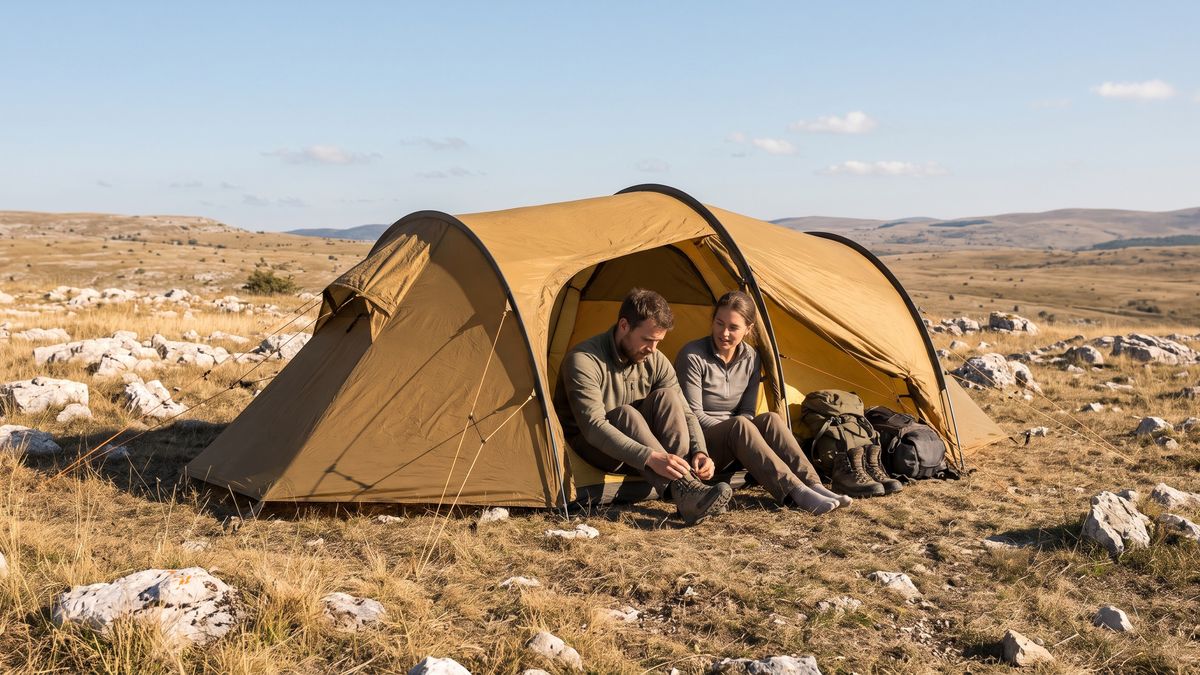
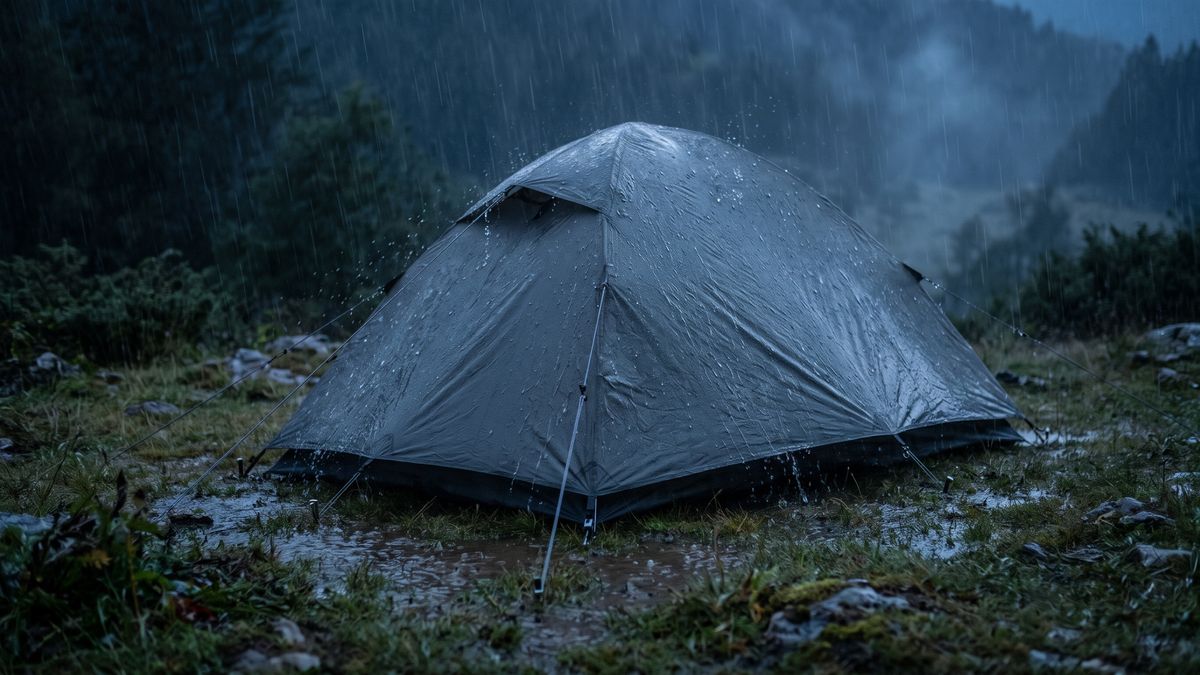
A tent’s “number of people” counts sleepers, not floor space. The National Park Service puts it plainly: a two-person tent has room for two people to sleep, not two people and all their gear or pets [13]. The UK’s Camping and Caravanning Club says the same thing another way: berths describe the maximum number of sleepers, and the space each person gets varies a lot [14]. PiNCAMP, the camping magazine of Germany’s automobile club, ADAC, gives benchmarks for family tents. Count on at least 24 in (60 cm) of sleeping width per person, and a standing height of at least 5 ft 7 in (1.70 m) for the tallest person. For a family, it recommends one or two separate sleeping cabins, and preferably one size up from what you think you need [15].
| What you read | The benchmark |
|---|---|
| Sleeping width | At least 24 in (60 cm) per person (PiNCAMP) |
| Standing height | At least 5 ft 7 in (1.70 m) for the tallest person; many family tents reach about 5 ft 11 in (180 cm) (PiNCAMP) |
| Packed weight | Usually 22 to 44 lb (10 to 20 kg), and over 110 lb (50 kg) for the biggest family tents (PiNCAMP); a polycotton inflatable can top 132 lb (60 kg) (UK club) |
| Waterproof rating | PiNCAMP recommends 3,000 mm for the roof and walls and 5,000 mm for the floor; the German DIN standard already calls a tent waterproof at 1,300 mm |
| Floor | A sewn-in groundsheet keeps drafts and insects out, but needs good ventilation (UK club) |
Sources: PiNCAMP (written with IMTEST) and the Camping and Caravanning Club. Waterproof benchmarks differ from brand to brand: see our guide to waterproof ratings. [14, 15]
Our guide to waterproof ratings compares those benchmarks, and the one on choosing a tent covers ISO 5912, the standard behind sleeping-capacity claims. Before you leave, practice. A missing pole is cheaper to find in your driveway than at dusk in a campground. Recreation.gov recommends a few trial runs at home [6], and the NPS says to practice at home so you’re a pro when you get to the campground [1]. PiNCAMP adds that nothing should be forced: that’s how the first rip happens, before the trip even starts [16].
The rooftop tent unfolds on the car. The UK club lists its drawbacks: you fold it down every time you want to use the vehicle, you climb a ladder, and lifting it onto the roof can take a few strong people [18].
A car roof has two weight limits: the dynamic one while you drive, and the static one when you’re parked with people inside. The vehicle’s handbook should say whether the car can take the tent you’ve chosen [18]. Thule, which makes roof racks and rooftop tents, tells you to check your vehicle’s instruction manual or ask a dealer. The limit to check is the dynamic one, it says, and static capacity can exceed it: as a guideline, 3 times the dynamic capacity for its roof racks [19]. Another Thule page says that once the dynamic load is respected, the static load is rarely a limiting factor [20]. Germany’s ADAC is more cautious: two people can generally sleep in a rooftop tent, but vehicle makers rarely publish a maximum, and the owner bears the risk of damage [21]. Its test of rooftop tents found that all but one weighed more than 110 lb (50 kg). The exception was a 57 lb (26 kg) inflatable. Testers advise lifting with two people, or better four [22].
| Subject | What the sources say |
|---|---|
| Dynamic roof load, while driving | Most vehicles in Germany list 165 lb (75 kg), and vans like the Mercedes Sprinter or VW Crafter 661 lb (300 kg) (ADAC); read your own vehicle’s manual |
| Static load, when parked | Can exceed the dynamic load, but makers rarely publish a number (ADAC, Thule) |
| Weight of the tent | More than 110 lb (50 kg) for all but one inflatable, at 57 lb (26 kg), in the 2022 ADAC test |
| Roof bars | The part with the lowest capacity sets the limit for the whole rack (Thule); Thule’s Foothill instructions list a minimum dynamic capacity of 165 lb (75 kg) and warn against Clamp or Edge-style racks |
| Lifting it onto the roof | Two people, or better four (ADAC) |
| At the wheel | Longer braking distance, more sensitivity to crosswinds, and higher fuel or power use (ADAC) |
Sources: ADAC (article of July 29, 2026, and 2022 test) and Thule. The test’s 2022 prices are out of date and aren’t repeated here. [21, 23]
In the U.S., the sources we read include no federal or state text on rooftop-tent loads: the manuals are the rulebook, meaning the vehicle’s, the rack’s, and the tent’s [19]. Rack makers often give a recommended top speed, and the ADAC says to respect it [21]. Our guide to camper van payload shows where to read a vehicle’s weight limits.


4Sleeping well: the ground, the bag, the cold
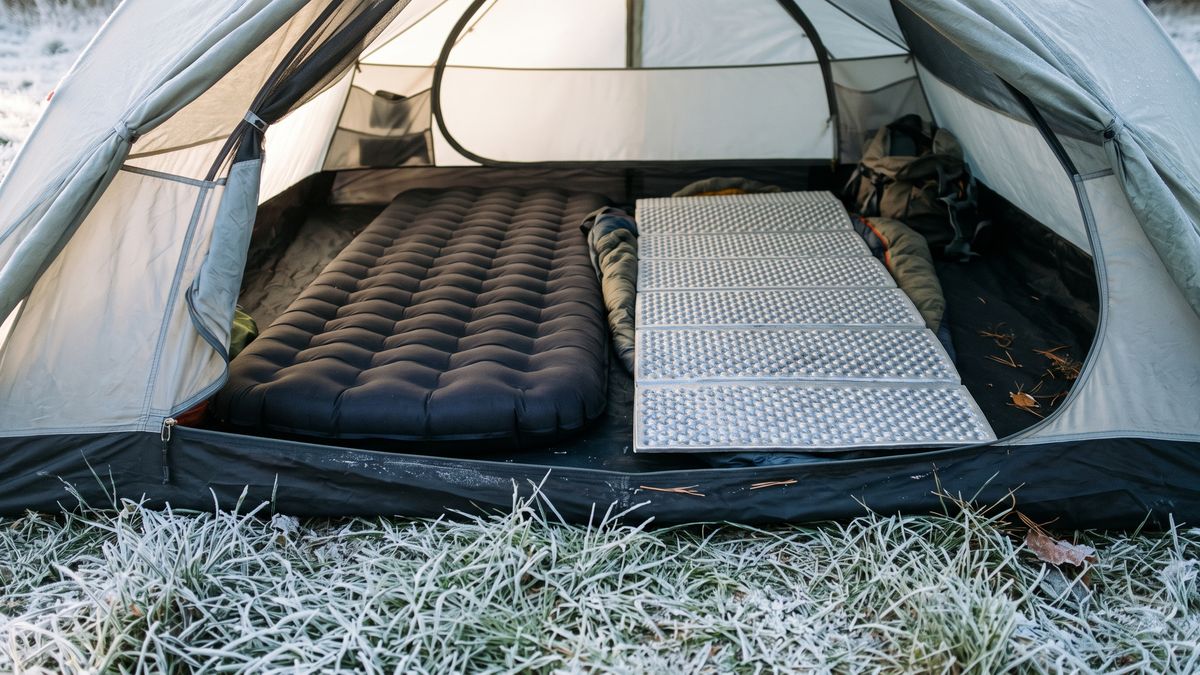
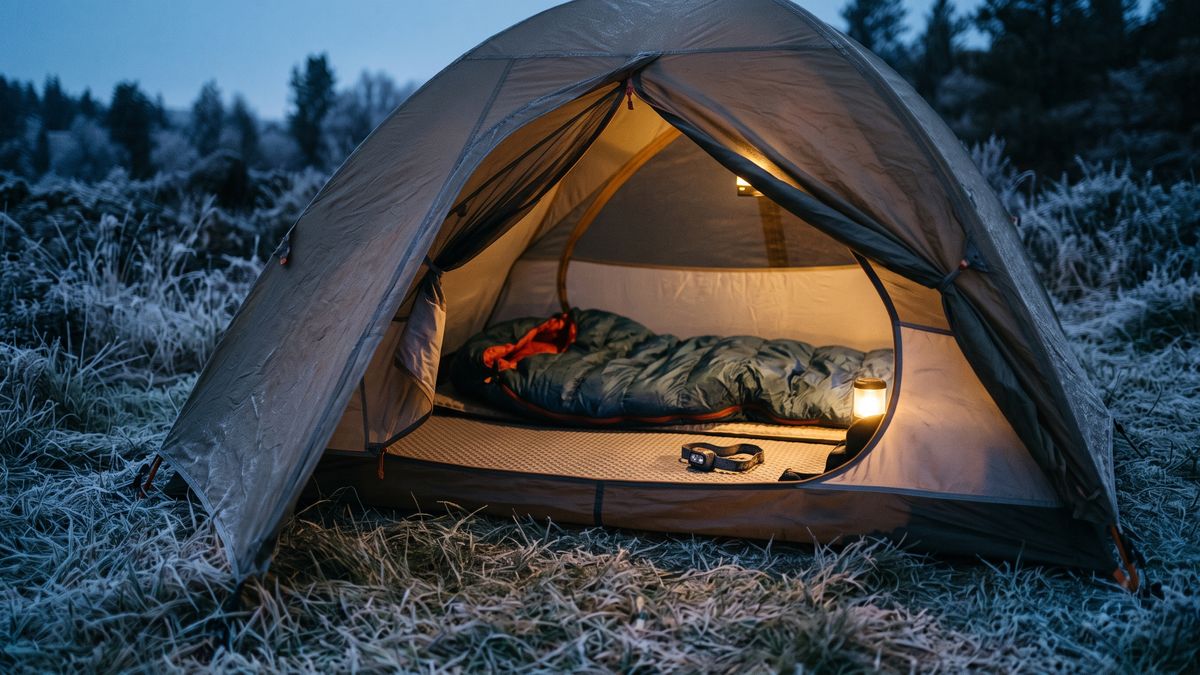
The cold comes up from the ground. The NPS puts a pad under the sleeping bag for cushion, but mainly to keep moisture from building up beneath you, which would rob your body of heat [13]. Foam pads are cheapest but bulky, air mattresses are more comfortable but need a pump, and foam-and-air hybrids offer the best of both worlds [13]. In winter, the UK club says to double up on camping mats or buy a winter pad [24]. Our guide to R-values gives the benchmarks. Exped, a sleeping-gear brand, recommends an R-value of at least 6.5 for its sleeping bags to deliver the warmth they’re rated for [25]: that’s one brand’s recommendation, not a standard.
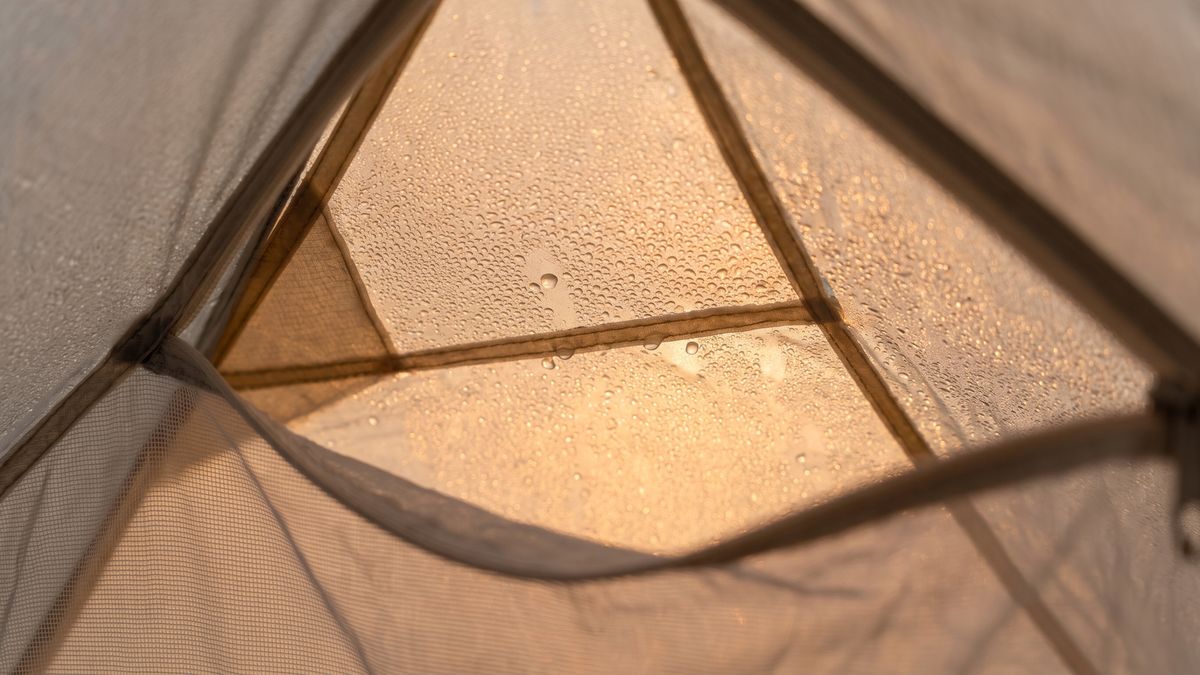
For the bag, the standard’s three temperatures, comfort, limit, and extreme, are explained in our guide to sleeping bag ratings: at a campground, look at the comfort rating first. The NPS says to use a bag that matches the temperature and weather of your location and the time of year [13]. The UK club adds two habits: skip tight clothing, which reduces circulation and chills you fast, and stay dry, which a ventilated tent helps with by cutting condensation [24] (see our condensation guide). The simplest tip is the NPS’s: change into dry clothes before bed, and don’t burrow into your bag, because breathing inside it adds moisture that leaves you colder [13].


5Cooking and keeping food cold
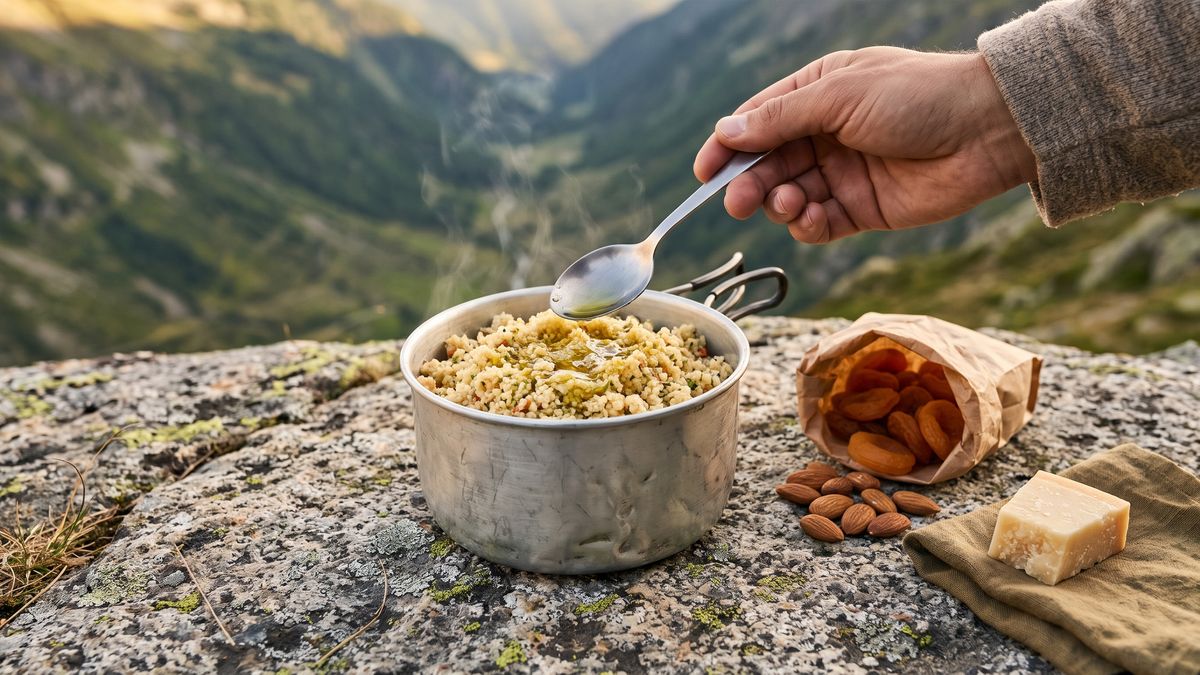
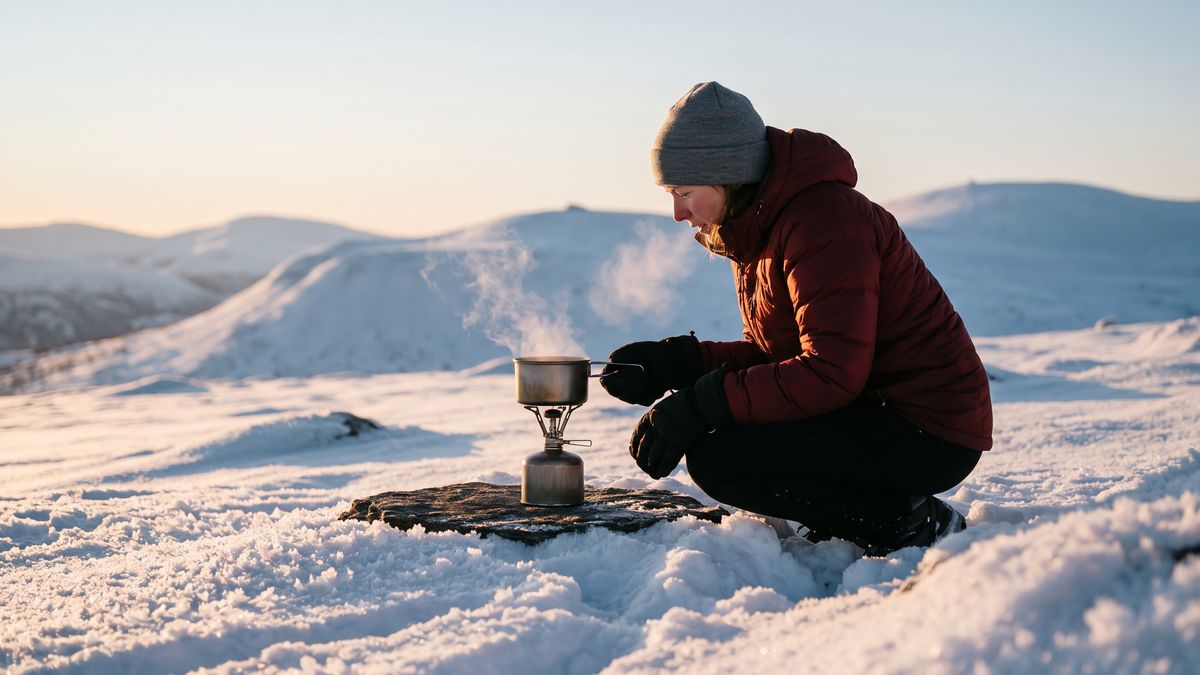
Cook outside. At a developed campground, the NPS says cooking happens at the picnic table and the fire ring or grate, so set the area up with room to work [29]. Keep the tent, the kitchen, and the eating area a safe distance apart: sparks can burn holes in a tent, and stakes and lines become tripping hazards near busy spots [1]. The UK’s Camping and Caravanning Club goes further. Cooking in a tent isn’t advisable unless a ventilated cooking area is built for it. Modern synthetic tent fabrics are far more sensitive to heat than cotton canvas, and under an awning the appliance has to stay well away from the fabric. Change a cartridge in the open air, never near a flame [30].
For canisters and stoves, see our guide to stove canisters. The club says liquid butane is hard to turn into gas below about 39 °F (4 °C) [30], while our guide gives MSR’s figure of about 32 °F (0 °C): either way, leave yourself a margin. And if the stove is new, the NPS says to try it before the trip, in case it’s hard to start or has a broken part [29].
Keeping food cold takes more method than gear. The U.S. Food and Drug Administration (FDA) sets two numbers. Keep cold food at 40 °F (4 °C) or below, in a cooler with ice or frozen gel packs [31]. And never let picnic food sit in the “Danger Zone” between 40 °F and 140 °F (4 °C to 60 °C) for more than 2 hours, or 1 hour when it’s above 90 °F (32 °C) outside [31]. The NPS adds a plan: eat the foods that must stay cold, like meat and cheese, first, so you don’t have to buy more ice [29]. The table has the cooler moves, with the UK’s Food Standards Agency for what the FDA doesn’t say.
| Move | Source |
|---|---|
| Pack cold food with ice or frozen gel packs; meat, poultry, and seafood can go in still frozen | FDA |
| Use one cooler for drinks and another for perishable food, and open the first one, not the second | FDA, Food Standards Agency (UK) |
| Spread ice packs throughout the cooler, not just at the bottom | Food Standards Agency |
| Keep it in the shade, out of direct sun | Food Standards Agency |
| Keep raw meat, poultry, and seafood securely wrapped | FDA |
| Don’t leave cold food out more than 2 hours between 40 °F (4 °C) and 140 °F (60 °C), or 1 hour above 90 °F (32 °C) | FDA |
| After 4 hours at 46 °F (8 °C) or above, the risk from bacteria goes up; in very hot weather, 2 hours | Food Standards Agency |
Neither agency gives a target temperature for the cooler itself, how long a cooler stays cold, or how many ice packs to use. The metric equivalents of the FDA’s temperatures are our conversions. [31, 32]
Do you need an electric cooler? PiNCAMP’s guide, which doesn’t cite any test, says a passive cooler suits the drive better than a whole vacation. A thermoelectric one can cool up to 54 °F (30 °C) below the outside temperature, and a compressor model can reach about 0 °F (-18 °C), as long as an outlet is nearby [33]. Our guide to backpacking food helps with quantities, and the one on water with water that isn’t treated. At a campground, ask: the NPS says to find out whether potable water is available [1], and filling a water jug is one of the first jobs on arrival [13].


6Power and lighting
Campground power is counted in amps, and the number is listed site by site. At Fort Richardson State Park, in Texas, the electric sites are listed at 20/30/50 amps or 20/30 amps, with “Tents and RVs allowed,” for $20 to $25 a night plus the daily entrance fee [34]. At Lake Perris, in California, most hookup sites have 30 amps, a few have 50, and tents are allowed in every hookup site [12].
| Park | What the listing says | Tents? |
|---|---|---|
| Fort Richardson State Park (Texas) | Sites with 20/30/50-amp or 20/30-amp electricity, some with water and sewer hookups; $20 to $25 a night plus the entrance fee | Listed as “Tents and RVs allowed” |
| Lake Perris State Recreation Area (California) | Most hookup sites have 30 amps, a few have 50; an adapter is needed if an RV doesn’t run on 50 amps | Allowed in every hookup site |
Two examples, not a national rule: every campground lists its own hookups. Sources: Texas Parks and Wildlife Department and California State Parks. [12, 34]
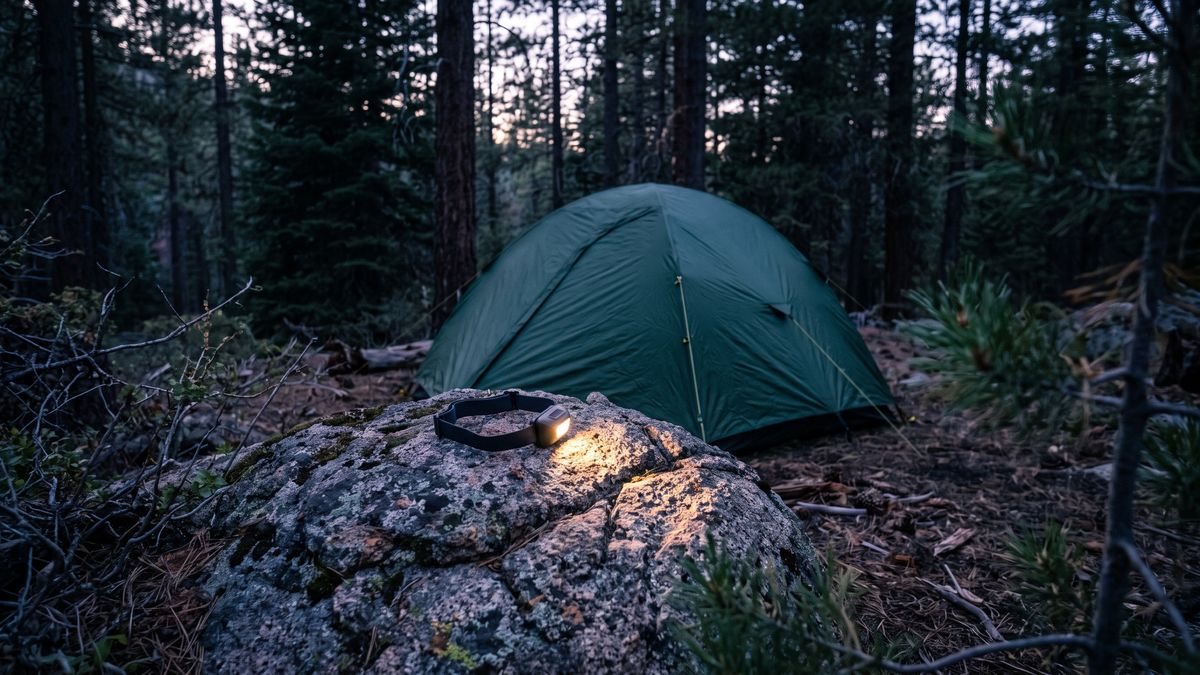
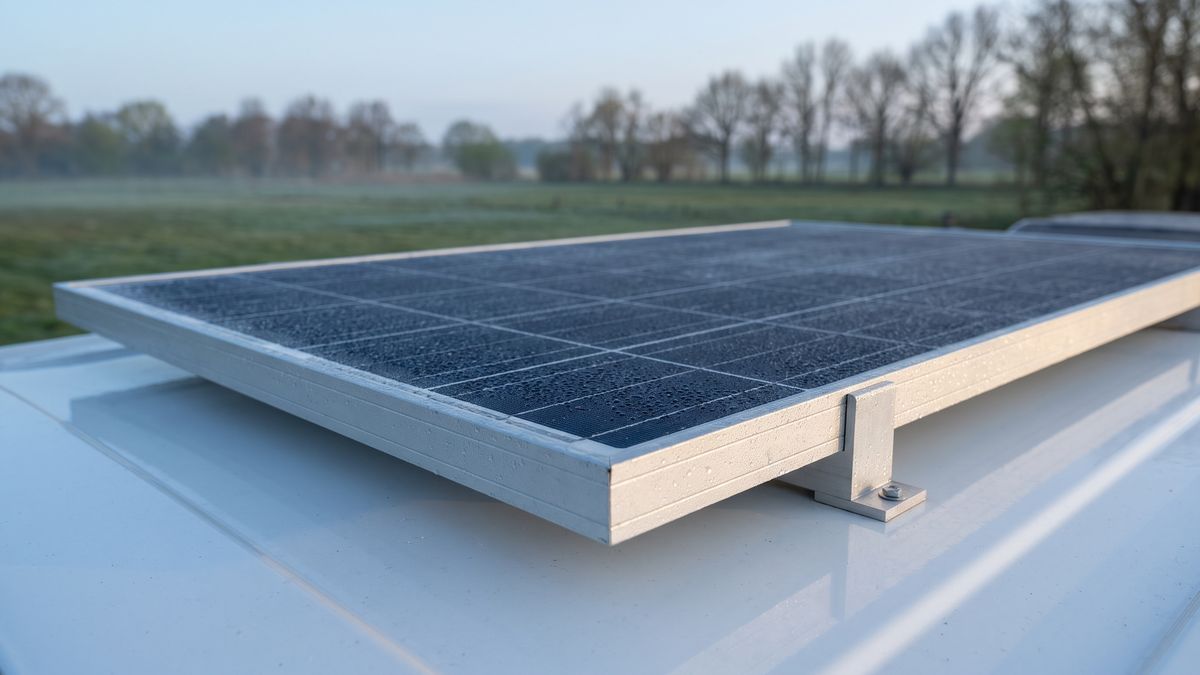
For light, a headlamp or a lantern is usually enough: our headlamp guide explains how to read lumens and runtime. For solar, our camper van solar guide gives the benchmarks.
Camping in Europe? Expect different plugs and less power. The UK club says supplies in mainland Europe generally aren’t built to cover all your energy needs, the way the 16 A on UK sites is. Many continental sites still have old two-pin hookups, and shared hookup posts are often more than 82 ft (25 m) from the sites, so the club advises a 25 m cable plus a second one [35]. On the club’s own sites, hookups top out at 10 or 16 amps at 230 volts, which is 2.3 or 3.68 kW [35]. Whatever the cable, unroll it fully so it doesn’t overheat on the reel [35].


7Campground life: rules, neighbors, kids, dogs
Campground life runs on posted rules, and they change from place to place. Recreation.gov asks you to follow all posted rules and guidelines, and to pack out what you pack in [6]. The NPS says quiet hours are posted in most campgrounds, typically for a range of time like 10 p.m. to 6 a.m. It also asks you to keep lights shielded and pointing down, to stay out of other people’s occupied sites, and to leave your own cleaner than you found it [36]. Don’t take a site that isn’t yours, either: campsite theft is a real problem in some parks, so leave the occupancy tag of a claimed site in place [36]. And Recreation.gov’s own tip: bring earplugs, because nature can be louder than you’d think [6].
| Subject | What the sources say |
|---|---|
| Quiet hours | Posted at the campground, typically 10 p.m. to 6 a.m. (NPS) |
| Ropes and trees | Many frontcountry campgrounds don’t allow you to tie ropes to trees (NPS) |
| Dogs | NPS areas: a leash of 6 ft (1.8 m) at most, no pet left tied up and unattended except in designated areas, no unreasonable noise. California state parks: a 6-ft leash, no unattended dogs, and overnight campers keep dogs in the tent or vehicle |
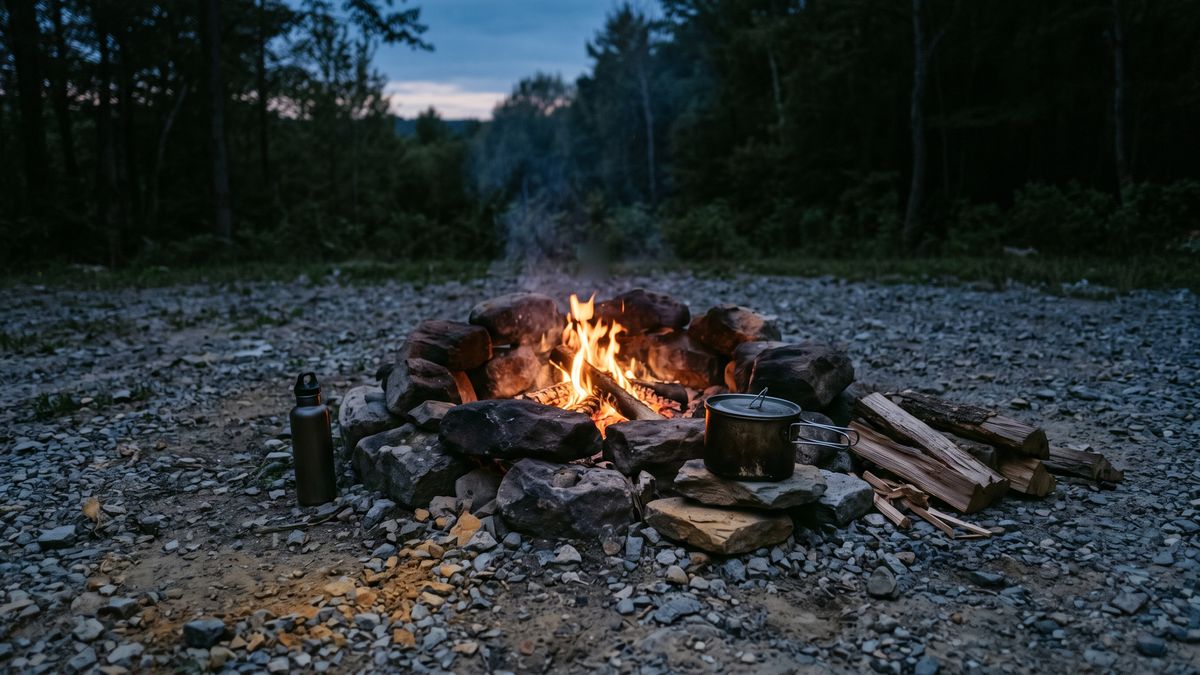
| Campfires | Some parks don’t allow open fires at certain times of year; you may need a camp stove (NPS) |
| Food storage | Lockers, canisters, or the car, depending on the park: see step 8 |
Examples, not national rules: every park and campground sets its own. Quiet hours and ropes [13, 36]; dogs [37, 38]; fires [39].
For dogs, the park decides. In National Park Service areas, federal regulations say a pet must be crated, caged, restrained on a leash no longer than 6 ft, or otherwise physically confined at all times. It can’t be left unattended and tied to an object except in designated areas, and it can’t make unreasonable noise [37]. California’s state parks add that overnight campers keep dogs in a tent or vehicle, and that dogs generally aren’t allowed on trails, near creeks, or in open forest and meadows [38]. Our guide to hiking with your dog explains where dogs can’t go.
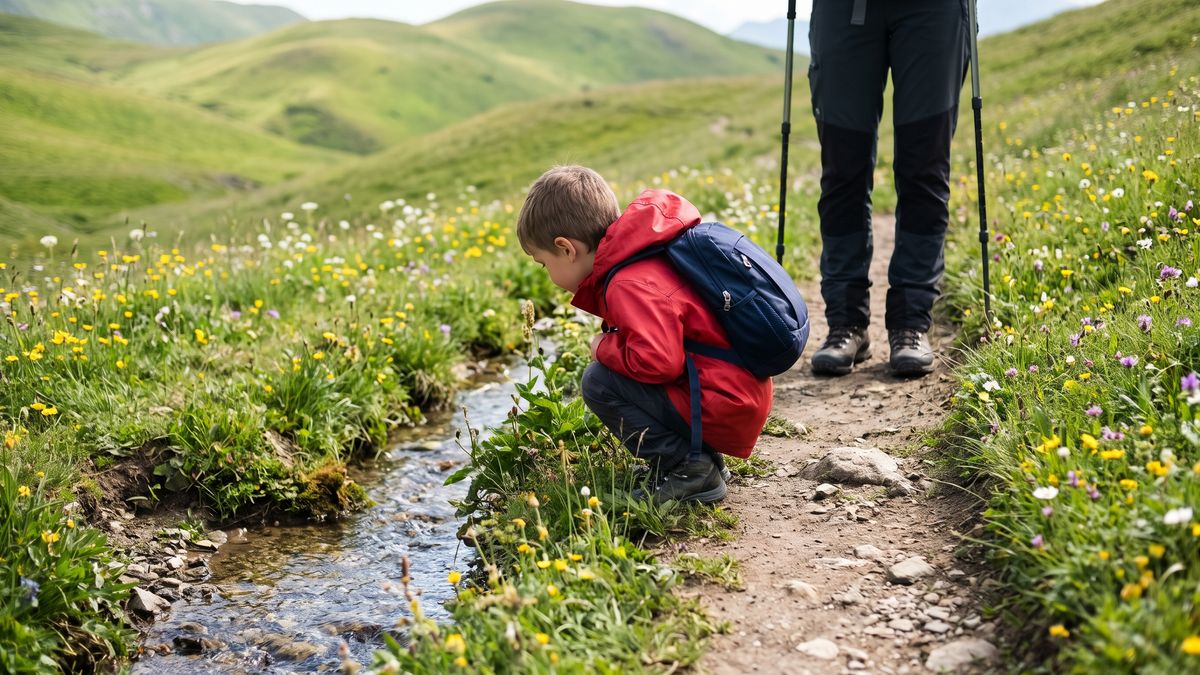
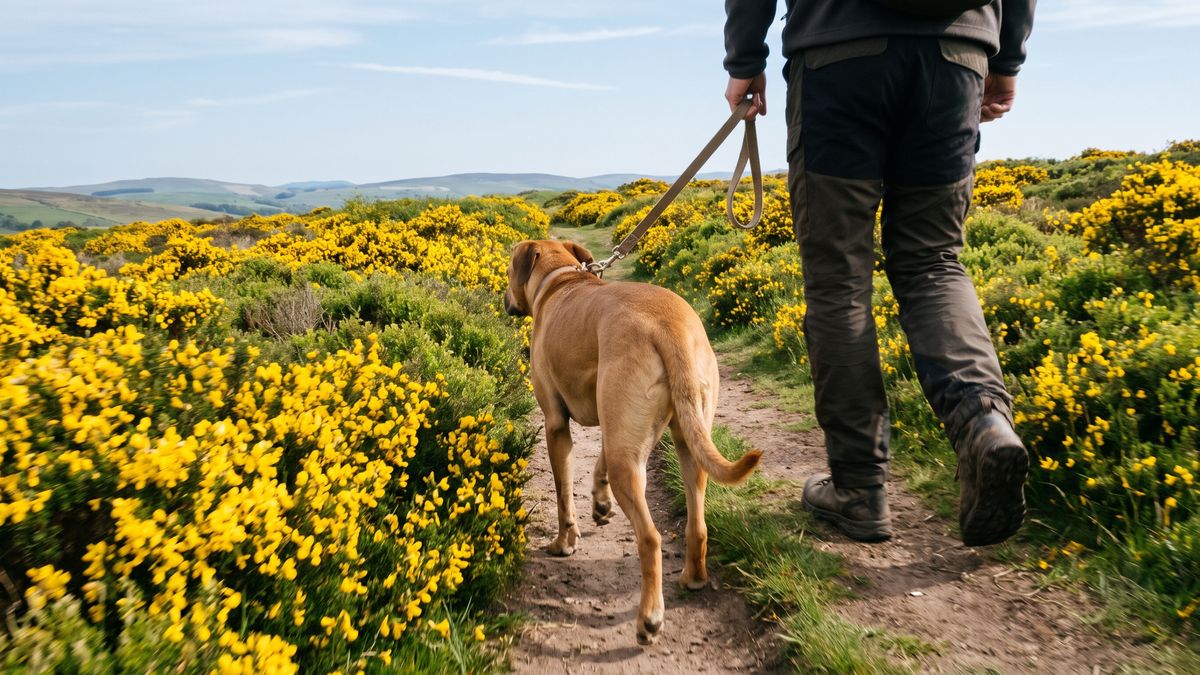
With kids, the NPS’s advice starts with expectations: your first camping trip, or your tenth, may not go as planned, so give kids jobs that suit their age, like gathering kindling or filling water bottles [43]. Our guide to hiking with kids gives benchmarks by age. Heading to France? Our guide to campfire rules in France explains where a small fire is allowed there. And after any trip, our guide to ticks explains what to check.


8Weather and safety: wind, lightning, floods, wildlife
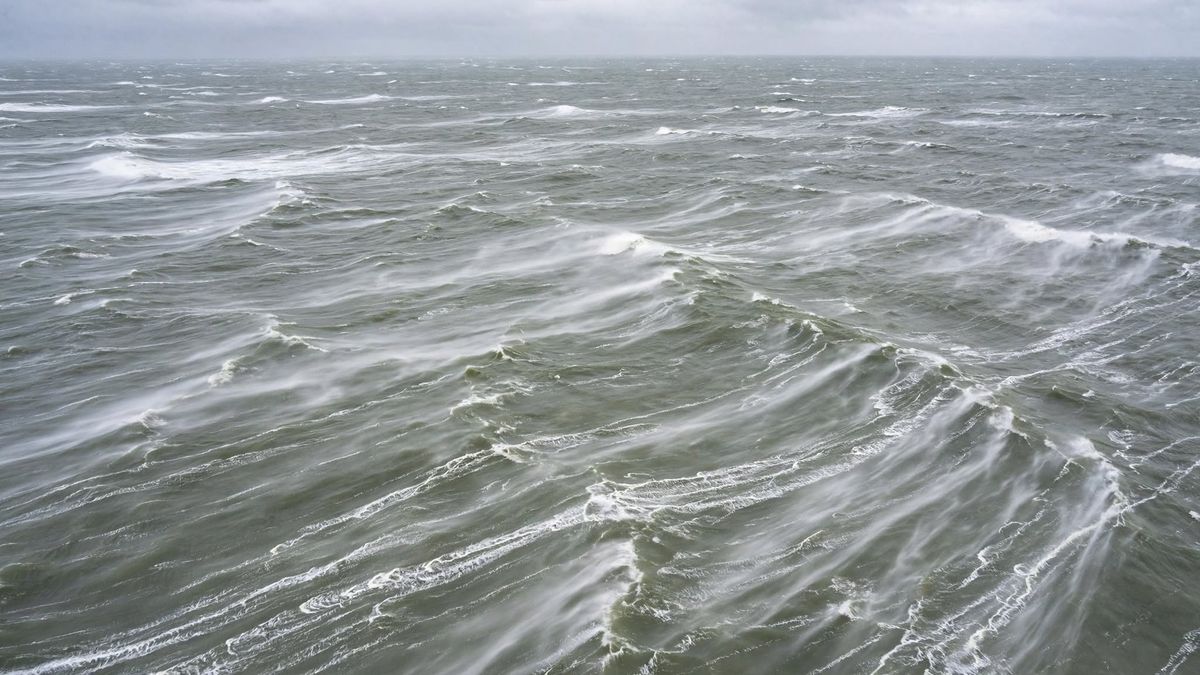
A tent is built for a certain amount of wind. The UK’s Camping and Caravanning Club says most tents are designed to handle winds up to 25 to 30 mph (40 to 48 km/h). Anything stronger, it says, can pose a serious risk to the tent’s stability and to your safety [44]. That’s a club’s rule of thumb, not a guarantee for your tent: check its spec sheet. For scale, the Beaufort scale of the National Weather Service (NWS) describes 25 to 31 mph as large branches in motion and umbrellas used with difficulty. At 32 to 38 mph, whole trees are in motion [45]: see our Beaufort guide. The club’s moves are simple. Avoid exposed spots like beaches, ridges, and hilltops. Pitch 3 to 7 ft (1 to 2 m) behind your car, which works as a windbreak. Stay clear of trees, signposts, and trash cans, add guylines and stakes, and set heavy gear in the corners [44].
Floods kill more people than any other thunderstorm hazard, the NWS says, and over half of flood drownings happen when a vehicle is driven into floodwater [49]. At camp, never pitch on low ground next to a stream: a flash flood can catch you asleep, and most flash flood deaths occur at night [50]. Just 6 inches (15 cm) of fast-moving water can knock you off your feet, and 2 feet (60 cm) will float most vehicles [50]. In canyon country, Zion National Park says not to waste time picking up gear or packing the tent: get to higher ground, because water can rise to dangerous levels in minutes or seconds [51]. On arrival, ask the campground host or a ranger about high water, fire, and wildlife [52].
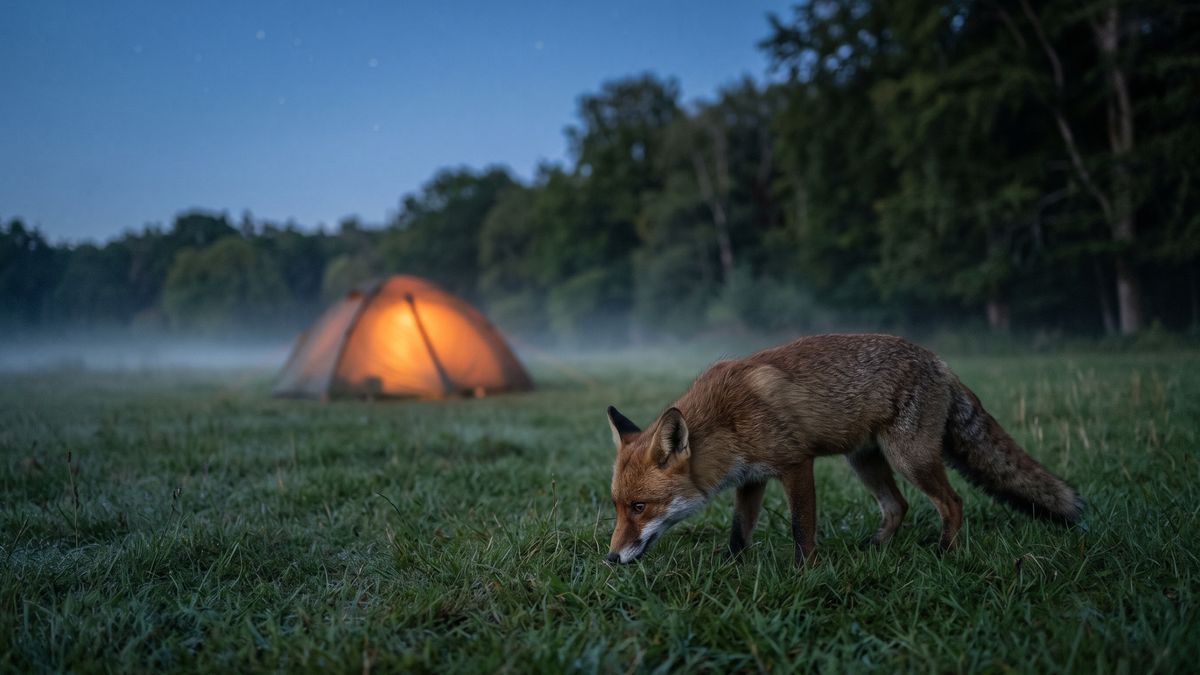
At night, food is the rule that matters. The NPS says to keep food out of reach of wildlife: it can generally be stored in your car, but some campgrounds require food storage lockers, and food never goes inside the tent [54]. A cooler doesn’t count as storage at Shenandoah [55], and Pinnacles National Park, in California, notes that raccoons become active at night looking for food left out by campers [56]. Our guide to wildlife at night tells you who’s out there.
In an emergency, call 911. If you don’t have cell reception, the NPS says you can flag down a visitor and ask them to travel to an area with reception and call 911 [28]. Our guide to calling for help without cell service covers the rest.


9Going further: backcountry, van, multi-day trips
Once you’ve caught the habit, the next step can be a night away from developed campgrounds, a camper van, or several days on foot. Camping outside campgrounds follows other rules: our guide to dispersed camping covers BLM land and national forests, and our guide to backcountry permits and bear canisters covers the national parks. To sleep in a tent beyond the campground, our first backcountry camping trip guide starts with choosing the site. For a vehicle, camper van trips covers paperwork, weight, and power. For several days on foot, multi-day hikes covers the stages, the pack, and the meals. Whatever comes next, the smart move stays the same: read the rules, book early, and pitch the tent once at home.


The checklist before you head out
Check items off the night before, or print the list and slip it in the trunk.
- Campground picked, site type checked (tents allowed), rules, quiet hours, and pet policy read
- Site reserved; booking window, fees, and cancellation terms known; check-in time noted
- Dog: the campground’s pet rules checked before you book
- Tent set up once at home; stakes, mallet, and guylines counted
- Sleeping pad, and a bag matched to the forecast low; dry clothes for bedtime
- Stove and fuel checked; never a stove, grill, or heater inside the tent
- Cooler packed with ice or frozen gel packs, drinks in a separate cooler, raw meat wrapped
- Hookup amps checked if you need power; headlamp or lantern charged
- Food storage rules known: locker, canister, or car
- Tent door away from the wind; not under a tree, not on low ground by a stream
- Host or ranger asked about alerts and fire rules on arrival; plan left with someone at home
- Sunscreen, water, and shade for midday; 911 in mind
Gear related to this article
No affiliation: no commission, no sponsored products.
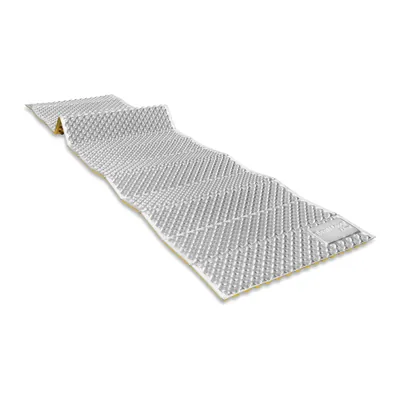
Therm-a-Rest Z Lite Sol
An accordion-fold foam pad rated R 2.0, 14 oz in Regular: the bottom layer of the winter combo, which also protects an air pad from rocks.
View on Amazon (opens in a new tab)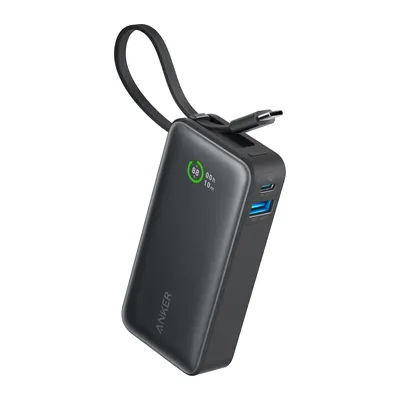
Anker Nano Power Bank 10,000 mAh (A1259)
10,000 mAh power bank with a built-in USB-C cable, one USB-C and one USB-A port, 30 W maximum on USB-C, 7.58 oz. Anker’s page gives neither voltage nor Wh.
View on Amazon (opens in a new tab)
Worth watching
A beginner video from an independent camping channel: planning an overnight trip, setting up the campsite, building a fire and cooking dinner, the steps this guide describes.
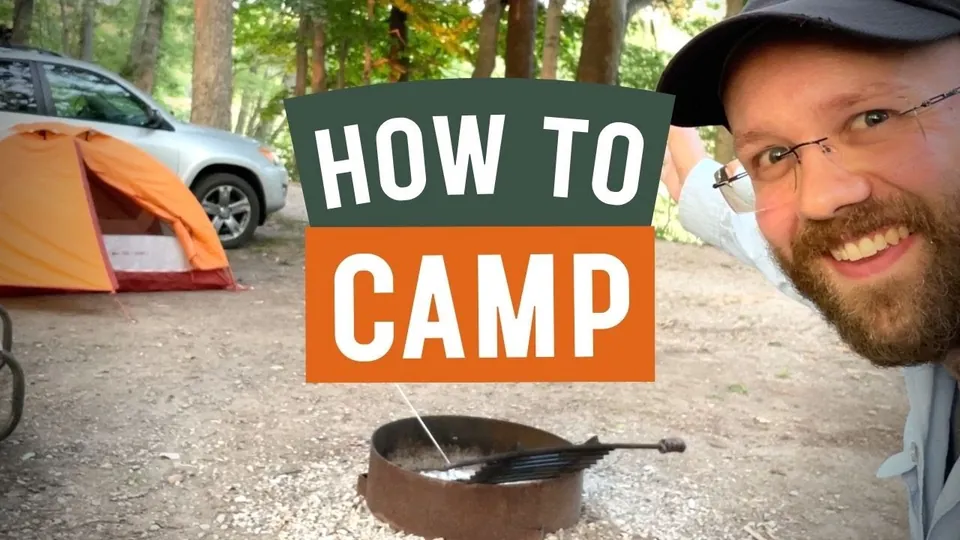
The video is hosted by YouTube (Google): nothing loads until you play it, and Google may then set cookies.
FAQ
How do I choose a campground for my first trip?
Start with a developed campground you can drive to, run by a national park, a state park, or a private operator. Read its listing for amenities, allowed equipment, and rules, and pick a site that allows tents. Check the booking window, the fees, quiet hours, and pet rules before you book. The National Park Service also suggests asking whether water is potable, whether campfires are allowed, and how food must be stored.
How far ahead should I book a campsite, and what does it cost?
On Recreation.gov, most campsites can be booked six months before arrival, and popular campgrounds can sell out in minutes. Booking costs $8 online, which isn’t refunded, and canceling withholds $10 from your refund; canceling the day before or the day of arrival also forfeits the first night. Some campgrounds release sites in waves or use their own system, so check the booking window on the campground’s page.
What size tent do I need for a family?
The number of people is a number of sleepers, not floor space. The National Park Service says a two-person tent has room for two people to sleep, not two people plus gear or pets. PiNCAMP, the ADAC group’s magazine, counts at least 24 in of sleeping width per person and 5 ft 7 in of standing height for the tallest, and suggests going one size up.
Can I use a stove, grill, or heater inside my tent?
No. The Consumer Product Safety Commission says people die every year from carbon monoxide produced by camping heaters, lanterns, or stoves used inside tents, campers, and vehicles, and the CDC says never to use a portable gas camp stove indoors. Carbon monoxide has no color or odor. Cook outside, well away from the fabric, and count on a pad, a bag, and dry layers for warmth.
What hookups does a campsite have, and can a tent use them?
Campgrounds list hookups site by site. In Texas, Fort Richardson lists its electric sites at 20/30/50 amps or 20/30 amps and open to tents and RVs; in California, Lake Perris allows tents on all its hookup sites, most with 30 amps. Read the listing for the site you want, and don’t assume a tent can plug in. Keep electrical gear off the ground, and unplug it when you leave.
Can I bring my dog to a campground?
Often yes, with rules. In National Park Service areas, a dog must be on a leash of 6 ft or less, can’t be left unattended and tied up, and can’t make unreasonable noise. California state parks require the same leash length and no unattended dogs, and overnight campers keep dogs in the tent or vehicle. Trails and beaches are often off-limits, so check the park.
Sources
- National Park Service, “Finding and Setting Up a Campsite,” updated December 2, 2020, accessed November 20, 2026. nps.gov https://www.nps.gov/subjects/camping/finding-and-setting-up-a-campsite.htm ↩
- Recreation.gov, “About Us,” accessed November 20, 2026. recreation.gov https://www.recreation.gov/about-us ↩
- California State Parks, “ReserveCalifornia FAQs,” accessed November 20, 2026. parks.ca.gov https://www.parks.ca.gov/?page_id=29676 ↩
- Kampgrounds of America (KOA), home page, accessed November 20, 2026. koa.com https://koa.com/ ↩
- Bureau of Land Management, “Camping,” accessed November 20, 2026. blm.gov https://www.blm.gov/programs/recreation/camping ↩
- Recreation.gov, “Ten Tips for First-Time Tent Campers,” accessed November 20, 2026. recreation.gov https://www.recreation.gov/articles/list/ten-tips-for-first-time-tent-campers/609 ↩
- Shenandoah National Park, “Campground Reservations,” National Park Service, updated October 29, 2026, accessed November 20, 2026. nps.gov https://www.nps.gov/shen/planyourvisit/campground-reservations.htm ↩
- Direction générale des Entreprises (France), “Les terrains de camping aménagés et parcs résidentiels de loisirs” (in French), accessed November 20, 2026. entreprises.gouv.fr https://www.entreprises.gouv.fr/espace-entreprises/s-informer-sur-la-reglementation/les-terrains-de-camping-amenages-et-parcs ↩
- Deutscher Tourismusverband (German Tourism Association), “Sterne für Campingplätze: BVCD/DTV-Campingplatz-Klassifizierung” (in German), accessed November 20, 2026. deutschertourismusverband.de https://www.deutschertourismusverband.de/qualitaetssysteme/klassifizierung-campingplaetze ↩
- Recreation.gov, “Tips for Making Campsite Reservations at Popular Locations,” accessed November 20, 2026. recreation.gov https://www.recreation.gov/articles/list/tips-for-making-campsite-reservations-at-popular-locations/281 ↩
- Recreation.gov, “Rules and Reservation Policies,” standard policies (the page states they were last updated in September 2019), accessed November 20, 2026. recreation.gov https://www.recreation.gov/rules-reservation-policies ↩
- California State Parks, Lake Perris State Recreation Area, “Hook-up and RV Camping,” accessed November 20, 2026. parks.ca.gov https://www.parks.ca.gov/?page_id=28262 ↩
- National Park Service, “What to Bring,” updated July 2, 2024, accessed November 20, 2026. nps.gov https://www.nps.gov/subjects/camping/what-to-bring.htm ↩
- Camping and Caravanning Club (UK), “Expert Guide to Buying a Tent,” updated October 1, 2026, accessed November 20, 2026. campingandcaravanningclub.co.uk https://www.campingandcaravanningclub.co.uk/advice/equipment/tent-buying-guide/ ↩
- PiNCAMP (magazine of the ADAC group), “Familienzelte im Visier: Worauf du beim Kauf achten solltest” (in German), written with IMTEST, accessed November 20, 2026. pincamp.de https://www.pincamp.de/magazin/ratgeber/zubehoer/familienzelte ↩
- PiNCAMP (magazine of the ADAC group), “Zeltaufbau leicht gemacht: Die besten Tipps aus der Praxis” (in German), accessed November 20, 2026. pincamp.de https://www.pincamp.de/magazin/ratgeber/tipps-tricks/tipps-zum-zeltaufbau ↩
- Camping and Caravanning Club (UK), “How to Pitch a Tent,” updated October 1, 2026, accessed November 20, 2026. campingandcaravanningclub.co.uk https://www.campingandcaravanningclub.co.uk/advice/camping-tips/pitching-your-tent/ ↩
- Camping and Caravanning Club (UK), “Roof Tents: Buyers Guide 2026,” updated October 1, 2026, accessed November 20, 2026. campingandcaravanningclub.co.uk https://www.campingandcaravanningclub.co.uk/advice/equipment/best-rooftop-tents/ ↩
- Thule, “Rooftop Tent Guidelines” (PDF), accessed November 20, 2026. thule.com https://www.thule.com/-/s/approved/std.lang.all/02/00/670200.pdf?rev=9.2 ↩
- Thule, “Will a rooftop tent fit my car?” accessed November 20, 2026. thule.com https://www.thule.com/en-us/articles/guides/how-do-rooftop-tents-work-a-complete-guide/how-do-you-know-if-a-rooftop-tent-fits-your-vehicle ↩
- ADAC, “Dachlast: Was es beim Transport auf dem Dach zu beachten gibt” (in German), July 29, 2026, accessed November 20, 2026. adac.de https://www.adac.de/rund-ums-fahrzeug/ausstattung-technik-zubehoer/ladungssicherung/dachlast/ ↩
- ADAC, “Dachzelte fürs Auto im ADAC Test” (in German), page of February 22, 2024, about a test carried out in 2022, accessed November 20, 2026. adac.de https://www.adac.de/reise-freizeit/ratgeber/tests/dachzelte/ ↩
- Thule, Foothill rooftop tent instructions, reference 5560444001 (PDF), accessed November 20, 2026. thule.com https://www.thule.com/-/s/approved/std.lang.all/61/56/886156.pdf ↩
- Camping and Caravanning Club (UK), “25+ Winter Camping Tips to Keep You Warm Year Round,” accessed November 20, 2026. campingandcaravanningclub.co.uk https://www.campingandcaravanningclub.co.uk/advice/camping-tips/winter-camping/ ↩
- Exped, “FAQs,” accessed November 20, 2026. exped.com https://www.exped.com/en/faqs ↩
- U.S. Consumer Product Safety Commission, “Portable Heaters & Camping Equipment,” Carbon Monoxide Information Center, accessed November 20, 2026. cpsc.gov https://www.cpsc.gov/Safety-Education/Safety-Education-Centers/Carbon-Monoxide-Information-Center/Portable-Heaters--Camping-Equipment ↩
- Centers for Disease Control and Prevention (CDC), “Carbon Monoxide (CO) Poisoning Basics,” reviewed October 26, 2026, accessed November 20, 2026. cdc.gov https://www.cdc.gov/carbon-monoxide/about/index.html ↩
- National Park Service, “Outdoor Emergency Plan,” updated June 21, 2023, accessed November 20, 2026. nps.gov https://www.nps.gov/articles/gtgemergencyplan.htm ↩
- National Park Service, “Cooking in Camp,” updated June 22, 2022, accessed November 20, 2026. nps.gov https://www.nps.gov/subjects/camping/cooking-in-camp.htm ↩
- Camping and Caravanning Club (UK), “Expert Guide to Gas for Tent Campers,” accessed November 20, 2026. campingandcaravanningclub.co.uk https://www.campingandcaravanningclub.co.uk/advice/equipment/gas-for-tent-campers/ ↩
- U.S. Food and Drug Administration (FDA), “Handling Food Safely While Eating Outdoors,” content current as of March 5, 2024, accessed November 20, 2026. fda.gov https://www.fda.gov/food/buy-store-serve-safe-food/handling-food-safely-while-eating-outdoors ↩
- Food Standards Agency (United Kingdom), “Keeping food safe on a picnic,” January 11, 2018, GOV.UK, accessed November 20, 2026. gov.uk https://www.gov.uk/government/publications/keeping-food-safe-on-a-picnic/keeping-food-safe-on-a-picnic ↩
- PiNCAMP (magazine of the ADAC group), “Camping Kühlbox: Modelle im Vergleich” (in German), accessed November 20, 2026. pincamp.de https://www.pincamp.de/magazin/ratgeber/zubehoer/richtige-camping-kuehlbox-finden ↩
- Texas Parks and Wildlife Department, Fort Richardson State Park, “Campsites,” accessed November 20, 2026. tpwd.texas.gov https://tpwd.texas.gov/state-parks/fort-richardson/fees-facilities/campsites ↩
- Camping and Caravanning Club (UK), “Expert Guide to Campsite Electricity,” accessed November 20, 2026. campingandcaravanningclub.co.uk https://www.campingandcaravanningclub.co.uk/advice/equipment/electricity-campers-caravanners/ ↩
- National Park Service, “Camp Etiquette,” updated July 2, 2024, accessed November 20, 2026. nps.gov https://www.nps.gov/subjects/camping/camp-etiquette.htm ↩
- Code of Federal Regulations, 36 CFR 2.15, “Pets,” National Park Service regulations, copy published by the Legal Information Institute (Cornell Law School), accessed November 20, 2026. law.cornell.edu https://www.law.cornell.edu/cfr/text/36/2.15 ↩
- California State Parks, “Visiting State Parks With Your Dog,” accessed November 20, 2026. parks.ca.gov https://www.parks.ca.gov/Dogs ↩
- National Park Service, “Camping Safely Step 1 - Before the Trip,” updated July 1, 2019, accessed November 20, 2026. nps.gov https://www.nps.gov/articles/camp-safety-before-the-trip.htm ↩
- USDA Animal and Plant Health Inspection Service (APHIS), “Buy Firewood Where You Burn It,” last modified April 15, 2026, accessed November 20, 2026. aphis.usda.gov https://www.aphis.usda.gov/plant-pests-diseases/hungry-pests/how-stop-them/only-buy-firewood-where-you-burn-it ↩
- National Park Service, “I Didn’t Know That!: Don’t Move Firewood,” updated December 23, 2024, accessed November 20, 2026. nps.gov https://www.nps.gov/articles/000/idkt_firewood.htm ↩
- New York State Department of Environmental Conservation, “Firewood and Invasive Pests,” accessed November 20, 2026. dec.ny.gov https://dec.ny.gov/nature/animals-fish-plants/invasive-species/terrestrial/firewood ↩
- National Park Service, “Camping with Kids,” updated January 17, 2020, accessed November 20, 2026. nps.gov https://www.nps.gov/subjects/camping/camping-with-kids.htm ↩
- Camping and Caravanning Club (UK), “Camping in Strong Winds,” updated October 1, 2026, accessed November 20, 2026. campingandcaravanningclub.co.uk https://www.campingandcaravanningclub.co.uk/advice/camping-tips/camping-in-wind/ ↩
- National Weather Service (Miami office), “Beaufort Wind Scale,” accessed November 20, 2026. weather.gov https://www.weather.gov/mfl/beaufort ↩
- National Park Service, “When Thunder Roars, Go Indoors,” lightning safety, updated June 25, 2018, accessed November 20, 2026. nps.gov https://www.nps.gov/articles/lightning-safety.htm ↩
- National Weather Service, “When a Safe Building or Vehicle is Nearby,” lightning safety, accessed November 20, 2026. weather.gov https://www.weather.gov/safety/lightning-outdoors ↩
- John S. Jensenius Jr., National Lightning Safety Council, “A Detailed Analysis of Lightning Deaths in the United States from 2006 through 2019,” February 2020, published by the National Weather Service, accessed November 20, 2026. weather.gov https://www.weather.gov/media/safety/Analysis06-19.pdf ↩
- National Weather Service, “Turn Around Don’t Drown,” accessed November 20, 2026. weather.gov https://www.weather.gov/safety/flood-turn-around-dont-drown ↩
- National Weather Service, “Flooding Safety: Be Aware That Flooding Can Occur While Camping & Hiking” (PDF), accessed November 20, 2026. weather.gov https://www.weather.gov/media/rnk/outdoors/Flood_Safety_Camping_Hiking.pdf ↩
- Zion National Park, “Flash Floods,” National Park Service, updated November 11, 2026, accessed November 20, 2026. nps.gov https://www.nps.gov/zion/planyourvisit/flash-flood.htm ↩
- National Park Service, “Camping Safely Step 2 - Upon Arrival,” updated April 21, 2017, accessed November 20, 2026. nps.gov https://www.nps.gov/articles/camp-safety-upon-arrival.htm ↩
- National Weather Service (Blacksburg, Virginia office), “Outdoor Activities: Heat Safety and Preparedness,” accessed November 20, 2026. weather.gov https://www.weather.gov/rnk/outdoorsheat ↩
- National Park Service, “Camping Safely Step 3 - During Your Stay,” updated April 21, 2017, accessed November 20, 2026. nps.gov https://www.nps.gov/articles/camp-safety-during-your-stay.htm ↩
- Shenandoah National Park, “Food Storage,” National Park Service, updated October 25, 2023, accessed November 20, 2026. nps.gov https://www.nps.gov/shen/planyourvisit/food-storage.htm ↩
- Pinnacles National Park, “Keep Wildlife Wild,” National Park Service, updated October 16, 2024, accessed November 20, 2026. nps.gov https://www.nps.gov/pinn/planyourvisit/kww.htm ↩
- Yosemite National Park, “Bears and Food Storage,” National Park Service, updated March 14, 2024, accessed November 20, 2026. nps.gov https://www.nps.gov/yose/planyourvisit/bears.htm ↩

Camping, backpacking, bushcraft and hiking
Guillaume Hoarau writes for Outfarer about camping, backpacking, bushcraft, and hiking. A survival-skills buff and a collector of vintage field manuals, he loves clear explanations, lists that actually help and other people’s stories, which he tells well.
 Julien de Jurquet

 Arnaud Couderc