 Français (France)
 English (UK)
 English (US)
 Deutsch (Deutschland)

Contents
On the evening of day three, your boots are drying by the hut door, or your bear canister sits on flat ground well away from the tent, and the question is no longer whether you’ll make it: you know you will. That’s the magic of a multi-day hike, and it takes planning. You don’t need to be an athlete. You need to do things in the right order: months ahead for the beds or the permit, the night before for the forecast. This guide follows that order, and each step leads to our detailed guides.
The French Hiking Federation (FFRandonnée) puts it simply: good planning matters all the more when a hike lasts several days [1]. This guide covers multi-day hikes on foot, from two days to two weeks, on marked trails: hut to hut in Europe, where you sleep in staffed mountain huts and hikers’ hostels, and backpacking at home, where you carry your tent and often need a permit. Its advice comes from that federation, from the organizations that run the great routes, from the National Park Service and rescue services, and from our own guides, each sourced on its own. For a single day on the trail, start with our guide to planning a hike.
| When | What to do |
|---|---|
| Six months out, or more | Pick the route and its season; book huts as soon as reservations open; in the US, note your park’s permit lottery dates |
| Two to three months out | Plan the stages; book flights, trains, or buses, both ways, plus luggage transfers or the ride to the trailhead; train with a loaded pack |
| The week before | Pack at home and weigh it; confirm every reservation; leave a trip plan with a trusted contact |
| Every evening | Check tomorrow’s forecast and trail closures; charge your phone; take care of your feet |
| Back home | Let your contact know you’re back; check for ticks; note what you missed, and what you never used |
1Choose a route that fits you, and its season
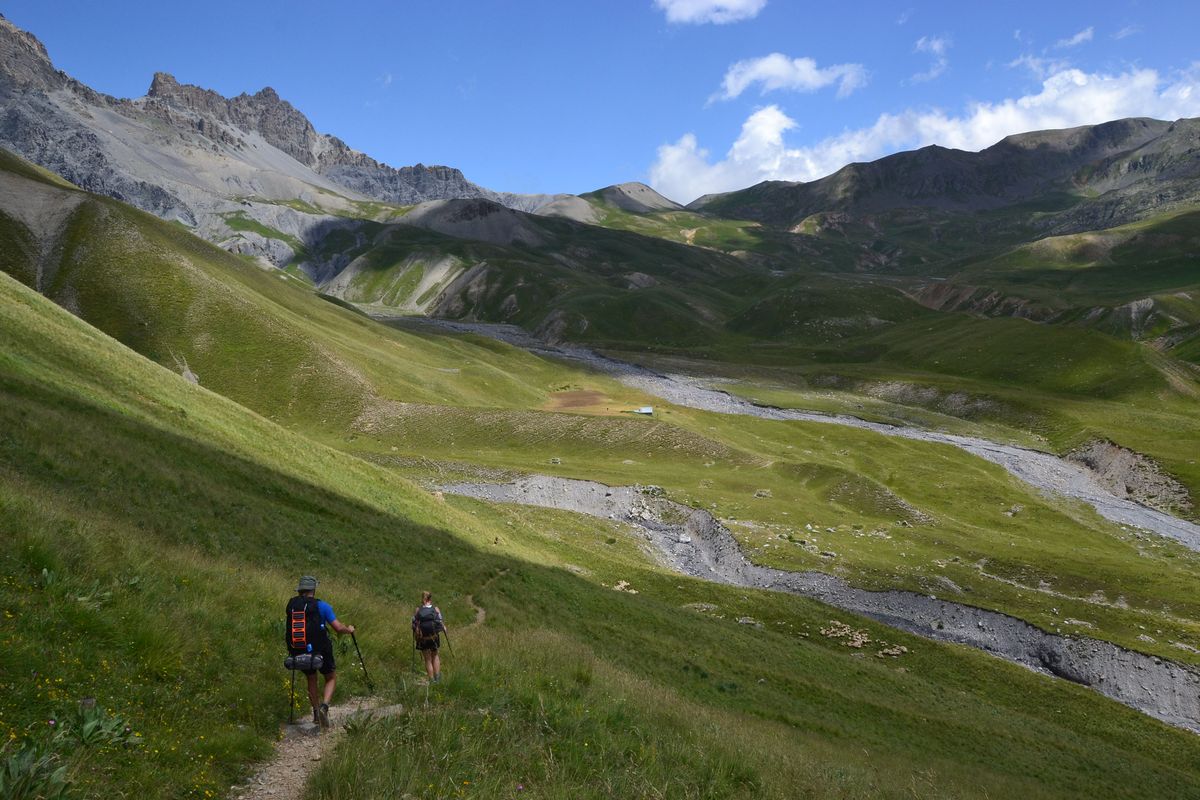
The French Hiking Federation suggests testing how your group gets along, and what it can handle, on a day hike before you head out for several days [1]. It’s the first filter, and the most honest one: what rubs on a day hike will rub five times harder over a week. For a first trip, I’d suggest two or three days on a marked trail, with a roof or a reserved campsite every night, rather than a legendary traverse. On a classic long-distance trail, the usual stages and the practical details are easy to find; on a new or little-used route, everything rides on stages planned well ahead, the federation notes [1].
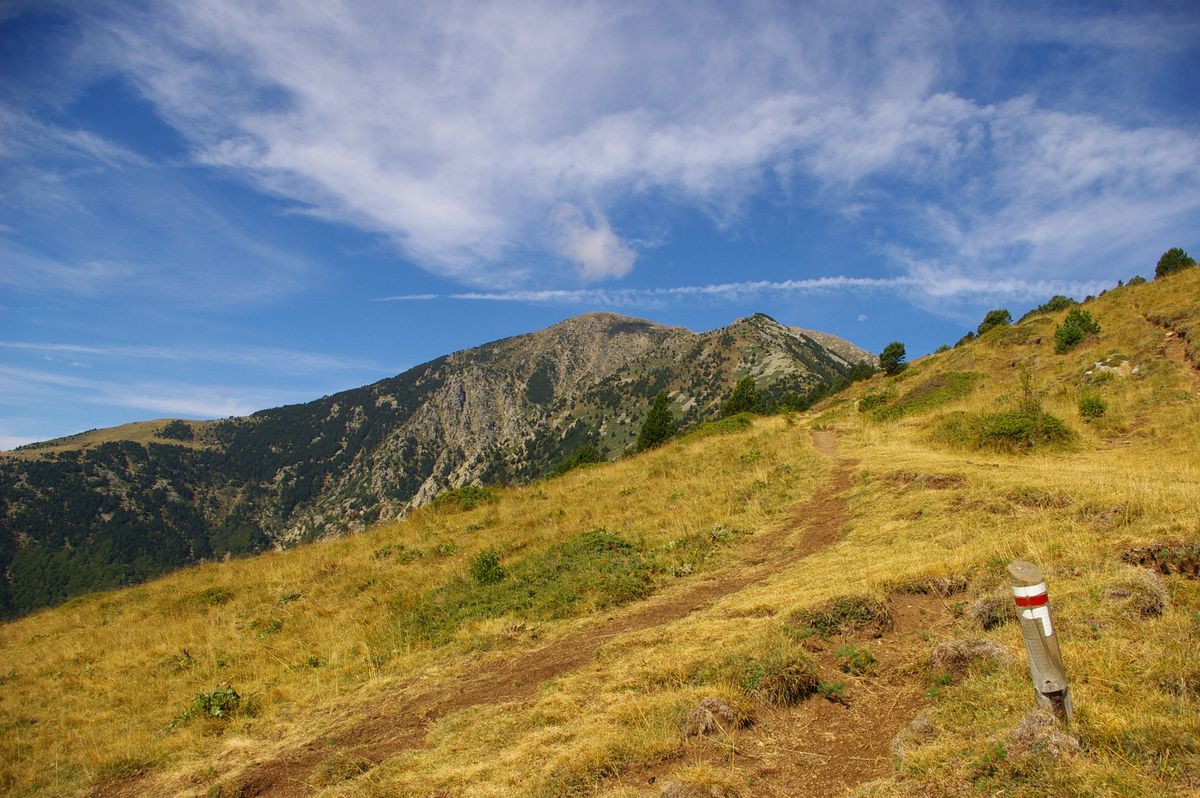
Then three things decide: distance, terrain, and how comfortable the nights are. The table compares four multi-day hikes in Europe that our guides cover, from the gentlest to the roughest, plus one American loop for comparison. Our guides to hiking difficulty ratings and trail markers and blazes fill in the rest: the terrain to expect, and how to follow the route, since blazes change from one country to the next.
| Route | Length | Time | What to expect |
|---|---|---|---|
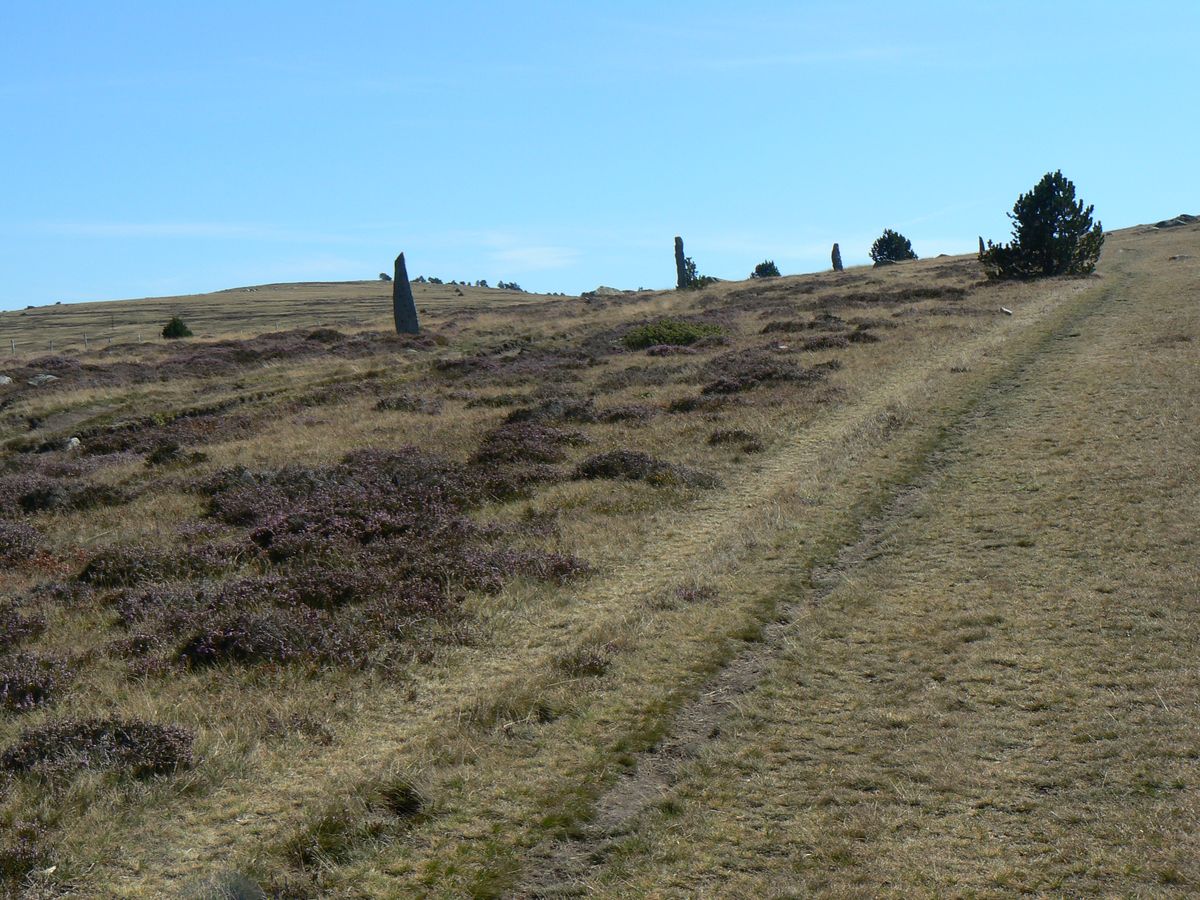
| Stevenson Trail (GR 70), France | 169 miles (272 km), from Le Puy-en-Velay to Alès [2] | 12 to 14 days, or a week for each half [2] | Across the Velay, the Gévaudan, Mont Lozère, and the Cévennes [2] |
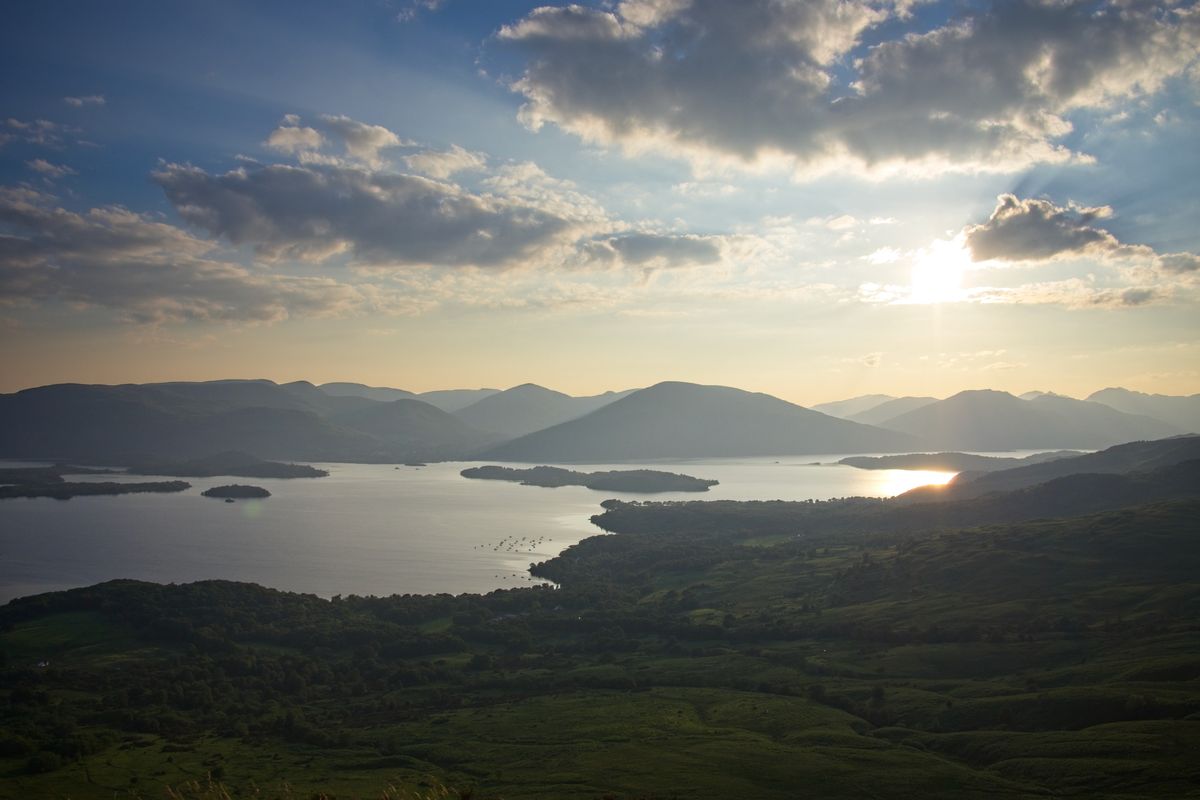
| West Highland Way, Scotland | 96 miles (154 km), from Milngavie to Fort William [3] | 5 to 7 days in the official site’s itineraries [4] | Easier stages in the south that prepare you for the tougher northern ones [3] |
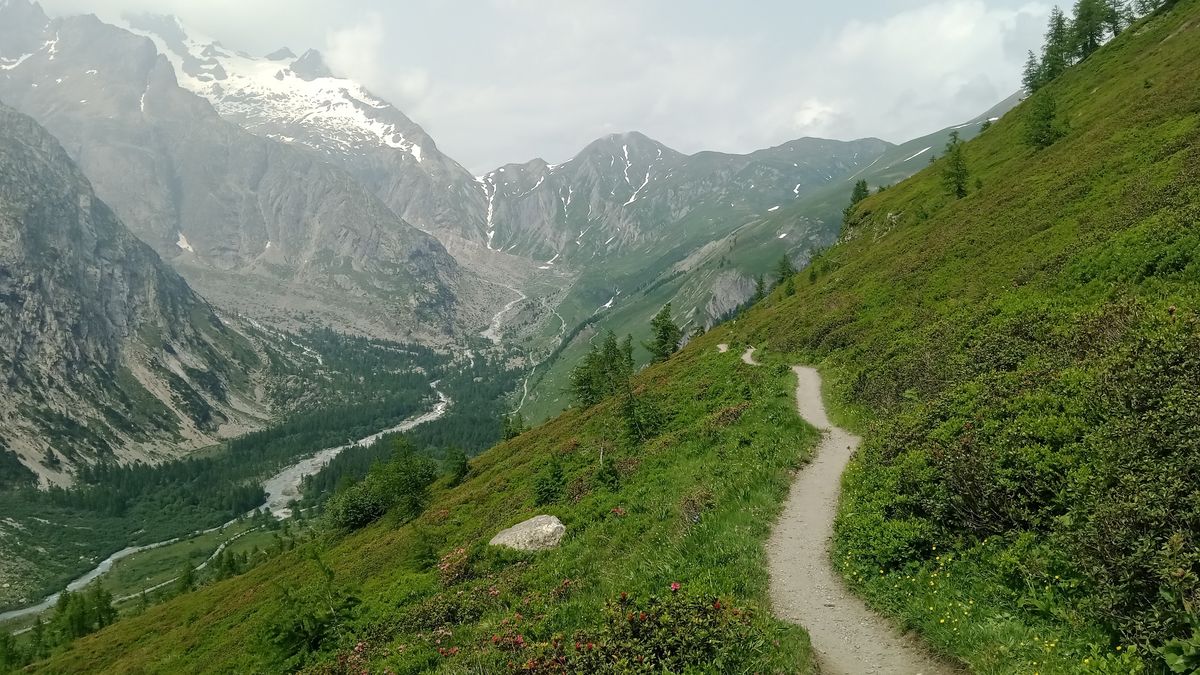
| Tour du Mont-Blanc, France, Italy, and Switzerland | About 110 miles (170 km) and 33,000 feet (10,000 m) of elevation gain [5] | 7 to 12 days, depending on your pace [6] | 5 to 8 hours of hiking a day, with a pass to climb and descend every day [7] |
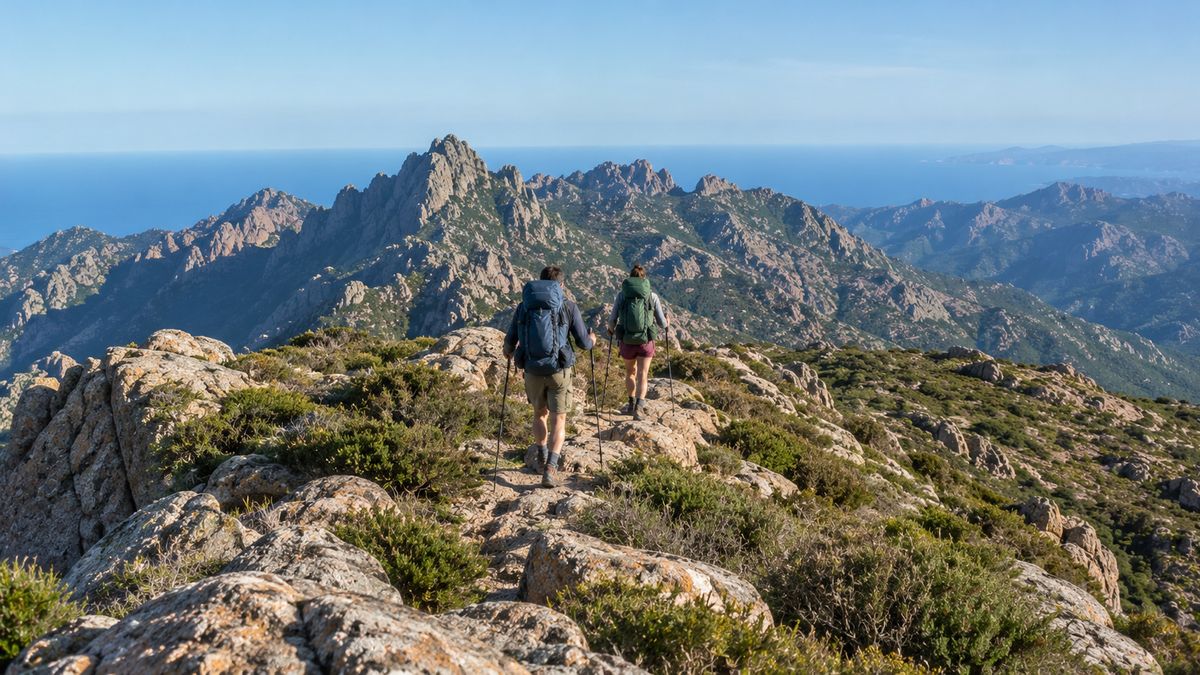
| GR20, Corsica (France) | 16 stages, from Calenzana to Conca [8] | 16 days of hiking, plus any rest days | One of the toughest trails in Europe, with steep, narrow, slippery passages, and slabs fitted with chains or handrails in places, according to the park [8] |
| Wonderland Trail, Mount Rainier (Washington) | About 93 miles (150 km) and 27,000 feet (8,230 m) of elevation gain [9] | Set by your permit; online, you can’t book camps more than 17.5 miles (28 km) apart [10] | A strenuous loop from lowland forest to subalpine terrain, with designated camps only for a full loop [9] |
Then there’s the season. In France, the main high mountain huts are staffed in summer, and sometimes in spring for ski tourers [11]; on the Tour du Mont-Blanc, the season runs from mid-June to mid-September, when the passes are clear of snow and the huts are open [7], and the GR20’s huts were staffed from May 16 to October 4 in 2026 [12]. At home, snow sets the calendar: the Wonderland Trail is typically mostly snow-free from mid-July to October, and in an average snow year, the park advises against setting out before mid- to late July [9]. Lower down and along the coast, the season stretches out, but winter closes campgrounds, ferries, and village stores: check what will be open on your dates, not just the trail. For a first big thru-hike, our guides cover the GR5 from Lake Geneva to Nice, the GR10 across the Pyrenees, and England’s Coast to Coast.


2Plan the stages in hours, not miles
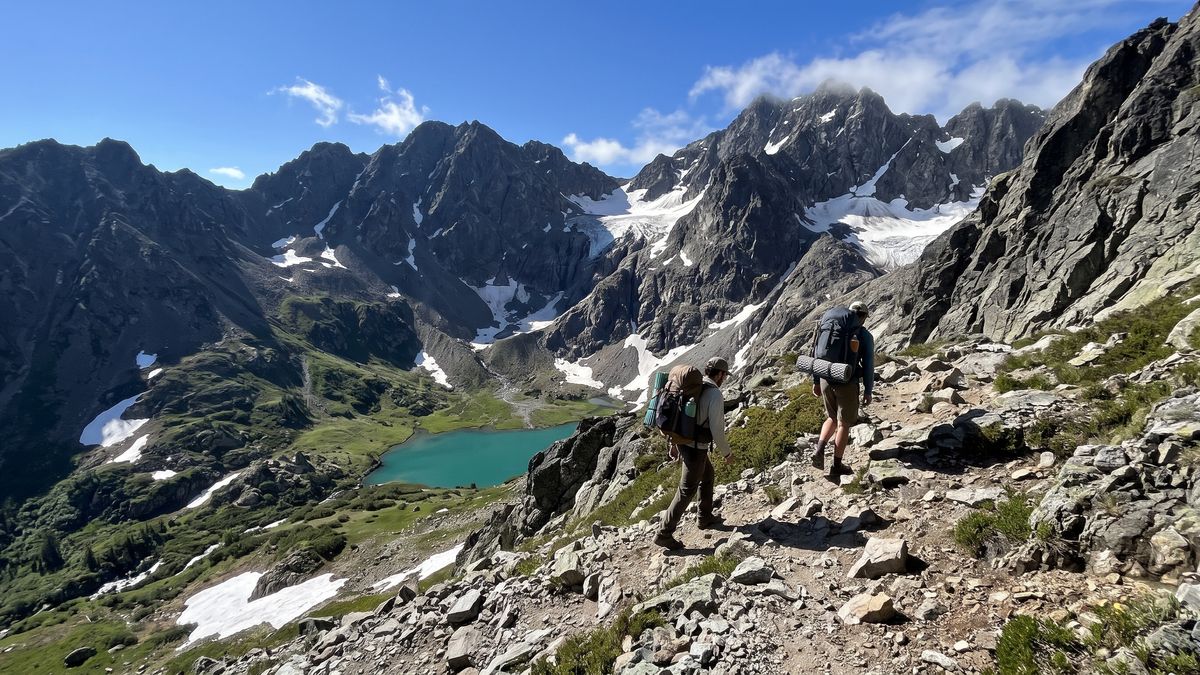
A stage is measured in hours. The French Hiking Federation’s benchmarks are 2.5 mph (4 km/h) on the flat and, in the mountains, 1,000 to 1,150 feet (300 to 350 m) of climbing an hour, breaks not included [13]. Over several days, add what the rule leaves out: the breaks, and the weight of your pack, which slows you down most on the climbs. Our hiking time calculator does the math, and our guide to hiking time shows how to adjust it to your own pace.
How many hours a day? On the Tour du Mont-Blanc, the official site asks for the endurance to hike 5 to 8 hours a day, several days in a row [7]. Our guide to training for a multi-day hike lays out a three-month plan to get there. On the Camino de Santiago, most people walk 12.5 to 18.5 miles (20 to 30 km) a day, according to American Pilgrims on the Camino [14]. The safety guide from the Xunta de Galicia, Galicia’s regional government, recommends shorter stages at the start: your body has to handle 12 to 16 miles (20 to 25 km) a day with a pack, in heat, cold, or rain, several days in a row [15].
In US parks, the permit often sets the stages for you. For a full loop of the Wonderland Trail, you camp in designated camps only [9], and Recreation.gov won’t let you book camps more than 17.5 miles (28 km) apart [10]. The park’s advice comes first, though: know your own skills and habits before you choose the distance between camps, because 93 miles on flat ground are far easier than climbing 3,000 feet (910 m) with a full pack day after day [9].
Then build in some slack. A spare day lets you wait out a storm or rest an ankle, and American Pilgrims suggests planning some rest days, or at least a few shorter days, on a long route [14]. Find the bail-out points too, the places where you can leave the route: on the GR20, the ninth stage ends in Vizzavona, a village with a train station [8], and on the Tour du Mont-Blanc, public transportation can be your way off the trail after an injury [6]. The Corsica park also advises against doubling up stages, because the route is so demanding [8].
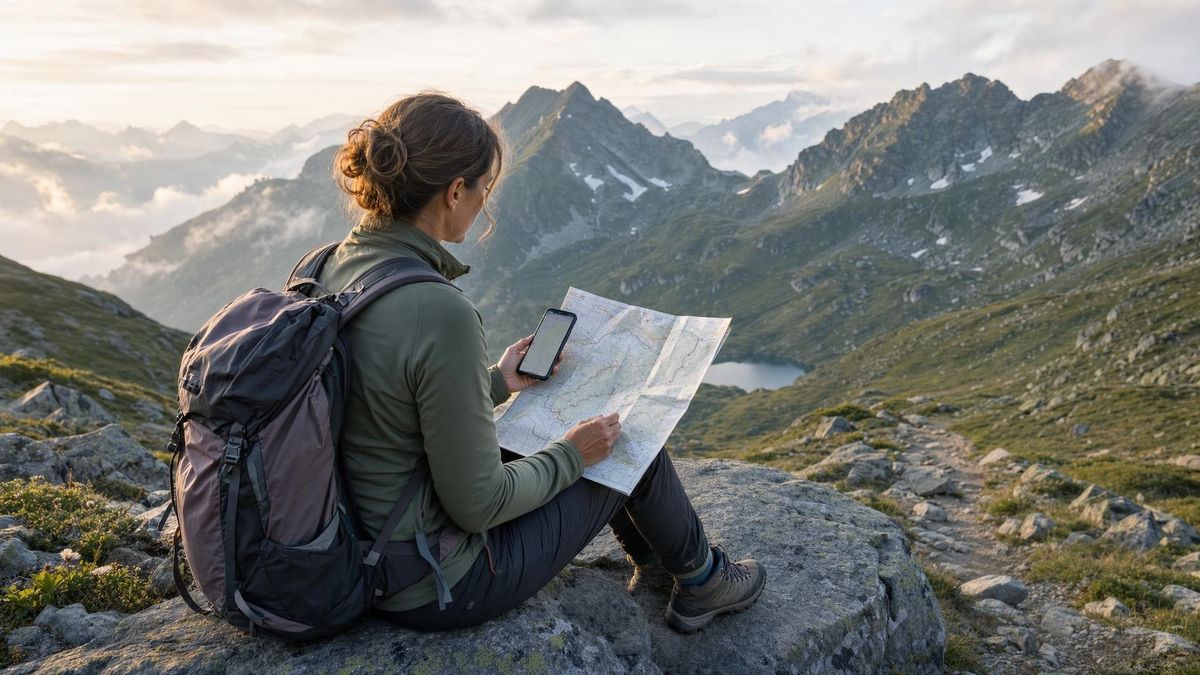
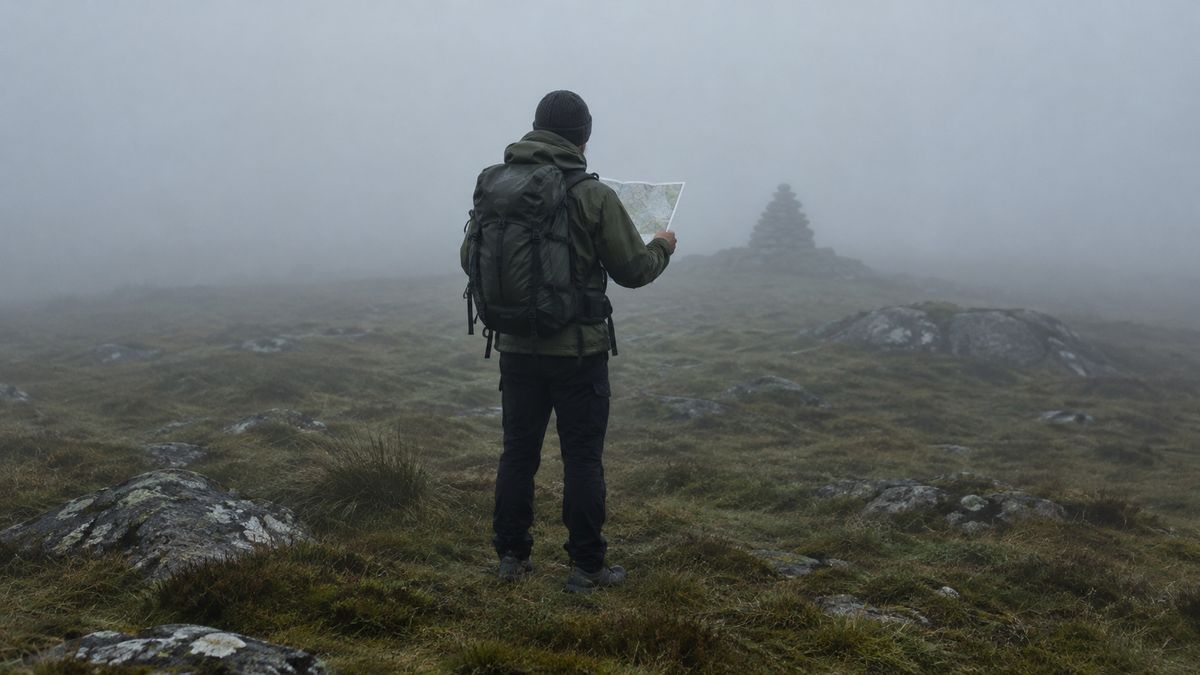
To follow it all, carry a map or a guidebook, which the French Hiking Federation publishes to help you choose and prepare a route [1], and a GPX track saved offline on your phone. The Park Service’s Ten Essentials add a physical map as a backup and an extra battery for your phone [16]. Over several days, battery power becomes a resource, like water: more on that in the pack step.


3Book where you’ll sleep: hut, hostel, permit, or tent
The question of where to sleep comes up as soon as the route is set, and the French Hiking Federation says that in most cases, you need to book several months ahead [11]. Either way, it suggests checking availability at least six months before you leave, and lodging fills up fast on legendary routes like the Tour du Mont-Blanc and the Camino de Santiago [1]. On the TMB, bookings for summer 2027 opened on October 15, 2026, and the most popular huts are often full several months ahead [7]. Hence a rule that runs against instinct: the beds set the stages, and the plane ticket comes after.
At home, the permit plays the part of the hut. In Yosemite, each trailhead has a daily quota: 60% of it is released by lottery 24 weeks ahead, and the other 40% seven days ahead [17]. At Grand Canyon, an early-access lottery gives up to 750 applicants a time slot to book first [18]. And at Mount Rainier, the park warns that you’re unlikely to put together a full Wonderland Trail itinerary once general reservations open, on April 25: the early-access lottery opens in February [19]. Same rule as in the Alps: get the permit, then buy the flight.
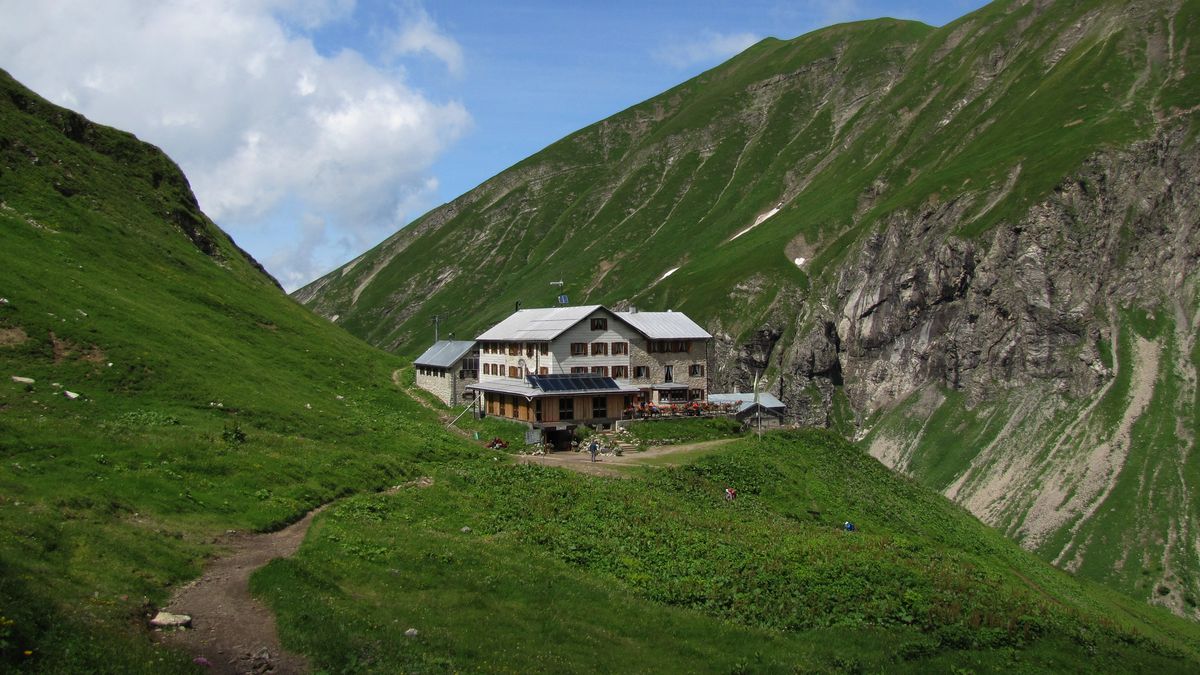
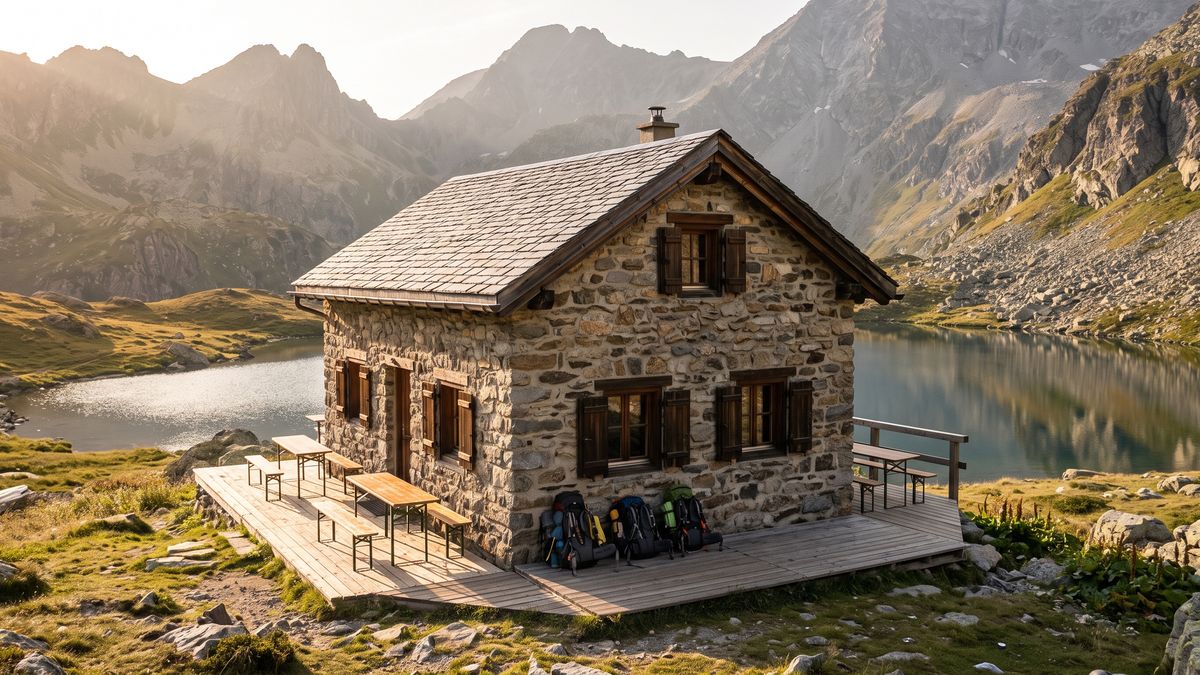
A staffed hut, with a keeper who cooks, runs on a schedule. Dinner is a single set menu, served once, at 6:30 or 7 p.m., and showing up after 7 p.m. will probably be frowned upon, warns MonGR, the French Hiking Federation’s long-distance trail site [20]. Boots stay at the door, and you slip on the clogs provided [11]. As for cost, the official TMB site puts a night in a dorm with half board, meaning your bed, dinner, and breakfast for one price, at about €65 to €95 [7]; in the Mercantour, in the southern French Alps, a bed alone costs €21 at the Valmasque hut in 2026 [21]. Bring cash: MonGR suggests €50 per person, to be safe [20].
Hut to hut works at home, too. In New Hampshire’s White Mountain National Forest, the Appalachian Mountain Club runs eight huts, reachable only on foot and linked by the Appalachian Trail, with dinner and breakfast included in your stay [22]. At Lakes of the Clouds Hut, at 5,012 feet, dinner is served family-style at 6 p.m. sharp during the full-service season, from June to mid-September [23]: the Alpine rhythm, in New England.
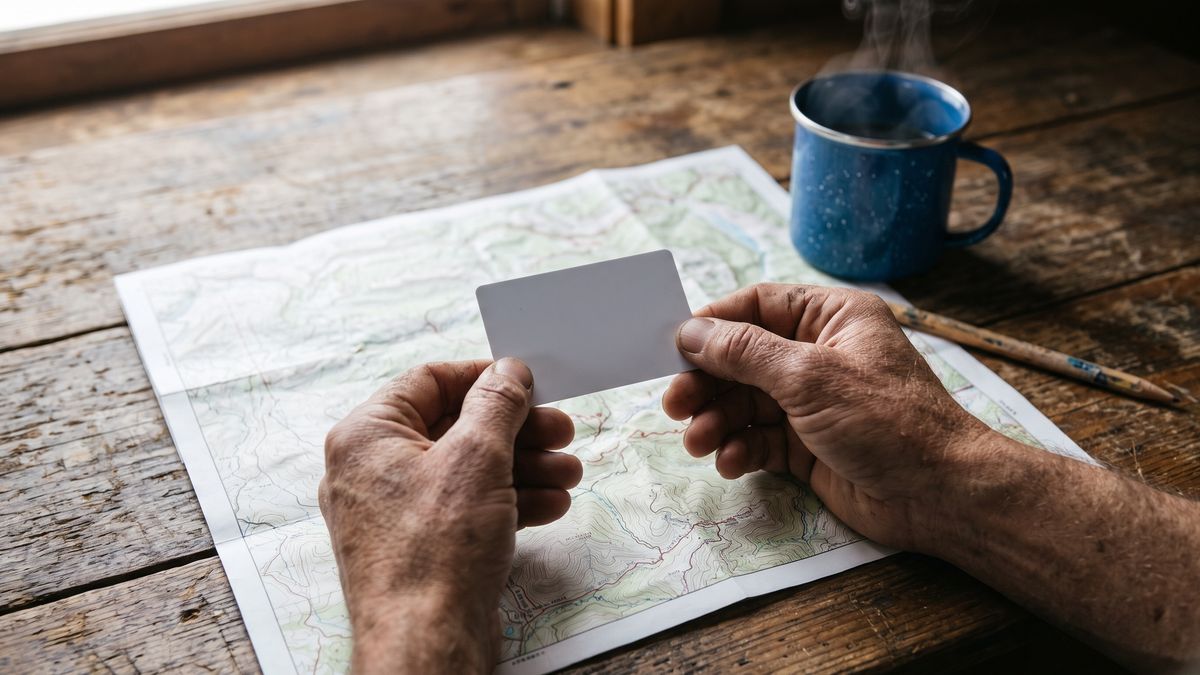
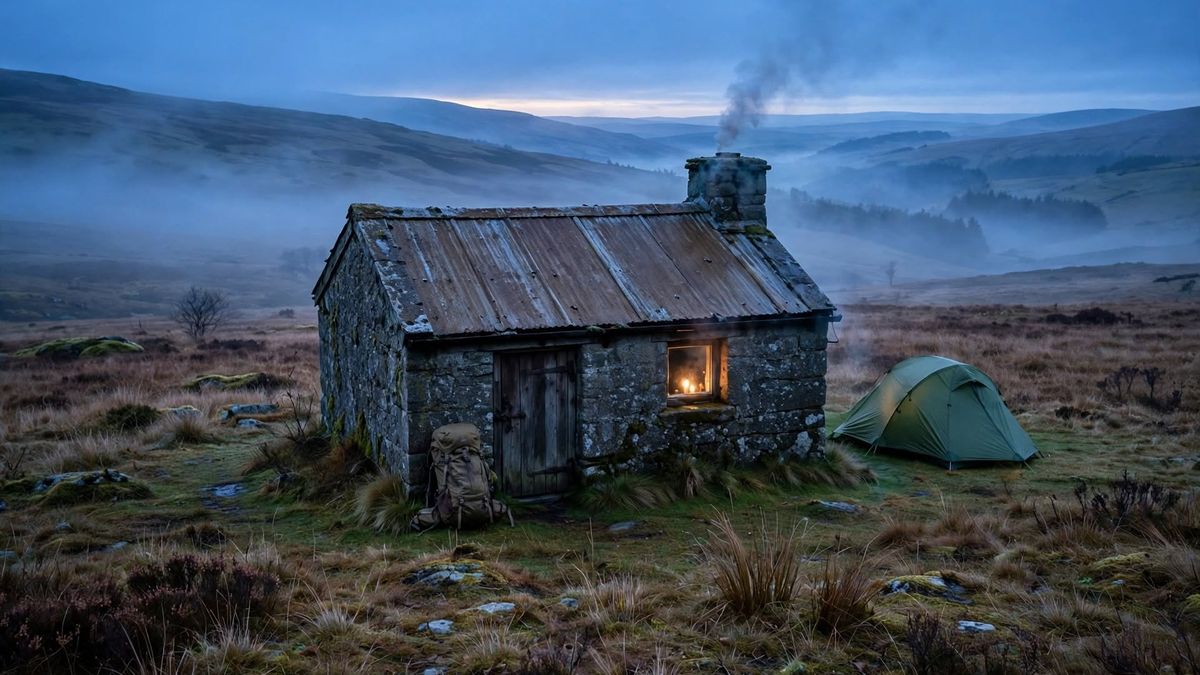
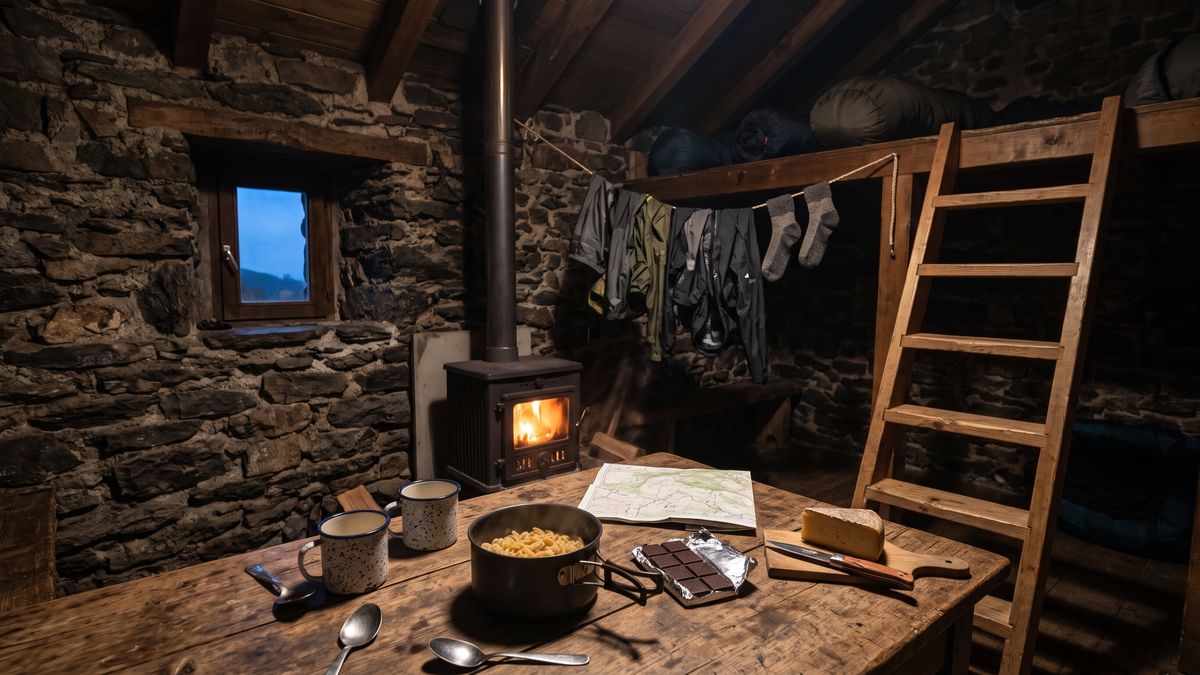
In Europe, the A hikers’ hostel in a village or valley near the trail, with dorm beds and meals, typical of France. sits in villages and valleys near the trails. It offers a bed and meals, and in principle a place to cook and a common room; some provide sheets, so check when you book [11]. In B&Bs and small hotels, the federation suggests asking whether you can dry your laundry and get a packed lunch for the next day [11]: over a week, those two details matter everywhere.
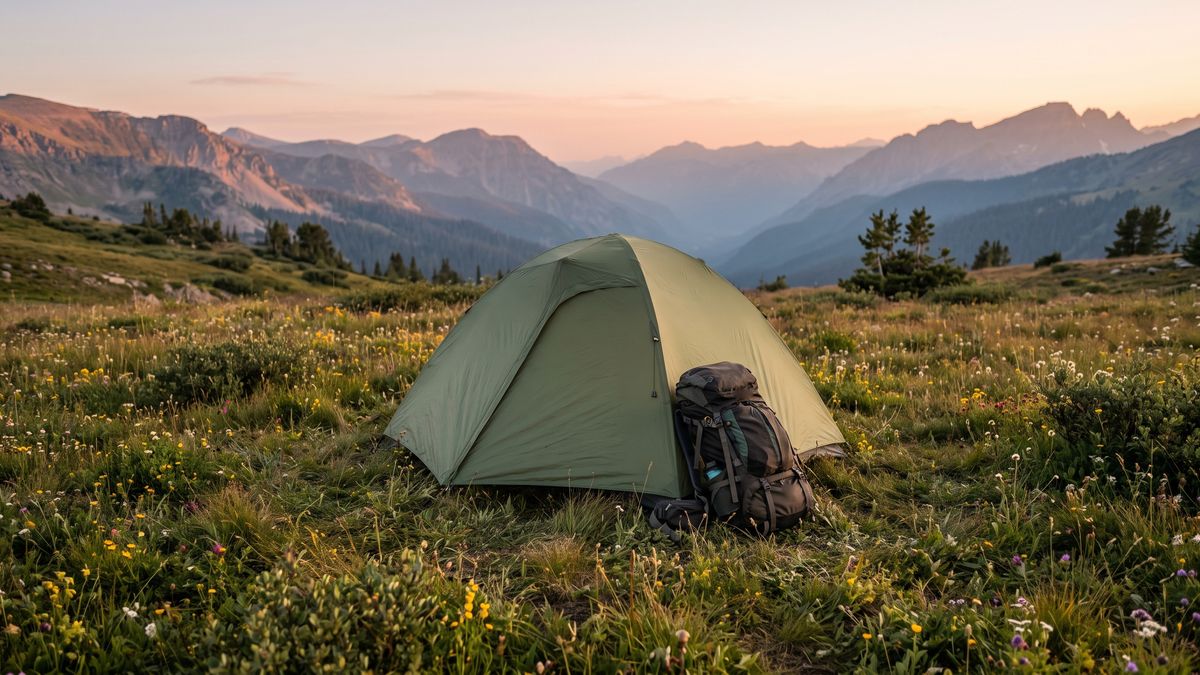
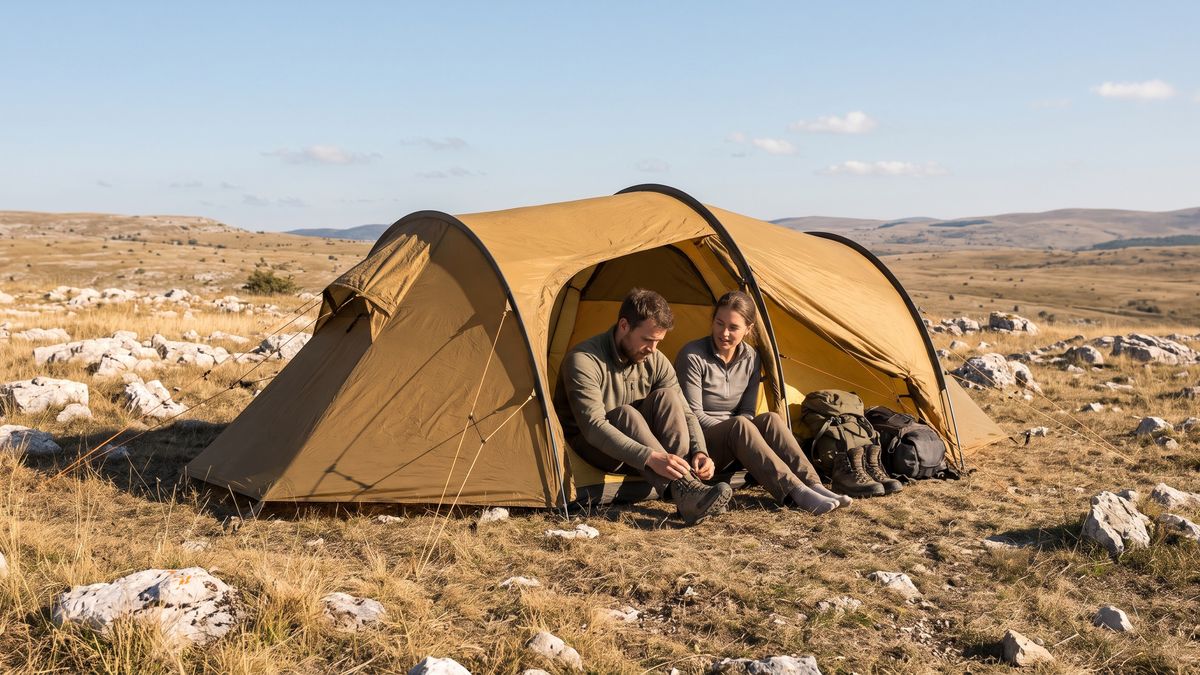
A tent, finally, buys freedom at the cost of a much heavier pack: tent, sleeping gear, stove, and food [11]. And you can’t camp just anywhere. In France, you need the landowner’s permission, the core zones of the national parks regulate camping, and many routes have rules of their own: on the GR20, even with your own tent, you book your site, and wild camping is banned outside the areas near the huts [8]. Our guide to backcountry camping in France covers the bans. In US national parks, a night in the backcountry means a permit and the sites it covers: Rocky Mountain, for instance, is a designated-site wilderness with no dispersed camping [24], as our guide to backcountry permits and bear canisters explains park by park.
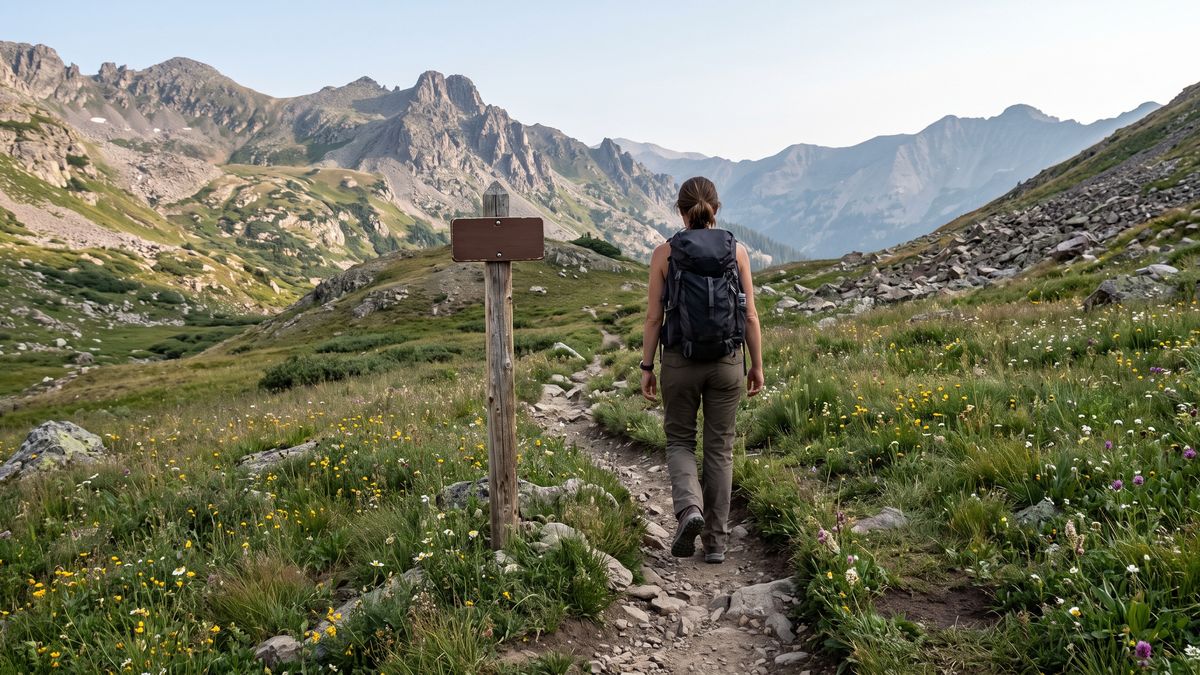
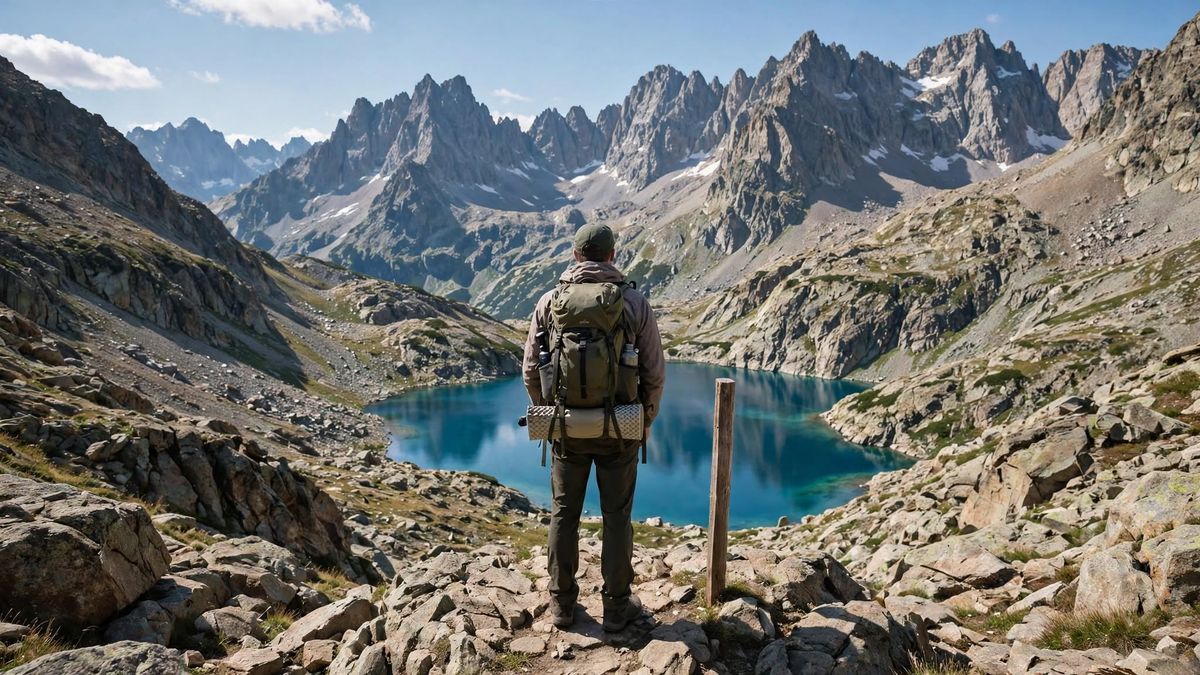
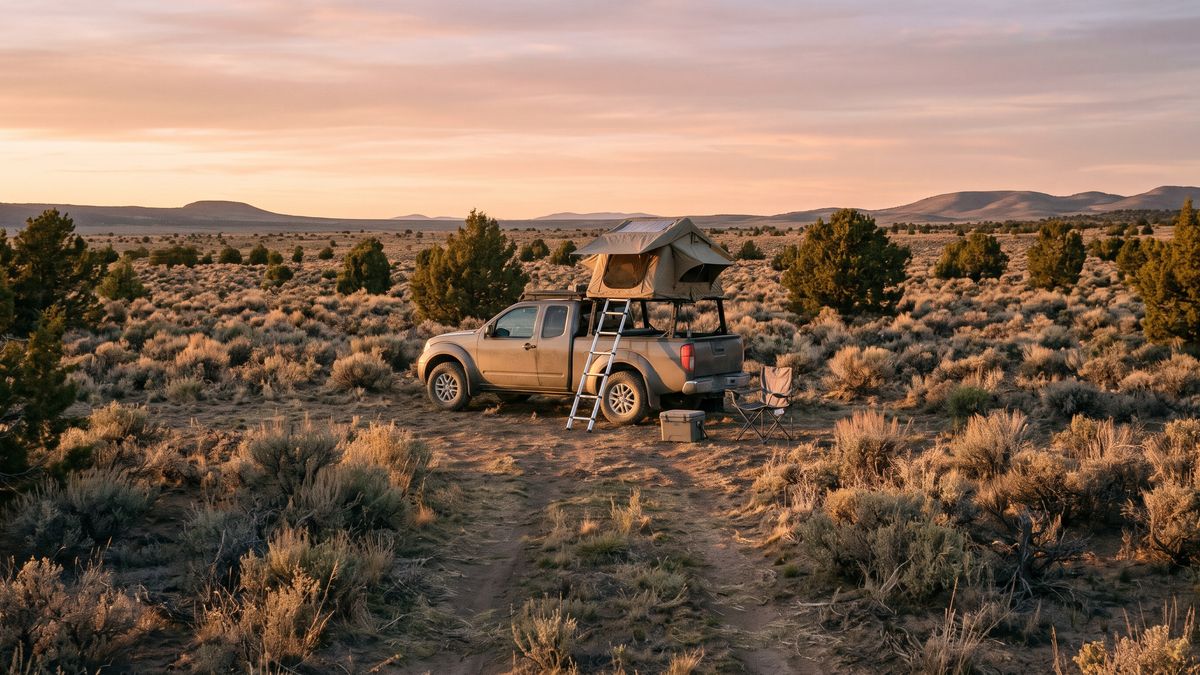


4Getting there, getting home, and having your bags carried
A multi-day hike is often one-way: you start in one place and finish somewhere else. The French Hiking Federation points out that many trails were once laid out from one train station to another, and suggests thinking about the train from the moment you design your hike [1]. In Europe, many starting points can be reached by train and bus, as long as you plan the trip home as seriously as the way out. At home, a one-way backpacking route means sorting out the ride between trailheads before you leave: a second car, a shuttle, or a friend waiting at the other end.
Because it’s the trip home that trips people up. To get back from Alès to Le Puy-en-Velay, at the end of the Stevenson Trail, the trail association suggests a principle: the train to Langogne, then the bus to Le Puy [27]. That isn’t a guaranteed connection every day: before you book the last nights, look up the whole trip for your actual return date. If you leave a car at the trailhead, the park will want to know: at Mount Rainier, the ranger who issues your permit asks for the color, make, model, and license plate number of any vehicle you leave overnight [19], and at Rocky Mountain, overnight backpacking requires a dashtag for your vehicle [24].
Flying in? For the Tour du Mont-Blanc, Geneva Airport is 55 miles (88 km) from Chamonix: FlixBus runs daily from the airport, and the Léman Express train runs to Saint-Gervais-Le Fayet station, where the Mont-Blanc Express takes over up the valley [28].
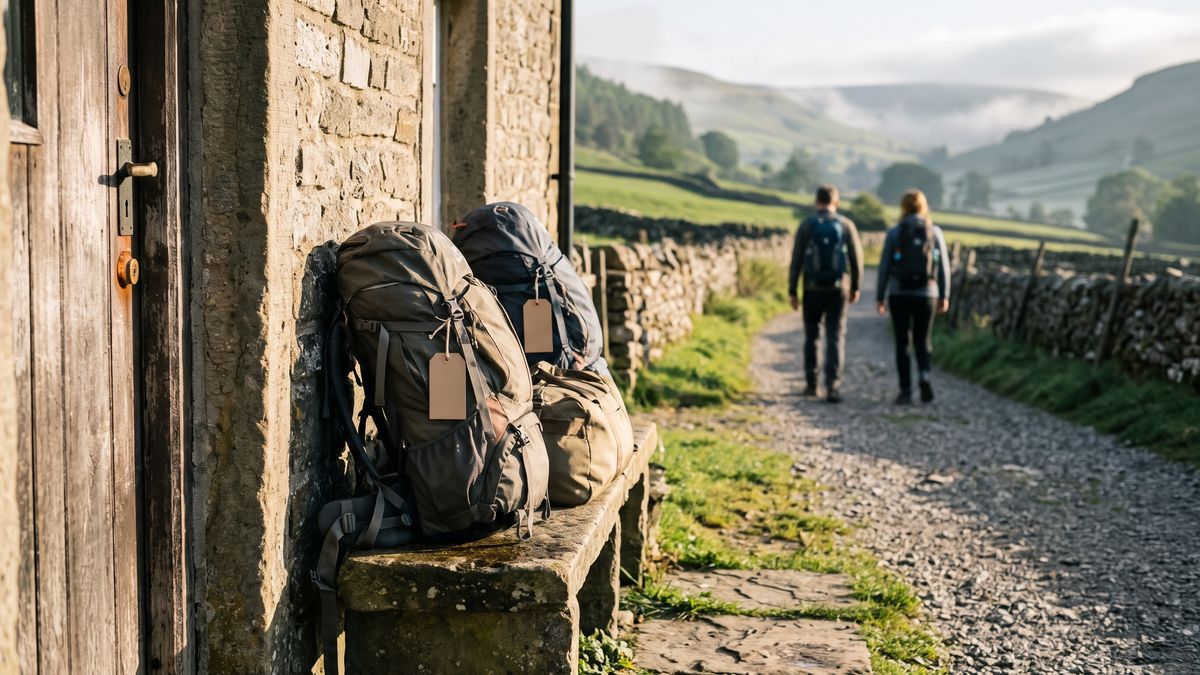
On the busiest European routes, you can also have your big bag moved from one night’s lodging to the next, and hike with a daypack. Our guide to luggage transfers and self-guided hiking covers the rules and the prices. The official West Highland Way site lists 13 baggage transfer businesses [29]; on the Camino, American Pilgrims puts a luggage service at €7 to €10 more a day [14]; and in Portugal, most lodgings on the Rota Vicentina offer transfers, which you request when you book [30]. On a US backpacking trip, no van drives your gear to the next campsite: whatever you need, you carry, which makes the next step count double.
Either way, give the carrier the exact address of each night, not just the name of the village, and have the drop-off time and weight limit confirmed. Keep water, your rain jacket, a warm layer, the first aid kit, and a headlamp on your back: the big bag arrives in the evening, and surprises arrive in the afternoon.


5Pack your backpack: weight first
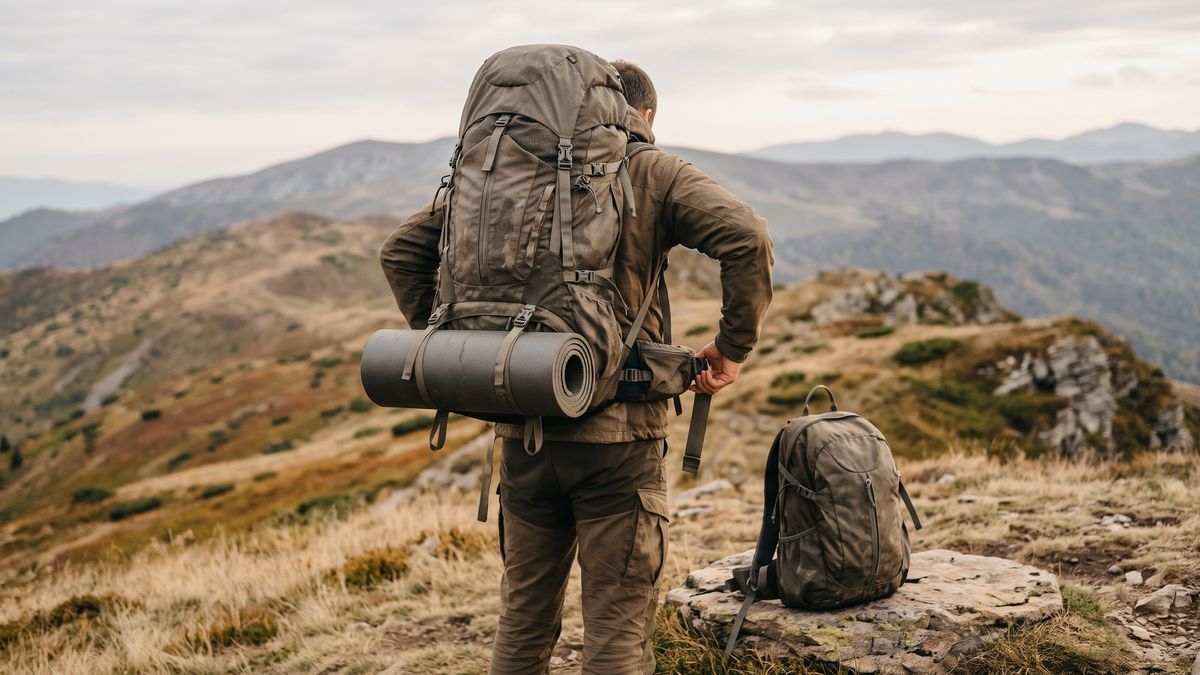
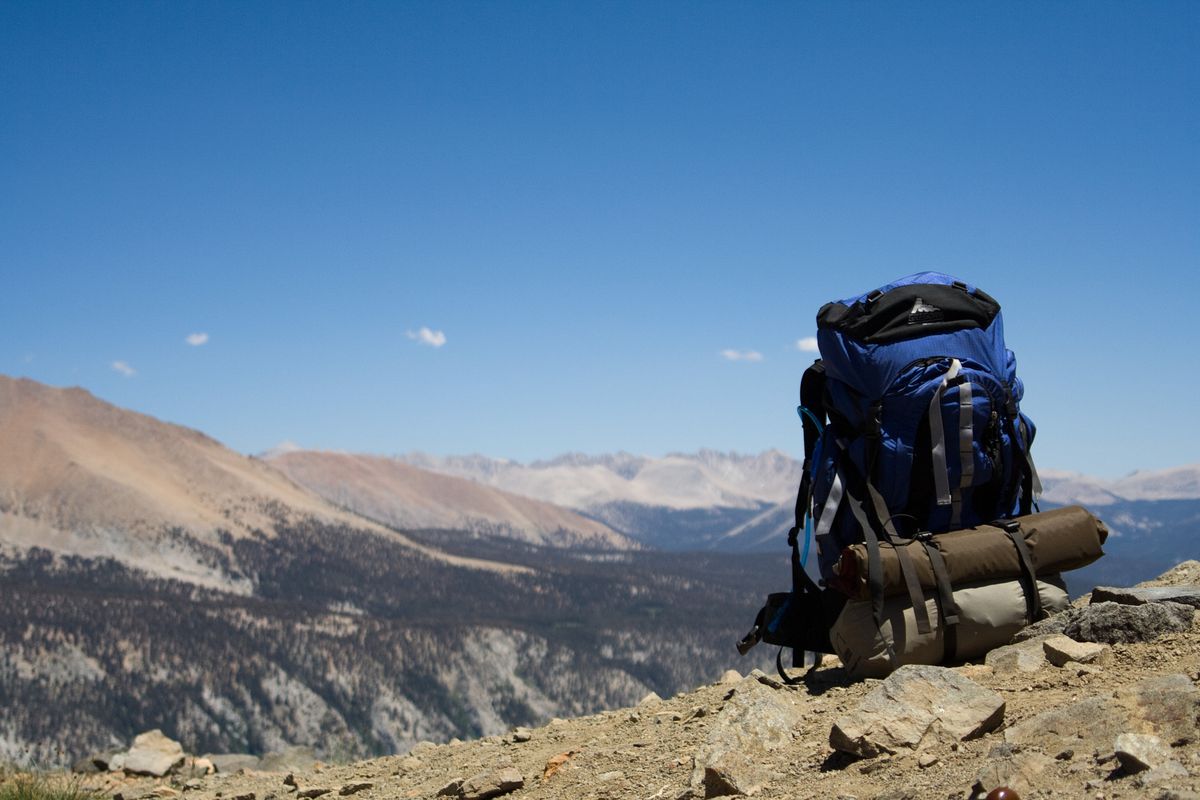
Over several days, every ounce gets carried for thousands of steps, and the published limits don’t all agree, as the table shows: a federation’s general rule, one park’s rule of thumb for its backpackers, and the advice of two routes where you sleep indoors. Then comes volume. For more than four days, the French Hiking Federation considers a 55-liter pack ideal [31]; in huts, I’d start lower, like the 35 to 45 liters of the official Tour du Mont-Blanc site [6], and our guide to backpacking pack size helps you decide.
| Source | For whom | The limit |
|---|---|---|
| French Hiking Federation | Any multi-day hike | 20% of your body weight: 24 lb (11 kg) for a 121-lb (55 kg) hiker, 35 lb (16 kg) at 176 lb (80 kg) [31] |
| Isle Royale National Park (Michigan) | Its backpackers | Rule of thumb: no more than 30% of your body weight, and under 50 pounds no matter what you weigh [32] |
| Official Tour du Mont-Blanc site | Hut to hut on the TMB | 18 to 26 lb (8 to 12 kg) at most [6] |
| Xunta de Galicia | Pilgrims on the Camino de Santiago | Never more than 22 lb (10 kg) [33] |
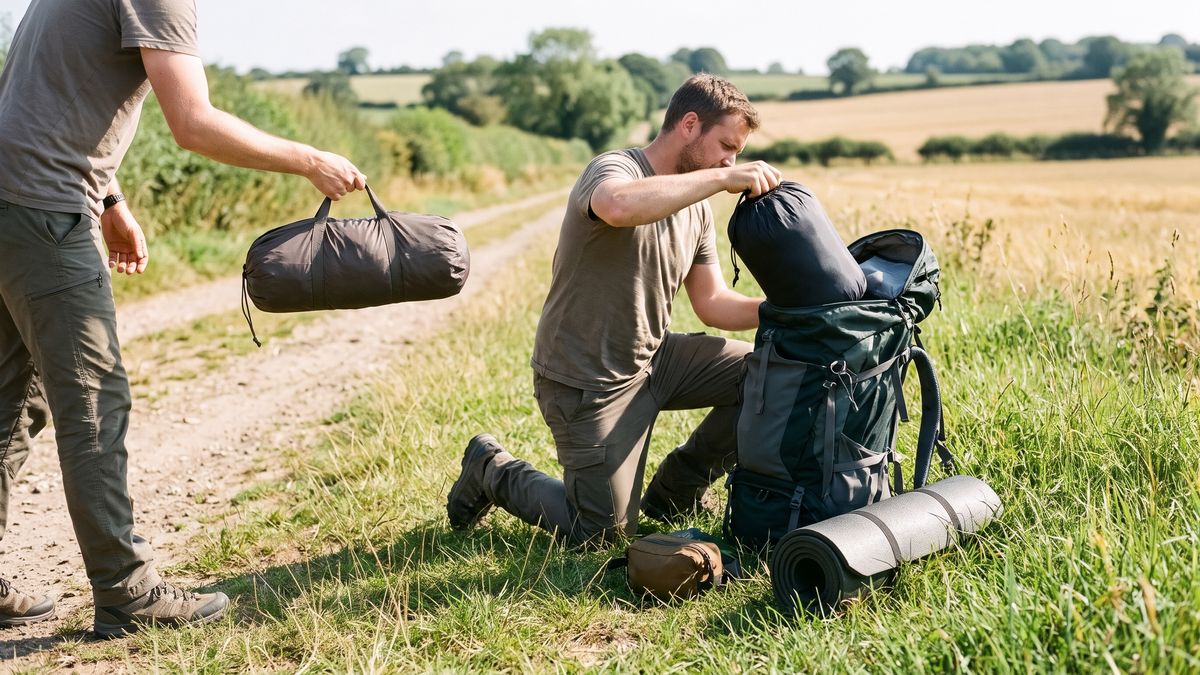
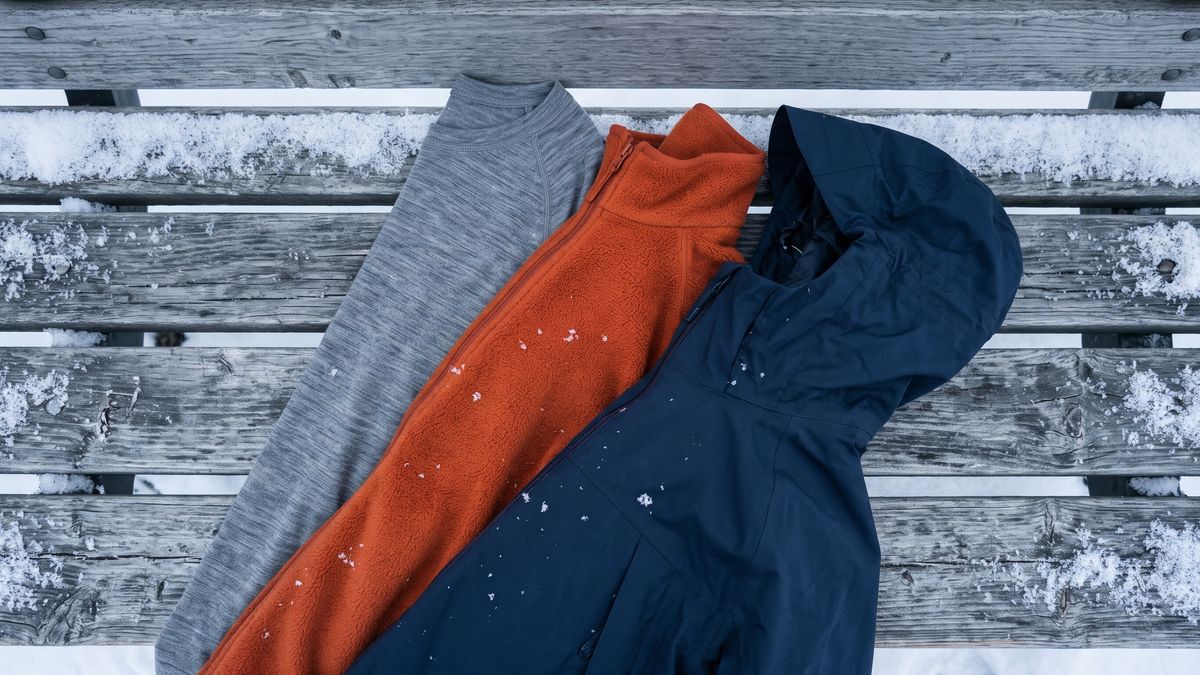
Train with that weight before you go: the official TMB site suggests training with an 18- to 22-lb (8 to 10 kg) pack [7]. For clothes, two outfits are enough, one to hike in and a dry one for the evening, plus the three layers and a rain jacket. The rest gets washed: socks rinsed in the evening, a synthetic or wool T-shirt that dries overnight. In a dorm, the TMB site adds a sleeping bag liner, earplugs, and a towel [7], and MonGR a pillowcase and a headlamp with a red-light mode, which won’t blind your neighbors [20]. Camping instead? The Park Service’s Ten Essentials come first, emergency shelter included [16], then a tent, a sleeping bag and pad, and a stove, as our first backpacking trip checklist details.
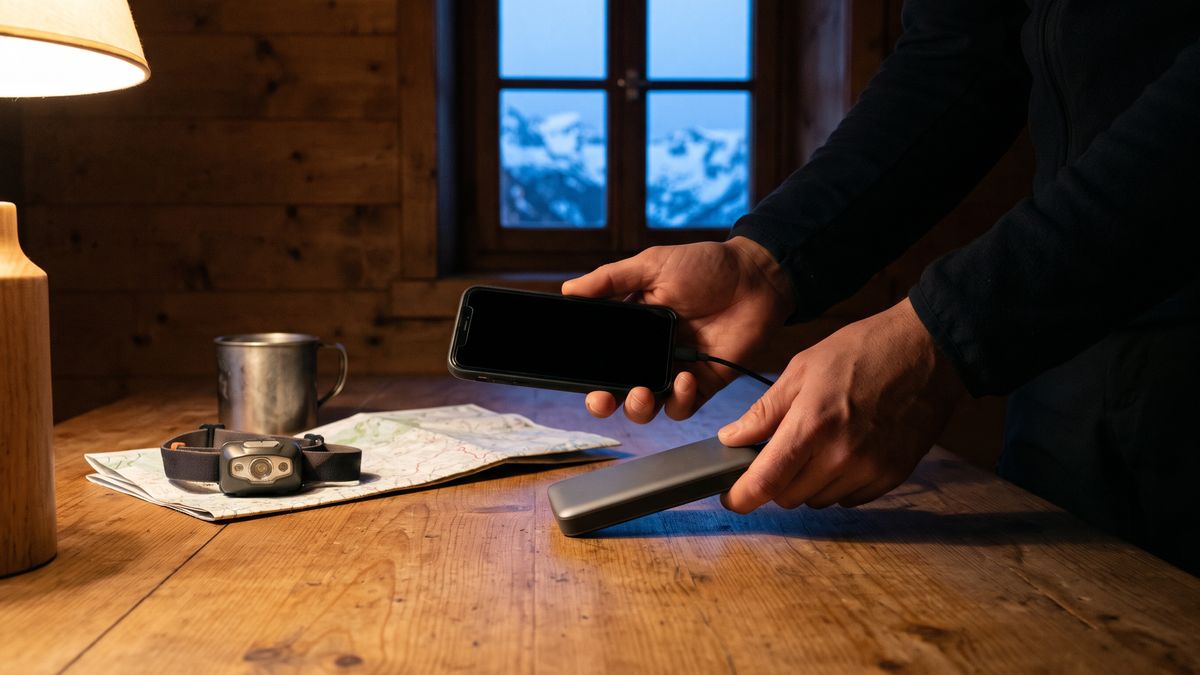
Then there’s electricity, which has become safety gear. In remote huts, power usually comes from solar-charged batteries, and phone charging isn’t a guaranteed service: MonGR suggests saving your battery, with airplane mode where there’s no signal, and a power bank [20]. Do the math before you leave: the number of days without an outlet, and the number of charges your power bank holds. To set a weight limit and find where to cut ounces, see our guide to pack weight for multi-day hikes.


6Food and water, day after day
In a hut or a gîte, dinner and breakfast are taken care of; lunch is up to you. At a hut, you order the next day’s packed lunch the night before [20]; elsewhere, you buy it along the way. The French Hiking Federation suggests finding out ahead where you can resupply along the trail, so you don’t add miles hunting for a grocery store or a bakery [1]. Note closing days, too: off-season, Sundays and holidays shut many shops in European villages.
In the US backcountry, resupply takes planning of its own. On the Wonderland Trail, you can cache food at Longmire and White River from July through September, mailed ahead or dropped off yourself, in a labeled plastic container that keeps rodents out; the park doesn’t move caches around, and fuel can’t be mailed [34].
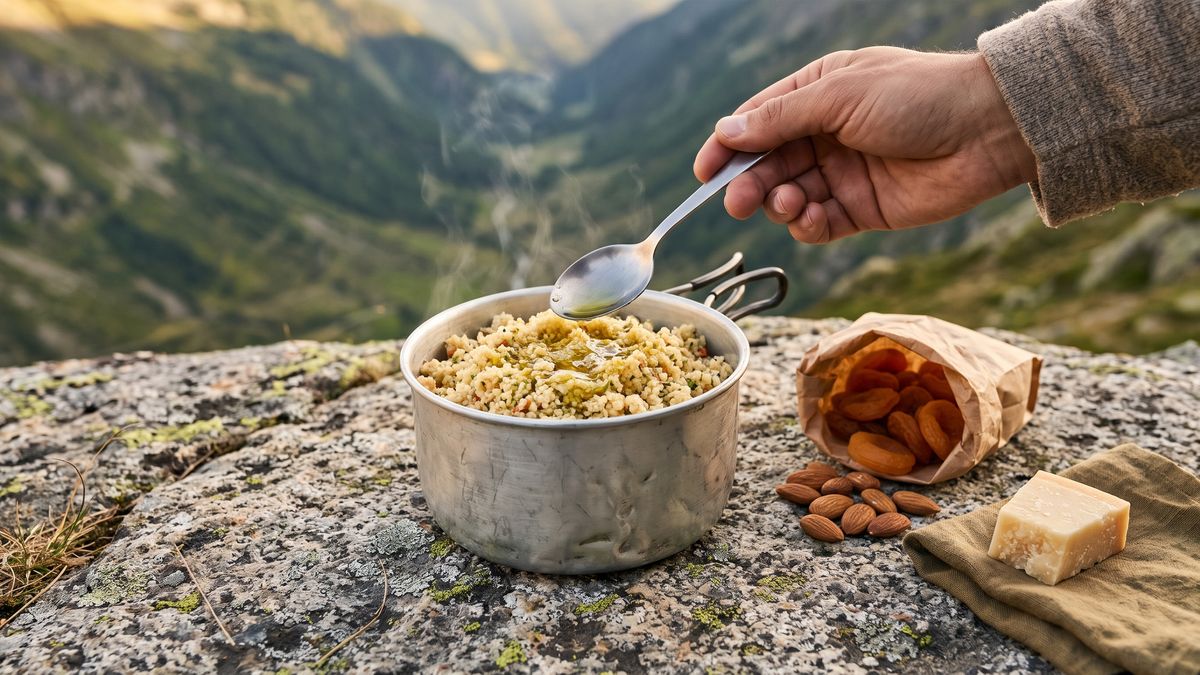
Self-supported, everything gets carried, and everything gets weighed. The French Hiking Federation suggests light, compact, nutritious foods: perishables such as cheese and meat at the very start, then cured meats or freeze-dried meals; no cans, which are heavy and awkward, and no alcohol [35]. The Park Service’s advice for bear country points the same way: compact, high-calorie foods without strong odors, such as rice, tortillas, jerky, pasta, nuts, dried fruit, peanut butter, and protein bars [36]. Our guide to backpacking food does the math: at about 130 calories per ounce (450 per 100 g), a day on the trail fits in about 2.2 lb (1 kg) of food, plus water and fuel.
Food storage is part of the plan, too. Some parks require food lockers or bear canisters, while others let you hang your food from a tree [36]. Rocky Mountain requires a hard-sided, lockable, commercially made bear canister for every wilderness overnight, and you bring it to the Wilderness Office to get your permit [24]. Check the rule of each park on your route, and see our guide to wildlife at camp.
For water, mark springs, fountains, and huts on the map, and treat any natural water before you drink it: a filter or tablets weigh less than the liters they save you from carrying. Fuel doesn’t travel the way you do: the FAA forbids all camp stove fuel, canisters included, in both carry-on and checked baggage [37], and stove maker MSR sums it up: canister fuel is a hard stop for air travel [38]. Flying in, buy your canister on arrival: for the West Highland Way, the official site points to outdoor stores in Glasgow, with more limited options in Milngavie, and suggests checking stock and opening hours [39].


7Day by day: feet, laundry, and leaving no trace
Start early, arrive early. At a hut, getting in by mid-afternoon gives you time to settle in [20], and on the GR20, booked places are held only until 7 p.m. [12]. Afternoon is also storm time: in summer, thunderstorms usually develop in the early afternoon, so the Park Service suggests leaving early in the morning [40]. Better to watch them from the hut’s terrace, or from camp.
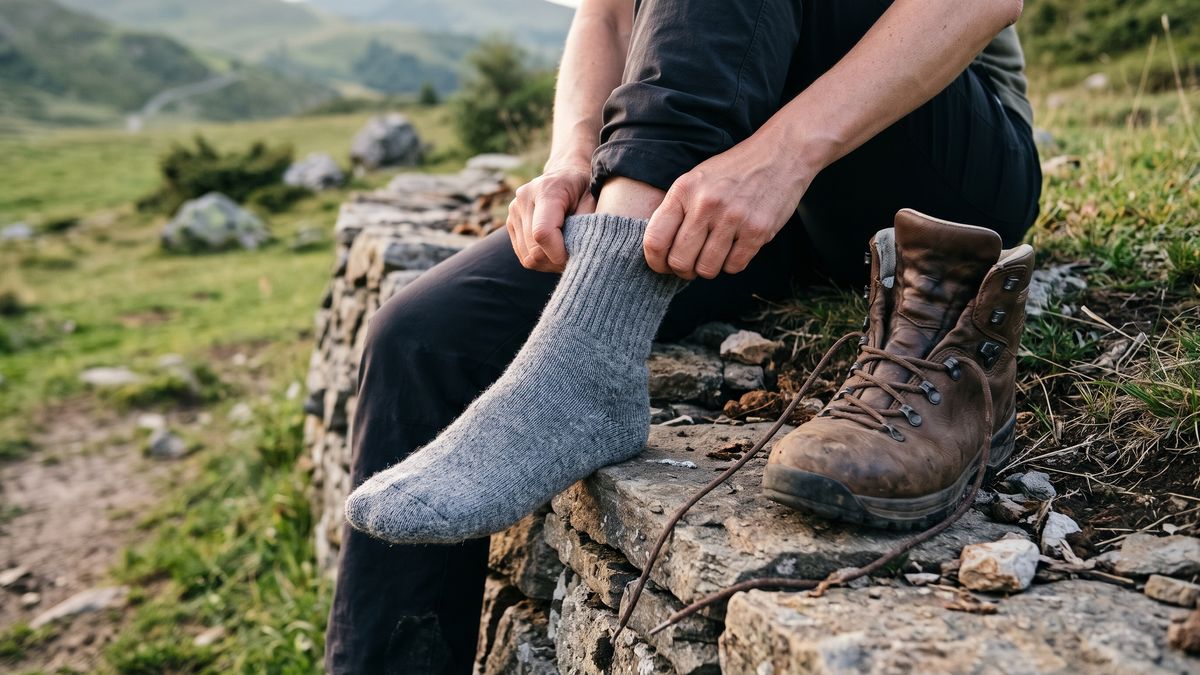
Your feet are the real engine of a multi-day hike. In 2022, Spanish researchers examined 203 hikers on the Camino de Santiago’s Camino Francés, who had walked an average of about 158 miles (254 km): 68.5% had blisters, and hiking in wet socks multiplied the risk by 1.94; they recommend changing socks during long stages [41]. The American Academy of Dermatology suggests nylon or moisture-wicking socks, and shoes that are neither too tight nor too loose [42]. At the first hot spot, stop and protect it: our guide to preventing blisters covers how.
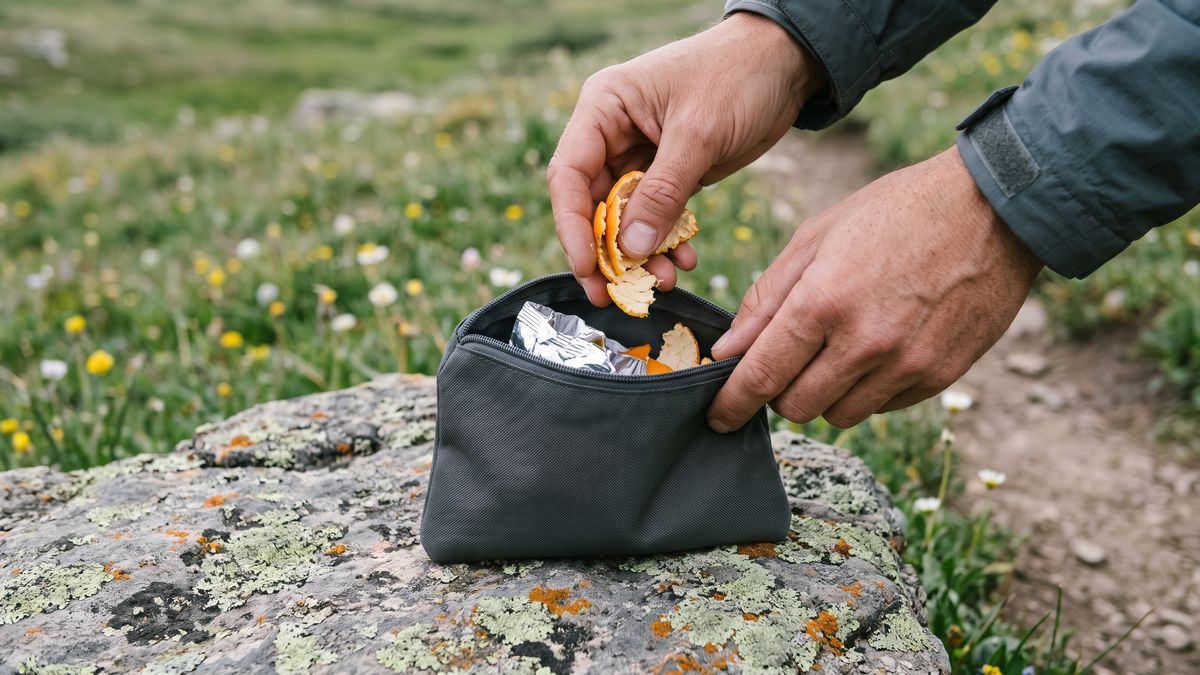
Evenings mean laundry: socks rinsed and hung up, boots opened wide with the insoles out to dry. In huts, go easy on hot water and power, and carry your trash back down to the valley, the French Hiking Federation asks [11]. Outdoors, use toilets where they exist; otherwise, Leave No Trace, as the Park Service presents it, says to dig a cathole 6 to 8 inches (15 to 20 cm) deep, at least 200 feet (about 60 m) from water, camp, and trails, to cover and disguise it, and to pack out your toilet paper [43]. Our guide to Leave No Trace hiking covers the other principles. If your knees complain on descents, our guide to knee pain when hiking downhill covers technique, poles, and strength work.


8The forecast, rescue, and knowing when to turn back
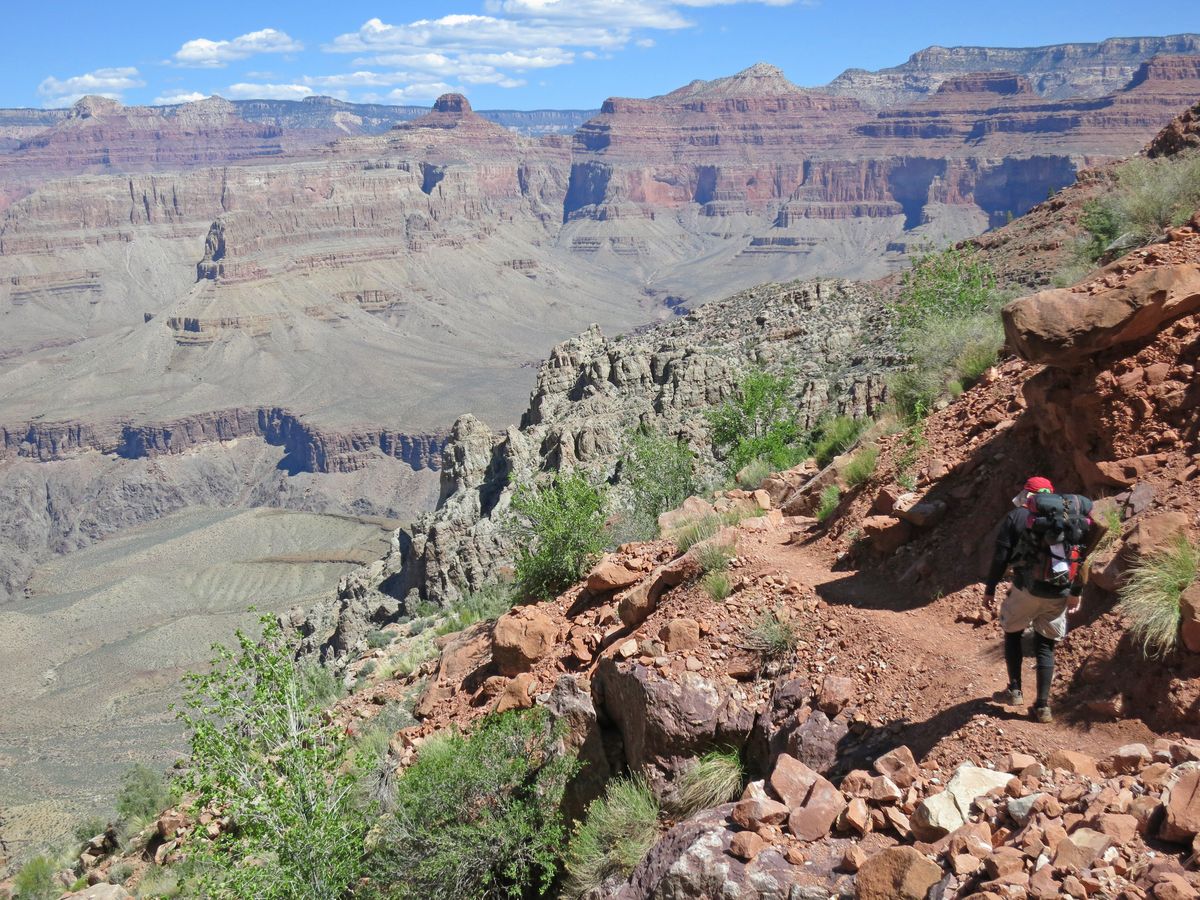
Every evening, check the next day’s forecast: at home, the National Weather Service forecast on weather.gov, which gives you a forecast for the spot you click on its map [44]; in France, the mountain forecasts from Météo-France, the national weather service [45]. The hut keeper or the ranger also knows the state of the trail and the streams: ask before you set off. On the GR20, the park says it plainly: even in summer, storms can be violent, and turning back is better than taking risks [8].
Leave your full itinerary with someone. The Park Service calls it a trip plan: written down and left with a trusted contact who isn’t on the trip, never with the park, which won’t accept it; if you’re not back when expected, your contact calls the authorities [46]. The French Hiking Federation asks anyone heading out alone for several days to tell at least one person their route, approximate location, and return date [1]; add the name and phone number of each night’s lodging, or your permit’s camps. Mention the dead zones, too: on the Tour du Mont-Blanc, the main one runs from the Pont Romain, in Les Contamines, to Lac Combal, and the official site suggests letting your loved ones know you may be out of contact for several days [6].
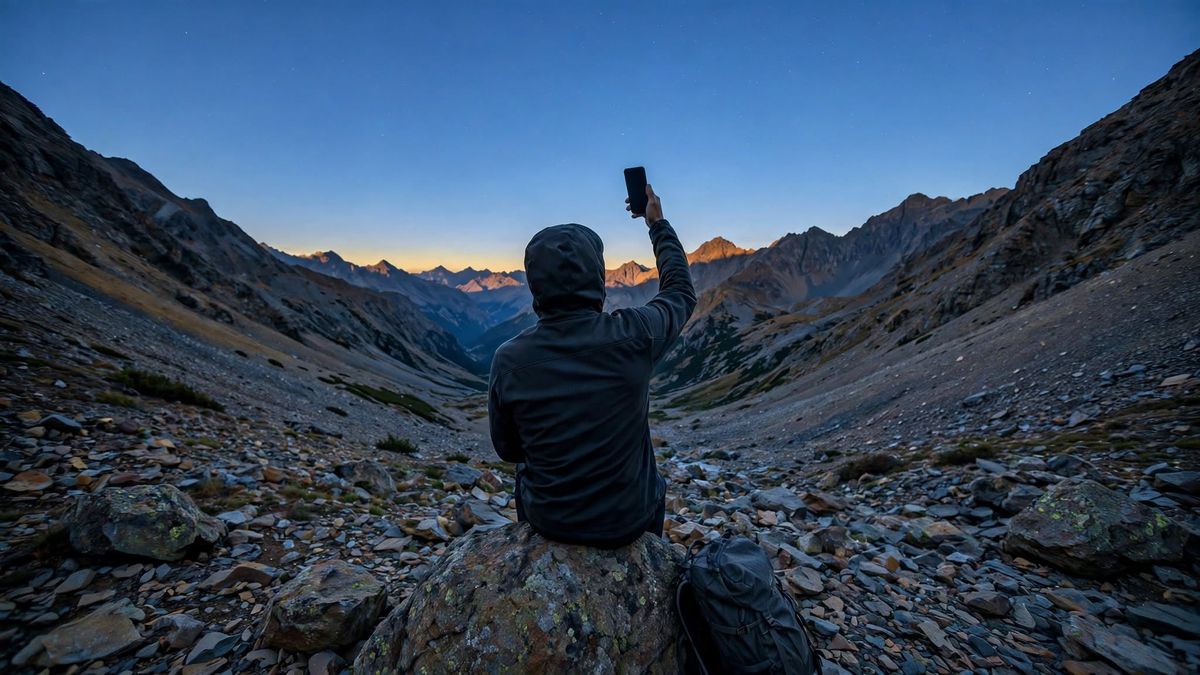
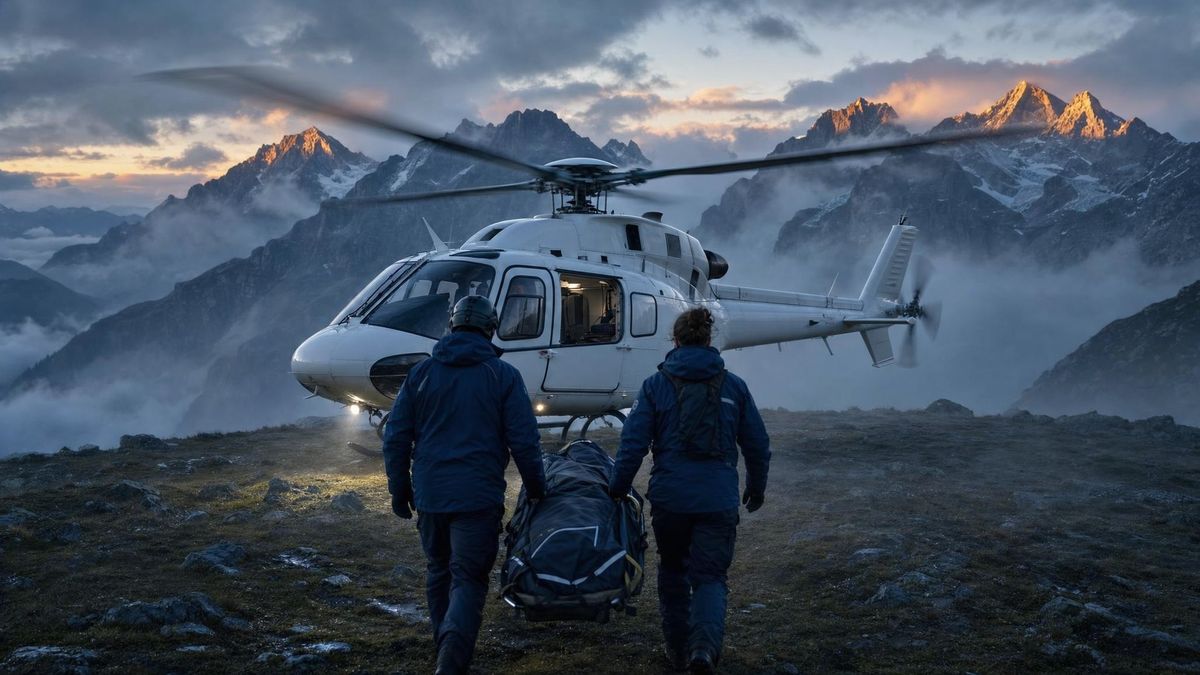
In an emergency, call 911 in the US. In Europe, dial 112, free of charge everywhere in the EU, from a landline or a cell phone, and used in Switzerland too [47]. If the call won’t go through, change your location and try again, advises Rega, Swiss Air-Rescue [48]. With no network at all, a 406 MHz personal locator beacon is your backup: in the US, registering it with NOAA is required by law, and the registration is valid for two years [49]. Our guide to calling for help without cell service covers the rest, from satellite SOS on your phone to the whistle.
Last, check who would pay for a rescue. The answer changes at every border, and in the US, from one state to the next.
| Where | The rule |
|---|---|
| US national parks | The National Park Service will not charge visitors for search-and-rescue operations, its management policies state [50] |
| New Hampshire | A voluntary hikeSafe card lets you avoid being held liable for rescue costs, except in the cases state law sets out [51] |
| France | A principle of free rescue, with very few exceptions: downhill and cross-country skiing [52] |
| Switzerland | The people rescued are billed, with various insurance schemes to soften the cost [53] |
| Austria | A flat-rate scale since 2022, which local rescue sections apply or adjust, plus the helicopter, about €85 a minute depending on conditions [53] |
| Italy | It depends on the region [53] |
Medicare usually doesn’t cover health care outside the US, and travel insurance doesn’t necessarily include health coverage [54]. Before you fly, check what your policy pays for search, rescue, and helicopter evacuation, or what an alpine club membership covers, with our guide to search and rescue costs.


9Going further: abroad, under a tent, and other ways to travel
One good multi-day hike, and Europe opens up. You can cross the Dolomites hut to hut on the Alta Via 1, Portugal’s coast on the Rota Vicentina, and Scotland on the West Highland Way. Farther north, the right to roam in Sweden, Norway, and Finland changes how you sleep outdoors, and Iceland has rules of its own. Most French hikers go through an agency when they hike abroad, the French Hiking Federation notes, but planning the trip yourself isn’t that hard: it all comes down to organization [1].
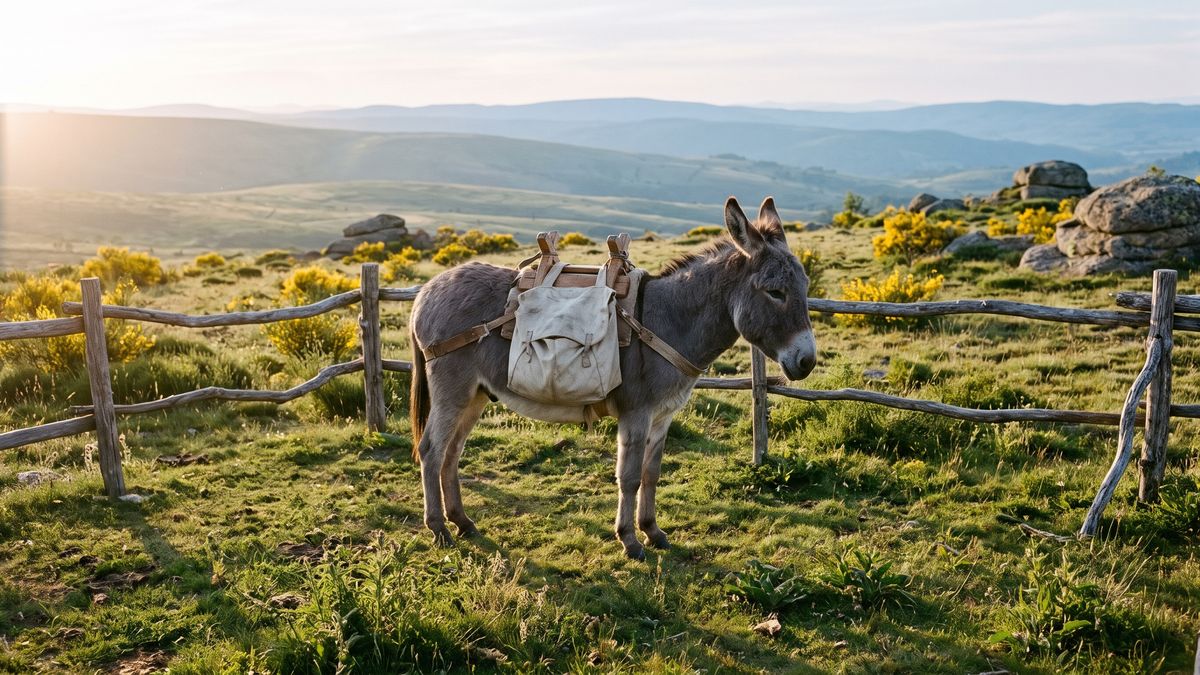
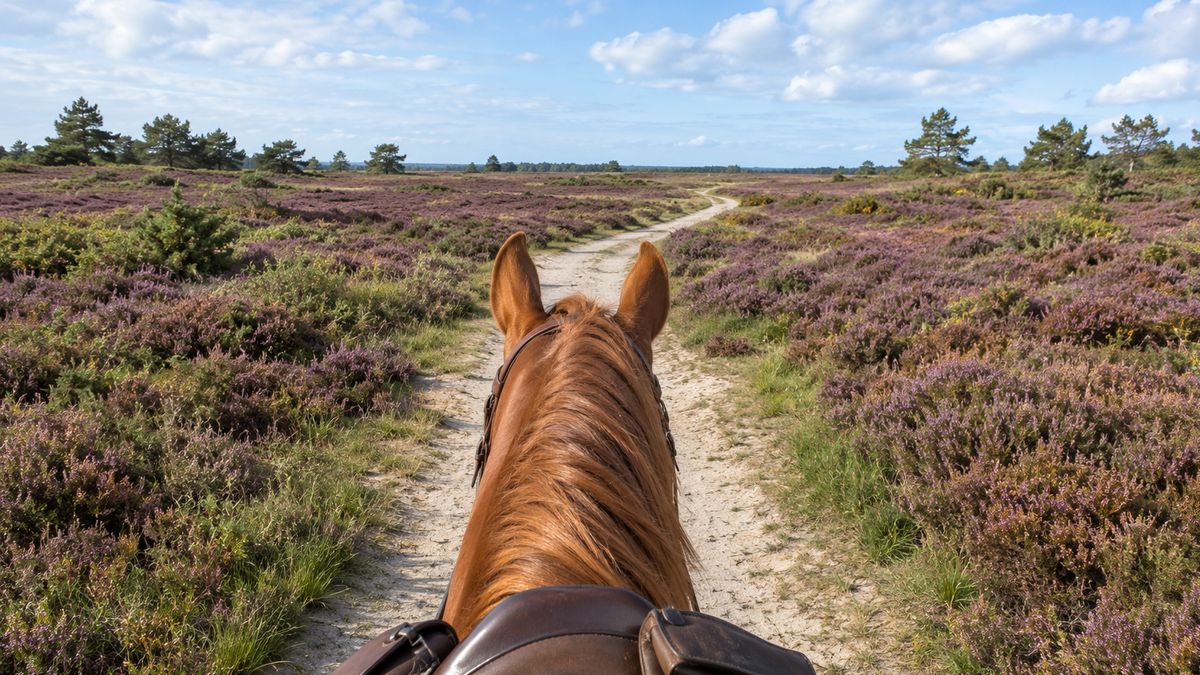
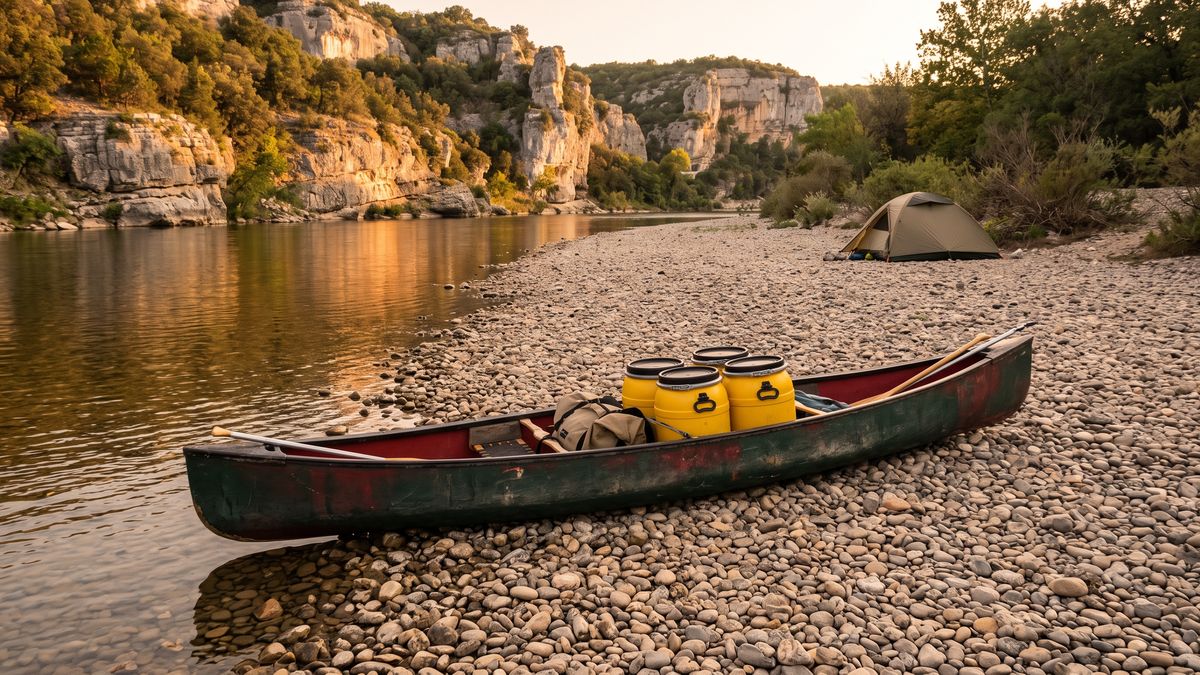
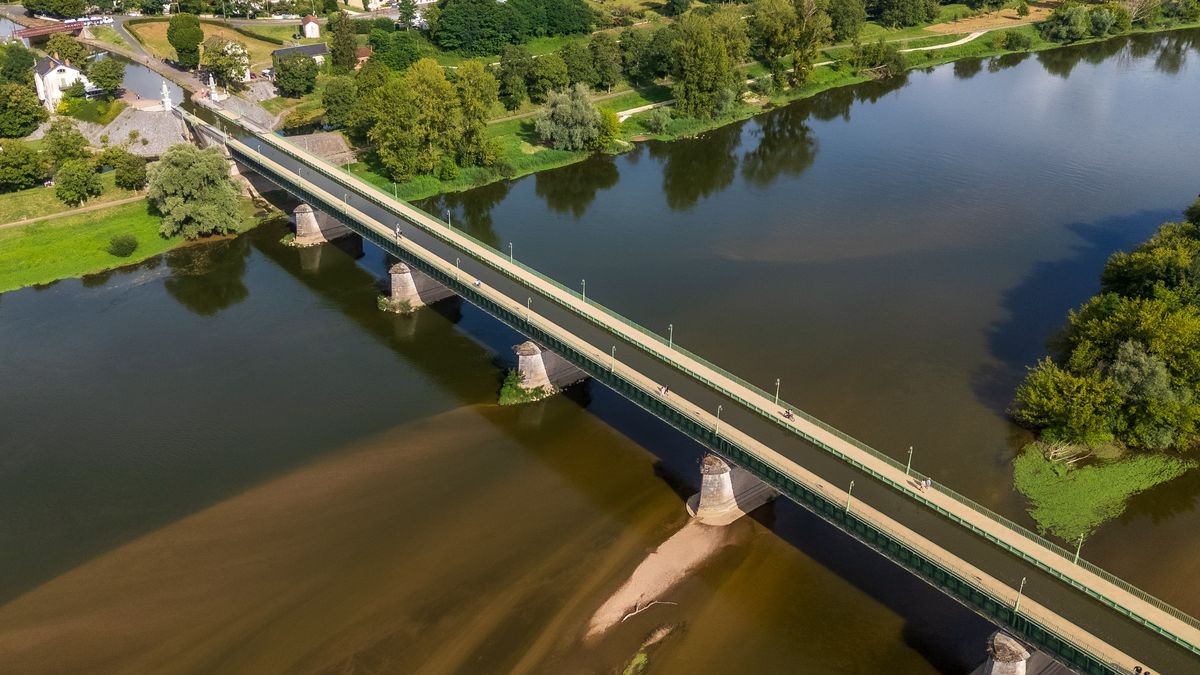
Fully self-supported, under a tent, your choice of gear becomes extremely important, the federation also warns [1]: our step-by-step guide to your first backcountry camping trip covers every stage of a night out. And walking isn’t the only way to string the days together: a pack donkey carries a small family’s bags, a horse lengthens the stages, a canoe takes you down a river in two or three days, and a bike follows the Loire or heads out bikepacking. Winter changes the rules: our guide to winter hiking goes through each step for the cold season.
The smart move, back home: write down what you missed, what you never used, and your real hiking times. Your second multi-day hike starts with the first one. In Iceland, the Laugavegur runs from hut to hut, as long as you book early.


Your multi-day backpacking checklist
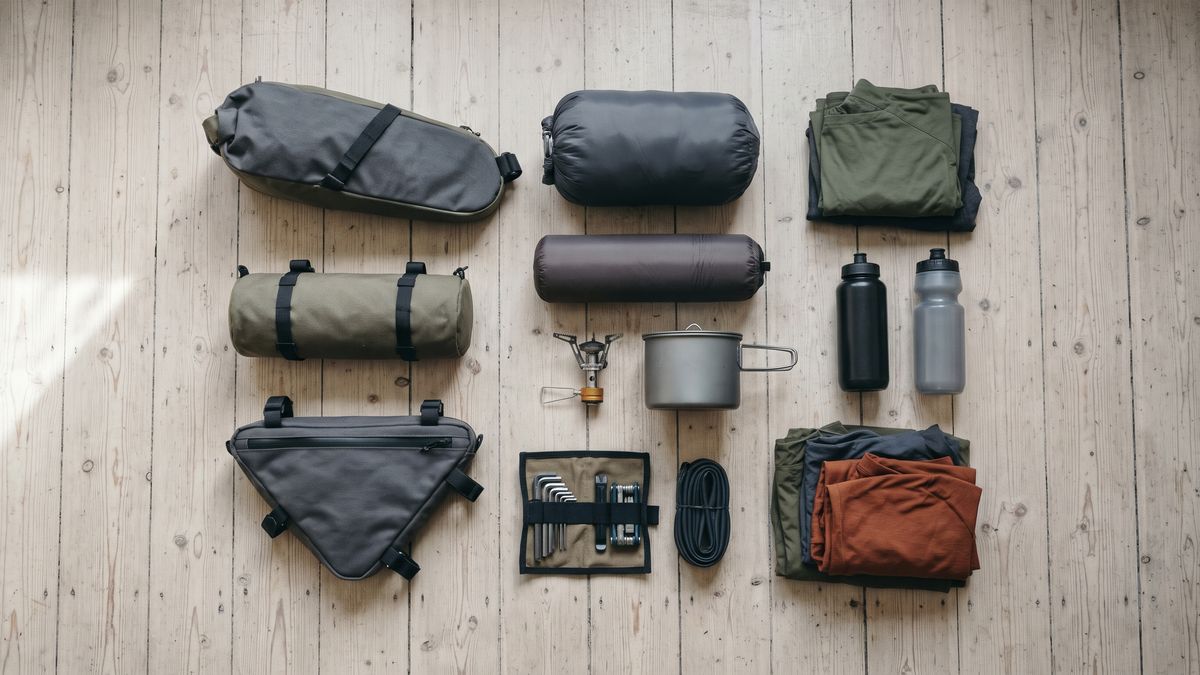
Check it off the week before, then read it again the night before you leave. It’s built on the French Hiking Federation’s advice and the Park Service’s Ten Essentials [1, 31, 16]; adjust it to the season, where you’ll sleep, and how long you’ll be out, from a three-day backpacking trip to two weeks hut to hut.
- Group tested on a day hike, marked route matched to the least fit hiker
- Stages counted in hours, a spare day, bail-out points marked
- Huts or permits booked and confirmed, cancellation terms read; printed permit if the park requires one
- Travel there and back booked, schedules checked for your return date; ride between trailheads arranged
- Luggage transfer confirmed, with the exact address of each night
- Pack weighed: no more than 20% of your body weight, less for a hut trip
- For huts: sleeping bag liner, pillowcase, earplugs, towel; for camping: shelter, sleeping bag and pad, stove
- Bear canister wherever the park requires one
- Dry clothes for the evening, spare socks, blister care
- Phone, power bank, and cable; map or guidebook
- Resupply points and water sources marked; a way to treat water
- Cash, passport, alpine club card, and insurance policy
- Trip plan, with each night’s lodging or camp, left with a trusted contact; 911 at home, 112 in Europe
Gear related to this article
No affiliation: no commission, no sponsored products.
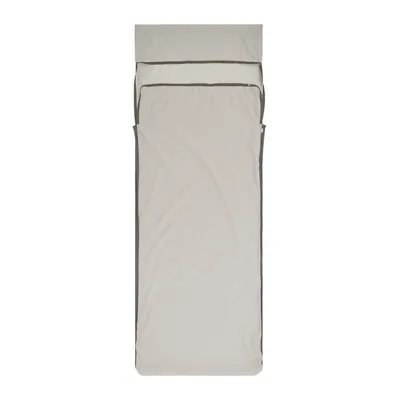
Sea to Summit Silk Blend Liner (Rectangular)
A 5.6 oz rectangular sleeping bag liner, 28% silk, with a sleeve that slips over the hut pillow: the sheet and pillowcase that mountain huts ask you to bring.
View on Amazon (opens in a new tab)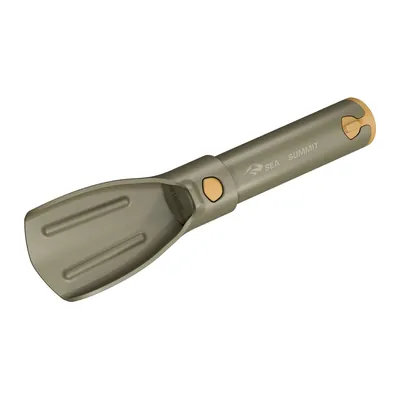
Sea to Summit Pocket Trowel
A 2.4 oz trowel in glass-reinforced nylon, with a hollow retractable handle for TP and depth markings for digging a cathole the 6 to 8 inches Leave No Trace recommends.
View on Amazon (opens in a new tab)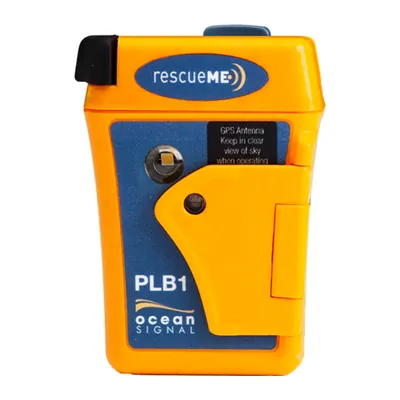
Ocean Signal rescueME PLB1
A 406 MHz personal locator beacon: the alert and GPS position go out through the Cospas-Sarsat system, with no cell service or subscription needed. In the US, it must be registered with NOAA.
View on Amazon (opens in a new tab)
Worth watching
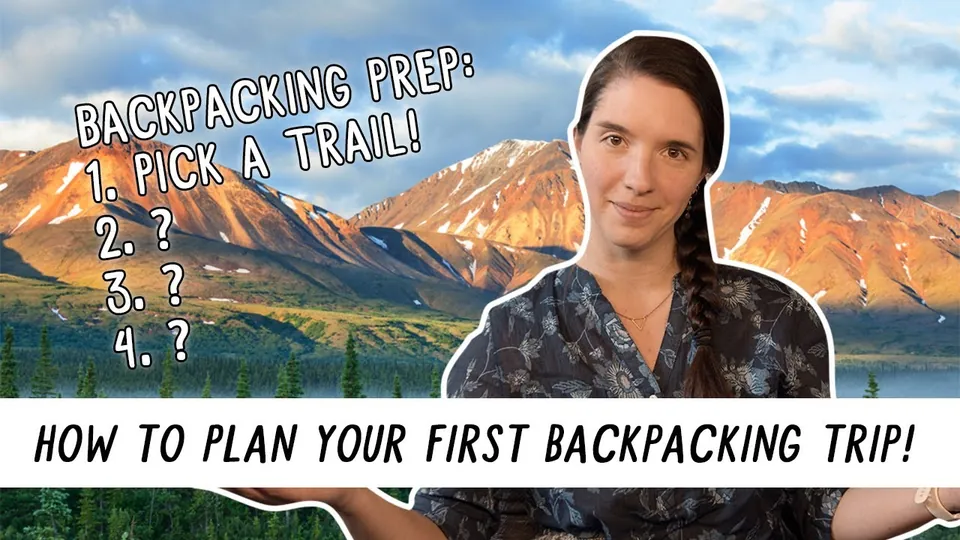
Thirteen minutes from REI on planning a first backpacking trip in four steps: picking a trail, doing your research on conditions and rules, packing your bag, and making a plan and sharing it.
The video is hosted by YouTube (Google): nothing loads until you play it, and Google may then set cookies.
FAQ
How do I plan a multi-day hike?
Test your group on a day hike first, as the French Hiking Federation suggests, then pick a marked route of two or three days. Plan the stages in hours, book huts or permits early, along with travel there and back, and keep your pack under 20% of your body weight. Leave a trip plan with a trusted contact, and check the forecast every evening.
How many miles a day should I plan on a multi-day hike?
It depends on the terrain. The French Hiking Federation counts 2.5 mph (4 km/h) on the flat and 1,000 to 1,150 feet (300 to 350 m) of climbing an hour, breaks not included. On the Camino de Santiago, most people walk 12.5 to 18.5 miles a day; on the Tour du Mont-Blanc, 5 to 8 hours a day. Start with shorter stages, as Galicia’s regional government advises.
What goes on a multi-day backpacking checklist?
Start with the National Park Service’s Ten Essentials: navigation, sun protection, extra clothing, a headlamp, first aid supplies, fire, a repair kit, extra food, water and a way to treat it, and emergency shelter. Add a tent, a sleeping bag and pad, a stove, and a bear canister where the park requires one. In European huts, swap the tent for a sleeping bag liner, earplugs, a towel, and cash.
How heavy should my pack be for a multi-day hike?
The French Hiking Federation recommends no more than 20% of your body weight: 24 lb for a 121-lb hiker, 35 lb at 176 lb. Isle Royale National Park’s rule of thumb is up to 30%, and under 50 lb no matter what you weigh. In huts, with no tent or food to carry, the official Tour du Mont-Blanc site aims for 18 to 26 lb at most.
When should I book huts or backcountry permits?
As early as you can. The French Hiking Federation suggests checking lodging at least six months ahead, and on the Tour du Mont-Blanc, summer 2027 bookings opened on October 15, 2026. In US parks, permits often start with a lottery: Yosemite releases 60% of each trailhead’s quota 24 weeks ahead, and Mount Rainier’s early-access lottery opens in February.
Who pays if I need to be rescued?
In US national parks, the Park Service doesn’t charge visitors for search and rescue, but some states can bill you: in New Hampshire, a hikeSafe card helps you avoid that. In France, mountain rescue is free, with very few exceptions such as skiing; Switzerland bills the people it rescues, and Austria has a flat-rate scale and bills helicopters separately. Medicare usually doesn’t cover care abroad, so check your travel insurance for rescue and evacuation.
Sources
- French Hiking Federation (FFRandonnée), “Organiser sa randonnée” (in French), June 23, 2022, accessed November 12, 2026. ffrandonnee.fr https://www.ffrandonnee.fr/randonner/conseils/organiser-sa-randonnee ↩
- Chemin de Stevenson association, “Choisir ses étapes” (in French), accessed November 12, 2026. chemin-stevenson.org https://www.chemin-stevenson.org/choisir-ses-etapes/ ↩
- West Highland Way, “The Route,” accessed November 12, 2026. westhighlandway.org https://www.westhighlandway.org/the-route/ ↩
- West Highland Way, “Suggested Itineraries,” 5- to 7-day plans, accessed November 12, 2026. westhighlandway.org https://www.westhighlandway.org/the-route/suggested-itineraries/ ↩
- Autour du Mont-Blanc, Espace Mont-Blanc website, “Tour du Mont Blanc” (in French), route description, accessed November 12, 2026. autourdumontblanc.com https://www.autourdumontblanc.com/itineraires/tous-les-itineraires/tour-du-mont-blanc ↩
- Official Tour du Mont-Blanc website, “Planning Your Tour,” accessed November 12, 2026. montourdumontblanc.com https://www.montourdumontblanc.com/en/get-ready ↩
- Official Tour du Mont-Blanc website, “FAQ,” accessed November 12, 2026. montourdumontblanc.com https://www.montourdumontblanc.com/en/faq ↩
- Corsica Regional Nature Park, “GR®20 : Frà li monti®” (in French), information, prices, rules, and stages for the 2026 season, accessed November 12, 2026. pnr.corsica https://www.pnr.corsica/fr/randonnees-decouverte/gr-20-fra-li-monti ↩
- Mount Rainier National Park, “The Wonderland Trail,” National Park Service, updated July 23, 2026, accessed November 12, 2026. nps.gov https://www.nps.gov/mora/planyourvisit/the-wonderland-trail.htm ↩
- Mount Rainier National Park, “Wilderness Permit Frequently Asked Questions,” National Park Service, updated December 31, 2025, accessed November 12, 2026. nps.gov https://www.nps.gov/mora/planyourvisit/wilderness-permit-faqs.htm ↩
- French Hiking Federation (FFRandonnée), “Les hébergements” (in French), October 13, 2020, accessed November 12, 2026. ffrandonnee.fr https://www.ffrandonnee.fr/randonner/conseils/les-hebergements ↩
- Corsica Regional Nature Park joint authority, “Conditions générales de vente à distance de nuitées en refuge” (in French), 2026 season, accessed November 12, 2026. pnr-resa.corsica https://pnr-resa.corsica/CGV.pdf ↩
- French Hiking Federation (FFRandonnée), “Les itinéraires de randonnée” (in French), March 26, 2021, accessed November 12, 2026. ffrandonnee.fr https://www.ffrandonnee.fr/randonner/ou-pratiquer/les-itineraires-de-randonnee ↩
- American Pilgrims on the Camino, “Prepare for Your Camino,” accessed November 12, 2026. americanpilgrims.org https://americanpilgrims.org/prepare-for-camino/ ↩
- Xunta de Galicia, “Guía de emergencias para la peregrinación por los Caminos de Santiago” (in Spanish), leaflet, accessed November 12, 2026. caminodesantiago.gal https://www.caminodesantiago.gal/documents/17639/100607/Folleto_guia_peregrinos_E_V6.pdf?version=1.0 ↩
- National Park Service, “Ten Essentials,” updated May 28, 2026, accessed November 12, 2026. nps.gov https://www.nps.gov/articles/10essentials.htm ↩
- Yosemite National Park, “Wilderness Permits,” National Park Service, updated December 31, 2025, accessed November 12, 2026. nps.gov https://www.nps.gov/yose/planyourvisit/wildpermits.htm ↩
- Grand Canyon National Park, “Backcountry Permit,” National Park Service, updated September 8, 2026, accessed November 12, 2026. nps.gov https://www.nps.gov/grca/planyourvisit/backcountry-permit.htm ↩
- Mount Rainier National Park, “Wilderness Permits,” National Park Service, updated October 23, 2026, accessed November 12, 2026. nps.gov https://www.nps.gov/mora/planyourvisit/wilderness-permit.htm ↩
- MonGR (French Hiking Federation), “Les clés pour une bonne nuit en refuge” (in French), accessed November 12, 2026. mongr.fr https://www.mongr.fr/conseils/sinformer/les-cles-pour-une-bonne-nuit-en-refuge ↩
- FFCAM, Valmasque hut, “Rates,” 2025-2026 rates, accessed November 12, 2026. refugedevalmasque.ffcam.fr https://refugedevalmasque.ffcam.fr/GB_tarifs.html ↩
- Appalachian Mountain Club, “High Mountain Huts of the White Mountains,” accessed November 12, 2026. outdoors.org https://www.outdoors.org/destinations/huts/ ↩
- Appalachian Mountain Club, “Lakes of the Clouds Hut,” accessed November 12, 2026. outdoors.org https://www.outdoors.org/destinations/new-hampshire/lakes-of-the-clouds-hut/ ↩
- Rocky Mountain National Park, “Wilderness Overnight Backpacking,” National Park Service, updated August 28, 2026, accessed November 12, 2026. nps.gov https://www.nps.gov/romo/planyourvisit/wilderness-overnight-backpacking.htm ↩
- Bureau of Land Management, “Camping on Public Lands,” accessed November 12, 2026. blm.gov https://www.blm.gov/programs/recreation/camping ↩
- French Federation of Alpine and Mountain Clubs (FFCAM), “Réduction dans les refuges des clubs alpins” (in French), accessed November 12, 2026. ffcam.fr https://www.ffcam.fr/reciprocite-refuges.html ↩
- Chemin de Stevenson association, “Accès / Transport” (in French), accessed November 12, 2026. chemin-stevenson.org https://www.chemin-stevenson.org/acces-transport/ ↩
- Chamonix-Mont-Blanc tourist office, “Comment venir ?” (in French), accessed November 12, 2026. chamonix.com https://www.chamonix.com/infos-et-services/comment-venir ↩
- West Highland Way, “Accommodation and Services,” directory of lodging and services, accessed November 12, 2026. westhighlandway.org https://www.westhighlandway.org/location/ ↩
- Rota Vicentina, “Help Guide,” the association’s FAQ, accessed November 12, 2026. rotavicentina.com https://rotavicentina.com/en/help-guide/ ↩
- French Hiking Federation (FFRandonnée), “Préparer son sac à dos” (in French), June 6, 2024, accessed November 12, 2026. ffrandonnee.fr https://www.ffrandonnee.fr/randonner/conseils/preparer-son-sac-a-dos ↩
- Isle Royale National Park, “Packing Guide,” National Park Service, updated September 25, 2026, accessed November 12, 2026. nps.gov https://www.nps.gov/isro/planyourvisit/packing-guide.htm ↩
- Xunta de Galicia, Turismo de Galicia, “Consejos y recomendaciones” (in Spanish), accessed November 12, 2026. caminodesantiago.gal https://www.caminodesantiago.gal/es/preparate/consejos-y-recomendaciones ↩
- Mount Rainier National Park, “Caching Food and Fuel,” National Park Service, updated April 22, 2025, accessed November 12, 2026. nps.gov https://www.nps.gov/mora/planyourvisit/caching-food-and-fuel.htm ↩
- French Hiking Federation (FFRandonnée), “Bien s’alimenter en randonnée” (in French), January 26, 2021, accessed November 12, 2026. ffrandonnee.fr https://www.ffrandonnee.fr/randonner/conseils/bien-s-alimenter-en-randonnee ↩
- National Park Service, “Storing Food,” bears, updated February 22, 2017, accessed November 12, 2026. nps.gov https://www.nps.gov/subjects/bears/storingfood.htm ↩
- Federal Aviation Administration (FAA), “PackSafe: Fuels,” updated August 27, 2025, accessed November 12, 2026. faa.gov https://www.faa.gov/hazmat/packsafe/fuels ↩
- MSR (Cascade Designs), “The Ultimate Guide to MSR Fuel,” Summit Register, August 7, 2024, accessed November 12, 2026. cascadedesigns.com https://cascadedesigns.com/blogs/msr-gear-guides/the-ultimate-guide-to-msr-fuel ↩
- West Highland Way, “Frequently Asked Questions,” accessed November 12, 2026. westhighlandway.org https://www.westhighlandway.org/getting-started/frequently-asked-questions/ ↩
- National Park Service, “When Thunder Roars, Go Indoors,” lightning safety, updated June 25, 2018, accessed November 12, 2026. nps.gov https://www.nps.gov/articles/lightning-safety.htm ↩
- E. Chicharro-Luna et al., “The influence of sock composition on the appearance of foot blisters in hikers,” Journal of Tissue Viability, 31(2), 2022, 203 hikers on the Camino de Santiago (abstract), accessed November 12, 2026. pubmed.ncbi.nlm.nih.gov https://pubmed.ncbi.nlm.nih.gov/35144880/ ↩
- American Academy of Dermatology (AAD), “How to prevent and treat blisters,” last updated July 6, 2026, accessed November 12, 2026. aad.org https://www.aad.org/public/everyday-care/injured-skin/burns/prevent-treat-blisters ↩
- National Park Service, “Leave No Trace Seven Principles,” updated June 16, 2022 (principles © 1999 Leave No Trace Center for Outdoor Ethics), accessed November 12, 2026. nps.gov https://www.nps.gov/articles/leave-no-trace-seven-principles.htm ↩
- National Weather Service, Louisville office, “What Does Probability of Precipitation Mean?” accessed November 12, 2026. weather.gov https://www.weather.gov/lmk/pops ↩
- Météo-France, “Météo montagne” (in French), mountain forecasts, accessed November 12, 2026. meteofrance.com https://meteofrance.com/meteo-montagne ↩
- National Park Service, “Trip Plan,” updated July 10, 2023, accessed November 12, 2026. nps.gov https://www.nps.gov/articles/gtgtripplan.htm ↩
- European Commission, “112 - the EU’s emergency phone number,” accessed November 12, 2026. digital-strategy.ec.europa.eu https://digital-strategy.ec.europa.eu/en/policies/112 ↩
- Rega, Swiss Air-Rescue, “This is how we help you,” questions and answers on raising the alarm, accessed November 12, 2026. rega.ch https://www.rega.ch/en/our-missions/this-is-how-we-help-you ↩
- NOAA SARSAT, “Register Your Beacon,” accessed November 12, 2026. sarsat.noaa.gov https://www.sarsat.noaa.gov/register-your-beacon/ ↩
- National Park Service, Management Policies 2006, section 8.2.5.3, “Search and Rescue” (PDF), accessed November 12, 2026. nps.gov https://www.nps.gov/subjects/policy/upload/MP_2006_amended.pdf ↩
- New Hampshire Fish and Game Department, hikeSafe, “NH hikeSafe Card,” accessed November 12, 2026. hikesafe.com https://www.hikesafe.com/ ↩
- French Senate, written question no. 03383 on billing for mountain rescue, and the answer from the Ministry of Regional Planning and Decentralization published in the Senate’s Official Journal on June 5, 2025 (in French), accessed November 12, 2026. senat.fr https://www.senat.fr/questions/base/2025/qSEQ250203383.html ↩
- France’s Court of Audit (Cour des comptes), “Les secours en montagne,” report to the French Senate’s finance committee, February 2026 (in French, PDF), accessed November 12, 2026. ccomptes.fr https://www.ccomptes.fr/sites/default/files/2026-02/20260211-Secours-en-montagne.pdf ↩
- Medicare.gov, “Travel Outside the U.S.,” accessed November 12, 2026. medicare.gov https://www.medicare.gov/coverage/travel-outside-the-u.s. ↩

Camping, backpacking, bushcraft and hiking
Guillaume Hoarau writes for Outfarer about camping, backpacking, bushcraft, and hiking. A survival-skills buff and a collector of vintage field manuals, he loves clear explanations, lists that actually help and other people’s stories, which he tells well.

 Nolwenn Bastide